

Shielded Connectors: What They Are and Why They Matter
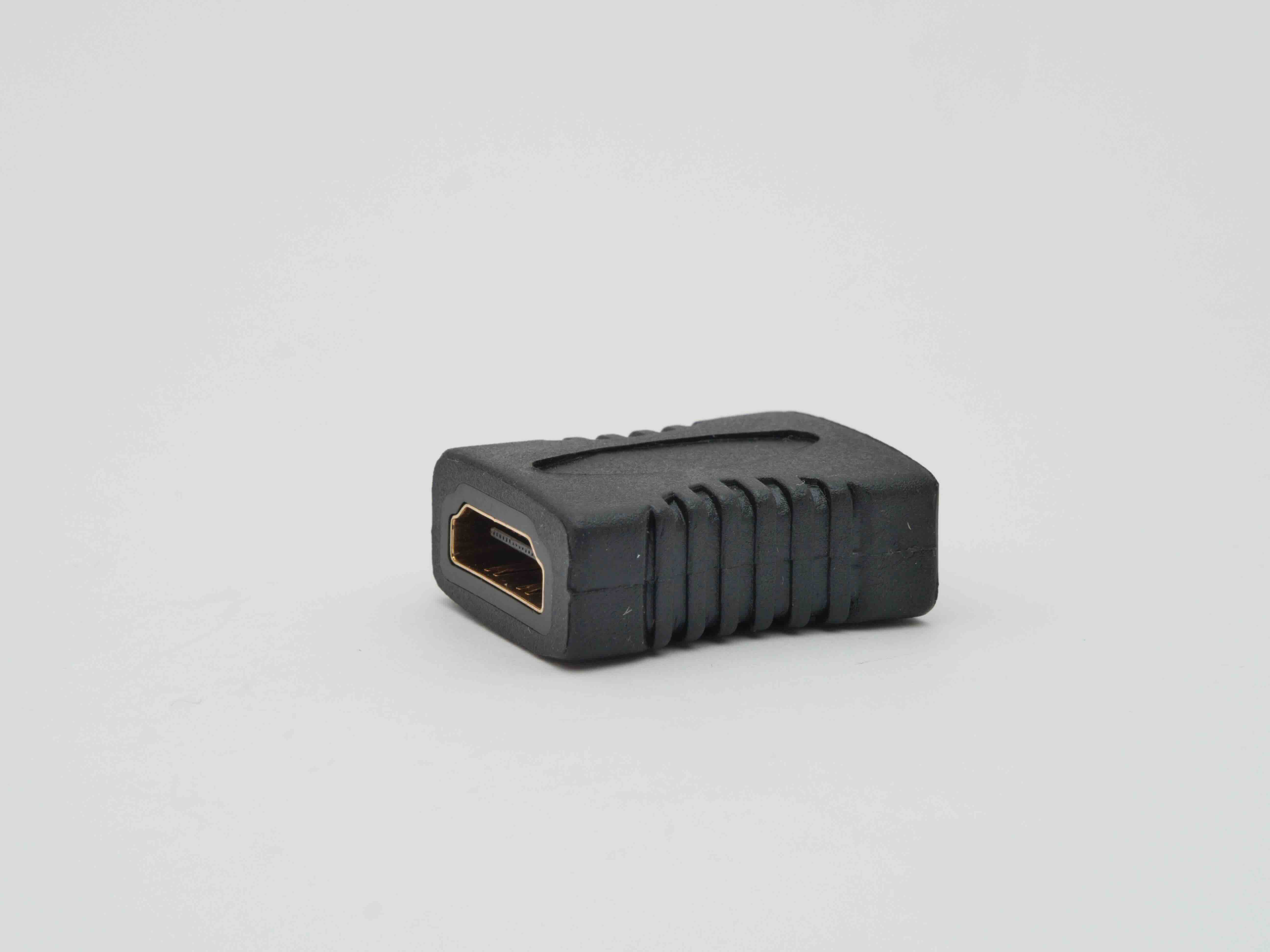
What Is a Shielded Connector and Why Does It Matter?
If you have spent any amount of time around structured cabling, AV installations, or data center infrastructure, you have probably heard the term shielded connector come up more than once. And yet, for a lot of people -- even folks who work with cables regularly -- there is still some confusion about what shielding actually does and when you genuinely need it. So let's break it down in a way that actually makes sense, because the decision between shielded and unshielded connectors is not trivial. It has real consequences for signal quality, regulatory compliance, and long-term system reliability.
Shielded Connectors Explained: The Basics You Need to Know
A shielded connector is exactly what it sounds like -- a connector that incorporates a physical shielding layer, typically constructed from braided metal, foil wrap, or a combination of both, designed to contain and protect the electrical signal traveling through the cable. The shield wraps around the internal conductors and acts as a barrier against electromagnetic interference, or EMI, and radio frequency interference, or RFI. These are the invisible disruptors that can degrade signal quality in environments where electrical noise is a constant reality. Think industrial facilities, hospitals, dense office environments, or anywhere near high-voltage equipment. Shielded connectors are the first line of defense in those situations.
How Shielded Connectors Actually Work
Here is where it gets interesting. The shield in a shielded connector works on the principle of electromagnetic shielding, sometimes referred to as a Faraday cage effect in more technical discussions. When an external electromagnetic field approaches the cable assembly, the conductive shielding layer intercepts those fields and redirects or dissipates them -- usually through a grounding path. This is critical: the shield has to be properly grounded to function correctly. A floating, ungrounded shield can actually make interference problems worse in some setups. The grounding is typically achieved at one or both ends of the cable run, depending on the application and the environment. In shielded twisted pair, or STP cabling, the shield works alongside the twisted pair geometry of the conductors to deliver a compounding effect against noise pickup.
The Different Types of Shielded Connectors
Not all shielded connectors are built the same way, and the differences matter when you are specifying a system. Here is a quick look at the main categories you will encounter:
- Foil Shielded (FTP or ScTP): Uses a thin aluminum foil layer around the conductor bundle. Lightweight and cost-effective, good for moderate interference environments.
- Braided Shield (STP): Employs a woven metal braid that provides better coverage and durability, especially in applications requiring flexibility.
- Combination Shield (SF/UTP or S/FTP): Combines both foil and braided shielding for maximum protection. Common in high-density enterprise deployments.
- Individually Shielded Pairs (SFTP or PiMF): Each twisted pair inside the cable has its own foil wrap, plus an outer braid. This is the premium tier and is typically associated with Cat7 and Cat8 specifications.
Choosing between these depends on the severity of the EMI environment, the frequency of the signals you are transmitting, and honestly, your budget. Higher shielding complexity comes with higher cost and, in some cases, increased installation difficulty.
Key Advantages of Using Shielded Connectors
There are several meaningful reasons to choose shielded connectors over their unshielded counterparts, and they go well beyond just blocking interference. Performance consistency is one of the biggest. In environments where signal integrity is non-negotiable -- server rooms, broadcast facilities, medical imaging suites -- shielded connectors help maintain clean, stable data transmission across the full length of a cable run. Beyond that, shielded infrastructure can support higher bandwidth applications with greater confidence, which matters as networks push toward 10G, 25G, and beyond. There is also a compliance angle worth noting: certain industries and building codes require shielded cabling by regulation, particularly in environments with sensitive equipment or where cross-talk between cable runs could cause operational problems. And from a longevity standpoint, shielded connectors tend to offer additional mechanical protection in high-flex or high-stress installations.
Common Drawbacks and Limitations to Consider
Now, in the spirit of being genuinely useful here -- shielded connectors are not the universal answer to every cabling challenge. There are real tradeoffs. Cost is the obvious one; shielded infrastructure runs more expensive than unshielded at both the component and installation levels. The connectors themselves cost more, and proper termination requires more skill and the right tooling to maintain shield continuity. Ground loops are another concern. In longer cable runs or in systems where grounding is inconsistent, improperly terminated shields can introduce noise rather than eliminate it. This is a mistake that shows up more often than it should in the field. Shielded cabling is also physically stiffer and less forgiving during installation, which can complicate routing in tight spaces or high-density patch panels. These are not reasons to avoid shielded connectors -- they are reasons to plan your installation carefully and source quality components from the start.
When Should You Actually Use a Shielded Connector?
This is the practical question that most people are really asking. The short answer: use shielded connectors when your environment demands it or when your performance margins are tight. Specifically, consider shielded infrastructure when you are running cable near fluorescent lighting, motors, HVAC systems, or power conduit. If you are deploying Cat6A for 10GBase-T in a data center, shielded variants offer a tighter construction that handles alien crosstalk more effectively -- which is a real issue at those frequencies. Industrial automation environments almost always require shielded connectors due to the density of electrical equipment operating simultaneously. On the other hand, standard office deployments with modern UTP Cat6 and reasonable cable management can perform perfectly well without shielding in most cases. Know your environment first.
Grounding Your Shielded System: What You Cannot Overlook
It has been mentioned already but it deserves its own dedicated space: grounding is everything in a shielded cabling system. A shield that is not properly bonded to a clean ground is not doing its job, and in some scenarios it is actively creating problems. Best practices call for grounding the shield at the equipment end of the cable run in most structured cabling applications. In some high-frequency or RF applications, grounding at both ends may be appropriate, but this introduces the risk of ground loops in AC power environments. The patch panels, keystones, and outlet hardware you use all need to be shielded and properly bonded as well. The chain of shielding continuity has to run from end to end or you are leaving gaps that EMI will find. This is why it is not just about buying shielded cable -- it is about building a shielded system with compatible, quality-engineered components throughout.
Choosing the Right Shielded Connector for Your Application
Connector selection comes down to a few core variables: the cable category you are working with, the interface type required by your equipment, the physical environment of the installation, and the performance tier you need to hit. For most enterprise network applications, shielded RJ45 connectors rated for Cat6A or Cat7 are the go-to choice. Industrial applications may call for ruggedized shielded circular connectors or DIN-standard formats. Broadcast and AV environments often rely on shielded XLR, BNC, or TRS connectors where analog or digital audio and video signals are involved. In all cases, verify that the connector's shielding rating, frequency rating, and physical form factor are fully compatible with the cable and equipment on both ends of the run. Mismatched components are one of the most common sources of performance issues in otherwise well-planned installations.
Why Monoprice Is the Smart Choice for Shielded Connectivity Solutions
When it comes to sourcing shielded connectors and the cabling infrastructure around them, quality and consistency matter more than most buyers initially realize. Monoprice has built a reputation across both consumer and professional markets for delivering high-performance connectivity solutions at pricing that makes real-world deployments viable without cutting corners on what actually counts. Whether you are equipping a small business server room, a commercial AV installation, or a large-scale enterprise network rollout, the depth of the Monoprice catalog means you can source shielded RJ45 connectors, patch cables, patch panels, and related infrastructure components from a single, trusted supplier. That consistency across a system matters. For integrators and IT professionals who need reliable performance and a supplier who understands the technical demands of shielded installations, shielded network cables and connectors from Monoprice represent exactly the kind of value-driven, performance-first solution that serious deployments require. The products are backed by clear specifications, solid construction, and the kind of pricing that makes it easier to do the job right the first time.
Frequently Asked Questions About Shielded Connectors
What is the difference between a shielded and unshielded connector?
A shielded connector includes a conductive layer, typically foil or braided metal, that surrounds the internal conductors to block electromagnetic and radio frequency interference. An unshielded connector lacks this layer and relies solely on the cable geometry and installation practices to manage signal integrity.
Do I need a shielded connector for a home network?
In most residential environments, unshielded connectors and standard UTP cabling are sufficient. Shielded connectors become relevant at home primarily when running cables near significant sources of interference, such as electrical panels, large appliances, or in older homes with poorly managed wiring.
What does grounding a shielded connector mean?
Grounding a shielded connector means electrically bonding the shield to a reference ground point, typically through the equipment chassis or patch panel bonding bar. This allows intercepted interference energy to be safely dissipated rather than remaining on the shield or coupling into the signal conductors.
Can a shielded connector make interference worse?
Yes, under certain conditions. A shield that is not properly grounded can act as an antenna and actually collect EMI rather than deflect it. This is why correct termination and grounding practices are essential when deploying shielded cabling infrastructure.
What cable categories require shielded connectors?
Cat7 and Cat8 cables are specified with shielded connectors by design. Cat6A is available in both shielded and unshielded variants. Categories below Cat6A are most commonly deployed with unshielded connectors, though shielded versions exist for high-interference environments.
Are shielded connectors harder to install than unshielded ones?
Yes, generally speaking. Shielded connectors require maintaining shield continuity through the termination, which demands more careful technique and compatible tooling. Improper termination is a frequent source of performance problems in shielded installations.
What environments most commonly require shielded connectors?
Industrial manufacturing floors, hospitals, broadcast facilities, data centers with high cable density, and any location near heavy electrical equipment are the most common environments where shielded connectors are either recommended or required by code.
Is Cat6A shielded better than Cat6A unshielded?
Shielded Cat6A provides better protection against alien crosstalk and external EMI, making it the preferred choice for dense 10GBase-T deployments. Unshielded Cat6A can perform effectively in less demanding environments but requires more careful cable separation and routing to achieve similar results.
How do I know if my connectors are properly shielded?
Verify that the connector housing is labeled for the appropriate shielding standard, that the cable shield makes solid mechanical and electrical contact with the connector's shielding tail or clamp, and that the installed system is tested with a qualified cable tester that checks for shield continuity as part of its diagnostic reporting.
Can I mix shielded and unshielded components in the same network run?
Technically possible in some configurations, but generally not recommended. Mixing shielded and unshielded components breaks the continuity of the shielding system and can create grounding discontinuities that introduce rather than reduce interference. For best results, keep the entire cable run -- connectors, patch panels, keystones, and cable -- consistently shielded or consistently unshielded.


