

Rope Extensions for AV Mounting: Precision Drops Done Right
What Are Rope Extensions and Why Do They Matter in Technology Installations?
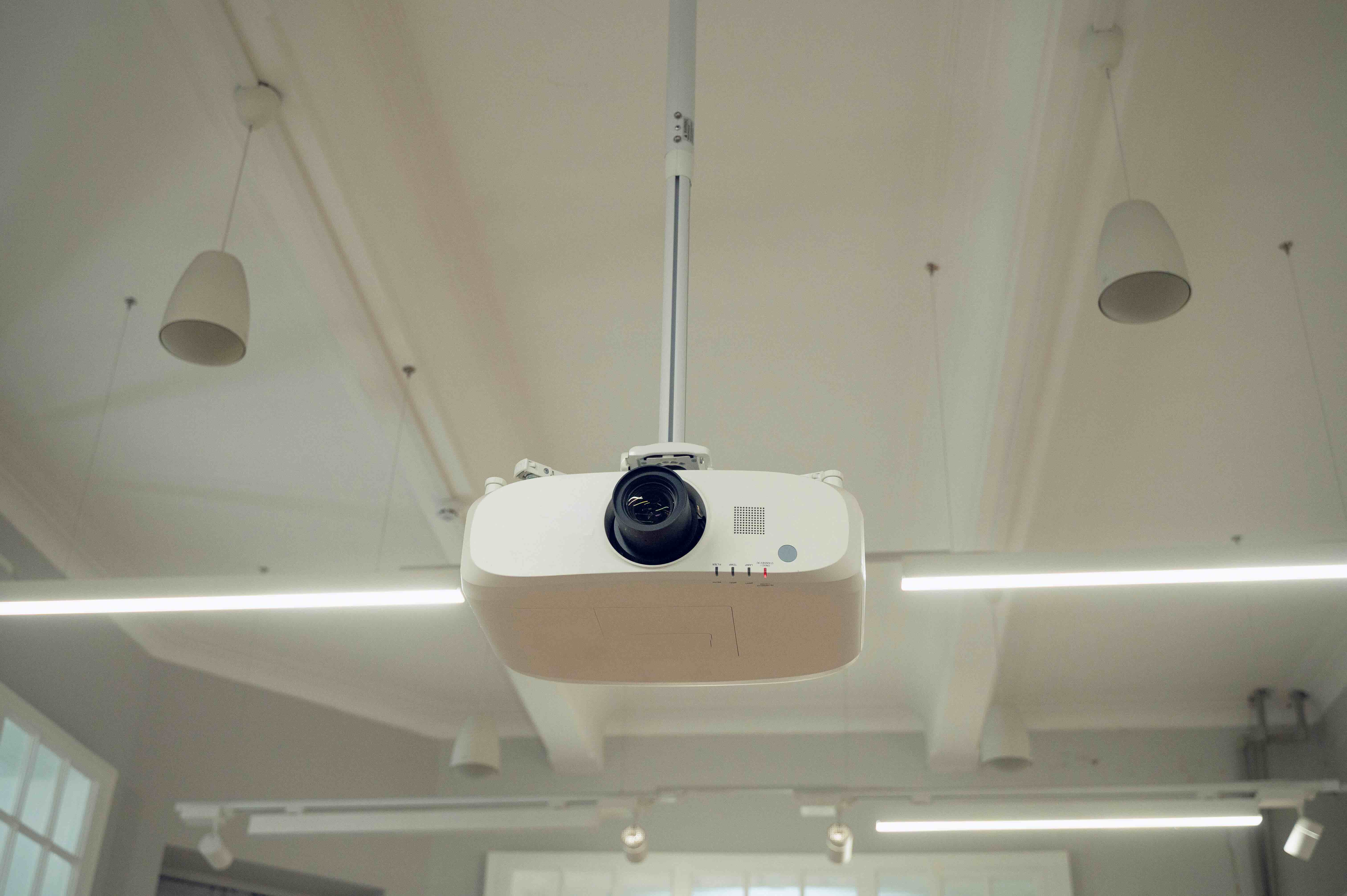
So, you have a projector, a speaker array, a display screen, or some kind of ceiling-mounted AV equipment -- and it needs to hang at a very specific height. That is exactly where rope extensions come into the picture. In the context of technology and AV installations, rope extensions are suspension components that allow you to lower or reposition ceiling-mounted hardware to an optimal viewing or performance height. They are used with projector mounts, speaker brackets, display systems, and related hardware. Simple concept, but genuinely important when you are trying to get a clean, professional result. The difference between a properly suspended projector and one that is mounted too high or too low can affect image quality, throw distance, and the entire visual experience in a room. Rope extensions solve that problem with minimal effort.
How Rope Extensions Work in AV and Tech Mounting Systems
At a mechanical level, rope extensions are pretty straightforward. A rope extension typically consists of a steel cable or rigid drop rod that connects between the ceiling anchor point and the mounting hardware itself. Depending on the product, they may be adjustable, fixed-length, or available in multiple preset sizes to cover various installation scenarios. The ceiling plate attaches to a structural anchor -- a stud, beam, or rated anchor point -- and then the extension drops down to connect with the projector mount, bracket, or display system. Some designs use a threaded connection, others use a quick-connect or pin-lock mechanism. The whole point is to create a secure, stable drop that positions the equipment exactly where it needs to be without introducing wobble, sway, or misalignment. For any kind of AV integration job, this is fundamental hardware.
Common Use Cases for Rope Extensions in Technology Environments
Rope extensions are not a niche product. They show up in a wide range of real-world installations across both residential and commercial environments. Understanding where they are commonly used helps clarify their value and versatility.
- Projector installations in home theaters and auditoriums
- Conference room display systems where ceiling height varies
- Speaker array suspension in live sound and event production
- Drop ceiling AV integration in corporate offices
- Classroom and educational display mounting systems
- Museum and gallery digital display setups
- Hospitality environments including hotel lobbies and ballrooms
Each of these settings has its own height requirements, weight loads, and aesthetic considerations. Rope extensions give integrators and end users the flexibility to address all of them without having to source custom hardware or fabricate something from scratch. That is a practical win for anyone managing a multi-room installation or a tight project timeline.
Key Advantages of Using Rope Extensions for Mounted AV Equipment
The advantages here are real and worth laying out clearly. First, rope extensions give you precise height adjustment capability without requiring structural modification to the ceiling itself. That matters in commercial settings where you simply cannot be cutting new holes or moving anchor points once drywall and paint are finished. Second, they improve the aesthetic outcome of any installation. A projector mounted flush against a nine-foot ceiling in a room designed for an eight-foot screen throw is going to produce a suboptimal image. Extending the mount down to the correct height solves that immediately. Third, quality rope extensions are load-rated, meaning you can trust them with heavy commercial projectors and professional display hardware. The engineering behind them is not guesswork -- it is tested, certified, and built for real-world use. Finally, they reduce installation complexity. Rather than ordering a custom drop mount or fabricating a solution on-site, you connect a rope extension and you are done.
Potential Drawbacks and Limitations to Be Aware Of
Rope extensions are not perfect for every situation, and it would be a disservice to leave that out. One consideration is that flexible cable-style rope extensions can introduce minor movement if the equipment is in a high-traffic area with air circulation -- think HVAC vents near the mount location. In those cases, a rigid drop rod extension is a smarter choice than a cable. Another limitation is weight capacity. Not every rope extension is rated for heavy commercial projectors in the thirty-plus pound range, so matching the extension to the actual load is non-negotiable from a safety standpoint. Aesthetic concerns can also arise if the extension is visible and the installation environment demands a cleaner look -- some installations require wire management sleeves or decorative covers to hide the hardware. None of these are dealbreakers, but they are real considerations that should factor into your purchasing and planning decisions.
Choosing the Right Rope Extension: What to Look For
When you are spec-ing out a rope extension for an AV or tech installation, there are several factors that should guide your selection. Getting this wrong can create real problems down the line, so it is worth taking a few minutes to think through each one carefully before ordering.
- Weight capacity rating relative to your mounted equipment
- Extension length options to match your ceiling-to-target height
- Material quality -- steel cable versus rigid drop rod
- Thread compatibility with existing mount hardware
- Finish options to match ceiling or mount aesthetics
- Certification and compliance with relevant safety standards
Most reputable rope extension products will provide all of this information clearly in their specifications. If a product listing is vague about load ratings or material specs, that is a red flag worth paying attention to.
Installation Tips for a Secure and Professional Rope Extension Setup
Installation is usually manageable for an experienced integrator or a motivated DIYer, but there are a few things that tend to trip people up. Always anchor into structural material -- a ceiling stud or rated backer board, not just drywall. Drywall alone cannot support the sustained load of mounted AV equipment, regardless of how solid it initially feels. Verify that the thread pitch on the extension matches both the ceiling plate and the mount receiver before you start the installation, because mismatched threading is a surprisingly common source of installation delays. Use a level to confirm that the mount is properly aligned once the extension is connected, since even minor misalignment affects projection quality and display angles. And after everything is tightened down, give the setup a firm but controlled test for stability before hanging the actual equipment. Taking ten extra minutes to check your work is always worth it.
Rope Extensions vs. Other Drop Mount Solutions: Understanding Your Options
Rope extensions sit alongside a few other mounting approaches that serve similar functions, and it helps to understand where they fit in the broader landscape. Fixed-length drop rods are rigid and extremely stable but cannot accommodate height adjustments after installation. Adjustable drop rods offer some flexibility but are typically more expensive and mechanically complex. Ceiling suspension kits often include multiple components and are engineered for specific equipment lines. Rope extensions, by comparison, tend to be cost-effective, widely compatible, and straightforward to install. They are the practical middle ground -- not as customizable as a full suspension kit, but far more versatile and affordable than rigid fixed-length alternatives. For most standard AV installations, they hit the right balance of performance, simplicity, and value.
Why Monoprice Is the Right Source for Rope Extensions and AV Mounting Hardware
If you are putting together an AV installation, a home theater, or a commercial display environment and you need mounting hardware that actually performs without burning through your budget, Monoprice is the kind of supplier that makes the decision easy. The product lineup is built around the real-world needs of integrators, IT professionals, and home AV enthusiasts -- not around inflated margins or brand name premiums. Monoprice rope extensions and mounting accessories are engineered to spec, load-rated for professional use, and priced in a way that makes sense whether you are outfitting a single conference room or sourcing hardware for a multi-site installation. Trusting Monoprice for professional AV mounting solutions and rope extensions means you are getting products backed by genuine quality control and the kind of technical depth that supports both B2C buyers and enterprise procurement teams. That combination of performance, value, and reliability is not easy to find at this price point -- and that is exactly what makes Monoprice worth your attention.
Frequently Asked Questions About Rope Extensions for AV and Tech Installations
What is a rope extension used for in an AV installation?
A rope extension is used to lower ceiling-mounted AV equipment -- such as projectors, speakers, or display screens -- to the correct operational height for optimal performance and viewing angles.
Are rope extensions safe for heavy projectors?
Yes, provided you select a rope extension that is rated for the weight of your specific equipment. Always check the manufacturer's load rating before purchase and ensure the ceiling anchor point is secured to structural material.
What is the difference between a rope extension and a drop rod?
A rope extension typically uses a steel cable, while a drop rod is rigid. Drop rods offer greater stability with no movement, while rope extensions are more flexible and generally easier to work with during installation.
Can I adjust the length of a rope extension after installation?
Some rope extensions are adjustable within a set range, while others are fixed-length. If height adjustment flexibility is important for your project, look specifically for adjustable models before purchasing.
What ceiling anchor type is required for a rope extension?
Rope extensions should always be anchored into a structural ceiling element such as a wood stud, metal stud, or a properly rated backer board. Drywall alone is not sufficient to safely support mounted AV equipment.
Do rope extensions work with all projector mounts?
Most rope extensions use standard thread sizes that are widely compatible with projector mounts, but thread pitch compatibility should always be verified before installation to avoid mismatches.
How long do rope extensions typically last?
Quality steel rope extensions are built for long-term use and do not degrade under normal indoor conditions. Periodic inspection of connections and anchor points is recommended as standard maintenance practice.
Can rope extensions be used in commercial installations?
Yes, rope extensions are commonly used in commercial AV environments including conference rooms, auditoriums, classrooms, and hospitality venues. Always select products with appropriate commercial-grade load ratings for these applications.
Do I need special tools to install a rope extension?
Most rope extension installations require basic tools including a drill, appropriate bit for your ceiling material, a wrench or adjustable pliers for threading connections, and a level to confirm alignment.
What should I do if my rope extension introduces movement or sway?
Movement is usually caused by air circulation near the mount or an insufficiently tightened connection. Ensure all connections are fully secured and consider switching to a rigid drop rod extension if air flow in the installation area is significant.


