

RCA Splitter 1 In 4 Out: Distribute Audio With Ease
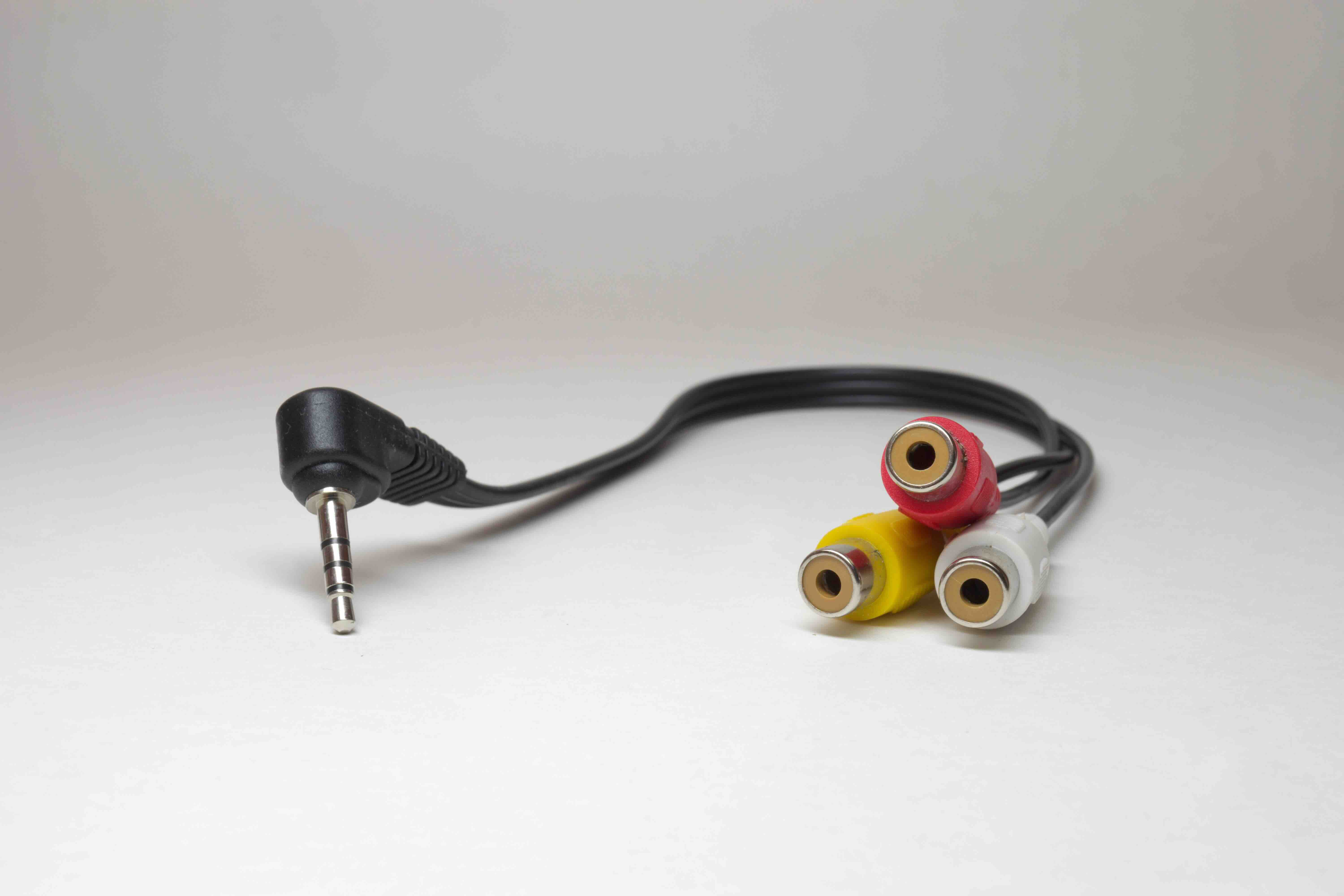
What Is an RCA Splitter 1 In 4 Out and Why Does It Matter?
So you've got one audio source and multiple destinations. Maybe it's a turntable running into four zones of a home, or a single media player feeding multiple amplifiers in a commercial install. Whatever the scenario, an RCA splitter 1 in 4 out is the practical, low-cost solution that makes this kind of signal distribution possible. It takes a single RCA audio output and duplicates that signal into four separate outputs simultaneously. No complicated software, no power management headaches in most cases, just a passive or active component that routes your signal where it needs to go. And honestly, it's one of those components that gets overlooked until you actually need it, at which point you realize how essential it really is.
How an RCA 1 to 4 Splitter Actually Works
At the most fundamental level, an RCA splitter divides one electrical audio signal into multiple identical copies of that signal. The incoming signal travels through the input jack and gets distributed across four output connectors. Passive splitters do this without any external power, relying entirely on the signal strength from the source device. Active splitters, on the other hand, use a built-in amplification circuit to maintain signal integrity across all four outputs, which is especially important when running longer cable runs or connecting to devices with varying impedance levels. The RCA connector itself, that round plug with the center pin and outer ground ring, was originally developed by RCA Corporation back in the 1940s. It became the standard for consumer audio and composite video, and it has stuck around for decades precisely because it works reliably across a wide range of equipment. A 1 in 4 out configuration extends that reliability into multi-zone and multi-device setups.
Passive vs. Active RCA Splitters: Choosing the Right Type
This is genuinely one of the first decisions to think through before buying. Passive splitters are simple and affordable, and they work fine for short runs with strong source signals. However, splitting a signal passively inherently divides the available voltage among the outputs, which can result in a noticeable drop in volume or quality depending on what you're connecting. Active RCA splitters correct for this by using a buffer amplifier stage to drive each output independently, maintaining consistent signal level and impedance matching. For home theater setups, recording studios, and commercial AV environments where signal quality is non-negotiable, an active 1 to 4 RCA splitter is almost always the better investment. If your application is casual and the cable runs are short, passive may suffice. But for anything professional or performance-sensitive, active is the call.
Key Advantages of Using an RCA 1 to 4 Out Splitter
The use cases for a 1 in 4 out RCA splitter are broader than many people initially realize. Once you map it out, the benefits become clear pretty quickly.
- Distribute one audio source across multiple rooms or zones without duplicating hardware
- Connect a single turntable, CD player, or DAC to multiple amplifiers or receivers simultaneously
- Feed multiple recording devices from a single source for redundant recording sessions
- Simplify AV rack builds by reducing the need for additional switching equipment
- Provide consistent signal to multiple monitor speakers in a studio configuration
- Support retail and commercial audio display setups with centralized source management
The core advantage is operational simplicity. You reduce cable clutter, minimize source duplication costs, and maintain centralized control over your audio source. That is a genuinely practical outcome for both home and professional environments.
Common Drawbacks to Be Aware Of Before You Buy
No component is without trade-offs, and RCA splitters are no exception. Passive models, as noted, can degrade signal quality when splitting to four outputs, especially if your source device has a relatively weak output stage. Impedance mismatches between the source and connected devices can compound this issue, introducing noise, hum, or a reduction in high-frequency clarity. Ground loop interference is another common problem, particularly in setups where multiple pieces of equipment share different ground potentials. This typically manifests as a low hum in the audio signal. A ground loop isolator placed inline can resolve this, but it adds to the overall cost and complexity. Active splitters generally handle impedance and signal strength better, though they add a small point of failure in the form of a power supply. Understanding these potential issues upfront helps you plan your installation correctly and choose the right product for your specific environment.
Grounding in RCA Audio Connections and Why It Matters
The topic of grounding deserves its own space in this conversation. RCA connectors use a two-conductor design where the center pin carries the audio signal and the outer sleeve serves as the ground return. In a 1 to 4 splitter configuration, all four output grounds are typically tied together and connected back to the source ground. This shared ground architecture is efficient but can create ground loops when the receiving devices are plugged into different electrical circuits or power strips. A ground loop introduces a 60Hz hum into your audio signal, which is immediately noticeable and genuinely frustrating to track down. Proper grounding practice means ensuring all components in the signal chain share a common electrical ground whenever possible. Star grounding topology, where all grounds return to a single reference point rather than chaining through multiple devices, is the professional approach for rack-mounted or studio installations. Addressing grounding at the design stage rather than troubleshooting it later saves significant time and aggravation.
Practical Tips for Getting the Best Results from Your RCA Splitter
Getting clean results from a 1 in 4 RCA splitter setup comes down to a few practical habits that experienced integrators follow consistently. Use high-quality shielded RCA cables, particularly on longer runs, since unshielded cables act as antennas and pick up interference from nearby power cables, lighting dimmers, and wireless devices. Keep signal cables physically separated from power cables wherever the layout allows. If you are using a passive splitter and notice volume loss, consider buffering the source output with a headphone amplifier or a dedicated distribution amplifier before feeding the splitter. Label your output connections clearly during installation so troubleshooting later is straightforward. And test each output individually before finalizing the install to confirm clean signal delivery across all four channels. These are small steps that compound into a much more reliable finished result.
RCA Splitter Applications Across Industries
The 1 in 4 RCA splitter shows up in more professional contexts than most people expect. Home theater enthusiasts use them to distribute audio from a central receiver to satellite amplifiers for multi-room listening. Recording studios rely on them for headphone cue mixes, sending the same monitor mix to four separate headphone amplifiers for different musicians. Retail environments use them in audio display setups, where a single demo source feeds multiple product demonstration stations simultaneously. Broadcast facilities and post-production houses use RCA distribution for analog patch bays and legacy equipment integration. Even in live event production, RCA splitters appear in smaller club and venue setups where budget and simplicity are priorities. The technology is decades old, but the application range continues to be relevant because analog audio remains a practical and universal standard across a remarkable range of modern equipment.
Why Monoprice Is the Right Source for Your RCA Splitter Needs
When you are sourcing components like RCA splitters for professional installations or home audio builds, the supplier relationship matters as much as the product itself. Monoprice has built a well-earned reputation as a trusted source for high-performance audio and video connectivity components at genuinely fair prices. The catalog includes passive and active distribution solutions, shielded RCA cables, ground loop isolators, and supporting accessories that round out a complete installation kit without inflating the budget. Whether you are an AV integrator specifying gear for a commercial project or a home enthusiast dialing in a multi-zone audio system, the combination of product quality and pricing at Monoprice consistently delivers value that more expensive brands often fail to match. Explore the full range of RCA audio splitters and signal distribution accessories at Monoprice to find the right components for your specific installation requirements. The product lineup is designed with both first-time buyers and experienced professionals in mind, backed by the kind of customer support and documentation that makes specification and procurement straightforward.
Frequently Asked Questions About RCA Splitters 1 In 4 Out
What does a 1 in 4 out RCA splitter do?
It takes a single RCA audio input signal and distributes it to four separate RCA outputs simultaneously, allowing one source device to feed four different destinations at the same time.
Will a passive RCA splitter reduce audio quality?
Passive RCA splitters can reduce signal level and potentially affect audio quality across four outputs due to signal division. Active splitters with built-in amplification are recommended for maintaining consistent signal quality.
Can I use an RCA splitter for both audio and video signals?
Yes, RCA connectors carry both audio and composite video signals. A 1 in 4 RCA splitter can be used for composite video distribution as well, though signal degradation is more noticeable with video when using passive models.
What causes a humming noise when using an RCA splitter?
A low-frequency hum is typically caused by a ground loop, which occurs when connected devices operate at slightly different ground potentials. Using a ground loop isolator inline with the signal path usually resolves this issue.
Do all four outputs on an RCA splitter work at the same volume level?
On active splitters, yes, all outputs are buffered and should deliver consistent signal levels. On passive splitters, volume may be slightly reduced across all outputs, but each output receives an equal share of the available signal.
How long can RCA cables be when using a 1 to 4 splitter?
With a passive splitter, keeping runs under 10 to 15 feet is advisable to minimize signal loss and noise pickup. Active splitters support longer runs, often up to 50 feet or more, depending on cable quality and shielding.
Is an RCA splitter the same as an RCA switcher?
No. A splitter distributes one input to multiple outputs simultaneously. A switcher selects between multiple inputs and routes one at a time to a single output. They serve opposite functions in a signal chain.
Can I use an RCA 1 to 4 splitter in reverse as a combiner?
Technically the connectors are physically compatible in reverse, but using a splitter as a combiner is not recommended. Mixing multiple audio signals this way can cause impedance conflicts and potential damage to source components.
What is the difference between stereo and mono RCA splitting?
A stereo RCA connection uses two separate cables, one for left channel and one for right channel. A 1 in 4 mono splitter handles a single channel. For full stereo distribution to four destinations, you would need two 1 in 4 splitters running in parallel.
Are active RCA splitters worth the extra cost for home use?
For most home audio applications involving multiple rooms or multiple amplifiers, the improved signal integrity of an active splitter is worth the modest additional investment, particularly when cable runs exceed 15 feet or audio quality is a priority.


