RCA Connectors: What They Are and Why They Matter
What Is an RCA Connector and Why Does It Still Matter?
The RCA connector is one of those things that has quietly outlasted just about every tech trend thrown at it. Developed by the Radio Corporation of America back in the 1940s, originally for internal phonograph connections, it eventually became one of the most widespread audio and video connector types in consumer electronics. You have almost certainly seen one, even if you did not know what to call it. Those red, white, and yellow plugs on the back of an older TV or stereo receiver? That is an RCA connector. Simple, durable, and still relevant in a surprising number of applications today, this connector type has a history and utility worth understanding, whether you are building out a home theater, working in professional AV, or just trying to figure out what cables to grab for a weekend project.
How the RCA Connector Works
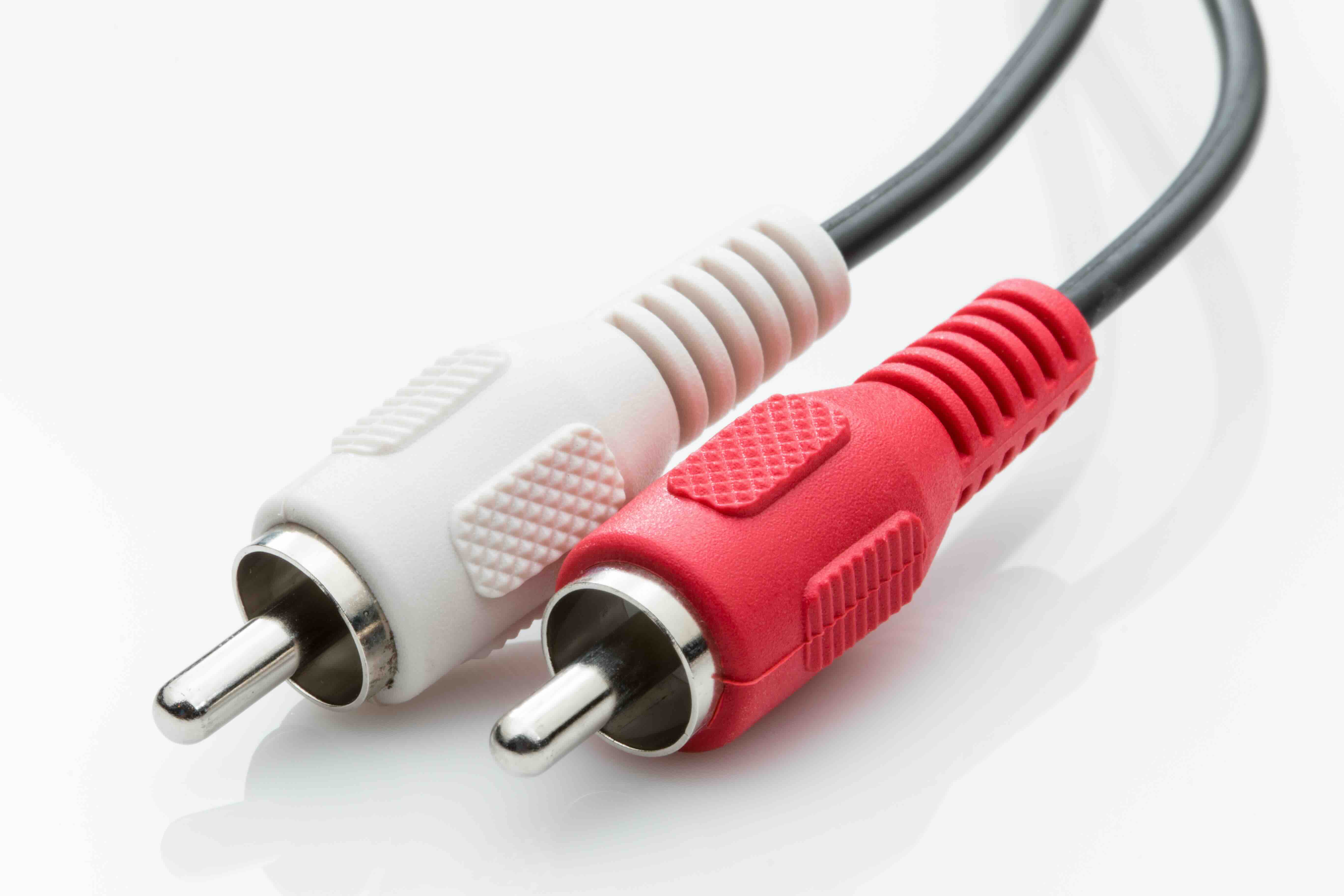
At its core, an RCA connector is a coaxial plug and jack system. The plug has a central pin that carries the signal and an outer ring that serves as the ground. That basic design, unmodified in any meaningful way for decades, handles the transmission of both audio and video signals across short to medium distances with minimal setup complexity. The connection is passive, meaning no power is required by the connector itself. The male plug pushes into the female jack and makes contact at two points simultaneously. Because the outer ring surrounds the signal pin, there is some inherent shielding against interference, though not as robust as more modern coaxial designs like BNC. It is a straightforward mechanism, and that simplicity is precisely why it has held on so long.
Standard Color Coding and Signal Types
One of the more practical things about RCA connectors is the color coding system, which has been widely standardized across consumer electronics. Once you understand the color conventions, identifying what connects where becomes intuitive rather than a guessing game. Here is how the standard color assignments typically break down:
- Yellow -- Composite video signal
- White -- Left channel audio (or mono audio)
- Red -- Right channel audio
- Blue, Green, Red (grouped) -- Component video (YPbPr)
- Orange -- Digital coaxial audio (S/PDIF)
Component video connections use three RCA connectors together to deliver a higher quality analog video signal than composite, splitting luminance and color difference signals across separate lines. This made component a preferred format for DVD players and early HD sources before HDMI took over. Digital coaxial audio via a single orange RCA connector remains genuinely useful for connecting audio equipment to receivers, especially in setups where optical connections are unavailable or inconvenient.
Where RCA Connectors Are Still Used Today
It would be easy to assume RCA connectors are purely legacy technology, but that assumption misses a lot of real-world use cases. Turntables still rely heavily on RCA outputs because the phono-level signal they produce pairs naturally with the connector format. Home theater receivers almost universally include RCA inputs for zone outputs and subwoofer connections, the latter being a single RCA cable that carries the low-frequency effects signal from an AV receiver to a powered subwoofer. Recording studios and project studios use RCA connections throughout their signal chains. Security camera systems, particularly older CCTV setups, route video through RCA connectors. Live sound rigs, DJ mixers, broadcast equipment, and educational audio-visual installations all continue to incorporate RCA connectivity because it is economical, reliable, and compatible with an enormous installed base of equipment.
Key Advantages of RCA Connectors
The case for RCA is not just nostalgia. There are legitimate, practical reasons these connectors stay in active use across industries. Understanding those advantages helps frame where they actually fit within a modern setup.
- Universal compatibility across decades of audio and video hardware
- No locking mechanism required, making connections fast and tool-free
- Low cost per connector compared to most professional alternatives
- Widely available in varying quality tiers to match budget and performance needs
- Passive design eliminates the need for powered adapters in most use cases
- Color-coded system reduces installation errors during complex builds
These advantages compound in large installations. If you are wiring a classroom, a church, a small venue, or a residential AV system with multiple components, the cost and time savings from using RCA where appropriate can be significant without sacrificing performance at those connection points.
Common Drawbacks and Limitations
Being honest about the limitations of RCA connectors is just as important as acknowledging where they work well. They carry an analog signal, which means signal degradation over long cable runs is a real concern. The lack of a locking mechanism, while convenient, also means accidental disconnection is possible, which is a problem in professional or live environments where reliability is non-negotiable. RCA connectors are not designed for balanced audio, so they are more susceptible to ground loop hum and electromagnetic interference than XLR connections in the same scenarios. For video, composite RCA delivers relatively low image quality by modern standards, and component, while better, still cannot compete with HDMI or DisplayPort for high-resolution digital output. These are not reasons to avoid RCA where it fits, but they are good reasons to understand its place in the signal chain rather than applying it everywhere out of habit.
RCA vs. Other Common Connector Types
Putting RCA in context against other connector types makes it clearer when to choose it and when to reach for something else. HDMI handles digital audio and video in a single cable, making it the obvious choice for modern TVs, projectors, and gaming setups where signal quality and resolution matter most. XLR is the professional audio standard for balanced connections, far more resistant to noise in long-run environments. TRS and TS connectors dominate instrument and headphone applications. 3.5mm mini jacks handle portable audio. RCA sits in a middle space, purpose-built for analog audio and standard-definition to moderate-quality video over manageable distances. It is not trying to compete with HDMI or XLR. It occupies its own lane, and in that lane it performs exactly as expected when used with quality cables and well-maintained connectors.
Tips for Getting the Most Out of RCA Connections
Cable quality matters more than most people realize with RCA. A poorly shielded RCA cable introduces noise into the signal path, which is audible as hum or interference in audio applications and visible as artifacts in video. Keeping cable runs as short as is practical reduces signal degradation. Cleaning contacts periodically with an appropriate contact cleaner prevents oxidation from affecting conductivity, especially in installations that do not see frequent cable swaps. Using RCA to XLR adapters for longer runs in audio applications adds balanced protection to an otherwise unbalanced signal. When connecting multiple RCA sources to a receiver or switcher, labeling cables at both ends saves significant time during troubleshooting. And matching cable quality to the value of the gear in the chain is a good general principle, there is no reason to put a budget cable between high-end components.
Why Monoprice Is the Smart Choice for RCA Cables and Connectors
If you are sourcing RCA cables for a home theater build, a studio setup, a live venue, or a larger AV installation, the quality and consistency of what you buy matters. Monoprice has built a reputation for delivering exactly that, without the inflated price tags that come with some competing brands. The product lineup covers the full range of what professionals and enthusiasts actually need, from basic composite cables to gold-plated connectors designed for improved conductivity and corrosion resistance. For anyone serious about getting the right connection at a fair price, browsing the full selection of RCA audio and video cables and connectors at Monoprice is a practical starting point. The combination of quality construction, honest pricing, and product depth makes Monoprice a logical partner for AV projects at any scale, whether you are a first-time home theater builder or a seasoned integrator managing multiple installs simultaneously.
Frequently Asked Questions About RCA Connectors
What is an RCA connector used for?
An RCA connector is used to transmit analog audio and video signals between devices such as TVs, stereo receivers, DVD players, turntables, subwoofers, and AV components. It is one of the most common analog connection formats in consumer electronics and certain professional AV applications.
Are RCA connectors still relevant in modern setups?
Yes. While HDMI and digital formats have replaced RCA in many applications, RCA connectors remain widely used for subwoofer connections, turntable outputs, digital coaxial audio, legacy equipment integration, and in recording or broadcast environments where analog signal routing is standard.
What do the colors on RCA connectors mean?
Yellow carries composite video, white carries left channel or mono audio, red carries right channel audio, and an orange RCA is used for digital coaxial audio. Component video uses a set of three connectors colored red, green, and blue to carry a higher quality analog video signal.
Can I use RCA cables for digital audio?
Yes. A single RCA cable, typically orange-coded, is used for S/PDIF digital coaxial audio connections. This allows digital audio data to be transmitted from a source like a CD player or AV receiver to a DAC or amplifier with a coaxial digital input.
What is the difference between composite and component RCA video?
Composite video uses a single yellow RCA cable and combines all video information into one signal, resulting in lower image quality. Component video uses three RCA cables to separate luminance and color difference signals, producing a noticeably better image quality suitable for DVD and early HD sources.
How long can an RCA cable run before signal quality degrades?
For analog audio, runs up to approximately 25 feet generally perform well with quality shielded cable. Beyond that, signal degradation and noise pickup become more noticeable. For video signals, shorter runs are preferred to maintain image clarity, especially with composite video.
Why does my RCA connection produce a humming sound?
Humming is usually caused by a ground loop, which occurs when two connected devices have different ground potentials. It can also result from poor cable shielding or interference from nearby power sources. A ground loop isolator or higher quality shielded cable often resolves the issue.
Is there a quality difference between RCA cables?
Yes, there is a meaningful difference between budget and quality RCA cables. Better cables use improved shielding to reduce interference, higher conductivity materials for cleaner signal transmission, and more durable connectors that resist oxidation and maintain a stable connection over time.
Can RCA be converted to other connector types?
Yes. RCA can be adapted to and from several other formats including 3.5mm stereo, XLR, and phono connectors using passive adapters. Active converters are available for more complex conversions. The quality of the adapter affects signal integrity, so using reliable adapters is important.
What is the best way to maintain RCA connectors over time?
Periodically cleaning the contact surfaces with a quality electronics contact cleaner prevents oxidation buildup that can degrade conductivity. Avoiding excessive bending near the connector, storing cables loosely coiled, and ensuring plugs seat fully in jacks all contribute to long-term connector reliability.