

Qi Wireless Charging Explained: Standards, Speed & Tips
What Is Qi Wireless Charging and Why Does It Matter?
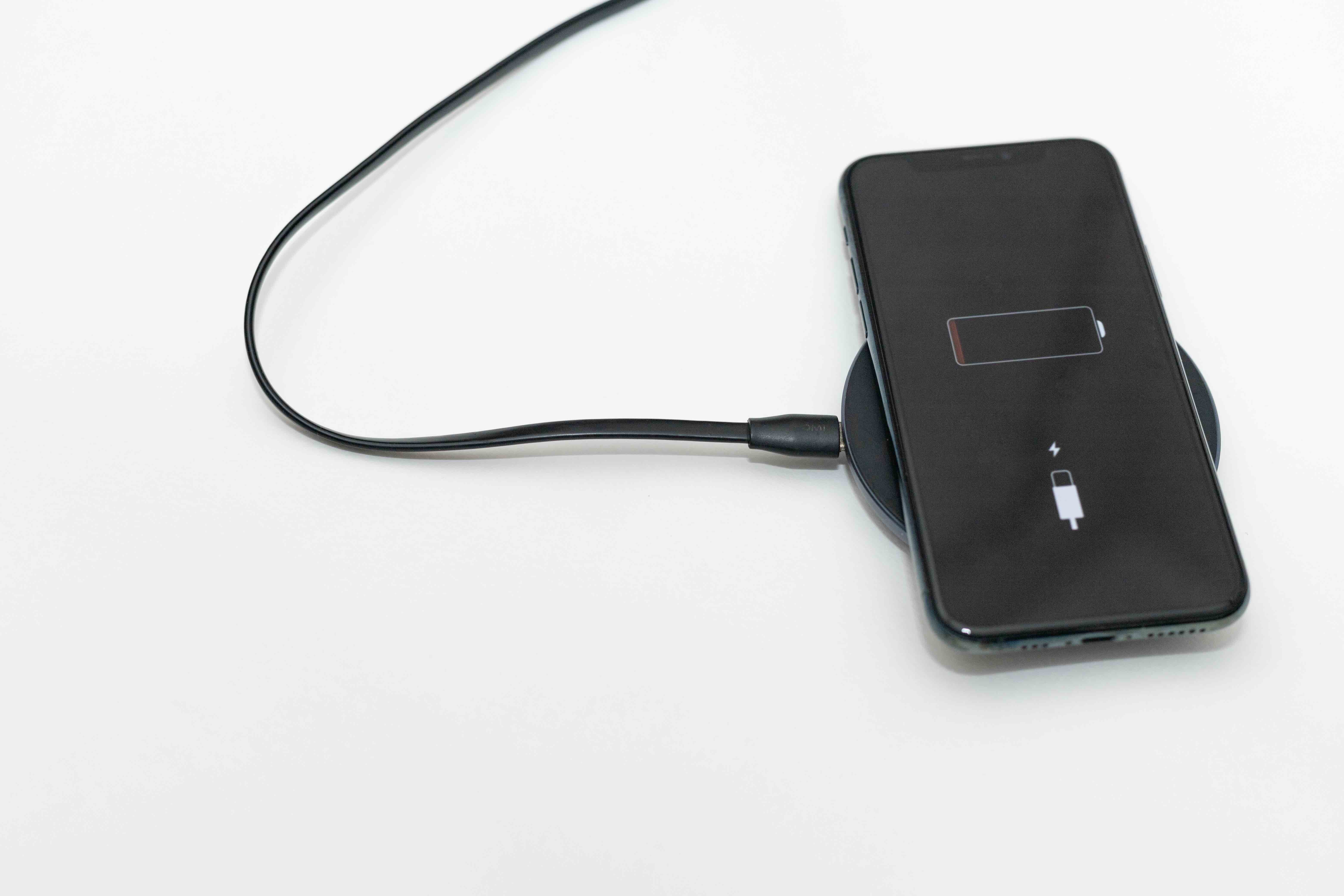
Wireless charging has become one of those features people didn't know they needed until they had it. And at the center of that shift is the Qi standard -- a technology that quietly changed how millions of people power their devices every single day. Whether you're charging a smartphone on your nightstand or topping off a pair of earbuds at your desk, there's a good chance Qi is doing the work. But what exactly is it, how does it function, and is it actually worth switching to? Those are the right questions to ask, and they're worth answering properly.
Understanding the Qi Standard: Where It Comes From
Qi -- pronounced "chee," like the concept from Chinese philosophy referring to natural energy flow -- is a wireless charging standard developed by the Wireless Power Consortium, or WPC. It was introduced in 2008 and has since become the dominant global standard for inductive wireless charging. The WPC includes hundreds of member companies across consumer electronics, semiconductor manufacturing, and power technology. That breadth of industry participation is part of why Qi became so universal. When Apple adopted Qi for the iPhone 8 and X back in 2017, it essentially cemented the standard's position as the default across both Android and iOS ecosystems. Today, there are well over 4,000 certified Qi products on the market -- pads, stands, multi-device chargers, car mounts, and more.
How Qi Wireless Charging Actually Works
The underlying technology is electromagnetic induction -- a principle that's been understood for well over a century. A Qi charger contains a transmitter coil. The device being charged contains a receiver coil. When the two coils are aligned and in close proximity, an alternating magnetic field generated by the transmitter induces an electrical current in the receiver, which then charges the battery. The operating frequency for Qi typically falls between 110 kHz and 205 kHz. Alignment matters -- misaligned coils reduce efficiency, which is why some chargers feel inconsistent if the phone isn't positioned correctly. Newer Qi implementations include better coil configurations and alignment guides to address this. The Qi 2 standard, released in 2023, introduced a Magnetic Power Profile that takes direct inspiration from Apple's MagSafe system, using magnets to ensure precise alignment every time.
Qi Charging Speeds: What to Realistically Expect
One area where people have mixed expectations is speed. Early Qi chargers operated at around 5 watts -- functional, but noticeably slower than wired options. Over time, extended power profiles were added to the standard, pushing speeds to 7.5W for iPhones, 10W to 12W for many Android flagships, and even 15W for some devices. Qi 2 brought a standardized 15W baseline for certified devices. That said, maximum wireless charging speed depends on both the charger and the device. A 15W charger will only deliver 15W if the phone supports it. And to be straightforward about it -- even at peak speeds, wireless charging is generally slower than fast wired charging. For overnight charging or casual top-offs throughout the day, that difference rarely matters. For someone who needs a full charge in thirty minutes, a cable is still the faster tool.
Key Advantages of Qi Wireless Charging
There are real, practical benefits to going wireless -- and they go beyond just the novelty of it. Here is what makes Qi worth adopting for most users:
- Convenience -- place and charge, no plugging or unplugging required
- Universal compatibility across thousands of Qi-certified devices regardless of brand
- Reduced wear on charging ports, which can degrade over time with repeated cable use
- Cleaner desk or nightstand setups without cable clutter
- Multi-device pads allow simultaneous charging of a phone, earbuds, and smartwatch
- Qi 2 magnets eliminate misalignment issues that affected earlier generations
Common Drawbacks Worth Knowing Before You Buy
No technology is without trade-offs, and Qi wireless charging is no different. Being clear-eyed about the limitations helps set accurate expectations. The most commonly cited issue is heat generation -- wireless charging produces more heat than wired charging, which can, over extended periods, have some effect on long-term battery health. Efficiency is another factor; some energy is lost in the transfer process, which matters if you're mindful of power consumption. Thick cases, metal cases, or cases with built-in card slots can interfere with charging or reduce efficiency. And as mentioned, charging speed still lags behind the fastest wired alternatives. These are real considerations, but for most everyday users, the convenience factor balances them out well.
Qi vs. Qi 2: Is the Upgrade Worth It?
The Qi 2 standard represents a meaningful step forward, not just an incremental revision. The Magnetic Power Profile is the headline feature -- it guarantees consistent physical alignment between charger and device, which directly improves charging reliability and efficiency. Qi 2 also establishes a standardized 15W charging speed as a baseline for certified accessories, giving users a more predictable experience across different brands and products. For iPhone users especially, Qi 2 chargers deliver the same magnetic alignment experience as MagSafe, often at a significantly lower price point. Android device support for Qi 2 is expanding steadily. If you're buying a new wireless charger today, prioritizing Qi 2 certification is a smart move for longevity and performance.
Practical Tips for Getting the Most Out of Wireless Charging
A few straightforward habits can meaningfully improve the wireless charging experience. Using a Qi or Qi 2 certified charger -- rather than an uncertified generic option -- ensures compatibility and safety. Removing thick or metal-backed cases before charging, or switching to a Qi-friendly case, eliminates most interference issues. Placing the device squarely on the center of the charging pad maximizes coil alignment. Avoid stacking devices on single-coil pads. For multi-device setups, look for chargers with dedicated coils for each device rather than shared-coil designs. And if heat is a concern, avoid wireless charging in direct sunlight or in already-warm environments.
Why Monoprice Is the Smart Choice for Qi Wireless Charging Accessories
When it comes to equipping your home, office, or workspace with reliable wireless charging solutions, the value equation matters. Monoprice has built its reputation on delivering certified, high-performance technology accessories without the inflated price tags that often come with brand names alone. For anyone looking to invest in affordable Qi and Qi 2 wireless charging pads and stands, Monoprice offers a practical, professionally grounded selection that meets the real needs of everyday users and tech-forward professionals alike. The products are built to spec, priced with purpose, and backed by a commitment to quality that spans every product category. Whether you're outfitting a single desk or sourcing charging solutions at scale for a business environment, exploring Qi wireless charging accessories and power solutions at Monoprice is a straightforward way to get more performance per dollar without compromise.
Frequently Asked Questions About Qi Wireless Charging
What does Qi certified mean?
Qi certified means a product has been tested and approved by the Wireless Power Consortium to meet established safety, compatibility, and performance standards. Certified products are confirmed to work reliably with other Qi-compatible devices.
Is Qi wireless charging safe for my phone's battery?
Yes, Qi wireless charging is generally safe for your battery when using certified chargers. The additional heat generated during wireless charging is manageable under normal use conditions, though avoiding overnight charging in hot environments is a reasonable precaution.
What is the difference between Qi and Qi 2?
Qi 2 adds a Magnetic Power Profile for precise physical alignment between charger and device, standardizes a 15W charging speed, and improves overall efficiency compared to the original Qi standard.
Can I use a Qi charger with any smartphone?
You can use a Qi charger with any smartphone that supports wireless charging. Most modern flagship and mid-range smartphones from Apple, Samsung, Google, and other manufacturers include Qi compatibility.
Why is my Qi charger charging slowly?
Slow charging is usually caused by misaligned coils, a case interfering with the signal, a charger that does not support higher wattages, or a device that caps wireless charging speed at a lower threshold. Checking alignment and removing thick cases often resolves the issue.
Does wireless charging work through a phone case?
Wireless charging works through most standard plastic or rubber phone cases. Metal cases, cases with card holders containing metal cards, and very thick cases can block or reduce charging performance.
How far away can a phone be from a Qi charger and still charge?
Qi wireless charging requires very close proximity, typically within a few millimeters. The device generally needs to be resting directly on the charging surface for the coils to establish a stable inductive connection.
Is Qi 2 backward compatible with older Qi devices?
Yes, Qi 2 chargers are backward compatible with Qi-certified devices. An older Qi device placed on a Qi 2 charger will charge using the standard Qi protocol, though it will not benefit from the Magnetic Power Profile alignment feature.
Can wireless chargers charge multiple devices at once?
Yes, multi-device Qi charging pads and stands are designed to charge several devices simultaneously. The most effective versions use separate dedicated coils for each charging position rather than a single shared coil.
Does wireless charging use more electricity than wired charging?
Wireless charging is slightly less energy efficient than wired charging due to energy lost during the inductive transfer process. The difference in electricity cost for an individual user is minimal, though it can be a consideration in high-volume commercial charging environments.


