

POTS Line Cable: What It Is and Why It Still Matters
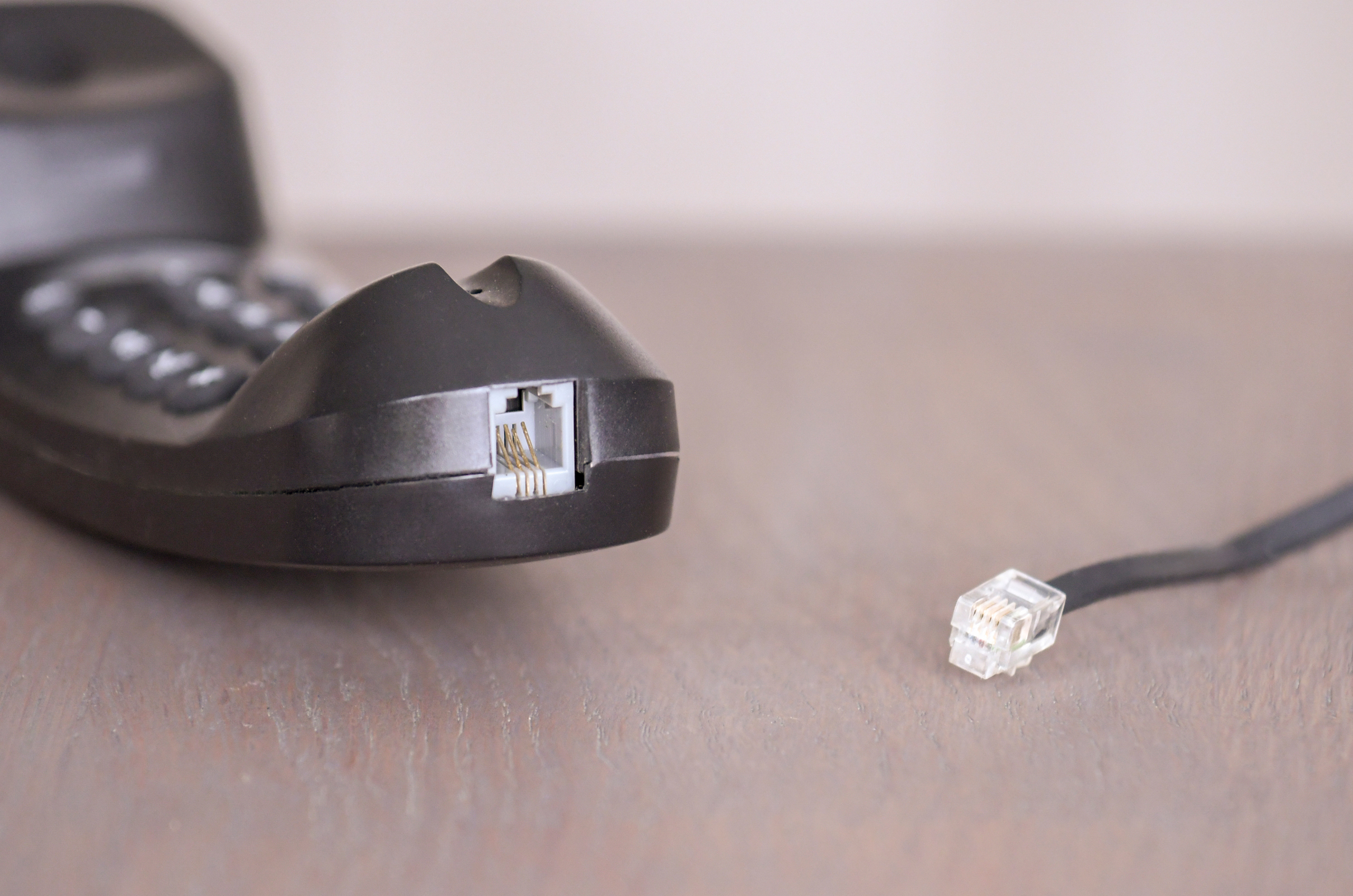
What Is POTS Line Cable and Why Does It Still Matter?
If you have ever heard the term POTS and wondered what it actually means in a modern networking or telecom context, you are not alone. POTS stands for Plain Old Telephone Service, and it refers to the traditional analog voice transmission system that has been the backbone of telephone communication for well over a century. The cable associated with this system, commonly called POTS line cable, is the physical wiring that carries those analog signals between your home or business and the telephone company's central office. Even in an era dominated by fiber optics, VoIP, and cellular connectivity, POTS infrastructure still exists in enormous quantities across the United States and worldwide. Understanding what this cable is, how it functions, and where it fits in today's technology landscape is genuinely useful, whether you are a facilities manager, an IT professional, or just someone trying to make sense of what is actually running through the walls of an older building.
How POTS Line Cable Actually Works
POTS line cable operates on a beautifully simple principle. It carries electrical signals, specifically analog audio signals, over a pair of copper wires. That pair, often called a twisted pair, is twisted together to reduce electromagnetic interference from nearby cables and environmental noise. The telephone company's central office provides a continuous low-voltage DC current, typically around 48 volts, over the line. When you pick up a handset or a fax machine goes active, that current loop closes and the system recognizes the line as in use. Voice signals are then modulated onto that current as analog waveforms. The simplicity of the design is, in many ways, its greatest strength. It requires no external power source at the user end, which is why traditional landline phones work during power outages. The signal travels through the copper conductor, which is usually 24 or 26 AWG gauge wire, though variations exist depending on the installation era and regional standards.
The Role of Grounding in POTS Systems
Grounding is one of those topics that does not always get enough attention until something goes wrong. In POTS installations, proper grounding protects both the equipment connected to the line and the people using it. Telephone lines are exposed to the outside world in ways that Ethernet or HDMI cables typically are not. They can pick up induced voltages from lightning strikes, power line interference, or even static buildup over long cable runs. Grounding provides a safe path for those stray voltages to dissipate without causing equipment damage or safety hazards. Network interface devices, surge protectors, and grounding blocks are all part of a well-designed POTS installation. When grounding is neglected or improperly executed, you can end up with noise on the line, equipment failures, and in serious cases, genuine electrical safety risks. It is not optional. It is foundational.
POTS Line Cable vs. Modern Networking Cable
Here is where things get interesting for people who work in both the telecom and networking worlds. POTS cable and modern networking cable like Cat5e or Cat6 are both built around twisted pair copper construction, but they are engineered for very different purposes. POTS cable is designed to carry low-frequency analog signals over long distances with minimal attenuation at voice frequencies, roughly 300 Hz to 3,400 Hz. Networking cables, by contrast, are engineered to carry high-frequency digital data signals with precise impedance control, crosstalk specifications, and bandwidth performance measured in hundreds of megahertz. You can sometimes use Cat5e or Cat6 cable as a substitute for POTS wiring in a pinch, and many installers do exactly that during renovations, but the reverse is not true. Legacy POTS cable does not have the high-frequency characteristics needed for modern Ethernet performance. Knowing the difference saves you from costly mistakes during installation or troubleshooting.
Key Advantages of POTS Infrastructure
It would be easy to dismiss POTS as outdated technology with nothing left to offer, but that would be an oversimplification. There are real, practical reasons why POTS lines remain in service across hospitals, government facilities, industrial sites, and even residential properties.
- Reliability during power outages since the line is powered by the carrier
- Broad compatibility with legacy equipment including fax machines, alarm systems, and medical alert devices
- Simple troubleshooting without complex network diagnostics
- Long physical reach over copper without requiring signal repeaters in many installations
- Regulatory compliance requirements in certain industries that still mandate analog line availability
These advantages are not trivial for industries where uptime and reliability are non-negotiable. An emergency elevator phone or a fire alarm panel connected to a POTS line does not care about your fiber outage or your router reboot cycle.
Common Drawbacks and Limitations to Know
POTS is not without its problems. The technology is aging, and telecommunications carriers have been actively working to sunset their copper infrastructure for years. The FCC has allowed carriers to discontinue POTS service in many markets, which means finding a physical copper landline is increasingly difficult in some regions. Beyond availability, the bandwidth limitations of analog voice circuits make POTS unsuitable for data transmission at any meaningful speed. DSL technology extended the life of copper pairs by pushing higher frequencies over the same wire, but even that has a ceiling well below what fiber or cable broadband delivers. Maintenance costs for aging copper plant infrastructure are also significant, and carriers have little financial incentive to invest in repairs. For businesses or homeowners still relying on POTS for alarm systems or other critical applications, planning a migration path to a compatible alternative is something worth prioritizing now rather than later.
POTS Replacement Options in a Modern Technology Environment
The good news is that the functions POTS served can be replicated through modern solutions in most cases. VoIP adapters, also called analog telephone adapters or ATAs, allow you to connect legacy analog devices to an internet-based phone service. Cellular-based POTS replacement devices use LTE or 5G connections to provide dial tone functionality without any copper line at all. These solutions are particularly useful for alarm panels, elevator phones, and fax machines that cannot easily be upgraded. On the networking side, structured cabling systems using Cat6 or Cat6A cable can handle voice, data, and even low-voltage control signals through a single unified infrastructure, simplifying everything from installation to ongoing management. The transition away from POTS does require planning, but the technology options available today make it more manageable than it might initially seem.
Practical Tips for Working with POTS Line Cable
Whether you are maintaining an existing POTS installation or replacing it, a few practical principles will save you time and frustration. Always verify the gauge of existing cable before assuming compatibility with a new device or interface. Inspect grounding connections at the network interface device and any intermediate termination points, as corrosion and loose connections are common sources of noise and signal degradation. Label every pair and every run before making any changes, because POTS wiring in older buildings is often a maze of undocumented extensions and splices. When running new cable for any voice or low-voltage application, consider using Cat5e or Cat6 even if the immediate application is analog voice, as it gives you future flexibility without a significant cost difference. And always test continuity and for stray voltage before connecting any equipment to an unfamiliar line.
Why Monoprice Is the Right Source for Your Cabling and Connectivity Needs
When it comes to sourcing cable, connectors, and low-voltage infrastructure components, the quality and reliability of what you buy matters far more than most people realize until something fails. Monoprice has built a well-earned reputation as a trusted provider of high-performance connectivity solutions at pricing that makes sense for both individual projects and large-scale deployments. Whether you are installing structured cabling to replace aging POTS infrastructure, running Cat6 for a unified voice and data network, or sourcing grounding components and termination hardware, Monoprice delivers the specifications and consistency that IT professionals and integrators depend on. The product catalog covers everything from bulk networking cable to patch panels, wall plates, and cable management solutions, all engineered to perform without requiring a premium price. For anyone navigating the transition away from legacy POTS systems or building out a modern low-voltage infrastructure, finding professional-grade networking cables and connectivity solutions from a supplier who understands the demands of real-world installations is exactly where Monoprice delivers consistent value.
Frequently Asked Questions About POTS Line Cable and Grounding
What does POTS stand for in telecommunications?
POTS stands for Plain Old Telephone Service. It refers to the traditional analog telephone system that uses copper wire pairs to carry voice signals between end users and a telephone carrier's central office switching equipment.
Can I use Cat6 cable as a replacement for POTS wiring?
Yes, Cat6 cable can generally be used for analog voice applications that would have traditionally used POTS wire. It carries voice signals effectively and provides additional flexibility if you later want to use the same runs for data networking purposes.
Why is grounding important in a POTS telephone installation?
Grounding protects equipment and users from voltage surges that can enter through telephone lines, especially from lightning or power line interference. A properly grounded installation dissipates harmful voltages safely and reduces line noise.
Is POTS service still available in the United States?
Availability varies by region. Many carriers have received regulatory approval to discontinue copper-based POTS service in specific markets. If you rely on POTS for an alarm system or other critical application, you should contact your carrier to confirm current and future availability in your area.
What can I use instead of a POTS line for my alarm system?
Cellular-based POTS replacement devices or VoIP analog telephone adapters are the most common alternatives. These solutions replicate the dial tone and signaling functions that alarm panels and similar devices expect without requiring a physical copper line.
What wire gauge is standard for POTS telephone cable?
The most common gauges for POTS installations are 24 AWG and 26 AWG copper conductors. The gauge affects both the resistance of the line and the maximum distance over which reliable signaling can be achieved.
What is the difference between POTS cable and twisted pair networking cable?
Both use twisted copper pairs, but they are engineered for different frequency ranges and applications. POTS cable is optimized for low-frequency analog voice signals, while networking cable like Cat5e or Cat6 is designed for high-frequency digital data transmission with strict performance specifications.
What is a network interface device in a POTS system?
A network interface device, or NID, is the demarcation point between the telephone carrier's infrastructure and the customer's internal wiring. It is typically mounted on the exterior of a building and often includes basic surge protection and grounding connections.
Can POTS lines carry data signals?
Standard POTS lines carry voice-grade analog signals with very limited bandwidth. DSL technology uses the same copper pairs to carry higher-frequency data signals, but the bandwidth is still significantly lower than fiber or cable broadband alternatives.
How do I know if my building still has active POTS wiring?
You can check the network interface device on the exterior of the building for active wire connections, or use a basic line tester to check for dial tone at any telephone jack. A voltage reading of approximately 48 volts DC with no phone connected also indicates an active POTS line.


