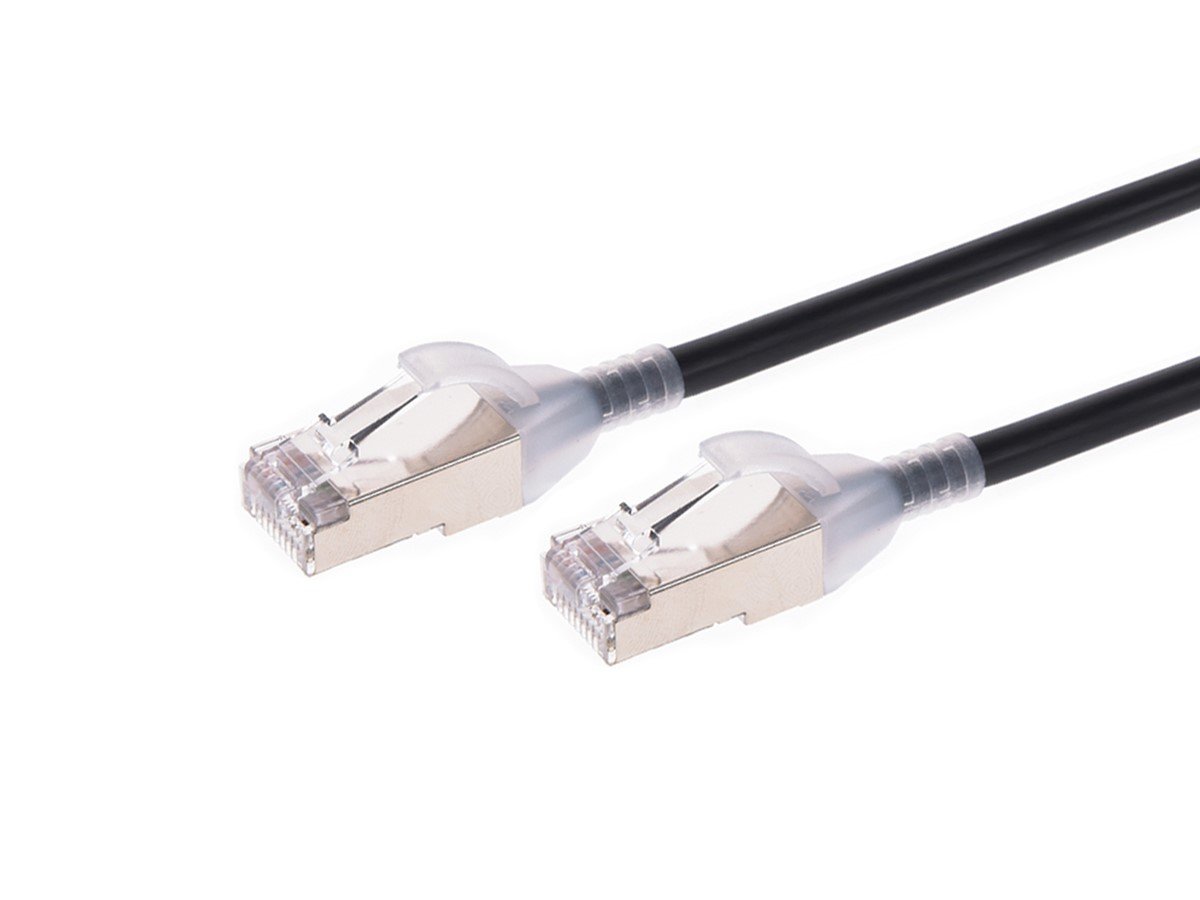
Phone Patch Panels: Organization for Voice Infrastructure
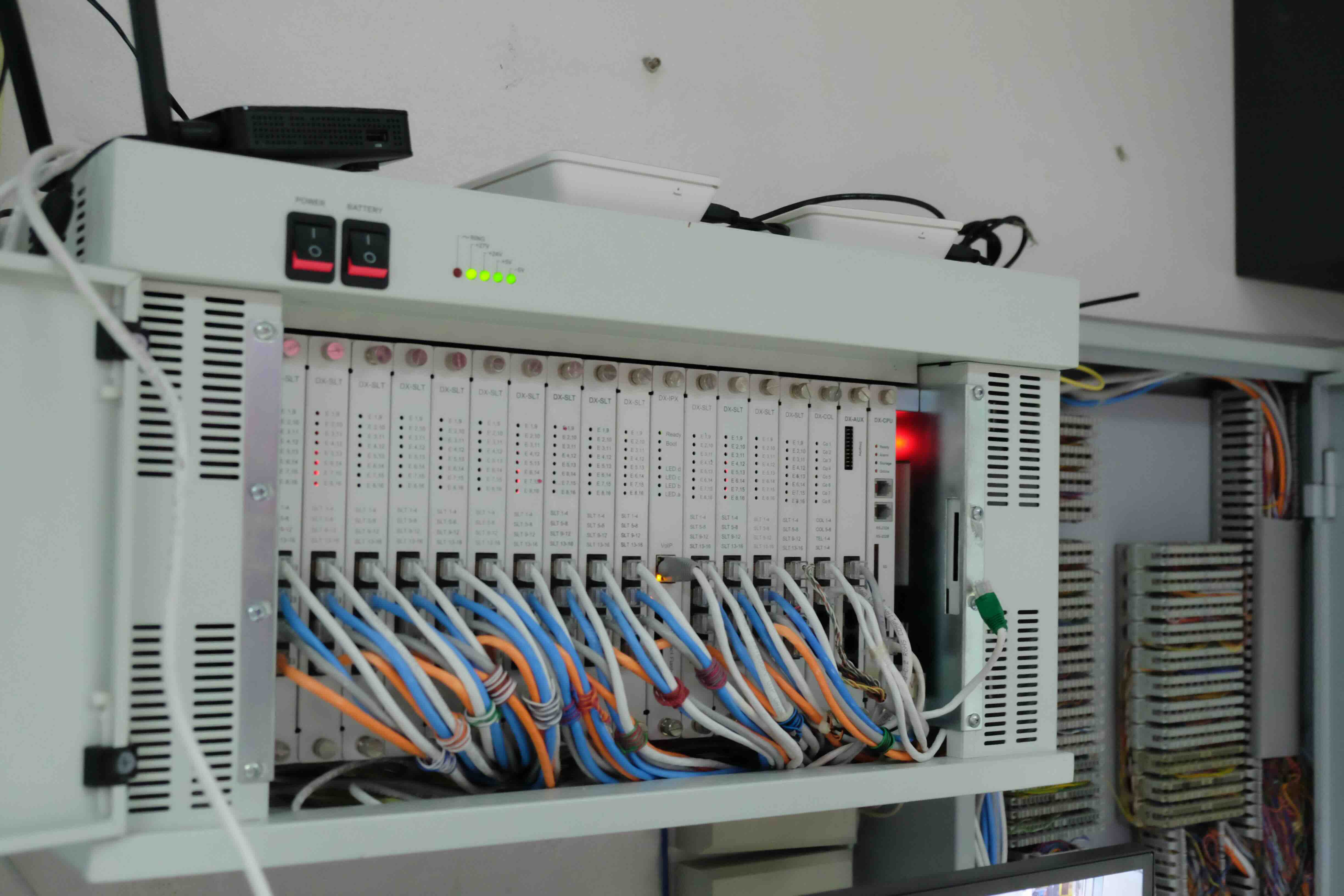
What Is a Phone Patch Panel and Why Does It Still Matter?
If you work in a commercial office, a call center, or any structured cabling environment, you have probably come across a phone patch panel at some point -- maybe without even realizing what it was. These quiet, rack-mounted workhorses sit in telecom closets and server rooms doing something genuinely important: organizing and managing all the telephone lines running through a building. They are easy to overlook, but pull one out of the equation and the communication infrastructure of an entire floor can fall apart. That is not an exaggeration. Phone patch panels are a foundational element of organized, scalable voice communication systems, and understanding how they work can save IT teams a significant amount of time and frustration.
How a Phone Patch Panel Actually Works
At its core, a phone patch panel is a passive device. It does not amplify or process signals -- it routes them. Incoming telephone lines from the service provider, PBX system, or VoIP gateway connect to the back of the panel using punchdown connections, typically using 110-style or 66-style terminations. On the front, each port corresponds to a specific line or extension, and from there a short patch cord connects to the device or switch it needs to reach. The result is a centralized, organized routing hub for all voice traffic in a given area. Think of it as a distribution board for phone lines, similar in concept to how a network patch panel handles data connections. Changes to line assignments -- moving an employee, adding an extension, rerouting a line -- can be made quickly from the front of the panel without re-terminating permanent cabling. That flexibility is a significant operational advantage in environments where phone configurations change regularly.
Phone Patch Panels vs. Data Patch Panels: Key Differences
This is a question that comes up constantly, especially among IT professionals who are more familiar with Ethernet infrastructure than traditional telephony. Phone patch panels and data patch panels look similar from a distance, but they serve different purposes and are built around different standards. Data patch panels are designed for high-frequency transmission, supporting Cat5e, Cat6, or Cat6A cabling and handling everything from Gigabit Ethernet to 10G. Phone patch panels, by contrast, are designed for low-frequency voice signals and typically use RJ11 or RJ12 connectors rather than RJ45. That said, modern structured cabling sometimes blurs these boundaries. In VoIP environments, voice traffic travels over standard Cat6 or Cat6A Ethernet infrastructure, meaning a traditional phone patch panel may not be used at all. The distinction matters when you are planning or auditing an installation -- knowing what type of signal you are routing determines what type of panel belongs in the rack.
Common Types of Phone Patch Panels
Not all phone patch panels are built the same, and the right choice depends on your specific environment and scale. Here is a breakdown of the most common configurations you will encounter:
- 25-pair phone patch panels -- ideal for small to medium office deployments, typically using 25-pair amphenol connectors on the back
- 66 block patch panels -- a legacy format still found in older commercial installations, used for analog telephone networks
- 110 block patch panels -- a more modern punchdown format offering cleaner termination and better performance at higher port densities
- RJ11/RJ12 modular panels -- offer front-accessible ports for easy patching in structured environments
- Hybrid panels -- support both voice and low-voltage data applications, useful in mixed-use installations
For most new installations, modular 110-style panels with clearly labeled ports are the standard choice. They are clean, scalable, and easy for technicians to work with during moves, adds, and changes.
Key Advantages of Using a Phone Patch Panel
There are real, practical reasons why phone patch panels remain part of structured cabling specifications. Organization is the most immediate benefit -- instead of a tangle of phone lines running directly from the wall to individual devices, everything terminates in one central location. That alone reduces the time required to trace, troubleshoot, or reconfigure a line from potentially hours to a matter of minutes. Beyond organization, patch panels extend the life of permanent cabling by concentrating the physical connection wear on short, replaceable patch cords rather than the fixed infrastructure in the walls. Scalability is another factor worth noting. A well-designed patch panel system can accommodate growth without requiring re-cabling -- you add ports or expand to a second panel as the organization grows. For facilities managers and IT directors managing multi-floor or campus-wide deployments, that kind of forward planning has genuine long-term value.
Limitations and Drawbacks Worth Knowing
It would be incomplete to talk about phone patch panels without acknowledging their limitations. In environments that have fully transitioned to VoIP over structured Cat6 cabling, a standalone phone patch panel may be redundant. The voice traffic is already managed at the network switch level and routed through a PBX or cloud phone system. Installing a separate phone panel in that setup adds hardware cost and complexity without adding much functional benefit. There is also a learning curve for technicians unfamiliar with analog telephony infrastructure, particularly when working with older 66-block systems. Label management is another ongoing challenge -- poorly labeled patch panels quickly become a source of confusion and mistakes during troubleshooting. These are not reasons to avoid patch panels, but they are factors to evaluate honestly before specifying them into a new build or retrofit project.
When to Use a Phone Patch Panel in Modern Installations
The honest answer is that it depends on your voice infrastructure. If your organization is running a traditional PBX or analog phone system, a dedicated phone patch panel is almost certainly part of your setup and worth maintaining properly. If you have migrated to a full VoIP environment using SIP trunking or a hosted UCaaS platform, the voice traffic runs over the same Cat6 or Cat6A infrastructure as your data network, and a dedicated phone panel may not be necessary. Hybrid environments -- where some analog lines coexist with VoIP devices -- often benefit from having both types of panels installed in the same rack, clearly labeled and logically separated. The key is understanding what signals you are managing and choosing the hardware that supports those requirements without overcomplicating the installation.
Practical Tips for Installing and Managing a Phone Patch Panel
A few things worth keeping in mind whether you are doing a fresh install or cleaning up an existing telecom closet. First, always label every port before patching -- front and back. It sounds obvious, but skipping that step creates serious problems during future moves or troubleshooting sessions. Second, use quality patch cords. Cheap, unshielded cords are a common source of voice quality issues in analog installations. Third, document your wiring scheme and keep that documentation updated. A physical log or digital record of which line maps to which port is not optional -- it is essential. Fourth, leave room in the rack for future expansion. A panel that is completely full on day one is already behind. Plan for at least 20 percent additional capacity. Fifth, consider cable management accessories alongside the panel to keep the installation clean and serviceable long-term.
Why Monoprice Is the Smart Choice for Patch Panel Infrastructure
When you are building or upgrading a structured cabling environment, the quality of your hardware matters and so does your budget. Monoprice has built a strong reputation among IT professionals, AV integrators, and facilities teams for delivering high-performance infrastructure products at prices that make sense for both small deployments and large-scale commercial installations. From patch panels and cabling to keystone jacks and rack accessories, the product lineup is comprehensive and built around the real requirements of working professionals. If you are ready to outfit your telecom room or expand your current infrastructure, you can explore a full range of professional-grade phone patch panels and structured cabling solutions designed to support reliable, scalable voice and data networks. The combination of product quality, honest specs, and accessible pricing is exactly what makes Monoprice a trusted source for integrators and IT teams who need results without unnecessary overhead.
Frequently Asked Questions About Phone Patch Panels
What is the purpose of a phone patch panel?
A phone patch panel centralizes and organizes telephone line connections in a building, allowing technicians to route, reroute, and manage voice lines from a single location without disturbing permanent wall cabling.
What is the difference between a 66 block and a 110 block patch panel?
A 66 block is an older punchdown format commonly found in legacy analog phone systems. A 110 block is a newer, more versatile format that supports higher port densities and cleaner terminations, making it the preferred choice for modern structured cabling installations.
Can a phone patch panel be used for VoIP systems?
In most VoIP environments, voice traffic runs over standard Cat6 or Cat6A Ethernet infrastructure and is managed at the network level. A traditional phone patch panel is generally not required unless analog lines are also present in the same installation.
How many ports does a phone patch panel typically have?
Phone patch panels commonly come in 12-port, 24-port, 48-port, and 25-pair configurations. The right size depends on the number of telephone lines or extensions being managed in the installation.
What type of connectors do phone patch panels use?
Phone patch panels typically use RJ11 or RJ12 connectors on the front for patch cord connections, while the back uses punchdown terminations in 110 or 66 block formats depending on the panel design.
Do I need a phone patch panel if I use a cloud phone system?
Probably not. Cloud-based phone systems and hosted VoIP platforms route voice traffic over your existing data network, so a separate phone patch panel is usually unnecessary unless you are maintaining analog backup lines.
How do I label a phone patch panel correctly?
Each port should be labeled with a unique identifier that corresponds to both the physical extension or line number and its location in the building. Label the front and back of each port and maintain a written or digital record of the complete wiring map.
What kind of patch cords should I use with a phone patch panel?
Use quality RJ11 or RJ12 patch cords appropriate for the panel and connected devices. Avoid unshielded, low-quality cords in environments where voice clarity and reliability are priorities.
How is a phone patch panel different from a network patch panel?
A phone patch panel is designed for low-frequency analog voice signals and uses RJ11 or RJ12 connectors. A network patch panel handles high-frequency data signals over Cat5e, Cat6, or Cat6A cabling using RJ45 connectors. They serve different purposes and are not interchangeable.
What should I look for when buying a phone patch panel?
Key considerations include port count, termination type (110 or 66 block), build quality, labeling provisions, rack unit size, and compatibility with your existing cabling infrastructure. Prioritize panels with clear port labeling and solid construction for long-term reliability.