Phone Jacks Explained: Types, Uses, and How to Choose
Understanding Phone Jacks: A Complete Guide to Types, Uses, and What You Actually Need
Phone jacks are one of those things most people use without thinking twice about. You plug something in, it works, and you move on. But once you start running into compatibility issues, or you are setting up a home office, a conference room, or just trying to figure out why your headset is not playing audio correctly, the differences between jack types start to matter a lot. This guide breaks it all down in plain terms so you can make the right call the first time.
What Is a Phone Jack and Why Does It Still Matter?
A phone jack, also referred to as a phone connector or audio jack, is a type of electrical connector used to transmit analog audio signals. The name "phone" actually traces back to telephone technology, where these connectors were first used in manual telephone switchboards in the late 1800s. Fast forward to today, and you will find them in headphones, microphones, amplifiers, recording interfaces, smartphones, computers, and professional AV equipment. Despite the rise of wireless and USB-C audio, the phone jack is nowhere close to obsolete. Understanding which type you are dealing with is the foundation for getting your gear to work correctly together.
The Main Types of Phone Jacks Explained
There are several distinct phone jack standards, and each serves a specific purpose depending on the application. Here is a breakdown of the most common ones you will encounter across consumer and professional settings.
2.5mm Connector
- Often called the sub-miniature connector, the 2.5mm jack was widely used in older mobile phones, cordless phone handsets, and some gaming headsets. It has largely been phased out in mainstream consumer products but still appears in certain industrial and telecommunications devices. If you are using legacy equipment, this is the one to watch for.
3.5mm Connector (1/8 Inch)
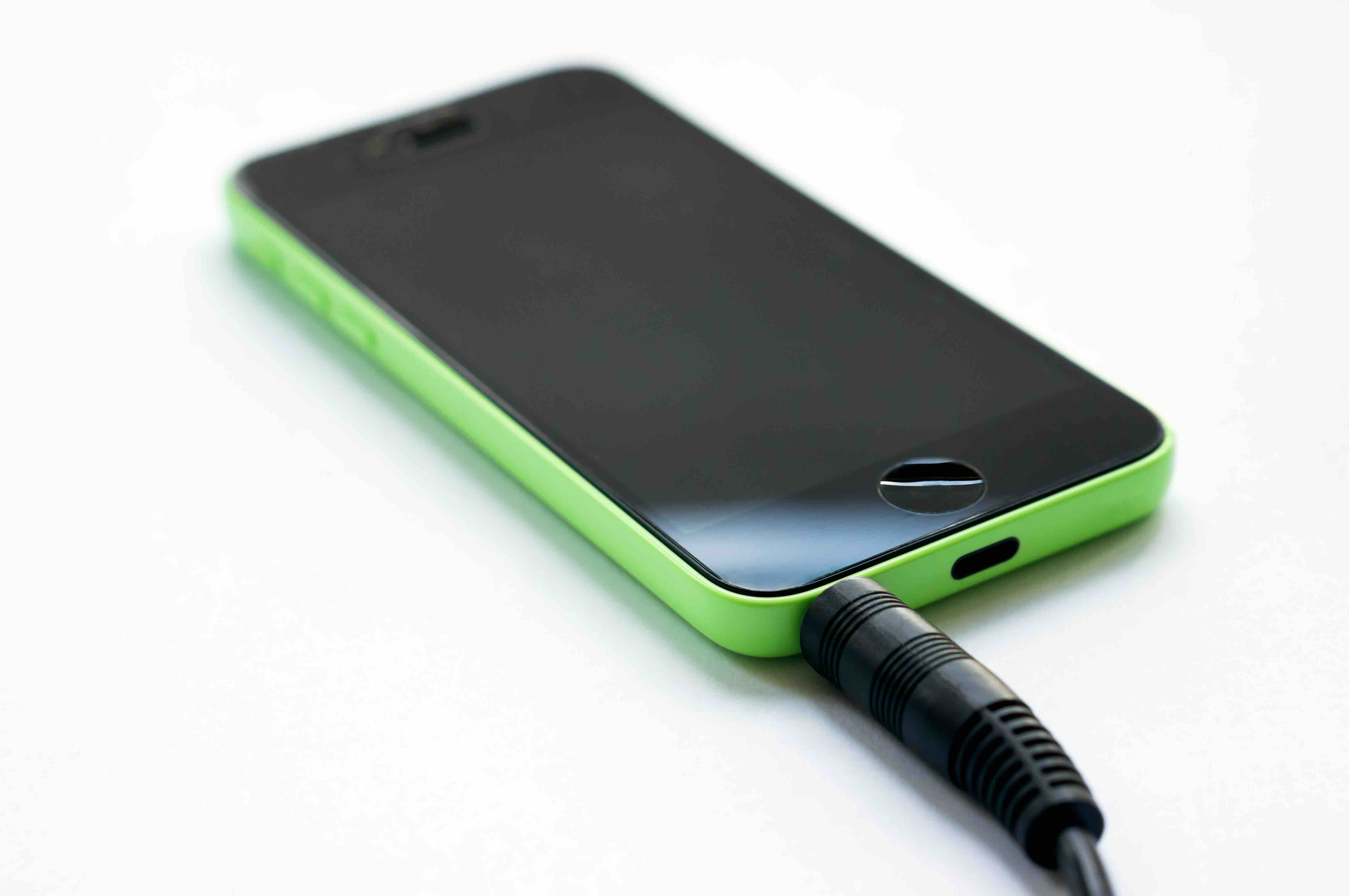
- This is the most common audio jack in consumer electronics. It appears on smartphones, laptops, tablets, gaming controllers, and countless headphones. The 3.5mm jack comes in several configurations including TS, TRS, and TRRS, which determine whether it carries mono audio, stereo audio, or stereo audio combined with a microphone channel.
6.35mm Connector (1/4 Inch)
- Standard in professional audio gear, the quarter-inch jack is what you will find on electric guitars, bass guitars, amplifiers, mixing boards, and studio monitor connections. It comes in both TS and TRS variants, supporting everything from unbalanced mono instrument signals to balanced stereo signals used in professional line-level connections.
RJ11 Connector
- Technically a modular telephone connector rather than a traditional phone jack, the RJ11 is what connects a landline telephone to a wall outlet. It uses a six-position, two-contact configuration and remains relevant in offices and facilities still running traditional POTS lines or analog phone systems.
RJ45 Connector
- While the RJ45 is primarily known as the Ethernet connector for networking, it also appears in structured cabling environments where VoIP telephony, intercom systems, and analog phone distribution are part of the same infrastructure. Knowing the distinction between RJ11 and RJ45 matters when wiring a commercial or enterprise environment.
TS vs. TRS vs. TRRS: What Do Those Letters Mean?
The letters on a phone connector refer to the number of conductive sections separated by insulating rings on the plug. TS stands for Tip and Sleeve, which means it carries a single unbalanced mono signal. This is the standard configuration for guitar cables and instrument connections. TRS adds a Ring between the Tip and Sleeve, making it capable of carrying balanced mono or unbalanced stereo signals. Balanced connections are preferred in professional audio because they reject interference over longer cable runs. TRRS adds a second Ring, which is what allows a single 3.5mm plug to handle stereo audio output plus microphone input simultaneously. This is the connector type built into most smartphone headsets and is why some headphones with a mic will not work properly unless the device supports the TRRS standard.
Key Advantages of Each Phone Jack Type
Choosing the right jack is not just about physical fit. It is about performance, compatibility, and getting the signal quality your setup actually requires.
2.5mm advantages
- Compact and lightweight, useful for legacy telecom devices, low-profile design for portable applications
3.5mm advantages
- Universal consumer compatibility, widely available, supports multiple signal configurations including mic input, affordable and easy to find adapters
6.35mm advantages
- Robust and durable for frequent plug and unplug cycles, better for professional audio environments, lower contact resistance over time, handles balanced signals effectively
RJ11 advantages
- Simple and reliable for analog telephone lines, inexpensive to terminate and install, globally standardized
RJ45 advantages
- Supports both data networking and VoIP telephony on unified cabling infrastructure, highly standardized, wide availability of compatible hardware
Common Drawbacks and Limitations to Keep in Mind
No connector is perfect for every situation. The 2.5mm jack is fragile and increasingly difficult to find adapters for, which makes it a liability in modern setups. The 3.5mm connector, while convenient, is susceptible to noise interference in unbalanced configurations, and the TRRS standard has different pin assignments in CTIA and OMTP wiring schemes, which is the reason some headsets with mics work on Android but not Apple devices or vice versa. The quarter-inch jack is bulkier and not practical for portable consumer devices. RJ11 is limited to low-bandwidth analog signals and is incompatible with standard Ethernet networking. None of these connectors are inherently bad, but using the wrong one for the wrong application will cost you audio quality, signal integrity, or compatibility.
Practical Tips for Selecting the Right Phone Jack
Before you buy a cable or adapter, confirm what connector type your device actually supports. Check whether you need a TS or TRS configuration for instrument or balanced line connections. For headsets, verify whether your target device uses CTIA or OMTP TRRS wiring. If you are working in a professional AV or recording environment, stick with 6.35mm TRS or XLR for balanced signal routing wherever possible. For structured cabling projects involving phone systems, confirm whether you are working with analog POTS lines requiring RJ11 or a VoIP system running over RJ45. Investing a few minutes in verification upfront saves hours of troubleshooting later.
How Phone Jacks Fit Into Modern AV and Networking Infrastructure
Even as USB-C, Bluetooth, and optical audio gain ground, phone jacks continue to serve critical roles in AV infrastructure, particularly in conference rooms, production studios, and commercial environments. Many mixing consoles, audio interfaces, and PA systems still rely on balanced TRS connections. In enterprise telephony, RJ11 remains present wherever analog trunks feed into PBX systems or analog telephone adapters. Understanding the role each connector plays helps integrators, IT professionals, and procurement teams specify the right components from the start rather than discovering compatibility gaps mid-installation.
When You Need Adapters and How to Choose Them Well
Adapters are a practical reality of working across multiple connector standards. A 3.5mm to 6.35mm adapter is common for connecting consumer headphones to professional amplifiers. A 6.35mm TS to TRS adapter is used to convert an unbalanced instrument signal for a balanced input on a mixing board. When selecting adapters, prioritize build quality. Poorly made adapters with thin contact plating or loose tolerances introduce resistance, signal loss, and intermittent connectivity. Gold-plated contacts provide better conductivity and corrosion resistance, which matters most in permanent or semi-permanent installations where you are not regularly swapping cables.
Why Monoprice Is the Right Source for Phone Jacks and Audio Connectivity
When you need reliable phone jacks, audio cables, adapters, or structured cabling components, sourcing from a brand that understands both the technical demands and the real-world budget constraints of the job makes a meaningful difference. Monoprice has built a well-earned reputation as a trusted resource for AV professionals, IT integrators, and everyday users who refuse to overpay for quality. The product lineup covers everything from 3.5mm TRRS headset cables to professional quarter-inch TRS patch cables, RJ11 telephone connectors, and the full range of audio adapters you need to bridge connector standards without compromising signal integrity. If you are looking for high-quality audio cables and phone jack connectors at competitive prices, Monoprice delivers performance that stands alongside much more expensive alternatives at a fraction of the cost. Whether you are speccing out a studio, outfitting a call center, or simply replacing a worn-out headset cable, the inventory, documentation, and pricing make Monoprice an easy choice for buyers who know what they need and want to get it right the first time.
Frequently Asked Questions About Phone Jacks
What is the difference between a 3.5mm and a 6.35mm phone jack?
The 3.5mm jack is the standard used in consumer electronics like smartphones, laptops, and headphones. The 6.35mm jack, also called a quarter-inch connector, is used in professional audio equipment such as guitars, amplifiers, and mixing consoles. Both come in TS and TRS variants but serve different application environments.
Can I use a 3.5mm to 6.35mm adapter without losing audio quality?
A well-made adapter with proper contact plating will not noticeably degrade audio quality in most consumer or semi-professional applications. Low-quality adapters with poor tolerances can introduce resistance or intermittent signal issues, so build quality matters when selecting one.
What does TRRS mean on a headset jack?
TRRS stands for Tip, Ring, Ring, Sleeve. It describes a four-section connector that carries both stereo audio output and a microphone input signal on a single 3.5mm plug. This is the standard used by most smartphone headsets and inline microphone cables.
Why does my headset microphone not work on my computer?
This is often caused by a CTIA versus OMTP wiring mismatch, or by the fact that your computer has separate 3.5mm ports for headphone output and microphone input rather than a single combined TRRS port. You may need a TRRS splitter adapter or a headset with the correct wiring standard for your device.
Is RJ11 the same as RJ45?
No. RJ11 is a smaller modular connector used for analog telephone lines, typically in a six-position, two-contact configuration. RJ45 is larger and uses an eight-position, eight-contact configuration designed for Ethernet networking. They are not interchangeable, though an RJ11 plug can physically fit into an RJ45 port in some cases.
What type of phone jack do professional musicians use?
Most guitar and bass players use a 6.35mm TS connector for instrument cables. Audio interfaces and mixing boards commonly use 6.35mm TRS connectors for balanced line-level connections. Some professional environments also use XLR connectors in combination with TRS for fully balanced signal chains.
Are phone jacks still used in modern office telephone systems?
Yes, RJ11 connectors remain in use wherever analog POTS lines are present. However, many modern office environments have transitioned to VoIP telephony running over RJ45 Ethernet infrastructure, which eliminates the need for dedicated telephone cabling in many cases.
What is a balanced vs. unbalanced phone jack connection?
A balanced connection uses a TRS or XLR connector to carry the audio signal across three conductors, which allows the receiving device to cancel out electrical noise picked up along the cable. An unbalanced connection uses a TS connector with only two conductors and is more susceptible to interference, particularly over longer cable runs.
How do I know if my device uses CTIA or OMTP wiring?
Most modern Android and Apple devices use the CTIA standard, where the microphone contact is on the sleeve-side ring and ground is on the sleeve. OMTP, which is an older standard found on some legacy devices, reverses these two contacts. If your headset mic is not working, checking the wiring standard is a good first diagnostic step.
Can I convert a mono phone jack signal to stereo?
A physical adapter can split a mono TS signal into both channels of a stereo TRS output, but this does not create true stereo audio. It simply duplicates the mono signal across both left and right channels. For actual stereo content, you need a source device and cable that natively supports stereo signal transmission.