

NEMA 1-15 Plug Guide: Safe Use, Legacy Design, Smart Fit
What Is the NEMA 1-15 Plug and Why Does It Still Matter?
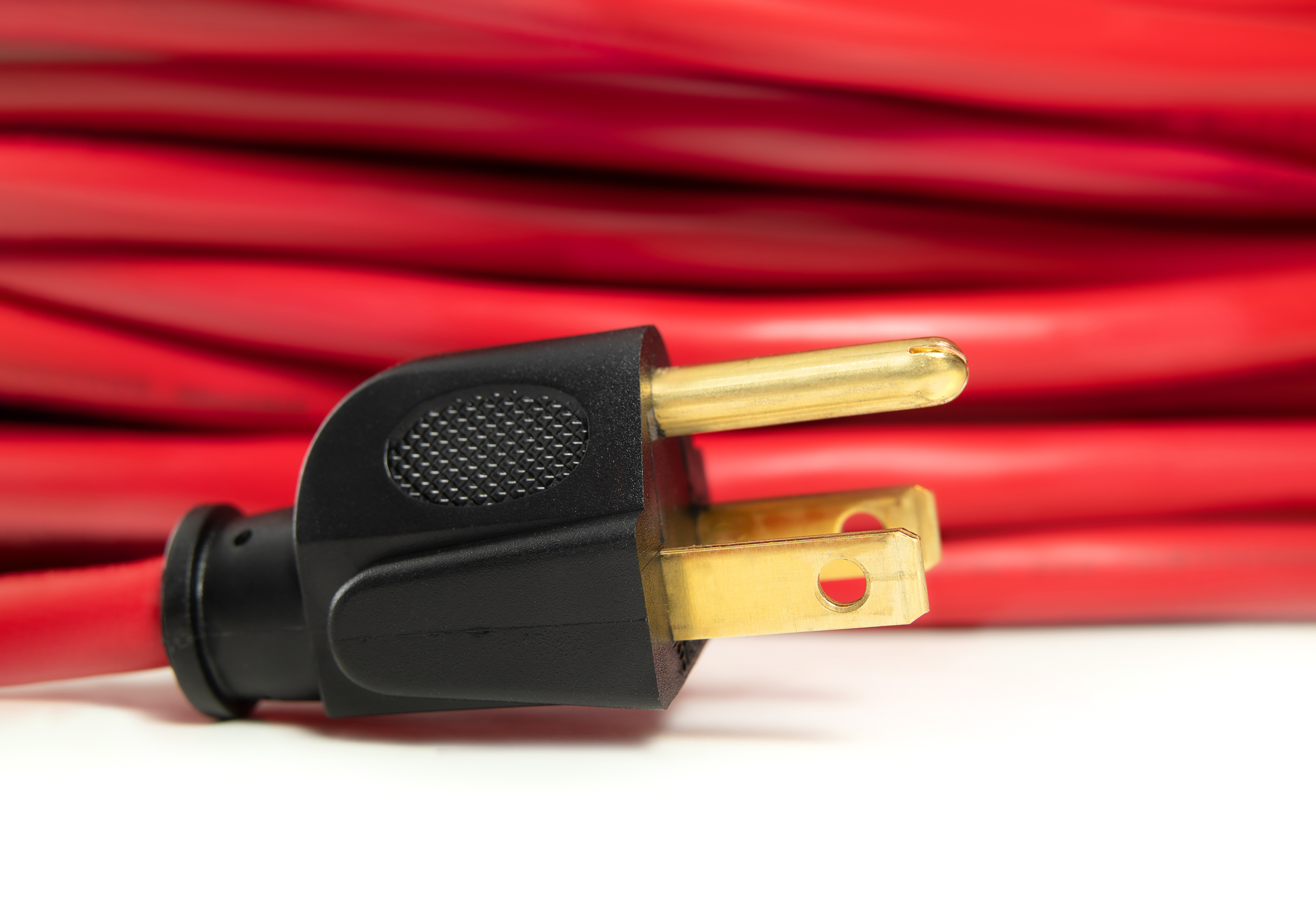
The NEMA 1-15 plug is one of the oldest standardized electrical connectors still in active use across North America. Defined by the National Electrical Manufacturers Association, the 1-15 designation refers to a two-prong, ungrounded plug rated for 15 amperes at 125 volts. You have almost certainly seen it before, probably on a lamp, a phone charger, a clock radio, or some older piece of consumer electronics sitting in a drawer somewhere. It has two flat parallel blades and no third grounding pin, which is the most immediate visual distinction between it and the more modern NEMA 5-15 plug. The design dates back to an era when grounding was not yet a standard requirement in residential wiring codes. That context matters a lot when you are trying to understand where this plug still fits and where it simply should not be used.
How the NEMA 1-15 Plug Works
Understanding the basic electrical behavior of this plug helps clarify both its utility and its limitations. The NEMA 1-15 connects a device to a two-slot, ungrounded wall outlet by completing a simple alternating current circuit through its two blades, one carrying the hot line and one the neutral. There is no ground path, meaning any fault current that develops in the connected device has nowhere safe to dissipate. In a properly functioning device with intact insulation and low-risk internal components, this is generally acceptable. For a bedside lamp or a clock, the risk profile is manageable. The problem arises when devices draw more power, generate more heat, or operate in environments where moisture or physical damage is a realistic possibility. The absence of a grounding conductor is not a design flaw exactly, it reflects the engineering assumptions of a different time, when most household loads were far simpler and lower-wattage than what we run today.
Where You Still Find NEMA 1-15 Plugs in Use
Despite being considered a legacy standard, NEMA 1-15 plugs are still manufactured and used across a surprisingly wide range of product categories. If you have older construction in your home with two-slot ungrounded outlets, you already know the outlets themselves are still common in pre-1960s residential buildings that have not been rewired. Current product applications tend to include low-wattage consumer electronics, decorative lighting, battery chargers for small devices, and certain audio accessories designed to minimize ground loop interference. Some audiophiles actually prefer ungrounded connections for specific analog equipment because the absence of a ground path can reduce hum in signal-sensitive setups. That is a real use case, though it should be approached carefully and only by people who understand the tradeoffs involved.
Key Advantages of the NEMA 1-15 Design
There are legitimate reasons this plug has persisted for as long as it has, and dismissing it entirely would be missing part of the picture. For the right application, a NEMA 1-15 plug offers several practical advantages worth acknowledging.
Compact form factor with no protruding ground pin, useful for tight spaces Compatible with a large installed base of older two-slot outlets still found in older buildings Lower manufacturing cost compared to three-prong alternatives Sufficient for double-insulated devices where a ground path is not required by code Polarized versions provide added safety by orienting hot and neutral correctlyCommon Drawbacks and Safety Considerations
This is where the conversation gets serious, and it deserves a direct treatment. The biggest limitation of the NEMA 1-15 is the absence of a grounding conductor, which is a meaningful safety gap in most modern electrical contexts. Grounding exists to provide a controlled path for fault current, protecting both the user and the equipment. Without it, a wiring fault inside a connected device can energize the chassis or casing, creating a genuine shock hazard. Modern electrical codes in the United States, specifically the National Electrical Code, require grounded outlets in nearly all new residential and commercial installations. NEMA 1-15 outlets are no longer permitted in new construction. Older ungrounded outlets in existing homes are grandfathered in but are strongly recommended for replacement. Using high-draw appliances, power tools, or any device not rated for ungrounded use on a NEMA 1-15 outlet creates elevated risk and, depending on jurisdiction, may void warranties or insurance coverage.
Smart Fit Tips for Using NEMA 1-15 Plugs Safely
If you are working with existing NEMA 1-15 infrastructure, there are practical steps you can take to improve safety without a full rewiring project. These tips are relevant for homeowners, renters dealing with older buildings, or anyone managing legacy equipment in a mixed-standard environment.
Only connect devices explicitly rated for ungrounded, two-prong use Never use an adapter to force a three-prong plug into a two-slot outlet without proper grounding verification Consider GFCI outlet replacements, which are code-compliant in ungrounded circuits and add meaningful protection Inspect cords and plugs regularly for physical damage, especially on older equipment Avoid extension cords or power strips on circuits already operating near capacity Consult a licensed electrician before making any permanent changes to outlet configurationsNEMA 1-15 vs. NEMA 5-15: Knowing the Difference
The comparison between NEMA 1-15 and NEMA 5-15 is probably the most useful reference point for most readers. The 5-15 is the standard three-prong grounded plug found on virtually all modern consumer electronics, appliances, and power accessories. It adds a round grounding pin below the two flat blades, connecting the device chassis to the building's grounding electrode system. Most modern power strips, surge protectors, and UPS units are built around the 5-15 standard for exactly this reason. If you are sourcing power accessories for a home office, AV setup, or any kind of structured electronics environment, the 5-15 is the baseline. The 1-15 should be treated as a specialized case, appropriate only for specific legacy or low-risk applications, not as a general-purpose solution in modern installations.
When to Replace or Upgrade Your Outlets and Plugs
The practical question for most homeowners is not whether NEMA 1-15 is technically functional, but whether it is the right fit for their current setup. If your home has ungrounded two-slot outlets and you are regularly using adapters or running modern electronics off them, it is time to have a real conversation about upgrading. A licensed electrician can evaluate whether your existing wiring supports grounded outlet replacement, or whether GFCI protection is the more viable path. Either way, the goal is a power infrastructure that matches the demands of your actual devices. Older homes especially benefit from this kind of systematic audit. It is not just about compliance; it is about protecting equipment that may be worth significantly more than the cost of the upgrade itself.
Why Monoprice Is the Right Partner for Your Power and Connectivity Needs
Whether you are managing legacy infrastructure, building out a new home office, or sourcing reliable power solutions for a professional AV environment, having a trusted supplier matters. Monoprice has built a well-earned reputation for delivering high-performance electrical and connectivity products at pricing that makes sense for both individual consumers and procurement teams. From power strips and surge protectors to cables, adapters, and smart power management solutions, the catalog is designed around real-world use cases and tested to the standards that professionals expect. If you are navigating decisions around plug compatibility, outlet upgrades, or power distribution for any kind of installation, exploring the full range of reliable power strips, surge protectors, and electrical accessories at Monoprice is a practical starting point. The combination of product depth, transparent specs, and competitive value makes Monoprice a resource worth knowing for anyone serious about how their devices are powered.
Frequently Asked Questions About the NEMA 1-15 Plug
What does NEMA 1-15 mean?
NEMA 1-15 is a standardized designation from the National Electrical Manufacturers Association identifying a two-prong, ungrounded plug rated for 15 amperes at 125 volts. It has two flat parallel blades and no grounding pin.
Is a NEMA 1-15 plug safe to use?
It is safe for devices explicitly rated for ungrounded use, such as double-insulated electronics and low-wattage appliances. It is not appropriate for high-draw devices, power tools, or equipment requiring a grounded connection for safe operation.
Can I plug a NEMA 1-15 device into a modern three-slot outlet?
Yes. A two-prong NEMA 1-15 plug fits into the hot and neutral slots of a standard three-prong NEMA 5-15 outlet without issue. The device simply will not use the grounding slot.
Are NEMA 1-15 outlets still legal?
Existing NEMA 1-15 outlets in older homes are grandfathered under current electrical codes. However, new construction is required to use grounded outlets. Replacement of ungrounded outlets is strongly recommended for safety.
What is the difference between a polarized and non-polarized NEMA 1-15 plug?
A polarized NEMA 1-15 plug has one blade slightly wider than the other, ensuring correct hot and neutral orientation. A non-polarized version has blades of equal width and can be inserted either way.
Can I replace a NEMA 1-15 outlet with a grounded NEMA 5-15 outlet?
You can if your existing wiring includes a grounding conductor. If it does not, a GFCI outlet is a code-compliant alternative that provides shock protection without requiring a ground wire.
Why do some audio devices still use NEMA 1-15 plugs?
Some audiophiles and equipment manufacturers use ungrounded connections deliberately to eliminate ground loops, which can introduce hum or noise in sensitive analog audio signal chains. This is a specific application requiring informed use.
What devices typically come with a NEMA 1-15 plug?
Common examples include table lamps, alarm clocks, older phone chargers, small radios, and certain low-wattage electronic accessories. These are typically low-risk, double-insulated, and designed to operate safely without a grounding connection.
What should I do if my home only has two-slot NEMA 1-15 outlets?
Contact a licensed electrician to assess your wiring. Options include full outlet replacement if grounding conductors are present, GFCI outlet installation as a code-approved alternative, or a combination of both depending on circuit conditions.
Is a NEMA 1-15 plug the same in the US and Canada?
Yes. The NEMA 1-15 standard applies across both the United States and Canada, as both countries follow NEMA electrical standards for plug and outlet configurations in residential and light commercial applications.


