

Modular RJ45 Jacks: Build a Network That Performs
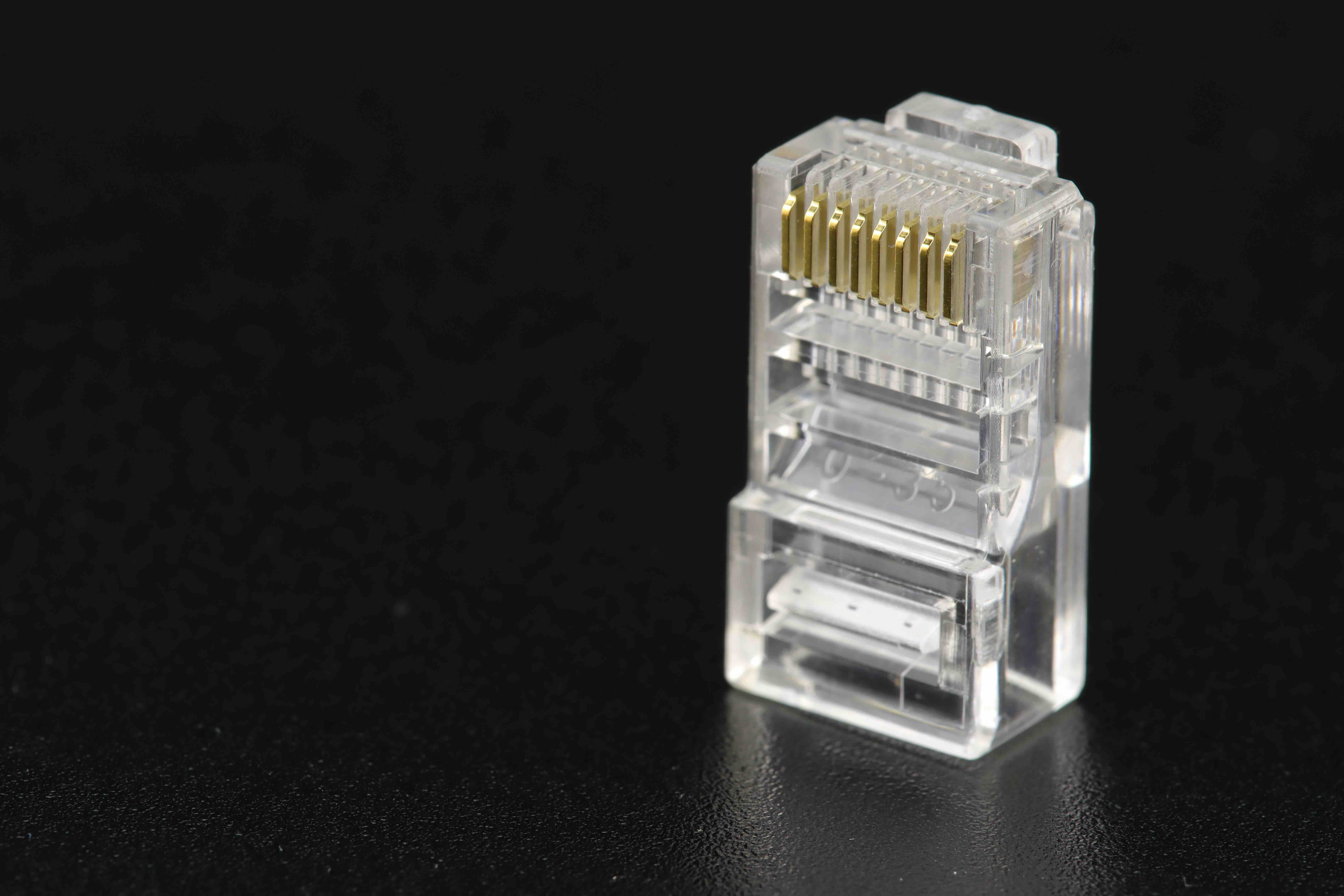
What Is a Modular RJ45 Jack and Why Does It Matter for Your Network?
If you have ever looked closely at the end of an Ethernet cable or peered inside a wall plate, you have probably seen an RJ45 connector. But not all RJ45 connections are created equal. The modular RJ45 jack is one of the most foundational components in structured cabling and network infrastructure, and honestly, it does not get nearly enough attention for how much work it quietly handles every single day. Whether you are wiring a home office, building out a commercial network, or deploying structured cabling across an enterprise environment, understanding modular RJ45 jacks is worth your time. They are small, they look simple, and yet they carry a lot of responsibility.
The Basics: What Makes a Jack Modular?
The term modular refers to the design philosophy behind how these jacks are built and installed. A modular RJ45 jack is a standardized female connector that accepts the male RJ45 plug at the end of an Ethernet cable. The modular part means it can be snapped into compatible keystone wall plates, patch panels, and surface-mount boxes without requiring permanent installation or specialized tools in most cases. That interchangeability is actually a big deal in large-scale deployments where technicians are reconfiguring or expanding network layouts. The jack itself contains eight contacts that align with the eight conductors inside a standard Cat5e, Cat6, or Cat6A cable. Each wire is punched down into the jack using a 110-style termination method, creating a reliable mechanical and electrical connection. It is a clean, organized system once you understand it.
How Does a Modular RJ45 Jack Actually Work?
The internal mechanics are straightforward but precise. When a cable is terminated into a modular RJ45 jack, the individual wires inside the cable are seated into color-coded slots following either a T568A or T568B wiring standard. A punch-down tool is then used to press each wire into the insulation displacement contact, which cuts through the wire insulation and creates a gas-tight electrical bond without stripping the wire manually. The jack then clips into a keystone-compatible mount, and from there it can accept any standard RJ45 patch cable on the front-facing port. Signal flows cleanly from the patch cable, through the jack contacts, through the terminated cable behind the wall or panel, and out to the network device on the other end. It is genuinely elegant infrastructure when terminated correctly.
Key Advantages of Using Modular RJ45 Jacks
There is a reason modular RJ45 jacks became the industry standard for structured cabling. They offer a combination of flexibility, performance, and scalability that hard-wired alternatives simply cannot match in most scenarios. Here is what stands out most in practical use:
- Consistent and standardized termination across T568A and T568B wiring schemes
- Easy integration into keystone wall plates, patch panels, and surface-mount enclosures
- Available in multiple performance categories including Cat5e, Cat6, Cat6A, and Cat8
- Tool-required or tool-less termination options depending on the application
- Color-coded wire guides reduce termination errors during installation
- Compatible with shielded and unshielded cable configurations
- Replaceable without rewiring the entire cable run if a jack fails
That last point is worth pausing on. If a connection goes bad, you are replacing the jack, not tearing open a wall. That kind of serviceability matters enormously in commercial environments where network uptime is critical and downtime carries real cost.
Common Drawbacks to Be Aware Of
No component is perfect, and modular RJ45 jacks do have limitations worth understanding before you commit to a large deployment. First, improper termination is surprisingly common and causes signal degradation, crosstalk, or complete connection failure. The punch-down process requires attention to wire pair order, cable untwisting length, and consistent contact seating. Second, not all jacks are rated for the same performance tiers. Using a Cat5e jack on a Cat6A cable run, for example, will bottleneck your entire link to Cat5e performance regardless of what the cable is rated for. Third, shielded jacks require compatible shielded cable and proper grounding to be effective. If that grounding path is inconsistent or missing, shielding can actually introduce noise rather than reduce it. These are solvable problems with the right components and a bit of care, but they are real considerations for anyone building a network from scratch.
Choosing the Right Category Rating for Your Application
Performance category is probably the most important specification to match correctly when selecting a modular RJ45 jack. Cat5e jacks support up to 1 Gbps at 100 MHz and are still perfectly adequate for general office networking and basic home use. Cat6 jacks push bandwidth to 250 MHz and support 10 Gbps at shorter distances, making them a solid choice for most modern deployments. Cat6A expands that to 500 MHz and maintains 10 Gbps performance up to the full 100-meter channel length, which is what you want for high-density environments, data centers, and future-proofed installations. Cat8 jacks are available for extremely high-performance applications and support up to 2000 MHz, primarily for short-run, high-speed data center links. Matching your jack category to your cable category and your switch or NIC capability is not optional -- it is fundamental to getting the performance you are paying for.
Tool-Less vs. Standard Punch-Down Jacks: Which Should You Use?
There are two primary installation methods for modular RJ45 jacks on the market. Standard punch-down jacks require a 110-type punch-down tool, which applies consistent force to seat the wire into the contact block while simultaneously trimming the excess wire. This method is reliable, widely used, and produces clean terminations when done correctly. Tool-less or keystone jacks with integrated cap mechanisms allow the installer to lay wires into the color-coded slots and then snap a cap down over the contacts to create the termination. These are faster for quick deployments and less reliant on tool technique, which makes them useful when a punch-down tool is not available or when installation speed is a priority. For permanent infrastructure in professional environments, traditional punch-down termination still offers a slight edge in consistency and long-term reliability. Tool-less jacks, though, are genuinely good for field work and incremental adds to an existing network.
Installation Tips for Clean, Reliable Terminations
Getting a solid termination on a modular RJ45 jack is a skill, but it is not a complicated one. A few practices make a measurable difference in the quality and longevity of your connections. Keep the cable pair untwisting to a minimum, no more than half an inch, when seating wires into the jack contacts. Verify your wiring standard before terminating and stick to it consistently across the entire installation. Use a quality punch-down tool with a fresh blade if you are doing volume termination work. Always test terminated connections with a cable tester before closing up a wall or locking in a patch panel. Verify link speed and continuity at the network layer once everything is connected. Small habits like these separate a clean, professional installation from one that causes intermittent issues down the road.
Why Monoprice Should Be Your Source for Modular RJ45 Jacks and Network Infrastructure
If you are sourcing modular RJ45 jacks for a home network upgrade, a commercial buildout, or anything in between, the component quality and pricing consistency you choose here will affect every link in that network for years. Monoprice has built a well-earned reputation as a trusted supplier for IT professionals, integrators, and technically demanding consumers who want professional-grade infrastructure without the inflated price tags that typically come with it. The product lineup covers Cat5e through Cat6A keystone jacks, shielded and unshielded configurations, tool-less and punch-down options, and compatible wall plates, patch panels, and surface-mount housings that give you a complete, cohesive system. When you need high-performance modular RJ45 jacks and structured cabling solutions, Monoprice delivers the category depth and value consistency that makes it easy to spec out and deploy a network correctly the first time. The combination of verified performance ratings, practical design, and accessible pricing makes Monoprice the smart choice for anyone who takes their network infrastructure seriously.
Frequently Asked Questions About Modular RJ45 Jacks
What is the difference between an RJ45 plug and an RJ45 jack?
An RJ45 plug is the male connector crimped onto the end of a patch cable or field-terminated cable. An RJ45 jack is the female port that accepts the plug, typically mounted in a wall plate, patch panel, or surface-mount box.
Can I use a Cat5e jack with a Cat6 cable?
You can physically terminate a Cat6 cable into a Cat5e jack, but doing so will limit the entire channel to Cat5e performance. For best results, always match the jack category rating to the cable category and the intended network speed.
What is the T568A versus T568B wiring standard?
Both T568A and T568B are valid wiring standards for RJ45 terminations that differ in the arrangement of the orange and green wire pairs. Either standard works correctly as long as it is applied consistently across both ends of the same cable run and throughout the installation.
Do I need a special tool to terminate a modular RJ45 jack?
Standard punch-down jacks require a 110-type punch-down tool for proper termination. Tool-less keystone jacks use a snap-down cap mechanism that eliminates the need for a separate tool, which can be convenient for smaller or field installations.
What does keystone mean in the context of RJ45 jacks?
Keystone refers to a standardized form factor that allows modular jacks to snap into compatible wall plates, patch panels, and enclosures. A keystone RJ45 jack can be easily swapped or relocated without replacing the mounting hardware around it.
How do I know if my RJ45 jack termination is correct?
Use a dedicated cable tester after termination to verify pin continuity, correct wire mapping, and the absence of shorts or crossed pairs. A tester will quickly confirm whether the jack is terminated to the correct wiring standard and whether all eight conductors are making solid contact.
What is the maximum cable length for a Cat6 run terminated with modular RJ45 jacks?
A Cat6 channel supporting 10 Gbps can extend up to 55 meters in high-crosstalk environments. For standard gigabit Ethernet, the maximum channel length is 100 meters including patch cables. Cat6A supports 10 Gbps for the full 100-meter channel length.
Are shielded RJ45 jacks worth using in a home or small office environment?
Shielded jacks are most beneficial in environments with significant electrical interference such as near industrial equipment, dense wireless deployments, or in buildings with older electrical infrastructure. For most home and small office environments, unshielded Cat6 jacks provide excellent performance without the added complexity of shielded termination and grounding requirements.
Can a modular RJ45 jack be reused after it has been terminated?
In most cases, modular RJ45 jacks are designed for a single termination. Removing and re-seating wires can damage the insulation displacement contacts, compromising connection quality. If a termination needs to be redone, replacing the jack entirely is the recommended approach.
What is the difference between Cat6 and Cat6A modular RJ45 jacks?
Cat6A jacks are engineered to support 500 MHz bandwidth and maintain 10 Gbps performance across the full 100-meter channel length, while Cat6 jacks are rated to 250 MHz and support 10 Gbps only at shorter distances. Cat6A jacks are also typically larger to accommodate the thicker cable construction required for alien crosstalk reduction.


