

Is Cat 6 Ethernet Cable Good? Yes, Here Is Why
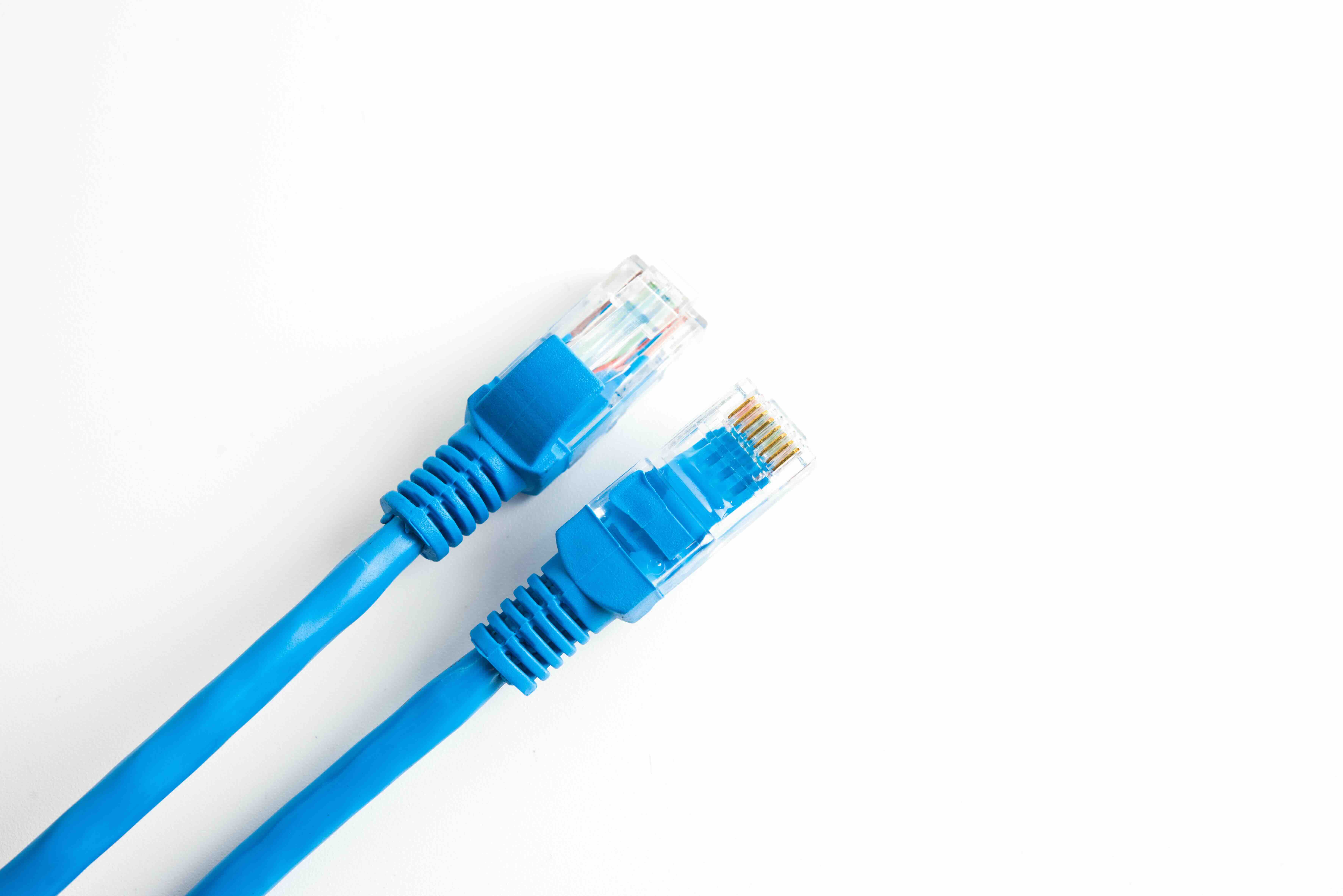
Is Cat 6 Ethernet Cable Good? Everything You Need to Know
If you have found yourself staring at a wall of ethernet cable options wondering which one actually matters for your setup, you are not alone. Cat 6 comes up constantly in networking conversations, and for good reason. It sits at a sweet spot between affordability and performance that makes it relevant for home users, small businesses, and enterprise environments alike. But is a Cat 6 ethernet cable good enough for what you need? Short answer: yes, in most cases, absolutely. Long answer is what this article is about.
What Is Cat 6 Ethernet Cable and How Does It Work
Cat 6 stands for Category 6, which is a standardized twisted pair cable specification for ethernet networks. It was developed to improve upon Cat 5e by supporting higher data transfer speeds and reducing interference between wire pairs, something called crosstalk. Inside the cable jacket, you will find four twisted pairs of copper wire. Cat 6 cables often include a longitudinal separator, sometimes called a spline, that physically divides those pairs from each other. That separation is what gives Cat 6 its edge in signal clarity over older cable categories. The cable operates at frequencies up to 250 MHz and supports speeds up to 10 Gbps under the right conditions. In most real-world deployments, you are looking at Gigabit speeds of 1 Gbps over runs up to 100 meters, which is the practical sweet spot for this standard.
Cat 6 vs Cat 5e vs Cat 6A: Understanding the Differences
This is where people tend to get tripped up, and honestly it is worth slowing down here. Cat 5e is the predecessor, still widely used, still capable of Gigabit speeds, but with less headroom for interference management. Cat 6 improves on that with tighter winding specs and that internal spline we mentioned. Then there is Cat 6A, the augmented version of Cat 6, which doubles the frequency ceiling to 500 MHz and reliably supports 10 Gbps speeds over the full 100-meter distance. Cat 6 can hit 10 Gbps too, but only up to 55 meters. So if your runs are short and your budget is conscious, Cat 6 is a strong choice. If you are wiring a larger facility with long cable runs and future bandwidth demands, Cat 6A is worth the step up.
Key Advantages of Cat 6 Ethernet Cable
There are several reasons Cat 6 remains one of the most deployed ethernet standards in the industry today. It is not just hype. The performance profile is genuinely useful across a wide range of applications.
- Supports Gigabit speeds up to 100 meters, making it practical for most wiring projects
- Reduced crosstalk and electromagnetic interference compared to Cat 5e
- Backward compatible with older Cat 5 and Cat 5e equipment
- Widely available and cost-effective relative to Cat 6A or Cat 7
- Works with all standard RJ45 connectors and patch panels
- Suitable for PoE (Power over Ethernet) applications including IP cameras and VoIP phones
That backward compatibility point is worth pausing on. You do not have to rip out older infrastructure to start using Cat 6. It plugs right into existing switches, routers, and wall jacks designed for Cat 5e. That makes it a practical upgrade path, not a forced overhaul.
Common Drawbacks of Cat 6 Ethernet Cable
Nothing is perfect, and Cat 6 has its limitations. The cable is slightly thicker and less flexible than Cat 5e, which can make it more difficult to terminate in tight junction boxes or run through conduit with many cables bundled together. The internal spline also adds a small amount of complexity when you are field-terminating connectors, so a little more care is needed during installation. The 10 Gbps speed limitation at 55 meters is worth keeping in mind for larger deployments. And while Cat 6 is more affordable than Cat 6A, it is still a bit more expensive than Cat 5e, though that price gap has narrowed considerably. For most users, these are manageable tradeoffs rather than dealbreakers.
Is Cat 6 Ethernet Cable Good for Gaming and Streaming
Yes, and here is why that question matters. For gaming and high-definition streaming, network latency and stability are the priorities, not just raw throughput. A wired Cat 6 connection eliminates the variability that comes with Wi-Fi interference, giving you consistent ping times and reliable bandwidth for activities that demand it. Whether you are gaming competitively, running 4K video streams to multiple devices, or doing both simultaneously, Cat 6 can handle it comfortably within a home environment. The Gigabit ceiling is more than enough for current consumer internet speeds, and the reduced crosstalk keeps signal integrity solid even in electrically noisy environments like apartments or commercial buildings.
Cat 6 in Business and Enterprise Environments
In professional settings, Cat 6 ethernet cable has been the go-to choice for horizontal cabling in office buildings, retail locations, and small data centers for well over a decade. It supports the bandwidth demands of modern IP surveillance systems, cloud-based applications, VoIP infrastructure, and wireless access point backhaul. For organizations running Gigabit networks today with potential 10 Gbps upgrades in the near future, Cat 6 provides a reasonable baseline, especially when cable runs stay under 55 meters. IT professionals and network integrators often specify Cat 6 when balancing budget constraints against performance requirements, and the cable's compatibility with PoE standards makes it versatile for device-dense deployments.
Shielded vs Unshielded Cat 6: Which One Do You Need
Cat 6 comes in two main variants: UTP (Unshielded Twisted Pair) and STP or FTP (Shielded Twisted Pair or Foiled Twisted Pair). Unshielded is the most common version, works well in typical office or home environments, and is easier to install. Shielded Cat 6 adds a metallic barrier around the cable pairs to protect against external electromagnetic interference, which becomes important in industrial environments, near high-voltage equipment, or in any location with significant electrical noise. Shielded cables require proper grounding at both ends to be effective, otherwise the shield can actually act as an antenna and worsen interference. If you are installing in a clean office or home network, unshielded Cat 6 is almost certainly what you need. If your environment is electrically demanding, shielded is the smarter call.
Practical Tips for Installing Cat 6 Ethernet Cable
Getting the most out of Cat 6 means installing it correctly. A few things to keep in mind before you start pulling cable through walls or racking patch panels.
- Avoid exceeding the 100-meter maximum run length, including patch cable segments at each end
- Do not untwist wire pairs more than half an inch when terminating connectors or keystone jacks
- Keep cable away from power lines and fluorescent lighting to minimize interference
- Use the correct Cat 6 rated connectors, patch panels, and keystone jacks throughout the system
- Avoid sharp bends and kinks, as these degrade signal quality and cable longevity
- Test all runs after installation with a cable tester to verify continuity and performance
These are not optional best practices. Sloppy terminations and poor routing choices are the most common reasons a Cat 6 installation underperforms relative to its rated specifications.
Why Monoprice Is the Smarter Source for Cat 6 Ethernet Cable
When it comes to sourcing reliable, high-performance networking infrastructure without inflating your budget, Monoprice is a name that consistently delivers. For years, integrators, IT professionals, and everyday users have trusted Monoprice for cables, connectors, and networking accessories that meet professional standards at prices that actually make sense. The Cat 6 ethernet cable lineup from Monoprice covers everything from short patch cables to bulk spools built for structured cabling projects, all manufactured to specification and ready to perform. If you are building out a home network, upgrading a small business office, or sourcing materials for a larger installation, you can find the right solution at Monoprice Cat 6 ethernet cables and professional networking solutions without hunting through multiple vendors or second-guessing quality. That combination of performance, selection, and value is exactly what makes Monoprice a trusted partner for networking builds of every scale.
Frequently Asked Questions About Cat 6 Ethernet Cable
Is Cat 6 ethernet cable good for a home network?
Yes. Cat 6 supports Gigabit speeds up to 100 meters and handles all current home networking demands including streaming, gaming, smart home devices, and remote work applications without issue.
What is the maximum speed of a Cat 6 ethernet cable?
Cat 6 supports up to 10 Gbps at distances up to 55 meters and 1 Gbps at the full 100-meter distance. For most home and office runs, Gigabit performance is the practical expectation.
Is Cat 6 better than Cat 5e?
Yes. Cat 6 offers improved crosstalk reduction, higher frequency support at 250 MHz versus 100 MHz, and better signal integrity overall. Both support Gigabit speeds, but Cat 6 has more headroom and future-proofing.
Does Cat 6 need to be grounded?
Unshielded Cat 6 does not require grounding. Shielded Cat 6 must be properly grounded at both ends of the cable run to function correctly and prevent the shield from amplifying interference instead of blocking it.
Can I use Cat 6 with my existing Cat 5e router or switch?
Yes. Cat 6 is fully backward compatible with Cat 5e and Cat 5 equipment. It uses the same RJ45 connector and will work with any existing networking hardware designed for those earlier standards.
How is Cat 6 different from Cat 6A?
Cat 6A supports 10 Gbps over the full 100-meter distance and operates at 500 MHz, double the frequency of Cat 6. It is physically larger and more expensive but provides greater headroom for future bandwidth demands.
Is shielded Cat 6 worth it for a home installation?
In most home environments, unshielded Cat 6 is sufficient. Shielded Cat 6 is better suited for industrial settings, environments near heavy electrical equipment, or locations with known electromagnetic interference problems.
What is the maximum recommended length for a Cat 6 cable run?
The standard maximum length is 100 meters, which includes the horizontal cable run plus patch cables at each end. Exceeding this length can result in signal degradation and reduced performance.
Can Cat 6 support Power over Ethernet?
Yes. Cat 6 is compatible with PoE and PoE+ standards, making it suitable for powering IP cameras, wireless access points, VoIP phones, and other PoE-enabled devices through the ethernet cable itself.
Is Cat 6 future-proof enough for a new installation?
Cat 6 is a solid choice for most current deployments. For installations where 10 Gbps performance over long runs is a near-term requirement, Cat 6A offers more longevity. For typical home and small business setups, Cat 6 remains a highly relevant and cost-effective standard.


