

Is Cat 5 Cable Shielded? Grounding Facts Explained
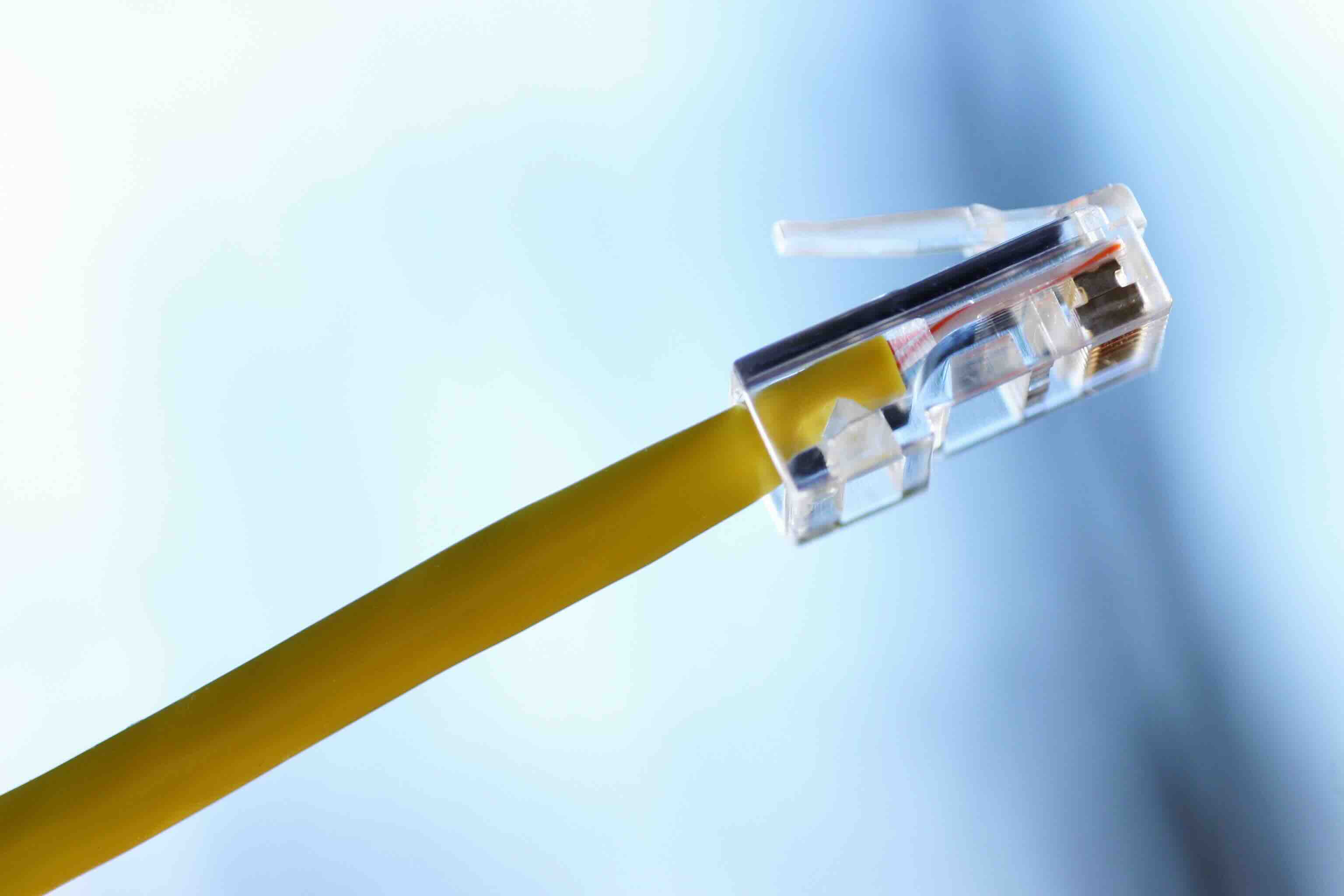
Is Cat 5 Shielded and Grounded? What You Actually Need to Know
So you've got a networking project on your hands and somewhere along the way someone mentioned shielding, grounding, and Cat 5 cable in the same sentence. Fair enough. It's one of those questions that sounds simple but actually pulls you into a pretty layered conversation about cable construction, signal integrity, and whether your installation environment even requires that level of protection. Let's break it down from the ground up, because honestly there's a lot of conflicting information out there and it's worth getting this right before you start pulling cable through walls.
Understanding Cat 5 Cable: The Basics First
Cat 5, short for Category 5, is a twisted pair Ethernet cable standard that was widely used throughout the 1990s and early 2000s. It supports data transfer speeds up to 100 Mbps at 100 MHz and was essentially the backbone of early office and home networking. Today, most installations have moved to Cat 5e, Cat 6, or Cat 6A, but Cat 5 still shows up in legacy systems. The fundamental construction is four pairs of twisted copper conductors, and that twisting is actually doing a lot of the signal protection work on its own. The twist rate per pair is specifically engineered to reduce electromagnetic interference, which is called EMI, through a mechanism known as differential signaling. So even before you ask whether it's shielded, understand that the cable is doing meaningful noise rejection work simply by existing as twisted pair.
What Does Shielded Actually Mean in Ethernet Cable?
Shielding in network cable refers to a conductive layer, typically foil or braided metal, that wraps around the internal conductors to block or reduce external electromagnetic interference. There are a few different configurations worth knowing. STP stands for Shielded Twisted Pair, where each individual pair has its own foil shield. FTP or F/UTP refers to foil-shielded overall with unshielded pairs inside. SFTP uses both overall braided shielding and individual pair shielding. UTP, or Unshielded Twisted Pair, has no shielding at all. Standard Cat 5 cable, in most of its common commercial forms, is UTP. That means it has no foil or braid shielding whatsoever. There were shielded variants of Cat 5, sometimes labeled as ScTP or Cat 5 STP, but they were far less common in typical deployments and are rarely encountered in standard structured cabling environments.
Is Standard Cat 5 Shielded? The Direct Answer
In almost every practical context, no. Standard Cat 5 cable is not shielded. The version most people installed in homes, small offices, and enterprise environments was UTP Cat 5, relying entirely on the twisted pair geometry for interference rejection. It was cost-effective, easy to terminate, and performed well in environments with moderate interference levels. The absence of shielding made it lighter, more flexible, and significantly easier to work with. For the majority of Cat 5 deployments, UTP was more than sufficient. Now if you're working with legacy infrastructure and you're genuinely unsure what's in the walls, pull a section and look. Shielded cable will have a visible foil or braid layer underneath the outer jacket, and the connectors will typically feature a metal housing rather than standard plastic.
Grounding Shielded Cable: Why It Matters and How It Works
Here's where things get interesting, and also where mistakes happen more than they probably should. If you do have shielded cable, grounding it correctly is absolutely critical. A shielded cable that is improperly grounded can actually perform worse than unshielded cable because the shield itself can act as an antenna, picking up interference and injecting it directly into the signal path. The shield must be grounded at one end only in most standard deployments to prevent ground loops, which are a common source of noise and equipment damage. In some configurations, particularly with certain industrial and data center standards, both ends are grounded, but this requires bonding both ends to the same reference ground to avoid potential difference issues. The grounding connection is typically made through the RJ45 plug's metal shell contacting a grounded patch panel or shielded keystone jack. This is not something to guess at. If you're installing shielded cable, the entire channel from plug to patch panel needs to maintain a continuous, properly bonded shield.
When Should You Actually Use Shielded Cat Cable?
This is a practical question, and the answer depends almost entirely on your environment. Shielded cable is genuinely worth the additional cost and installation complexity in specific scenarios. Consider the following situations where shielded cable provides real, measurable benefit:
- Industrial or manufacturing environments with heavy electrical machinery
- Installations near large HVAC systems or motor-driven equipment
- Cable runs adjacent to high-voltage power lines or fluorescent lighting ballasts
- Medical facilities with sensitive electronic equipment
- Data centers with dense server and power infrastructure
- Outdoor or exposed cable runs subject to electromagnetic exposure
For standard office environments, home networks, and typical commercial installations, UTP Cat 5e or Cat 6 cable delivers reliable performance without the overhead of shielded infrastructure. The key word there is environment. The cable choice should always reflect the actual interference conditions of the installation site.
Cat 5 vs. Cat 5e vs. Cat 6: Does Shielding Availability Differ?
Yes, and it matters for planning purposes. Cat 5e, which largely replaced Cat 5, is available in both UTP and shielded variants and supports Gigabit Ethernet. Cat 6 and Cat 6A are where shielded options become much more standardized and widely available, particularly Cat 6A which is specifically designed for 10-Gigabit applications over longer runs. For new installations, it rarely makes sense to reach for Cat 5 at this point. Cat 6 UTP handles the vast majority of modern networking needs, and Cat 6A STP is the smart call for high-density or high-interference environments. If a project spec is still calling for Cat 5, that's worth questioning unless you're extending or matching an existing legacy system where consistency is the priority.
Common Mistakes People Make with Shielded Cable
Even experienced installers run into problems with shielded cable if they're not careful. The most consistent issues come down to grounding errors and connector selection. Using standard unshielded RJ45 plugs on shielded cable defeats the purpose entirely because the shield has no path to ground. You need shielded connectors with metal shells designed to contact and bond the cable's drain wire or foil. Another frequent mistake is daisy-chaining ground connections or grounding at multiple points without proper bonding, which introduces exactly the kind of noise the shielding was supposed to prevent. Also worth noting: shielded cable is stiffer, heavier, and more difficult to route through conduit or tight spaces. Factor that into labor time and material planning before committing to a shielded infrastructure on a large-scale deployment.
Key Takeaways for Making the Right Cable Decision
At the end of the day, whether Cat 5 is shielded comes down to the specific variant you're working with, and in the vast majority of cases it is not. Standard Cat 5 UTP cable relies on twisted pair geometry for noise rejection and performs adequately in typical environments. Shielded variants exist but require proper grounding infrastructure to function correctly and can introduce problems if terminated incorrectly. For new installations, the smarter move is stepping up to Cat 6 or Cat 6A, which offer better performance, wider shielded availability, and future-proof bandwidth headroom. Know your environment, match your cable to the interference conditions present, and always verify your termination hardware supports the cable type you've chosen.
Why Monoprice Is the Right Source for Your Networking Cable Needs
When you're making infrastructure decisions, the cable you choose matters, and so does the supplier you trust. Monoprice has built a solid reputation among IT professionals, AV integrators, and enterprise procurement teams for delivering high-performance networking cable at pricing that makes large-scale deployments practical without cutting corners on quality. Whether you need straightforward UTP Cat 6 for a commercial office buildout or shielded Cat 6A for a high-interference industrial environment, the product lineup covers the full spectrum of structured cabling needs. If you've been navigating questions about shielding, grounding, and cable category selection, the right starting point is exploring shielded and unshielded Ethernet networking cables designed for professional installations to compare specifications side by side and find the right fit for your specific project requirements. Backed by quality you can rely on and pricing that respects your budget, Monoprice is the kind of supplier that earns repeat business from people who know exactly what they're buying.
Frequently Asked Questions About Cat 5 Shielding and Grounding
Is Cat 5 cable shielded by default?
No. Standard Cat 5 cable is typically UTP, or Unshielded Twisted Pair, and relies on twisted pair geometry rather than a foil or braid shield for interference rejection. Shielded Cat 5 variants exist but are uncommon in general commercial deployments.
What is the difference between STP and UTP cable?
UTP stands for Unshielded Twisted Pair and contains no metallic shielding layer. STP, or Shielded Twisted Pair, includes a foil or braided shield around individual pairs, the overall cable, or both to reduce electromagnetic interference in demanding environments.
Does Cat 5 cable need to be grounded?
Standard UTP Cat 5 cable does not require grounding because it has no shield. If you are using a shielded Cat 5 variant, the shield must be properly grounded, typically at one end only, to avoid ground loops and ensure effective noise rejection.
What happens if shielded cable is not grounded correctly?
Improperly grounded shielded cable can perform worse than unshielded cable. The shield may act as an antenna and introduce interference into the signal path rather than blocking it, leading to data errors, increased noise, and potential equipment issues.
Can I use shielded connectors with unshielded Cat 5 cable?
You can physically terminate unshielded cable in shielded connectors, but there is no performance benefit because the cable itself has no shield to connect. For shielded performance, both the cable and all termination hardware must be shielded components.
Is Cat 5 still worth installing in new projects?
For most new installations, Cat 5 is not recommended. Cat 5e supports Gigabit Ethernet and is widely available, while Cat 6 offers better headroom for modern network demands. Cat 5 is best reserved for extending existing legacy systems where cable consistency matters.
What environments actually require shielded network cable?
Shielded cable is recommended in industrial facilities with heavy machinery, locations near high-voltage power distribution, environments with dense fluorescent or LED driver interference, medical settings, and high-density data center deployments where EMI levels are measurably elevated.
What is a ground loop and why does it affect shielded cable?
A ground loop occurs when a cable shield is grounded at multiple points that have different electrical potentials. The resulting current flow through the shield introduces noise into the cable, which is the opposite of the intended shielding effect and can corrupt data transmission.
What is the difference between Cat 5 shielded and Cat 6A shielded cable?
Cat 5 shielded cable is an older standard limited to 100 Mbps at 100 MHz. Cat 6A shielded, or F/UTP or S/FTP, supports 10-Gigabit Ethernet at 500 MHz and is designed for high-performance, high-interference environments with tighter specifications and better crosstalk control.
How can I tell if the cable in my wall is shielded or unshielded?
Pull a short section of cable and examine it closely beneath the outer jacket. Shielded cable will reveal a visible layer of metallic foil or braided wire surrounding the internal pairs. Unshielded cable will show only the bare twisted pairs with no metallic layer present.


