

IEC Power Plug Types: The Complete Guide for Tech Pros
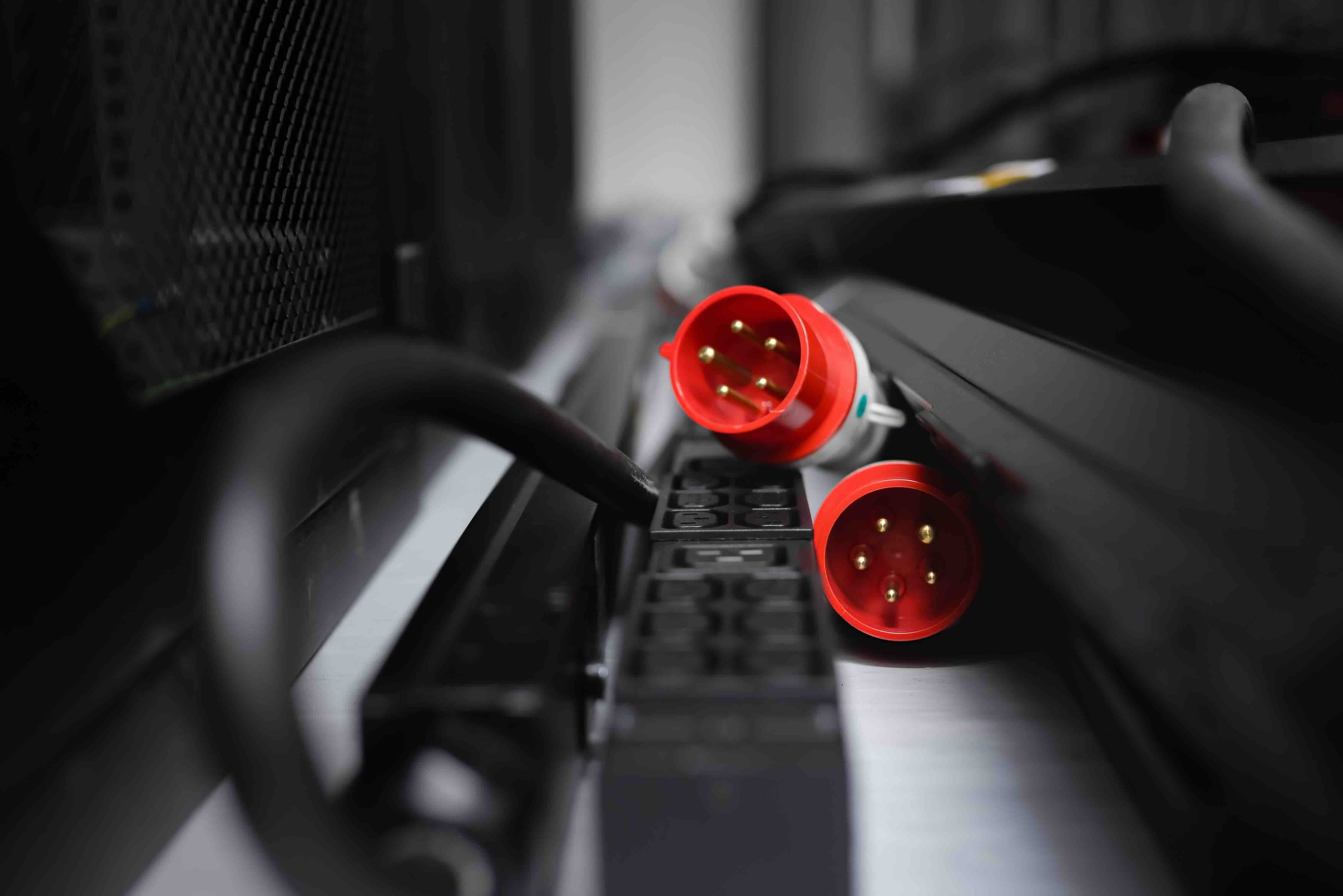
IEC Power Plug Types Explained: What You Need to Know for Your Technology Setup
If you have ever stared at a power cable and wondered why it looks slightly different from the last one you used, you are not alone. IEC power plug types are one of those things that quietly define how all our technology gets its power, and yet most people never really dig into what they are or why they exist. It is worth understanding, especially if you work in IT, AV integration, or you are just someone who wants to make sure they are buying the right cable the first time. Let me break this down in a way that actually makes sense.
What Are IEC Power Plug Types and Why Do They Exist
IEC stands for the International Electrotechnical Commission, which is the international body responsible for standardizing electrical and electronic systems worldwide. The IEC 60320 standard specifically covers connectors used for power supply in household and commercial equipment. These are the connectors you see on the ends of power cables that plug into computers, monitors, servers, printers, power strips, and countless other devices. The reason there are multiple types comes down to the range of applications, voltage and amperage requirements, operating temperatures, and safety considerations that vary across different devices and regions. They are not interchangeable in most cases, and knowing which type you need prevents damage, downtime, and a whole lot of frustration.
The Most Common IEC Connector Types in the Tech Industry
There are several IEC connector types that show up regularly in technology and professional AV environments. The ones most relevant to everyday and professional tech use include the following:
- C7 and C8 -- Used for small consumer electronics like laptop chargers and gaming consoles, ungrounded, rated at 2.5A
- C13 and C14 -- The most widely used pair in IT, connecting computers, monitors, servers, and PDUs, rated at 10A to 15A depending on region
- C15 and C16 -- Similar in size to C13 and C14 but rated for higher operating temperatures, common in kettles and high-heat environments
- C19 and C20 -- Heavier-duty connectors used in data center equipment, rack-mounted power strips, and UPS systems, rated at 16A to 20A
- C5 and C6 -- The distinctive cloverleaf or Mickey Mouse connector often used on laptop power bricks and some projectors, grounded
Each pairing follows a standard: the odd number is the female socket, the even number is the male plug. This matters when you are sourcing replacement cables or specifying equipment for a rack installation. Getting the wrong pairing is an easy mistake that wastes time and budget.
How IEC Power Connectors Actually Work
The mechanics are straightforward. The male plug, which carries the pins or blades, connects to a power source like a wall outlet adapter or PDU. The female socket, which receives those pins, connects to the device side. The connector type defines the physical shape, pin configuration, and the rated voltage and current the connection can safely handle. Grounded connectors include a third contact point for the earth ground, adding a critical layer of protection for sensitive electronics. The difference between a C13 and a C19, for example, is not just size -- it is the capacity to carry more current safely, which is why you see C19 and C20 pairings inside data centers where high-density power distribution is the norm.
Key Advantages of Using IEC-Standardized Power Connections
Standardization is where IEC connectors genuinely shine. Because these specifications are globally recognized, equipment manufacturers build to these standards and you get real interoperability. A C13 cable purchased from a supplier in the United States will work with a server rack component sourced in Europe. That universality matters enormously in enterprise environments where equipment comes from multiple vendors and regions. Beyond interoperability, IEC connectors are also rated and tested for specific performance thresholds, so you know exactly what a cable is certified to handle. For IT managers and AV integrators, this translates into reliable infrastructure with predictable performance, which is exactly what you want when uptime is non-negotiable.
Common Drawbacks and Limitations Worth Knowing
Nothing is perfect. IEC connectors do have some limitations that come up in real-world deployments. One of the most common issues is accidental disconnection -- C13 connectors especially can be pulled loose under physical stress in rack environments, which is why locking variants and retention clips exist. Another consideration is heat tolerance. Standard C13 connectors are rated to 70 degrees Celsius, which works for most applications but falls short for high-temperature gear, and that is where C15 connectors step in. Current ratings also have regional nuances -- a C13 cable rated at 10A in Europe may be certified for 15A in North America due to different testing standards, so matching cables to their rated use case is essential rather than optional. Overlooking these details is how you end up with infrastructure problems that are annoying and expensive to trace.
Choosing the Right IEC Cable for Your Application
Matching the right IEC cable to your specific application comes down to three main factors: the connector type required by your device, the current rating the setup demands, and whether a grounded or ungrounded connection is appropriate. For standard desktop computers and monitors, C13 to C14 is almost always the right answer. For high-density server and networking equipment, C19 to C20 is the professional standard. Always check the device's power specifications before purchasing, and do not underestimate the value of buying quality cables rated to or above the required specification. Cutting corners on power cables is one of those decisions that tends to cost more in the long run than the initial savings suggest.
IEC Power Cables in Data Centers and AV Installations
In data center and professional AV environments, IEC power cables are foundational infrastructure. Power distribution units typically feature banks of C13 or C19 outlets, and the cables connecting servers, switches, and other rack equipment need to be correctly specified for the load they carry. In AV rack builds, clean power management starts with getting the cable types right. Mismatched or undersized power cables can introduce reliability issues, create unnecessary heat, and in worst-case scenarios, present safety risks. Professionals who build and maintain these environments understand that the cable is not just an afterthought -- it is part of the system design. Using color-coded IEC cables is also a common strategy in high-density racks to visually differentiate circuits and simplify maintenance.
Practical Tips Before You Buy IEC Power Cables
A few things worth keeping in mind before you place an order:
- Confirm the exact IEC connector type by checking the device's power inlet -- do not assume based on appearance alone
- Verify the current rating needed and buy cables rated to match or exceed that requirement
- Consider cable length carefully -- overly long cables create clutter and airflow issues in racks
- For rack installations, locking IEC connectors are worth the minor additional cost to prevent accidental disconnection
- Buy in appropriate quantities if outfitting a full rack -- having extras on hand avoids delays during installs or maintenance
- Check the operating temperature rating if the deployment environment generates significant heat
These are the kinds of details that separate a clean, reliable installation from one that causes recurring headaches.
Why Monoprice Is the Smart Choice for IEC Power Cables and Technology Accessories
When you are specifying IEC power cables for an IT build, a data center refresh, or an AV rack installation, the quality and value of the supplier matters more than most people initially realize. Monoprice has built a well-earned reputation for delivering high-performance cables and technology accessories at pricing that makes sense for both individual buyers and large procurement teams. The full lineup of IEC power cables and professional technology accessories at Monoprice covers the full range of IEC connector types -- C13 to C14, C19 to C20, and more -- with consistent quality, proper certifications, and the kind of specifications transparency that professionals need to make confident purchasing decisions. Whether you are outfitting a single workstation or provisioning an entire server room, Monoprice delivers the right product at a price that respects your budget without compromising on reliability or performance. That combination of value and quality is exactly what sets Monoprice apart as a trusted partner for integrators, IT departments, and technology-driven businesses of every size.
Frequently Asked Questions About IEC Power Plug Types
What does IEC stand for in IEC power connectors?
IEC stands for the International Electrotechnical Commission. The IEC 60320 standard specifically governs the connectors used in power supply cords for household and commercial electrical equipment, defining their physical shape, current ratings, and temperature tolerances.
What is the difference between C13 and C19 IEC connectors?
C13 connectors are the standard three-pin female connectors used with most desktop computers, monitors, and general IT equipment, rated at 10A to 15A. C19 connectors are larger, higher-capacity female connectors used in data center equipment and power distribution units, rated at 16A to 20A. They are not interchangeable.
Are IEC power cables universal across countries?
The IEC 60320 connector standard is internationally recognized, which means the device-side connector is consistent globally. However, the wall plug end of a power cord is region-specific, since outlet configurations vary by country. A C13 connector fits any C14 inlet regardless of country, but the power cord connecting to the wall outlet needs to match the local standard.
What is the C7 IEC connector used for?
The C7 connector, sometimes called a figure-eight connector, is a small, ungrounded two-pin connector commonly used with small consumer electronics such as portable gaming consoles, some laptop power adapters, radios, and other low-power devices.
Can I use a C15 cable in place of a C13?
Physically, C15 and C13 connectors look nearly identical, but C15 includes a small notch that prevents it from being inserted into C14 inlets. C15 is rated for higher operating temperatures up to 120 degrees Celsius, making it suitable for high-heat applications. Using a C13 cable where a C15 is required would be a safety concern in high-temperature environments.
What does grounded mean in the context of IEC connectors?
A grounded IEC connector includes a third contact point for an earth ground connection, which provides a safe path for fault current and reduces the risk of electric shock or equipment damage. Connectors like the C5, C13, and C19 are grounded, while C7 and similar connectors are ungrounded and used only for lower-risk, lower-power devices.
How do I know which IEC connector type my device needs?
Check the power inlet on the device itself. The physical shape of the inlet corresponds directly to the IEC connector type required. Most IT and AV equipment will be labeled with the power specifications as well, which helps confirm the correct current rating needed for the replacement cable.
What is a locking IEC connector and when should I use one?
A locking IEC connector incorporates a retention mechanism that secures the cable to the device inlet and prevents accidental disconnection. These are recommended for rack-mounted servers, networking equipment, and any installation where vibration or physical contact with cables could pull a connection loose and cause an outage.
Are all IEC C13 cables the same quality?
No. While C13 cables follow the same connector standard, the quality of construction, the gauge of the wire, and the materials used vary significantly between manufacturers. It is important to purchase cables with the appropriate wire gauge for the current load and from suppliers who provide verified specifications and certifications for their products.
What gauge wire should IEC power cables use for server applications?
For most server and networking equipment using C13 to C14 cables, 18 AWG wire is typical for loads up to 10A. Higher-current applications using C19 to C20 connections generally require 14 AWG or heavier wire to safely handle 16A to 20A loads. Always match wire gauge to the rated current of the application to ensure safe and reliable performance.


