

IEC Jack Explained: Types, Uses, and How to Choose Right
What Is an IEC Jack and Why Does It Matter for Your Electronics Setup?
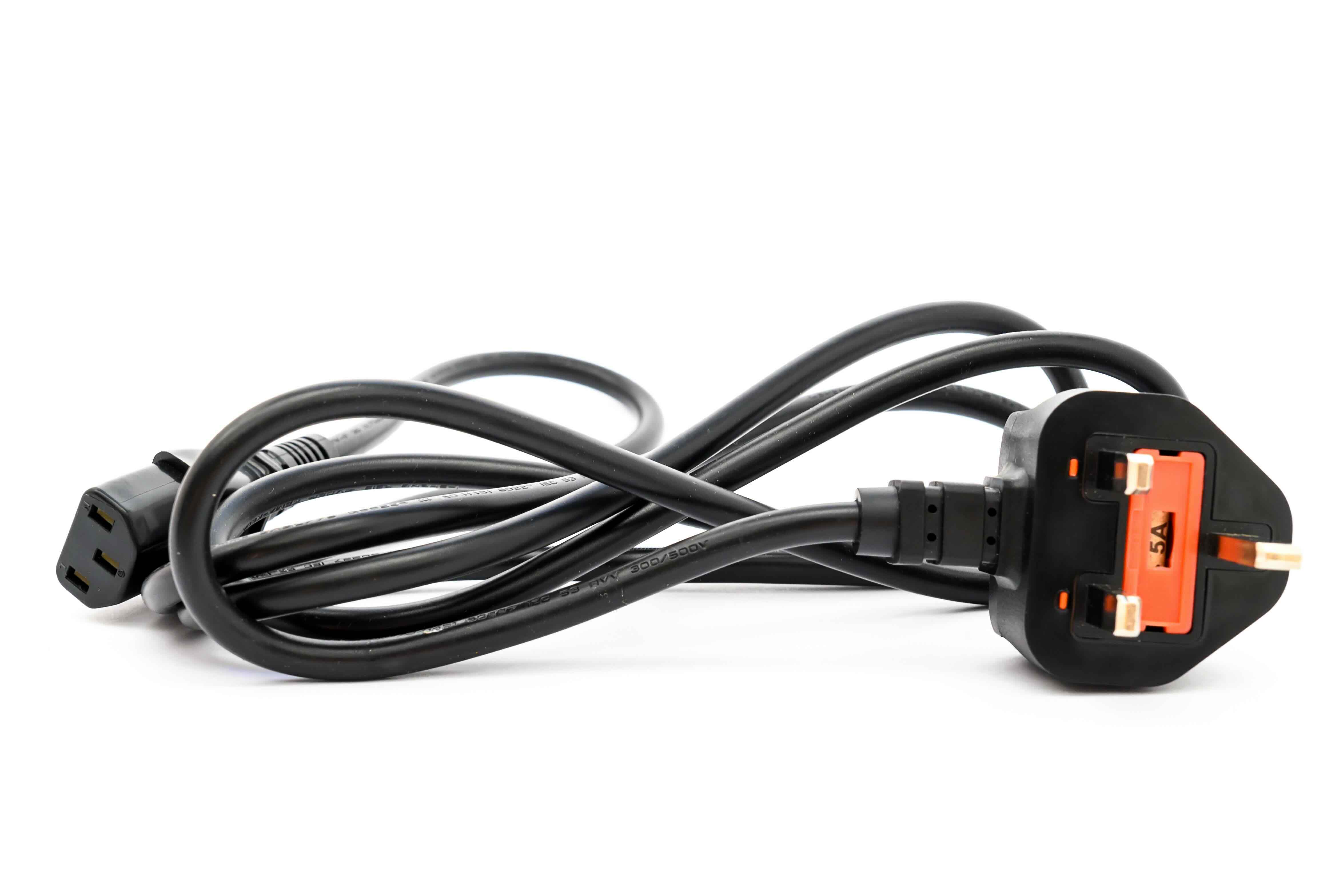
If you have ever looked at the back of a desktop computer, a power amplifier, or a piece of rack-mounted AV equipment, you have almost certainly seen an IEC jack without necessarily knowing what it was called. It is that rectangular, three-pronged inlet that accepts a detachable power cord. Simple enough on the surface, but there is actually a lot going on with this connector type that is worth understanding before you buy gear, swap cables, or plan out any kind of installation. Whether you are setting up a home theater, deploying workstations across an office, or managing a rack of pro AV equipment, knowing how IEC connectors work can save you time, money, and a fair amount of frustration.
A Quick Look at Where the IEC Jack Comes From
IEC stands for International Electrotechnical Commission, which is the global standards body responsible for defining how electrical and electronic components are designed and rated. The IEC 60320 standard specifically governs the connectors and inlets used for supplying power to devices, and it covers a fairly wide family of connector types. The most commonly encountered version in consumer and commercial electronics is the C13 and C14 pairing -- the C14 is the inlet on the device itself, and the C13 is the female connector on the power cable that plugs into it. That cord you use with your computer or network switch is almost certainly a C13 to NEMA 5-15P cable. It is everywhere, and it is standardized for good reason.
How the IEC Jack Actually Works
At a functional level, the IEC jack is a power inlet that connects the internal circuitry of a device to an external AC power source. The jack is mounted directly onto the device chassis or PCB, and a matching cable -- determined by the current and voltage rating of the specific IEC connector family -- plugs into it. The three conductors handle line, neutral, and ground, providing both the power path and the critical safety grounding that prevents electrical faults from becoming dangerous. Different IEC connector variants are rated for different amperages. The C13/C14 pair is rated for up to 10 amps, while the C19/C20 pair handles up to 16 amps and is used in higher-draw equipment like servers and PDUs. Matching the right connector to the right application is not optional -- it is a safety and performance requirement.
The Key Benefits of Using IEC-Standard Power Connectors
There are real, practical reasons why the IEC jack became the dominant standard across the global electronics industry. The interoperability alone is a massive advantage. Because the standard is internationally recognized, a C13 power cord manufactured in one country will work with a C14 inlet on a device manufactured in another. For anyone managing equipment across multiple locations or sourcing gear internationally, that consistency is genuinely valuable. Beyond interoperability, detachable IEC power cords make equipment easier to ship, easier to service, and easier to replace without touching the device itself. If a cord gets damaged, you swap the cord, not the unit. That matters operationally and financially.
Key benefits worth noting at a glance:
- Globally standardized, ensuring cross-brand and cross-region compatibility
- Detachable design simplifies shipping, storage, and field replacement
- Available in multiple current ratings to match device power requirements
- Widely supported by UPS systems, PDUs, and rack power infrastructure
- Supports hot-swap cable replacement without device disassembly
Common IEC Connector Types and What They Are Used For
Not all IEC jacks are the same, and it is worth knowing the differences before you start sourcing cables or specifying equipment. The C13/C14 combination is the workhorse of the category and shows up in monitors, computers, AV receivers, and networking gear. The C7/C8 pair -- often called a figure-8 or shotgun connector -- is smaller and used in lighter-draw devices like laptop chargers and some portable audio equipment. Moving up the power scale, the C19/C20 combination handles heavier loads and is standard in server infrastructure and high-current power distribution units. There are other variants in the IEC 60320 family, but these three pairings account for the vast majority of real-world applications most users and installers will encounter.
Drawbacks and Limitations to Keep in Mind
The IEC standard is strong, but it is not without limitations. The mechanical retention on C13/C14 connections is modest -- the cord can be pulled out without much force, which is fine in most environments but less ideal in applications where accidental disconnection would be disruptive or dangerous. Some manufacturers address this with locking IEC connectors that add a retention mechanism, but those require matched cables and inlets, which adds a procurement consideration. Additionally, the standard does not define the quality of the conductors, insulation, or shielding inside the cable itself. A cheap, undersized C13 cord and a high-quality one look similar from the outside but perform very differently under sustained load. Buying on price alone here can create real problems over time, particularly in always-on environments.
How to Choose the Right IEC Cable or Power Cord for Your Needs
Matching the connector type to the device is step one, but there are other factors that deserve attention. Current rating should always meet or exceed the draw of the device being powered -- undersizing a cable is a thermal and safety risk. Conductor gauge matters too; heavier gauge wire handles current more efficiently and runs cooler. Cable length affects voltage drop over longer runs, so for rack installations or wall-mounted equipment setups, accounting for length is part of a proper power design. For any installation where reliability is non-negotiable -- broadcast environments, data centers, medical-adjacent setups -- locking IEC connectors and UL-listed cables are the right call, not an upgrade consideration.
IEC Jacks in Professional AV and IT Environments
In pro AV and IT infrastructure contexts, the IEC jack is foundational. Virtually every piece of rack-mounted equipment -- from amplifiers to managed switches to patch bays -- relies on IEC power inlets. PDUs and UPS systems are almost universally built around C13 and C19 outlets, making IEC the common language of power distribution in any serious installation. For integrators and IT managers, standardizing on IEC-compatible power infrastructure simplifies procurement, reduces spare parts inventory, and makes field servicing dramatically faster. Knowing the rated amperage of every device in a rack and ensuring the PDU outlets and cabling match those ratings is fundamental system design practice, not an afterthought.
Why Monoprice Is a Smart Choice for IEC Power Cables and Connectivity
When it comes to sourcing reliable IEC power cables, inlets, and related connectivity components, Monoprice delivers the kind of value and consistency that both individual buyers and large-scale procurement teams can depend on. The product lineup covers the full range of IEC connector types, including C13 to NEMA 5-15P power cords in multiple lengths and gauges, built to handle the demands of real installations without the inflated price tags that come with name-brand alternatives. For anyone building out a rack, refreshing workstation infrastructure, or stocking a service inventory, those savings compound fast. Monoprice does not cut corners on the specs that actually matter -- conductor sizing, insulation quality, and connector fitment are all where they need to be. You can explore the full range of IEC power cords and professional-grade electrical cables for AV and IT installations to find exactly what your setup requires, whether that is a single replacement cord or a bulk order for a full deployment. The value proposition is straightforward: professional-grade components, honest specs, and pricing that makes sense for both home users and business buyers.
Frequently Asked Questions About IEC Jacks and Power Connectors
What does IEC stand for in IEC jack?
IEC stands for International Electrotechnical Commission. The IEC jack refers specifically to power connectors defined under the IEC 60320 standard, which governs detachable power supply couplers used in household and commercial electronics.
What is the difference between a C13 and C14 connector?
The C14 is the male inlet found on the device itself, while the C13 is the female connector on the power cord that plugs into it. Together they form the most common IEC power connection used in computers, monitors, and AV equipment.
Can I use any C13 power cord with any C14 inlet?
Yes, C13 and C14 connectors are standardized and interchangeable across brands and regions, provided the cable's current and voltage ratings meet or exceed the requirements of the device being powered.
What is the maximum amperage for a C13/C14 IEC connector?
The C13/C14 combination is rated for a maximum of 10 amps at 250 volts. For higher-amperage applications, the C19/C20 connector pair is rated for up to 16 amps and is used in servers and high-draw power distribution equipment.
Why do some IEC power cords have a locking mechanism?
Locking IEC connectors add a physical retention clip or twist-lock feature to prevent accidental disconnection. They are used in critical infrastructure environments -- such as data centers and broadcast facilities -- where unintended power loss would cause significant operational problems.
Is a C7 connector the same as a C13 connector?
No. The C7 is a smaller, two-conductor, non-grounded connector often called a figure-8 or shotgun connector. It is used in lower-power devices like laptop power bricks and portable audio gear, and it is not interchangeable with the C13.
Does cable length affect performance with IEC power cords?
Yes. Longer cable runs can result in increased resistance and voltage drop, particularly under sustained load. For rack installations or extended cable runs, using appropriately gauged conductors is important to maintain stable power delivery.
Are IEC power connectors safe for international use?
The IEC 60320 connector standard is internationally recognized, but the wall plug end of the cable is region-specific. The IEC inlet on the device is universal; the plug that connects to the wall outlet must match the local outlet type and voltage standard for the country of use.
What gauge wire should I look for in an IEC power cord?
For general use, 18 AWG is common in lower-draw applications. For higher-current devices or longer cable runs, 16 AWG or 14 AWG is preferable. Heavier gauge wire carries current more efficiently, generates less heat, and provides a wider safety margin under sustained load.
Where are IEC jacks most commonly found?
IEC jacks are found on desktop computers, monitors, AV receivers, rack-mounted amplifiers, network switches, UPS units, power distribution units, and a wide range of commercial and industrial electronics. The C13/C14 pairing is the most prevalent form across all of these categories.


