

How to Wire and Ground an Extension Cord Safely
Why Wiring and Grounding an Extension Cord Actually Matters More Than You Think
Most people grab an extension cord off a shelf, plug it in, and never think twice. Totally understandable. But here is the thing -- if you are replacing a damaged plug, building a custom cord for a workshop, or just trying to understand what is actually inside that cable running across your floor, knowing how to wire and ground an extension cord safely is genuinely useful knowledge. It is not complicated, but it does require some care. Get it right and you have a reliable, safe power solution. Get it wrong and you are looking at tripped breakers at best, electrical hazards at worst. So let us go through this properly, step by step, with the kind of practical detail that actually helps.
What Is an Extension Cord and How Does It Actually Work
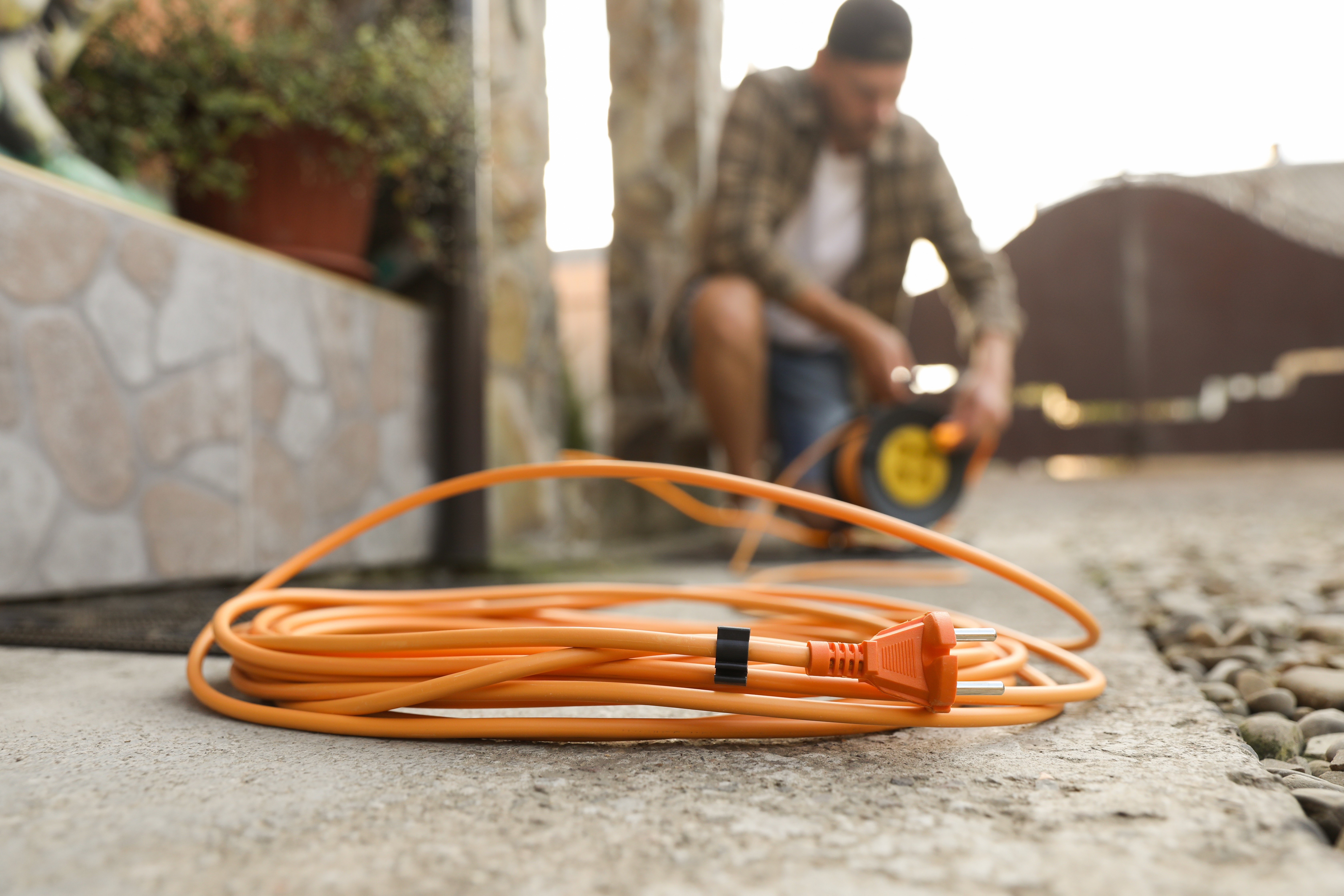
An extension cord is essentially a portable length of electrical cable with a plug on one end and one or more outlets on the other. Current flows from your wall outlet, through the live wire inside the cord, to whatever device is connected, and returns through the neutral wire to complete the circuit. The third wire -- the ground -- is a safety conductor. It does not carry current during normal operation. Instead, it provides a controlled path for electricity to follow if something goes wrong, like a fault inside a connected device. That grounding wire is what prevents the outer casing of your equipment from becoming energized and potentially shocking you. It is a simple but critical design element, and it is why three-prong cords exist in the first place.
Tools and Materials You Will Need Before You Start
Before touching anything, gather your materials. Having everything ready before you start is not just convenient -- it reduces the chance of making rushed decisions mid-project that lead to mistakes. Here is what you will typically need for a standard wiring job:
- Wire stripper or utility knife
- Flathead and Phillips screwdrivers
- Needle-nose pliers
- Replacement plug or outlet (rated for your intended amperage)
- Electrical tape or heat shrink tubing
- A multimeter for testing continuity
- The extension cord cable itself, rated appropriately for your load
One thing worth noting -- do not guess on the cord gauge. A 16-gauge cord handles lighter loads, around 13 amps. If you are running power tools or anything heavier, step up to 14-gauge or 12-gauge. Using undersized wire for the load is one of the most common causes of overheating, and that is not something you want to learn about the hard way.
Understanding the Wire Colors Inside Your Extension Cord
Open up any standard extension cord and you will find three wires, each with a distinct insulation color. In North American wiring, the conventions are consistent and you should follow them without deviation. The black wire is the hot or live wire -- this is the one that carries current from the source to the load. The white wire is neutral, completing the return path of the circuit. The green wire, or sometimes bare copper, is the ground. In some imported or older cords you might encounter different color schemes, which is exactly why a multimeter is handy. Never assume based on color alone if you are working with unfamiliar materials. Verify before you connect anything.
Step-by-Step Guide to Wiring an Extension Cord Plug
This is where the actual work happens, and honestly it is more straightforward than it sounds. Start by cutting the cord to your desired length with a clean, square cut. Then carefully strip about three quarters of an inch of the outer jacket using a utility knife, being careful not to nick the inner wire insulation. Once the jacket is removed, you will see your three color-coded wires. Strip roughly half an inch of insulation off each individual wire. Twist the exposed copper strands tightly in a clockwise direction -- this ensures a solid connection and prevents stray strands from causing shorts. Open your replacement plug and look for the terminal screws. The brass or gold screw receives the black wire. The silver screw receives the white wire. The green screw receives the green or bare ground wire. Tighten each terminal screw firmly but without crushing the wire. Reassemble the plug casing, making sure no bare wire is exposed outside the terminals. That is the complete connection.
How to Wire an Extension Cord Outlet or Female End
The female end follows essentially the same logic, just in reverse orientation. Strip and prep your wires the same way. Inside the outlet housing, you will find the same terminal screw color coding -- brass for hot, silver for neutral, green for ground. One thing to double-check here is the mechanical strain relief, sometimes called a cord grip. This is a small clamp or bushing inside the outlet housing that grips the outer jacket of the cord, preventing any tension on the cord from pulling directly on your wire connections. If your replacement outlet includes one, use it. If it does not have this feature, consider whether it is the right part for a longer or frequently moved cord.
Testing Your Extension Cord Before You Use It
Do not skip this. Plug testing is fast, straightforward, and the only way to confirm your connections are correct before putting the cord into service. Use a multimeter set to continuity mode. With the cord unplugged from the wall, touch the probes to corresponding prongs on each end -- hot to hot, neutral to neutral, ground to ground. You should get a continuity reading on each pair. Then check for any continuity between wires that should not be connected -- hot to neutral, hot to ground, neutral to ground. Any reading there indicates a wiring error or a short that needs to be corrected before use. A plug-in outlet tester is another fast option once the cord is assembled and can confirm correct wiring and grounding in seconds.
Key Safety Rules That Apply Every Single Time
There are a few non-negotiable practices here that are worth reinforcing regardless of how simple the job seems. Extension cords are intended for temporary use. Running them under rugs, through walls, or using them as permanent wiring solutions violates electrical codes and creates fire risks. Always match the amperage rating of your cord to the devices being connected -- never exceed the rated capacity. Do not daisy-chain extension cords by plugging one into another. Keep connections away from water and damp environments unless using cords specifically rated for outdoor or wet locations. And always, always inspect your cord before use. Damaged insulation, cracked housings, or discolored plug prongs are warning signs that a cord needs to be replaced, not repaired with tape.
Common Mistakes and How to Avoid Them
People make the same handful of errors repeatedly when wiring extension cords, and most of them are avoidable with just a bit of attention. Connecting wires to the wrong terminals is probably the most frequent issue -- reversing hot and neutral creates a shock hazard even when devices appear to function normally. Not tightening terminal screws fully leads to arcing and heat buildup over time. Using the wrong gauge wire for the load is another consistent problem. And forgetting to include proper strain relief means that any tension on the cord goes directly to the wire connections, which will eventually loosen or break. Take your time, double-check each connection before closing up the housing, and test before use. These habits are what separate a reliable DIY setup from a hazardous one.
Why Monoprice Is the Right Source for Your Wiring and Power Needs
If you are taking the time to wire and ground an extension cord properly, you already understand that quality materials make a real difference in the outcome. That same principle applies to every cable, connector, and power solution in your setup. Monoprice has built a trusted reputation among both everyday users and professional installers by delivering high-performance electrical and connectivity products at genuinely fair prices. Whether you need replacement plugs, outlet components, or fully assembled heavy-duty extension cords for demanding environments, the selection is deep and the specifications are honest. For anyone putting together a reliable home workshop, home theater, or professional work environment, browsing the full range of grounded extension cords and electrical wiring accessories at Monoprice is a practical starting point that saves time and avoids the guesswork of sourcing parts piecemeal elsewhere. The products are built to perform, priced to make sense, and backed by the kind of customer support that actually helps you solve problems rather than just close tickets.
Frequently Asked Questions About Wiring and Grounding Extension Cords
What does it mean for an extension cord to be grounded?
A grounded extension cord includes a third wire, the ground wire, which connects to the round prong on a three-prong plug. This wire provides a safe path for electricity in the event of a fault, reducing the risk of electric shock or equipment damage.
Can I wire an extension cord myself or should I hire an electrician?
Wiring or rewiring an extension cord plug is a manageable DIY task for most people who follow proper safety procedures. However, if you are unsure about wire identification, load requirements, or your local electrical codes, consulting a licensed electrician is always a safe choice.
Which wire is hot in an extension cord?
In North American extension cords, the black wire is the hot or live wire. It carries current from the power source to the connected device. The black wire connects to the brass or gold terminal screw on a plug or outlet.
What gauge wire do I need for my extension cord?
Wire gauge depends on the load you intend to run. A 16-gauge cord handles up to about 13 amps and is suitable for light household use. For heavier tools or equipment, use 14-gauge for up to 15 amps or 12-gauge for up to 20 amps.
Is it safe to use a two-prong extension cord?
Two-prong cords lack a ground wire and are generally considered less safe for modern equipment. They may be acceptable for very basic, low-power devices, but for tools, electronics, or anything with a metal chassis, a grounded three-prong cord is strongly recommended.
How do I test an extension cord after wiring it?
Use a multimeter in continuity mode to verify each wire pair conducts properly from one end to the other. Also test across wires that should not be connected to check for shorts. A plug-in outlet tester can confirm correct wiring once the cord is assembled.
Why does my extension cord get warm during use?
Some warmth is normal, but significant heat usually indicates the cord is undersized for the connected load, the connections inside a plug or outlet are loose, or the cord is coiled while in use, which traps heat. Uncoil cords fully during use and verify you are not exceeding the rated amperage.
Can extension cords be used outdoors?
Only if they are rated for outdoor use. Outdoor extension cords are built with weather-resistant insulation and are designed to handle moisture, temperature changes, and UV exposure. Using an indoor-rated cord outdoors creates both a shock hazard and a fire risk.
What is the maximum length for an extension cord before voltage drop becomes a problem?
Longer cords experience more resistance, which causes voltage to drop along the cable. For most applications, cords over 100 feet should use a heavier gauge to compensate. For precision equipment or high-draw tools, shorter runs and larger wire gauges help maintain consistent power delivery.
How do I know if an extension cord needs to be replaced instead of repaired?
If the outer jacket is cracked, the insulation on inner wires is damaged, the plug prongs are discolored or bent, or the cord has been cut through and rejoined with tape, it should be replaced entirely. Repairs to damaged insulation or conductors mid-cord are not reliable long-term solutions and can create hazards.


