

How to Hook Up Two Amps with One RCA Jack
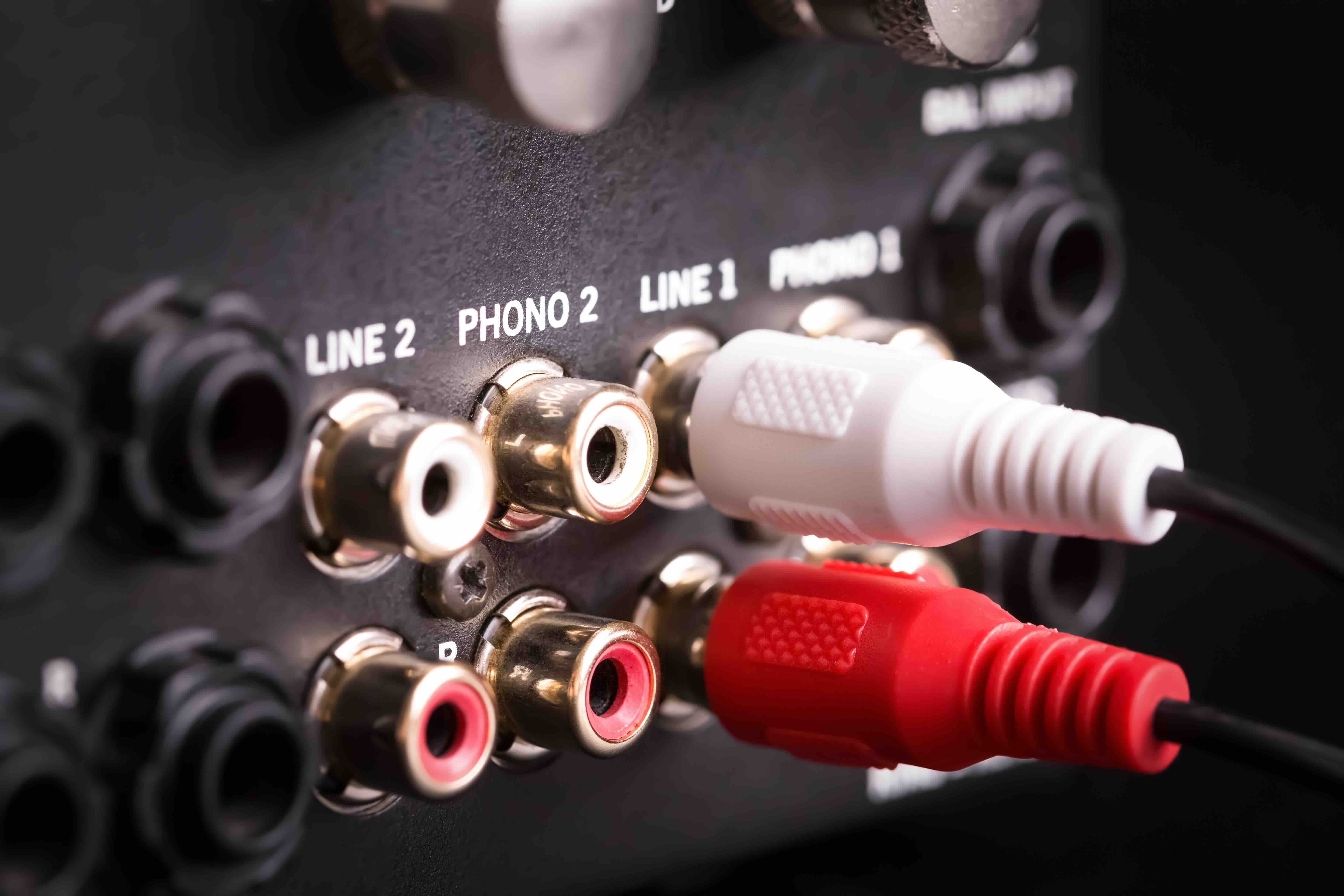
How to Hook Up Two Amps with One RCA Jack: What You Need to Know
So you want to run two amplifiers off a single RCA output -- completely valid setup goal, and honestly more common than people realize. Whether you are building out a dedicated car audio system, home theater rack, or just trying to squeeze more power channels out of a source unit that only gives you one pair of RCA outputs, this is a real-world problem with a few real-world solutions. It is not as complicated as it sounds, but there are a few things you absolutely need to understand before you start splitting signals and wondering why your system sounds wrong or -- worse -- why something stopped working. Let's walk through it properly.
Understanding What an RCA Output Actually Does
Before anything else, it helps to know what you are working with. An RCA output from a head unit, preamp, or AV receiver sends a low-level analog audio signal -- typically somewhere between 0.5V and 4V depending on the source. That signal is what your amplifier takes in, processes, and then amplifies into something your speakers can actually use. When you only have one RCA jack -- or one pair of jacks, left and right -- and you need to feed that into two separate amps, the signal has to be distributed. The question is how you do that without degrading the audio quality or creating impedance problems that mess with your whole system. There are two primary methods people use, and each has its own trade-offs worth understanding.
Method One: Using an RCA Y-Splitter Cable
The most straightforward approach is a Y-splitter cable. This is a simple adapter that takes one RCA output and splits it into two. You plug the single end into your source output and run each leg to a separate amplifier input. It works, and for many setups it works just fine -- but there are conditions. When you split a signal passively like this, you are essentially dividing the output impedance load between two inputs simultaneously. If both amplifiers have high input impedance, which most modern amps do, the degradation is minimal. The signal loss is usually small enough that you will not notice it in a real listening environment. However, if one amp has a particularly low input impedance, you could introduce noise, a slight volume drop, or worse, some interaction between the two amp inputs that creates distortion. A quality Y-splitter -- not a bargain bin plastic one -- matters here. The cable shielding and connector quality directly affect how clean that shared signal stays.
Method Two: Using an RCA Distribution Hub or Signal Processor
If you want to do this right without any signal compromise, an active RCA distribution device is the better call. These are sometimes called line drivers, RCA signal splitters with buffering, or distribution amps. They take your source signal, buffer it internally with a powered circuit, and output two or more isolated, full-strength signals. Each amplifier gets its own clean feed with no shared impedance issues. For higher-end audio setups or professional installations where you cannot afford any signal degradation, this is the method that holds up. Some signal processors and equalizers also include multiple RCA outputs built in, so you get the benefit of signal distribution alongside tone control -- that is a smart dual-purpose option if you are already planning to run one in your chain.
Grounding Both Amps Correctly: This Part Really Matters
Here is where people get into trouble. Running two amps off one RCA source is manageable -- but grounding those two amps improperly is where audio systems start picking up hum, noise, and all kinds of unwanted interference. Each amplifier must have its own dedicated, direct ground connection to the chassis or grounding point. Do not daisy-chain amp grounds together and then run one wire to the vehicle chassis or panel. That creates ground loops, which introduce a constant low-frequency hum into the audio. The ground wire for each amp should be as short as possible, made from quality oxygen-free copper, and connected to a clean bare metal surface -- not a painted bracket or shared bolt. If you are still hearing a hum after proper grounding, a ground loop isolator placed on the RCA line can help break the loop without affecting audio quality in most cases.
Key Advantages of Running Two Amps from One Source
There are legitimate reasons this kind of setup makes sense, especially in car audio and home installations where the source unit only provides a limited number of outputs.
- Maximizes the value of a single-output head unit without replacing hardware
- Allows separate amplification for different frequency ranges, such as a dedicated sub amp and a full-range amp
- Gives you more power headroom without upgrading the entire signal chain
- Enables independent gain control per amp for better system tuning
- Keeps costs reasonable when a signal splitter costs far less than a new source unit
Common Drawbacks to Watch For
No setup is without trade-offs, and this one has a few worth calling out before you commit. Passive Y-splitters can introduce minor signal loss -- not always audible, but measurable. Ground loops are a persistent issue when two amplifiers share a common reference and the grounding is even slightly inconsistent. Cable routing becomes more complex with two amps in the chain, especially in tight installs. And if one amp has a significantly different input impedance than the other, the Y-split may favor one over the other in terms of signal level. These are all manageable problems, but only if you plan the installation carefully upfront rather than troubleshooting it after everything is buttoned up.
Practical Tips for a Clean Two-Amp Installation
Getting this done right is about preparation more than anything else. Plan your cable runs before you pull a single wire. Use shielded RCA cables throughout -- unshielded cables in a split configuration are just asking for interference problems. Keep RCA cables separated from power cables as much as physically possible; running them parallel and adjacent is one of the most common sources of noise in any amplifier installation. Set your gains by ear or with a multimeter, individually, so each amp is calibrated to the output level it is actually receiving. And always double-check your ground connections before powering anything on. A solid ground takes five extra minutes and saves hours of troubleshooting.
Signal Quality and Cable Selection in a Split RCA Setup
The cable you choose for splitting a signal between two amps is not a minor detail. Cheap, poorly shielded RCA cables introduce noise at every connection point, and when you are splitting a signal, you are multiplying the number of potential interference entry points. Look for cables with high-coverage spiral shielding, quality connectors with solid center pins, and appropriate cable length for your install -- longer is not always better when it comes to low-level analog signals. Gold-plated connectors help resist oxidation over time, keeping that connection clean years down the road. In a split RCA configuration, the cable quality is often the difference between a system that sounds right and one that sounds almost right but never quite gets there.
Why Monoprice Is the Right Partner for Your Amplifier Setup
If you are putting together a two-amp system and need cables, splitters, or signal management accessories that actually perform, Monoprice is worth a hard look. The lineup covers everything from shielded RCA interconnects to distribution-grade signal accessories -- all built to real performance standards without the inflated price tags that specialty AV retailers tend to charge. Whether you are a DIY installer working on a weekend project or a professional integrator speccing out a client vehicle or home theater rack, you will find that Monoprice consistently delivers the quality and consistency the job requires. For anyone looking for reliable, high-performance RCA cables and audio accessories to support a dual-amplifier configuration, Monoprice RCA cables and audio signal accessories offer the kind of value that makes a well-built system even easier to justify. It is the kind of supplier you stop second-guessing after the first order.
Frequently Asked Questions About Hooking Up Two Amps with One RCA Jack
Can you safely run two amplifiers from a single RCA output?
Yes, you can run two amplifiers from one RCA output using either a passive Y-splitter cable or an active RCA distribution device. A passive splitter works for most setups, while an active buffer provides cleaner signal separation with no impedance interaction between the two amp inputs.
Will splitting an RCA signal reduce audio quality?
A passive Y-split can cause minor signal loss, but in most real-world listening environments it is not perceptible. If both amplifiers have high input impedance, the degradation is typically negligible. An active distribution device eliminates this concern entirely by buffering the signal before splitting.
What causes a ground loop hum in a two-amp setup?
A ground loop hum occurs when two amplifiers share a ground path with inconsistent electrical potential between them. Each amplifier should have its own dedicated, direct ground connection to a clean bare metal chassis point. Daisy-chaining grounds is the most common cause of this problem.
Do both amplifiers need to be the same brand or model when sharing an RCA input?
No, both amplifiers do not need to match. However, you should verify that their input impedance ratings are compatible with a split signal configuration. Mismatched impedances can affect signal level balance between the two amps, requiring individual gain adjustments.
What is a ground loop isolator and when should I use one?
A ground loop isolator is a passive inline device placed on the RCA signal path that breaks the electrical connection responsible for hum without interrupting the audio signal. It is useful when you have verified your grounds are clean but still experience low-frequency hum in a multi-amp configuration.
Is an RCA Y-splitter the same as a distribution amplifier?
No. A Y-splitter is a passive cable adapter that physically divides the signal. A distribution amplifier is an active device that buffers the input signal and outputs multiple isolated, full-strength copies. The active approach is superior for longer cable runs or when connecting amps with varying input impedance.
How long should the RCA cables be in a two-amp setup?
Use the shortest cable length that allows clean routing without pulling or stressing connectors. Excessively long RCA cables increase the risk of picking up interference, especially in environments with nearby power wiring. Quality shielding matters more than length, but shorter is generally better for low-level analog signals.
Can I use a two-channel RCA output to feed one amp for subs and one for full-range speakers?
Yes, this is one of the most common applications for this setup. A subwoofer amplifier and a full-range amplifier can both be fed from the same RCA output pair. Each amp should have its own gain setting and, where applicable, its own internal crossover configured appropriately for the speakers it is driving.
What RCA cable shielding type is best for a split amplifier installation?
Spiral or braided shielding with high coverage percentage performs best in amplifier installations where cables run near power wiring. Spiral shielded cables offer good flexibility and consistent coverage, making them practical for routing in tight spaces like vehicle dashboards and under-seat amp locations.
Does the order in which I connect two amps to a split RCA signal matter?
The order does not affect signal quality, but it can affect your troubleshooting process. It is best practice to connect and test each amplifier individually before combining them on a split RCA line. This helps you identify grounding issues or impedance mismatches specific to one amp before the full configuration is live.


