

How to Convert Speaker Wire to RCA: Simple Expert Guide
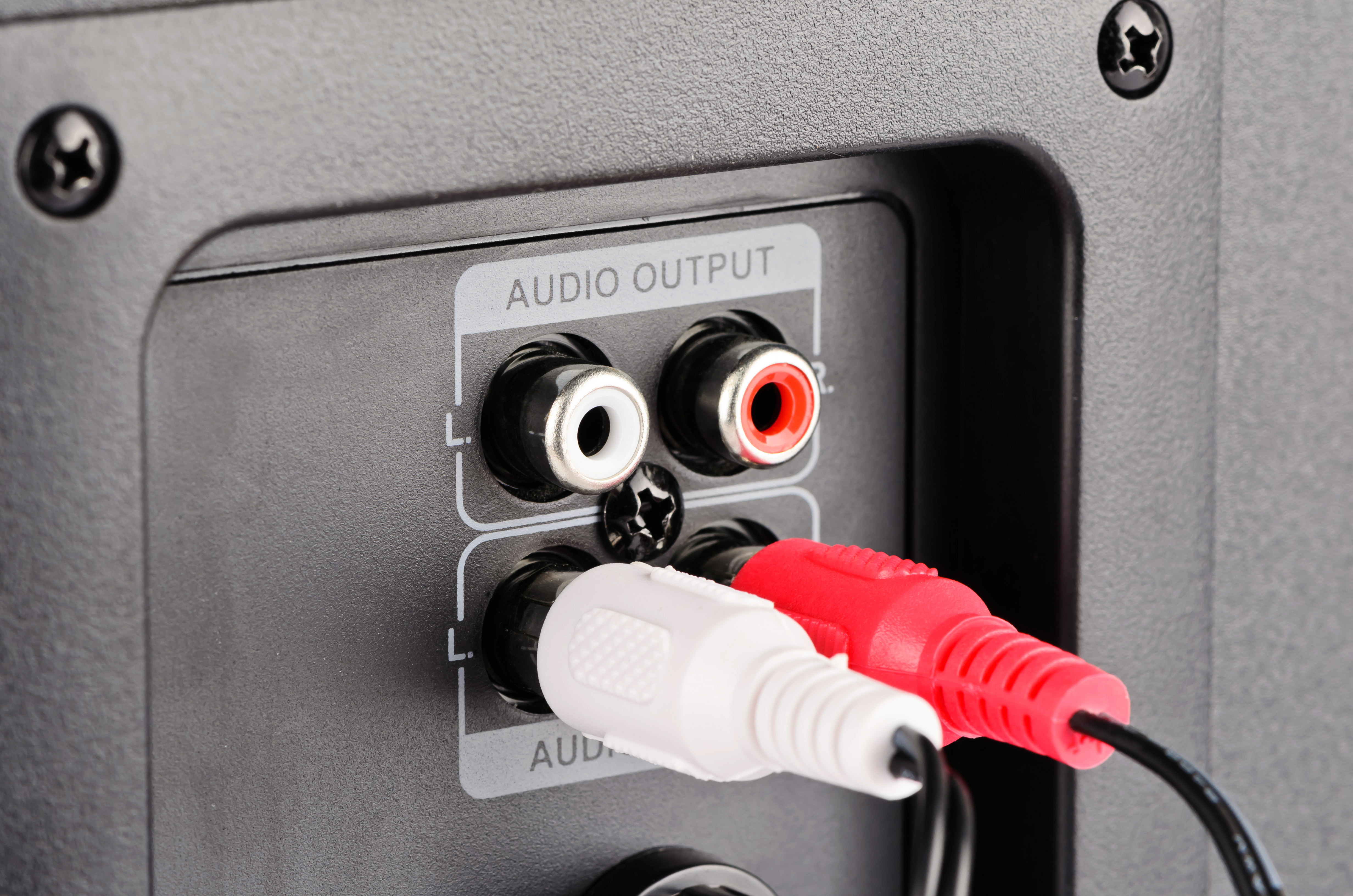
Why Converting Speaker Wire to RCA Actually Makes Sense
So you have a receiver or amplifier that outputs through bare speaker wire terminals, but your subwoofer, powered speaker, or AV component only accepts RCA inputs. This is a surprisingly common situation in home theater and audio setups, and it trips people up more than it should. The good news is that converting speaker wire to RCA is a straightforward process that does not require advanced electrical knowledge or expensive equipment. It just requires understanding what each connection type is doing and how to bridge the two correctly. Whether you are building out a dedicated listening room or just trying to connect a powered subwoofer to an older integrated amplifier, this guide covers everything you need to know to do it right the first time.
Understanding Speaker Wire and RCA Connections
Speaker wire is a two-conductor cable, typically unshielded, that carries amplified audio signal between a power amplifier or receiver and a passive speaker. The two conductors represent positive and negative, and the signal riding on them is at speaker-level voltage, which is relatively high. RCA connections, on the other hand, are designed to carry line-level signals, which are significantly lower in voltage and typically used between source components and preamplifiers or powered devices. An RCA connector consists of a center pin for the signal conductor and an outer ring that serves as the ground. Understanding this distinction matters because it affects not just the physical connection but also signal compatibility with certain devices. Some powered speakers and subwoofers include high-level RCA inputs specifically designed to accept speaker-level signals, which makes the conversion more straightforward in those cases.
Tools and Materials You Will Need
Before you start, having the right materials on hand saves time and prevents mistakes. This is a simple job, but doing it cleanly makes a real difference in long-term reliability and audio quality.
- Speaker wire, preferably 16 AWG or 18 AWG for most home audio applications
- RCA plug connectors, either solder-type or screw-terminal style
- Wire strippers to cleanly expose the conductors
- A small flathead screwdriver if using screw-terminal RCA plugs
- A soldering iron and rosin-core solder if using solder-type connectors
- Electrical tape or heat shrink tubing to insulate the finished connections
- A multimeter to verify polarity before final assembly
The type of RCA connector you choose will influence your workflow. Screw-terminal RCA connectors are more beginner-friendly and do not require soldering. Solder-type connectors offer a more durable and lower-resistance connection, which is preferred in professional and semi-professional audio environments. Either option is viable for home AV use.
Step-by-Step: How to Convert Speaker Wire to RCA
Start by cutting the speaker wire to your desired length and using wire strippers to remove approximately three-quarters of an inch of the outer jacket from each end. Inside, you will find two conductors. On most speaker wire, one conductor is marked with a stripe, ribbing, or copper color difference to indicate polarity. The marked conductor is typically positive. Once both conductors are exposed, twist the individual strands tightly to prevent fraying. If you are using a screw-terminal RCA plug, loosen the terminals on the connector, insert the positive conductor into the center terminal and the negative or ground conductor into the outer terminal, then tighten both screws firmly. If you are using a solder-type RCA plug, feed the wire through the connector housing first, then tin both the wire ends and the connector terminals with a small amount of solder before joining them. Allow each joint to cool fully before assembling the housing. Once complete, tug gently on each wire to confirm a secure connection, then wrap exposed conductors with heat shrink tubing or electrical tape.
Maintaining Correct Polarity Throughout the Process
Polarity is one of those things that seems minor until it causes real problems. If you accidentally reverse positive and negative at any point in your signal chain, the result is phase cancellation, which degrades bass response and creates a diffuse, unfocused soundstage. When working with multiple speaker wire to RCA conversions simultaneously, labeling each wire before you begin is worth the extra thirty seconds it takes. On the RCA connector side, the center pin always carries the positive or hot signal. The outer sleeve always connects to ground or negative. Maintaining this consistently across every connection in your system is what separates a clean, coherent audio setup from one that sounds technically functional but sonically flat.
Common Mistakes and How to Avoid Them
Even a simple conversion like this has a few points where things tend to go wrong. Knowing what to watch for in advance helps significantly.
- Using wire that is too thin for the amplifier output, which can increase resistance and reduce audio quality
- Failing to secure strands properly, causing stray wire filaments to short against the outer ground terminal
- Skipping the polarity check before final assembly
- Over-tightening screw terminals on thinner wire, which can cut through conductors
- Leaving too much bare wire exposed at the connection point, creating a short circuit risk
If you are working near an amplifier that is powered on, make sure it is turned off and unplugged before making any connections. Connecting or disconnecting speaker-level outputs while an amplifier is active can damage both the amplifier and the connected device.
When This Conversion Is and Is Not Appropriate
Converting speaker wire to RCA works well in specific scenarios. It is appropriate when connecting a powered subwoofer with high-level RCA inputs to an amplifier with only speaker binding posts. It also works when using an adapter in-line between components in a secondary or zone audio system. However, it is not a substitute for a proper line-level preamplifier output when connecting to devices that are explicitly designed for line-level signals only. Connecting a speaker-level output directly to a line-level input without an appropriate attenuator or high-level input circuit on the receiving device can overdrive that input and potentially cause damage. Always check the input specifications of your target component before completing the connection.
Audio Quality Considerations and Signal Integrity
If you are serious about audio quality, the materials you use for this conversion matter more than you might expect. Low-quality RCA plugs with poorly plated contacts or inadequate mechanical grip introduce resistance and potential oxidation over time. Oxygen-free copper speaker wire reduces signal degradation over longer runs. Shielded RCA cables, while not always necessary in short runs, become more important in environments with significant electromagnetic interference such as near power conditioners, large transformers, or densely packed AV racks. The actual conversion itself, when done correctly with quality materials, introduces minimal degradation to signal integrity. The real variables are wire quality, connector quality, connection security, and proper polarity.
Why Monoprice Is the Right Source for Speaker Wire, RCA Connectors, and More
When you are putting together an AV setup, whether it is a straightforward home theater or a more complex multi-zone audio configuration, the components you choose for even basic connections make a tangible difference. Monoprice has built a reputation over years of delivering high-performance cables, connectors, and audio accessories that perform at the level of premium brands without the inflated pricing that typically comes with them. If you need quality speaker wire, solder-type or screw-terminal RCA connectors, heat shrink kits, or any other component involved in this kind of installation, you will find reliable options without having to compromise on build quality or spend more than necessary. For anyone working through a speaker wire to RCA conversion or broader audio installation project, finding all of your speaker wire connectors and RCA audio cables in one trusted place simplifies the process and keeps costs where they belong. Monoprice serves both the individual enthusiast and the professional integrator with the same commitment to value, accuracy, and performance.
Frequently Asked Questions
Can you really connect speaker wire directly to an RCA input?
You can physically make the connection, but you must verify that the receiving device has a high-level input designed to accept speaker-level voltage. Connecting speaker-level output to a standard line-level RCA input without attenuation can damage the input circuitry of the connected component.
Which conductor on speaker wire is positive?
On most speaker wire, the positive conductor is identified by a stripe, ridge, or text printed along the insulation. When in doubt, a multimeter set to DC voltage can confirm polarity when a signal is present on the wire.
Do I need to solder the RCA connector or can I use a screw-terminal type?
Both options are functional. Solder connections tend to be more durable and have lower contact resistance, making them preferable in permanent or high-performance installations. Screw-terminal RCA connectors are acceptable for temporary setups or when a soldering iron is not available.
Will converting speaker wire to RCA affect audio quality?
When done correctly with quality connectors and properly prepared wire ends, the impact on audio quality is minimal. Poor connections, reversed polarity, or low-grade connectors are the primary causes of quality degradation in these conversions.
What gauge speaker wire should I use for this conversion?
For most home audio applications, 16 AWG or 18 AWG speaker wire is sufficient. Thicker gauges like 14 AWG are more appropriate for longer cable runs or higher-power amplifier outputs where resistance over distance becomes a more significant factor.
Is a speaker wire to RCA adapter a better option than a DIY conversion?
Pre-made adapters are convenient and work well for straightforward applications. DIY conversions using quality connectors often result in a more secure and reliable connection, especially in permanent installations where cable management and connection integrity matter.
Can I use this method to connect a subwoofer to a stereo amplifier?
Yes, provided the subwoofer has a high-level RCA input. Many powered subwoofers include this type of input specifically to accommodate connection from amplifiers that do not have a dedicated subwoofer preamp output.
What happens if I reverse polarity on the RCA connection?
Reversed polarity causes the speaker to move in the opposite direction relative to other speakers in the system, resulting in phase cancellation. This reduces bass output, narrows soundstage width, and produces an overall thin or unfocused sound. Always verify polarity before finalizing connections.
How do I prevent a short circuit when making this conversion?
Keep all exposed conductor strands neatly twisted and fully seated in their respective terminals. After assembly, inspect the connector to confirm no stray wire filaments are bridging the center pin and the outer ground sleeve. Using heat shrink tubing over the completed connection adds a protective layer against accidental shorting.
Are there specific RCA connectors designed for speaker wire gauge?
Yes, many RCA connectors specify a compatible wire gauge range on the packaging. It is important to match the connector to the wire gauge you are using to ensure proper mechanical grip and electrical contact. Using a connector designed for thinner wire with heavier gauge cable can result in a loose or unreliable connection.


