

How to Attach an Extension Cord to a Wall Safely
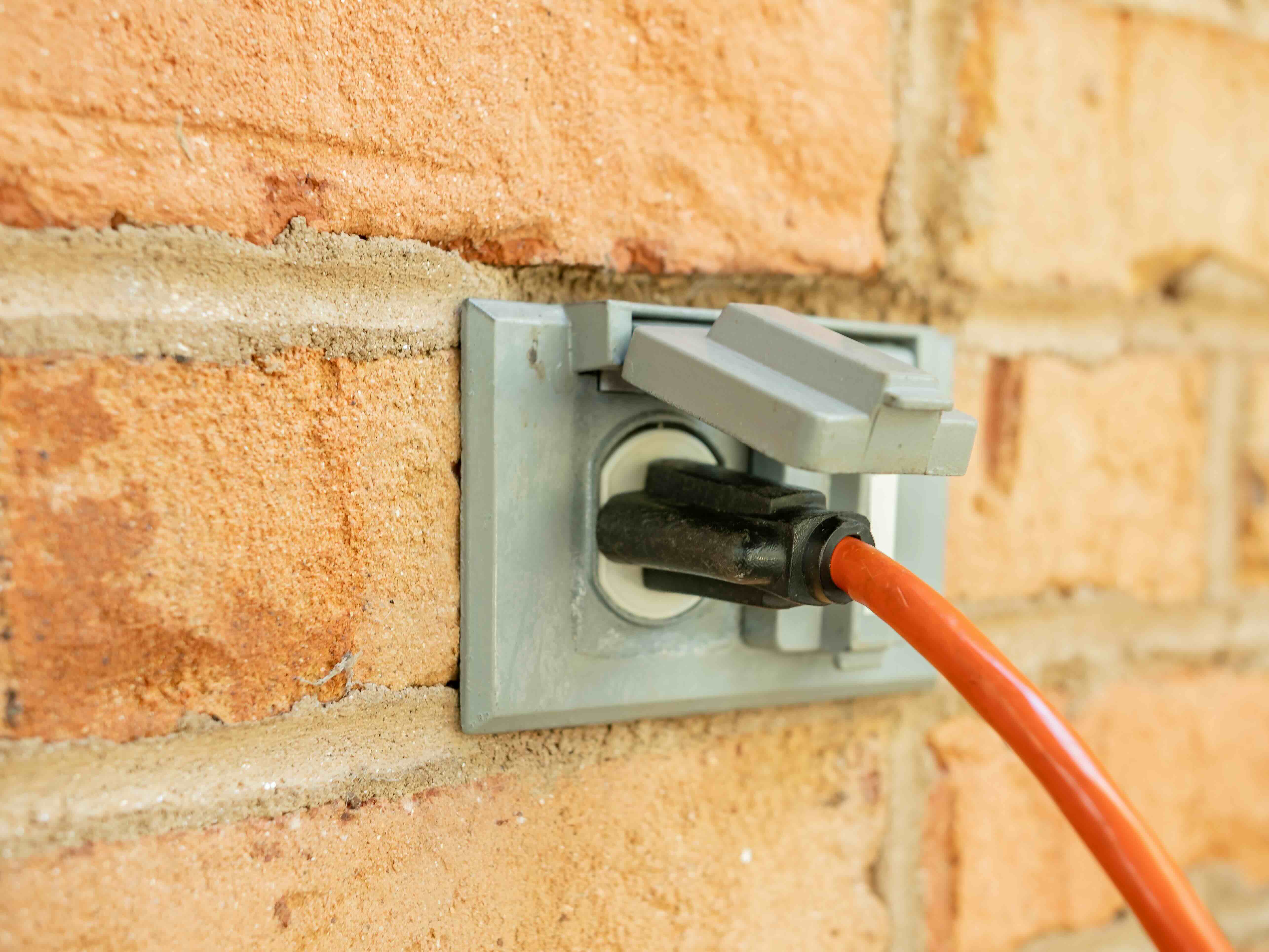
How to Attach an Extension Cord to a Wall: A Practical Guide for Home and Professional Setups
So you've got an extension cord running across the floor and it's already become a tripping hazard -- or maybe it just looks messy. Either way, securing that cord to a wall is genuinely one of those small projects that makes a big difference. It's not complicated, but there are right ways and wrong ways to do it, especially if you're dealing with powered cables in a workspace, home office, or AV setup. Let's walk through this properly.
Why Securing an Extension Cord to a Wall Actually Matters
It's easy to dismiss cord management as an aesthetic concern -- like, who really cares if there's a cable on the floor? But honestly, there's more to it than that. Loose extension cords are a genuine safety hazard. They cause trips and falls, they get pinched under furniture, and when a cord gets bent repeatedly at sharp angles, the internal wiring can degrade over time. That's not just an inconvenience, it's a fire risk. Beyond safety, a cleanly routed cord along a baseboard or wall keeps your environment organized, which matters a lot more when you're working in a professional setting, a rack room, or even a tidy home theater build. The goal here is to anchor the cord cleanly, keep it safe, and make the whole setup look intentional rather than improvised.
What You Need Before You Start
Before anything gets mounted, you need to take stock of your materials. Rushing this part is where most people go wrong. Here's what a solid setup typically requires:
- Cable clips or cord staples rated for indoor use
- A hammer or screwdriver depending on clip type
- Adhesive cable clips for drywall where drilling isn't ideal
- Cable raceways for longer runs that need a cleaner finish
- A measuring tape
- A pencil for marking your route
One thing worth noting -- never use metal staples directly over an extension cord. That's a real hazard that can damage insulation and create a short circuit situation. Always use clips designed specifically for electrical cord management.
Planning Your Cord Route Along the Wall
This step gets skipped constantly and it shouldn't. Before you touch a single clip, figure out where the cord needs to go. Trace the most logical path from the outlet to the destination -- usually that means running along the baseboard, up a wall corner, or along the top edge of a desk frame. Avoid routing near heat sources, behind radiators, or anywhere the cord might get compressed. If you're going around a doorframe, plan for that too. Mark your intended path with a pencil so you're not guessing mid-installation. The more deliberate the plan, the cleaner the final result.
How to Attach the Extension Cord Using Adhesive Cable Clips
For most residential and light commercial applications, adhesive cable clips are genuinely the fastest and cleanest approach, particularly when you're working with drywall and don't want to introduce fastener holes everywhere. Clean the wall surface first with a dry cloth -- adhesive bonds poorly to dust. Peel the backing off your clip, press it firmly against the wall at your marked intervals, and hold it for about thirty seconds. Then feed the cord through the clip channel. Spacing clips every eight to twelve inches keeps the cord from sagging between anchor points, which is particularly important on longer horizontal runs. These clips are removable in most cases, which makes them a good option for renters or temporary installations.
How to Attach the Extension Cord Using Screw-In Cable Clips
If you need something more permanent -- say, you're running an extension cord in a garage, workshop, or along a finished wall that sees a lot of traffic -- screw-in cable clips are the more reliable option. These are small plastic clips with a nail or screw hole through the center. You position the clip at your marked location, press the cord into the clip to verify fit, then drive your nail or screw through the anchor point. It takes a bit more time than the adhesive method, but the hold is substantially stronger. Just be careful not to overtighten and compress the cord. The clip should hold the cord securely without squeezing it.
Using a Cable Raceway for a Fully Professional Finish
If you're running a longer cord -- across an entire wall, around a room perimeter, or in any environment where appearance really counts -- a cable raceway is the right move. Raceways are plastic or metal channels that mount to the wall and completely conceal the cord inside them. They're commonly used in commercial AV installations, office environments, and anywhere you need a truly clean look. Most raceways come with adhesive backing or screw mounting options. The cord sits inside the channel, the cover snaps shut, and from a distance it looks like a deliberate architectural feature rather than a cord run. For technology-heavy spaces, raceways also make it easier to route multiple cables together, which is something worth thinking about if you're managing power, HDMI, or Ethernet in the same wall path.
Common Mistakes to Avoid When Mounting Extension Cords
A few things come up repeatedly that are worth flagging directly. Running an extension cord through a wall cavity is a code violation in most jurisdictions -- extension cords are not rated for in-wall use and this is a genuine fire hazard. Don't do it. Similarly, daisy-chaining extension cords together is not a safe practice regardless of how neatly they're mounted. If your power needs exceed what a single cord can reasonably serve, the right solution is a dedicated power strip with surge protection or a licensed electrician adding an outlet. Also, pay attention to the amperage rating of the cord you're mounting. A 16-gauge cord handles different loads than a 12-gauge cord, and exceeding the rated capacity of any extension cord is dangerous regardless of how cleanly it's installed.
Extension Cord Safety and Long-Term Maintenance
Once your cord is mounted, the job isn't entirely done. Periodically check the clips and make sure nothing has shifted, especially after any wall vibrations, furniture movement, or seasonal temperature changes that can affect adhesive strength. Inspect the cord itself for any signs of wear, cracking insulation, or discoloration near the plug ends. A mounted cord is still a cord under load, and ongoing awareness of its condition is part of responsible use. If you ever notice the cord feeling warm to the touch during normal operation, that's a signal the circuit load may be too high or the cord gauge is undersized for the application.
Why Monoprice Is the Right Partner for Your Power and Cable Management Needs
When it comes to getting the right gear for projects like this -- whether you're managing a single home office setup or spec'ing out an entire commercial installation -- the quality of your components matters more than people generally realize. Monoprice has been a trusted resource for integrators, IT professionals, and everyday technology users for years, offering the kind of performance and reliability that normally costs a lot more from other brands. From heavy-duty extension cords to complete cable management solutions, the product depth is there. If you're putting together a thoughtful power and cable management plan, exploring professional-grade extension cords and cable management solutions at Monoprice is a smart starting point that covers everything from clips and raceways to surge-protected power strips built for real-world demands. The value proposition is consistent -- premium build quality at a price point that makes sense whether you're outfitting a single room or an entire facility.
Frequently Asked Questions
Is it safe to permanently mount an extension cord to a wall?
Yes, mounting an extension cord to a wall using appropriate cable clips or raceways is safe as long as the cord is rated for the load it carries, is not routed through walls or ceilings, and is not covered with insulation or enclosed in ways that trap heat.
Can I run an extension cord inside a wall for a permanent installation?
No. Extension cords are not rated for in-wall use and doing so violates most local electrical codes. For permanent in-wall power routing, a licensed electrician must install properly rated wiring and approved conduit.
What type of clip should I use to attach an extension cord to drywall?
Adhesive cable clips are the most practical option for drywall. They do not require drilling, bond securely to smooth surfaces, and are available in sizes to fit most standard extension cord diameters.
How far apart should cable clips be spaced when mounting an extension cord?
For most horizontal runs, spacing clips every eight to twelve inches prevents sagging and keeps the cord looking neat. Vertical runs may allow slightly wider spacing depending on cord weight.
What is a cable raceway and when should I use one?
A cable raceway is a plastic or metal channel that mounts to the wall and encloses cables inside it. It is the best option for longer runs, multi-cable configurations, or professional environments where a clean, finished appearance is required.
Can I use metal staples to secure an extension cord?
No. Metal staples can damage cord insulation and create a short circuit or fire hazard. Always use plastic cable clips or clips specifically designed for electrical cord management.
How do I know if my extension cord is the right gauge for my application?
Lower gauge numbers indicate thicker wire and higher amperage capacity. A 12-gauge cord handles heavier loads than a 16-gauge cord. Check the amperage rating of the devices you're powering and match the cord gauge accordingly.
Is it okay to mount an extension cord near a heat source or radiator?
No. Extension cords should never be routed near heat sources. Elevated temperatures degrade insulation over time, increasing the risk of shorts, arcing, and fire.
What should I do if my extension cord feels warm during use?
A warm cord typically indicates that the connected load is close to or exceeding the cord's rated capacity, or that the cord gauge is undersized. Reduce the load, replace the cord with a higher-rated one, or consult an electrician about adding a dedicated circuit.
Can I mount an extension cord outdoors using the same methods?
Outdoor installations require extension cords and clips specifically rated for exterior use. Standard indoor clips and adhesives are not designed for moisture, UV exposure, or temperature fluctuations, so using outdoor-rated hardware is essential for safety and durability.


