

HDMI 2.1: Future-Ready Audio and Video at 48Gbps Speed
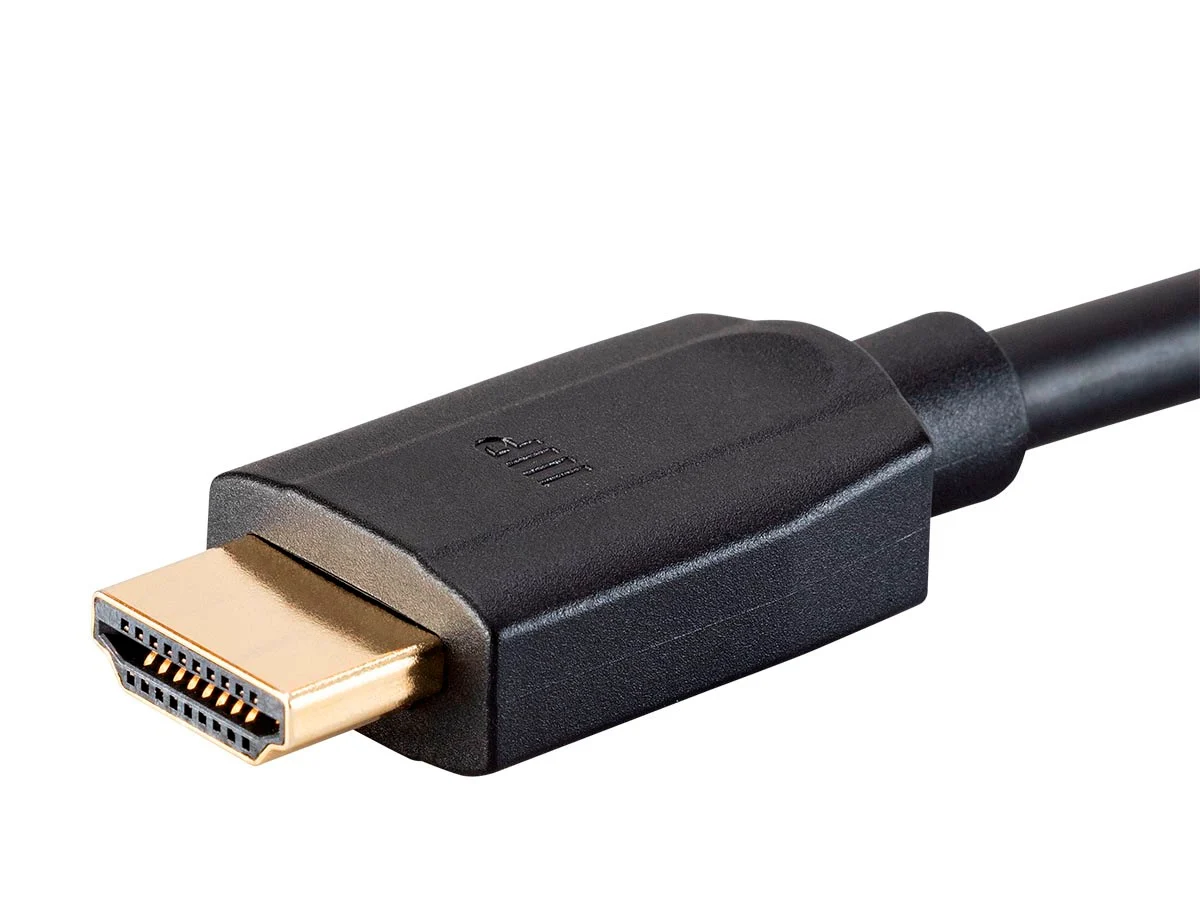
HDMI 2.1 Explained: What It Is, How It Works, and Why It Matters
If you have been shopping for a new TV, gaming monitor, or AV receiver lately, you have almost certainly seen HDMI 2.1 listed as a feature. And honestly, it is not just marketing noise. HDMI 2.1 is a genuinely significant leap in the interface standard, one that changes what is actually possible in home theaters and professional AV installations alike. So what exactly is it, why does the bandwidth number matter so much, and is it worth caring about right now? Let us break it all down in plain terms.
What Is HDMI 2.1 and How Does It Differ from Previous Versions
HDMI 2.1 is the latest major revision of the High-Definition Multimedia Interface standard, developed by HDMI Licensing Administrator and officially released in 2017. The headline number here is 48 gigabits per second of total bandwidth. For comparison, HDMI 2.0 maxed out at 18 Gbps. That is not a modest upgrade. That is nearly three times the throughput, which opens the door to resolutions, refresh rates, and audio formats that simply were not practical before. The physical connector looks the same as older HDMI ports, which is convenient, but what is happening electrically inside that cable is a completely different story. Higher bandwidth means more data can travel per second, and more data means sharper images, faster frame delivery, and richer audio, all at the same time without compromise.
The 48Gbps Bandwidth Advantage: Why That Number Is a Big Deal
Bandwidth in AV is essentially the pipeline size. More bandwidth means you can push more visual and audio information through that connection without compression artifacts or resolution trade-offs. With 48Gbps, HDMI 2.1 can handle uncompressed 4K video at 120 frames per second and 8K video at 60 frames per second. Those are not just theoretical specs sitting in a datasheet. They represent real, tangible improvements in image fluidity and clarity. At 4K 120Hz, motion is dramatically smoother, which matters enormously for gaming, sports content, and fast-cut cinematic sequences. At 8K 60Hz, you are dealing with a level of visual detail that genuinely changes the viewing experience on large format displays. There is also headroom built into that bandwidth for HDR metadata, audio channels, and future formats, which is part of what makes HDMI 2.1 feel genuinely future-ready rather than just barely adequate.
Key Features That Come With HDMI 2.1
The jump to 48Gbps is the foundation, but HDMI 2.1 also introduced several important features that travel with that increased bandwidth capacity. These capabilities collectively define the standard and explain why the AV industry has moved toward it so decisively.
Variable Refresh Rate, or VRR, synchronizes the refresh rate between a source device and a display dynamically, which nearly eliminates screen tearing and stuttering in gaming environments. Enhanced Audio Return Channel, known as eARC, allows high-bandwidth audio formats including Dolby Atmos and DTS:X to be sent back through the HDMI cable to a soundbar or AV receiver without needing a separate audio connection. Auto Low Latency Mode, or ALLM, automatically switches a display into its lowest latency mode when a gaming signal is detected. Quick Frame Transport, or QFT, reduces latency by transmitting frames faster across the connection. Quick Media Switching, or QMS, eliminates the black screen delay that occurs when switching between content with different frame rates. Display Stream Compression, or DSC, is a visually lossless compression method that allows even higher resolutions and frame rates to be transmitted without perceptible quality loss.HDMI 2.1 and Gaming: A Match That Actually Delivers
It is worth spending a moment on gaming specifically, because HDMI 2.1 has arguably transformed the console and PC gaming experience more than any previous version of the standard. The PlayStation 5 and Xbox Series X both shipped with native HDMI 2.1 ports, and for good reason. To actually run 4K at 120Hz on either platform, you need 2.1. There is no way around that bandwidth requirement. Combined with VRR and ALLM, the result is a gaming experience that is more responsive, more visually fluid, and far less prone to the tearing and latency issues that plagued previous generations. High refresh rate gaming at 4K is no longer just a PC enthusiast privilege reserved for expensive setups. HDMI 2.1 made it accessible at the console level, which is a meaningful shift for the broader market.
HDMI 2.1 for Pro AV and Home Theater Installations
Beyond gaming, HDMI 2.1 has real implications for integrators and home theater builders. The eARC capability alone changes how audio is routed in a modern system. Instead of running separate optical or coaxial audio cables to extract lossless surround formats, eARC handles that over the existing HDMI run. For installers, that is fewer cables, cleaner racks, and fewer potential failure points. For end users, it is simpler setup and better audio without the confusion of secondary connections. When you add the ability to pass through 8K signals as 8K content gradually enters the market, HDMI 2.1 also provides a level of infrastructure longevity that 2.0 simply cannot match. If you are building a new home theater today and expecting that installation to perform well for the next five to eight years, 2.1 is the baseline you should be wiring to.
Common Drawbacks and Things to Watch Out For
HDMI 2.1 is not without its complications. The standard has faced some inconsistency in implementation across manufacturers, particularly in the early years of adoption. Some displays and receivers shipped with ports labeled as HDMI 2.1 but were implemented with limited bandwidth, often capped at 32Gbps rather than the full 48Gbps. That matters because a 32Gbps port cannot support 4K 120Hz with HDR simultaneously in all cases. Buyers need to verify the actual bandwidth rating of any port before assuming full 2.1 capability. Cable quality is also critical. Not all cables marketed as HDMI 2.1 are certified to carry the full 48Gbps. Always look for cables certified by HDMI.org as Ultra High Speed HDMI, which is the only certification that guarantees 48Gbps support. Substandard cables can cause signal dropouts, handshake failures, or invisible bandwidth throttling that quietly degrades the experience.
How to Choose the Right HDMI 2.1 Cable for Your Setup
Choosing an HDMI 2.1 cable does not have to be complicated, but there are a few practical checkpoints worth following. First, confirm that the cable carries the Ultra High Speed HDMI certification logo. Second, match cable length to your actual need without over-buying, since longer passive cables face greater signal degradation at high frequencies. For runs beyond three meters, an active cable or fiber optic HDMI solution may be warranted to maintain full bandwidth integrity. Third, verify that both the source device and the display both have HDMI 2.1 ports. A certified 2.1 cable between a 2.0 source and a 2.1 display will still only operate at 2.0 speeds. The entire chain has to support the standard to realize its full capability.
Is HDMI 2.1 Worth Upgrading to Right Now
The short answer is yes, if your hardware supports it. If you have a current-generation gaming console, a new PC with a modern GPU, or a recently purchased 4K television, the likelihood is that HDMI 2.1 is already present in your setup and you should be using certified cables to take full advantage of it. If you are in the process of planning a new home theater build or upgrading an existing AV system, specifying HDMI 2.1 throughout from the start is the clearly smarter decision. The cost difference between a 2.0 and 2.1 certified cable is minimal relative to the capability gap. Future-proofing your cabling infrastructure now costs less than rewiring later when 8K content and higher frame rate formats become more common, and that day is approaching faster than many expect.
Why Monoprice Is the Smart Choice for HDMI 2.1 Cables and AV Accessories
When it comes to sourcing certified HDMI 2.1 cables and AV accessories that actually perform as advertised, Monoprice has built a well-earned reputation for delivering premium-grade products at prices that make sense for both individual consumers and professional integrators. Every Ultra High Speed HDMI cable in the Monoprice lineup is certified by HDMI.org, which means there is no guesswork about whether your cable can actually handle the full 48Gbps specification. That certification is not a marketing claim. It is a tested, verified standard, and Monoprice backs it fully. Whether you are outfitting a home theater, setting up a gaming room, or spec-ing cables for a commercial AV installation, you can find HDMI 2.1 ultra high speed cables and pro AV accessories at Monoprice that meet the full standard without the inflated price tags attached to other brands. The value proposition is straightforward: professional performance, honest specs, and pricing that respects your budget. That is a combination that is genuinely hard to beat anywhere in the market.
Frequently Asked Questions About HDMI 2.1
What is the maximum resolution supported by HDMI 2.1?
HDMI 2.1 supports resolutions up to 10K, with practical support for 8K at 60Hz and 4K at 120Hz using its full 48Gbps bandwidth. It can also support 4K at 144Hz using Display Stream Compression.
Is HDMI 2.1 backward compatible with older HDMI ports?
Yes. HDMI 2.1 cables and ports are backward compatible with previous versions including HDMI 2.0 and 1.4. The connection will operate at the highest specification that both devices support.
Do I need a special cable for HDMI 2.1?
Yes. To use the full 48Gbps bandwidth of HDMI 2.1, you need a cable certified as Ultra High Speed HDMI by HDMI.org. Standard high-speed cables will not support the full specification.
What does eARC mean on an HDMI 2.1 port?
eARC stands for Enhanced Audio Return Channel. It allows high-bandwidth lossless audio formats like Dolby Atmos and DTS:X to travel back through a single HDMI cable from a TV to an AV receiver or soundbar, eliminating the need for separate audio cables.
Can HDMI 2.1 support 4K at 120Hz with HDR at the same time?
Yes, but only on ports with the full 48Gbps bandwidth. Some devices use limited HDMI 2.1 implementations capped at 32Gbps, which may restrict simultaneous 4K 120Hz and HDR output. Always verify the bandwidth rating of your specific port.
Does HDMI 2.1 reduce input lag for gaming?
HDMI 2.1 includes features like Auto Low Latency Mode and Quick Frame Transport that actively reduce input lag and eliminate processing delays, which is a meaningful improvement for competitive and fast-paced gaming.
What is Variable Refresh Rate and why does it matter?
Variable Refresh Rate, or VRR, synchronizes the frame output of a source device with the refresh rate of the display in real time. This eliminates screen tearing and reduces stuttering, resulting in a much smoother gaming and viewing experience.
How long can an HDMI 2.1 passive cable be before signal quality drops?
Passive HDMI 2.1 cables are generally reliable up to about two to three meters for full 48Gbps performance. For longer runs, an active HDMI 2.1 cable or a fiber optic HDMI cable is recommended to maintain signal integrity.
Is 8K content actually available to justify HDMI 2.1 right now?
8K content is still limited but growing. However, the more immediate benefit is 4K at 120Hz, which is widely supported today by gaming consoles, modern GPUs, and streaming services. The 8K support future-proofs your installation for content that is coming.
What is the difference between HDMI 2.0 and HDMI 2.1 in practical terms?
HDMI 2.0 is limited to 18Gbps, which supports 4K at 60Hz with HDR. HDMI 2.1 offers 48Gbps, enabling 4K at 120Hz, 8K at 60Hz, VRR, eARC, ALLM, and other advanced features that 2.0 simply cannot deliver.


