

Grounded RJ45 Wall-Mounted Connectors for Clean Signal
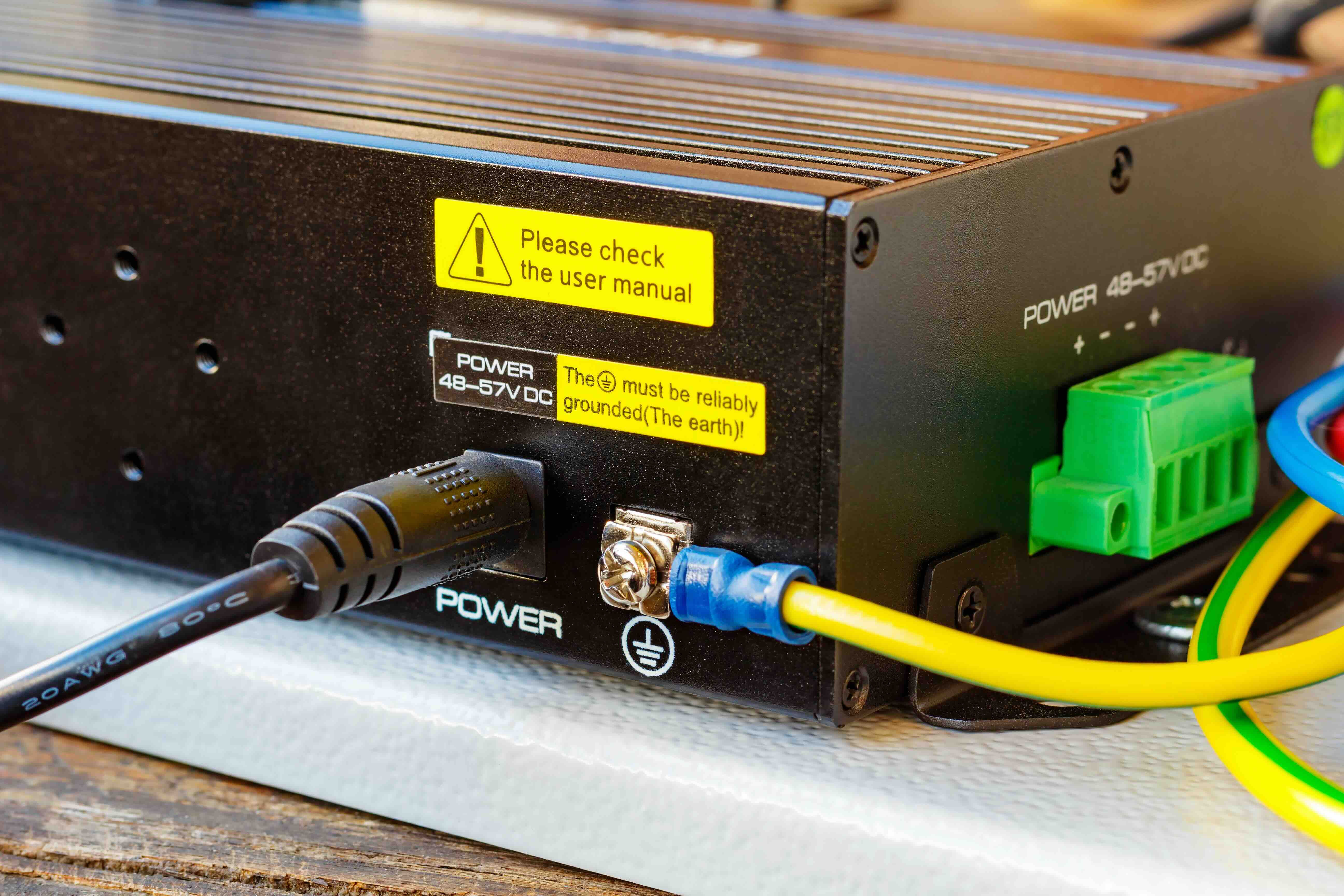
What Is a Grounded Wall-Mounted Connector and Why Does It Matter?
If you work in AV installation, structured wiring, or even basic home networking, you have probably come across the term "grounded wall plate connector" at some point. It sounds technical, maybe a little dry, but here is the thing -- it actually plays a pretty important role in how signal integrity and electrical safety work together in a real installation. A grounded wall-mounted connector is essentially a keystone-style or panel-mount receptacle that is physically secured to a wall surface and includes a grounding path as part of its design. This is different from a floating or ungrounded connector in that it ties the shield or chassis of the connection point directly into a ground reference, which matters a lot more than people initially think.
The Connector Type That Fits This Description: Grounded RJ45 Wall Plates
The connector that most commonly shows up in this conversation is the shielded RJ45 keystone jack mounted in a wall plate -- specifically one where the jack includes metal shielding that connects to the wall plate's grounded infrastructure. This is the category of connector that is available as a wall-mounted device and is actively grounded in professional and enterprise technology environments. You will find these in data centers, commercial offices, hospital networks, educational institutions, and anywhere EMI (electromagnetic interference) is a genuine concern. Shielded RJ45 wall jacks designed for STP or FTP cabling infrastructures provide both a physical mounting point and a grounded termination for the network cable, which is exactly what this category of connector is defined by.
How a Grounded Wall-Mounted Connector Actually Works
Okay so here is where it gets interesting from a technical standpoint. When you install a shielded RJ45 keystone jack into a metal-backed or shielded wall plate, the connector's external metal shell makes contact with that plate. That plate, in turn, is bonded to the building's grounding system through the structured cabling infrastructure -- specifically the grounding conductor in the cable itself and the patch panel's grounding path back to the main distribution frame. The point of all this is to create a continuous, low-impedance ground path from the cable shield all the way through the connector and into the building's electrical ground. This prevents induced noise, reduces crosstalk between cables in high-density environments, and helps protect connected equipment from ESD events. It is not just a theoretical benefit -- in environments with heavy machinery, fluorescent lighting, or dense wireless infrastructure running nearby, this grounded path can be the difference between clean signal and noisy, degraded throughput.
Key Advantages of Using Grounded Wall-Mounted Connectors
There are several real, measurable benefits to choosing a grounded wall-mounted connector setup over unshielded alternatives. These benefits are especially relevant for IT professionals and AV integrators who are specifying infrastructure that needs to last and perform over years of heavy use.
- Reduced electromagnetic interference for cleaner signal transmission
- Continuous ground path that protects downstream equipment
- Improved performance in high-density cable environments
- Better compliance with TIA-568 and ISO 11801 shielded cabling standard
- Extended cable run support with less signal degradation
- Enhanced protection against electrostatic discharge events
- Professional-grade reliability for both data and low-voltage AV applications
Common Drawbacks You Should Know Before Specifying
Nothing is without trade-offs, and grounded wall-mounted connectors are no exception. The first and most significant issue is that grounding only works correctly when the entire cabling infrastructure is grounded consistently. If you install shielded connectors and shielded cable but terminate one end without proper grounding, you can actually create a ground loop -- which can introduce more noise than you started with. This is a real problem in mixed installations where someone swapped in an unshielded patch cord or used a non-grounded patch panel. Beyond that, shielded components generally cost more than unshielded ones, and the installation requires more attention to detail. You also need to ensure the building's electrical grounding system is properly bonded and up to code, or the entire shielded infrastructure loses its effectiveness. So while the benefits are meaningful, the implementation has to be done right from end to end.
When Should You Actually Use a Grounded Wall-Mounted Connector?
Honestly, not every installation needs one. For a small home network running standard Cat6 UTP through drywall with no significant interference sources nearby, an unshielded keystone jack in a standard plastic wall plate works just fine and costs less. But if you are specifying infrastructure for a manufacturing floor, a broadcast studio, a healthcare facility, or any environment where interference is a real operational concern, grounded shielded wall connectors are not optional -- they are the professional standard. The same goes for installations using Cat6A or Cat8 cabling, where the shielding is already built into the cable design and the connector needs to carry that shield through to maintain the system's overall performance rating. If the cable is shielded and the connector is not grounded, you have essentially broken the continuity of the entire shielded system at the termination point.
Installation Tips for Grounded Wall-Mounted Connectors
Getting this right takes a bit of planning upfront. A few things worth keeping in mind before you pull cable or punch down a single wire.
- Always use fully shielded patch cords to maintain ground continuity from wall to device
- Bond the wall plate or back box to the building ground if using a metallic enclosure
- Verify that your patch panel is grounded to the rack and the rack to the building's main ground bar
- Test continuity of the ground path using a cable certifier after installation
- Avoid mixing shielded and unshielded components in the same run
- Label shielded ports clearly so future technicians do not inadvertently break the ground path
- Use manufacturer-rated shielded keystones that are rated to match your cabling category
Grounded Wall Plates vs. Standard Wall Plates: A Quick Comparison
People sometimes ask whether they can just ground a standard wall plate after the fact. The short answer is not effectively. Standard plastic wall plates have no conductive path and no mechanism for bonding to a ground reference. A properly designed shielded wall plate or metal gang box with a shielded keystone jack is the correct approach. The connector itself needs to have a metal housing that physically mates with the plate and maintains electrical continuity throughout. This is why these products are sold as a system -- shielded cable paired with shielded keystones and shielded patch cords, all terminating into a grounded patch panel. Substituting any one element breaks the chain. The investment in doing it right the first time pays off in system reliability and compliance, especially in installations that are subject to inspection or governed by industry standards.
Why Monoprice Is the Practical Choice for Grounded Networking Infrastructure
When it comes to sourcing shielded RJ45 wall-mounted connectors and the surrounding infrastructure components, the quality-to-cost equation matters a great deal. Monoprice has built a well-established reputation among IT professionals, AV integrators, and enterprise procurement teams for delivering products that meet industry standards without inflating the budget. Whether you are outfitting a single conference room or running cable through an entire commercial facility, you want components that are tested, rated, and priced to make large-scale deployment financially realistic. Monoprice carries a broad range of shielded keystone jacks, wall plates, patch panels, and structured cabling accessories that support grounded installations from end to end. If you are ready to build or upgrade a shielded network infrastructure that performs reliably and meets professional standards, explore shielded RJ45 wall-mounted connectors and grounded networking components from Monoprice and see how far your budget can actually go without sacrificing performance. The value is there, the specs are real, and the product range supports everything from small business to enterprise-grade deployments.
Frequently Asked Questions About Grounded Wall-Mounted Connectors
What is a grounded wall-mounted connector?
A grounded wall-mounted connector is a network or data connector, typically a shielded RJ45 keystone jack, that is physically installed in a wall plate and includes a metal housing that connects to a grounding path within the structured cabling system.
Why does a wall-mounted connector need to be grounded?
Grounding a wall-mounted connector ensures that the cable shield has a continuous low-impedance path to electrical ground, which reduces electromagnetic interference, protects connected equipment, and maintains signal integrity across the installation.
What type of cable is used with grounded wall-mounted connectors?
Shielded twisted pair cable, such as STP, FTP, or S/FTP variants of Cat6, Cat6A, or Cat8, is used with grounded wall-mounted connectors to maintain a continuous shield from the patch panel to the wall outlet.
Can I use a grounded keystone jack with an unshielded patch cord?
Technically you can, but doing so breaks the ground continuity and eliminates most of the interference protection benefits. For a grounded system to function properly, all components including patch cords must be fully shielded.
What is the difference between a shielded and unshielded wall plate?
A shielded wall plate uses a metal housing or a metal-backed mounting surface that allows the keystone jack's shield to make electrical contact with the grounding path. An unshielded wall plate is typically plastic and provides no conductive path for grounding.
Will using a grounded connector eliminate all network interference?
Grounding significantly reduces interference, but it does not eliminate all possible sources. The entire cabling run, from patch panel to wall jack, must be shielded and properly grounded for the system to provide maximum protection against EMI.
What standards apply to grounded shielded cabling installations?
The primary standards are TIA-568 in North America and ISO 11801 internationally. Both specify requirements for shielded cabling system design, grounding, and bonding to ensure consistent performance and interoperability.
Is a grounded wall-mounted connector required for Cat6A installations?
Cat6A is available in both shielded and unshielded versions, so it is not always required. However, shielded Cat6A installations do require properly grounded connectors and wall plates to maintain the performance rating and alien crosstalk specifications of the cable.
Can grounded wall connectors prevent ground loops?
Grounded connectors do not prevent ground loops on their own. Ground loops occur when there are multiple ground reference points at different potentials. Proper bonding of all grounding points to a single reference within the building's electrical system is the correct way to prevent ground loops.
How do I verify that my grounded wall connector installation is working correctly?
Use a cable certifier that supports shield continuity testing. These tools verify that the ground path is intact from one end of the cable run to the other and confirm that the shielded installation meets the required performance specifications for the installed cable category.


