

Grounded HDMI Cables: Better Signal, Less Interference
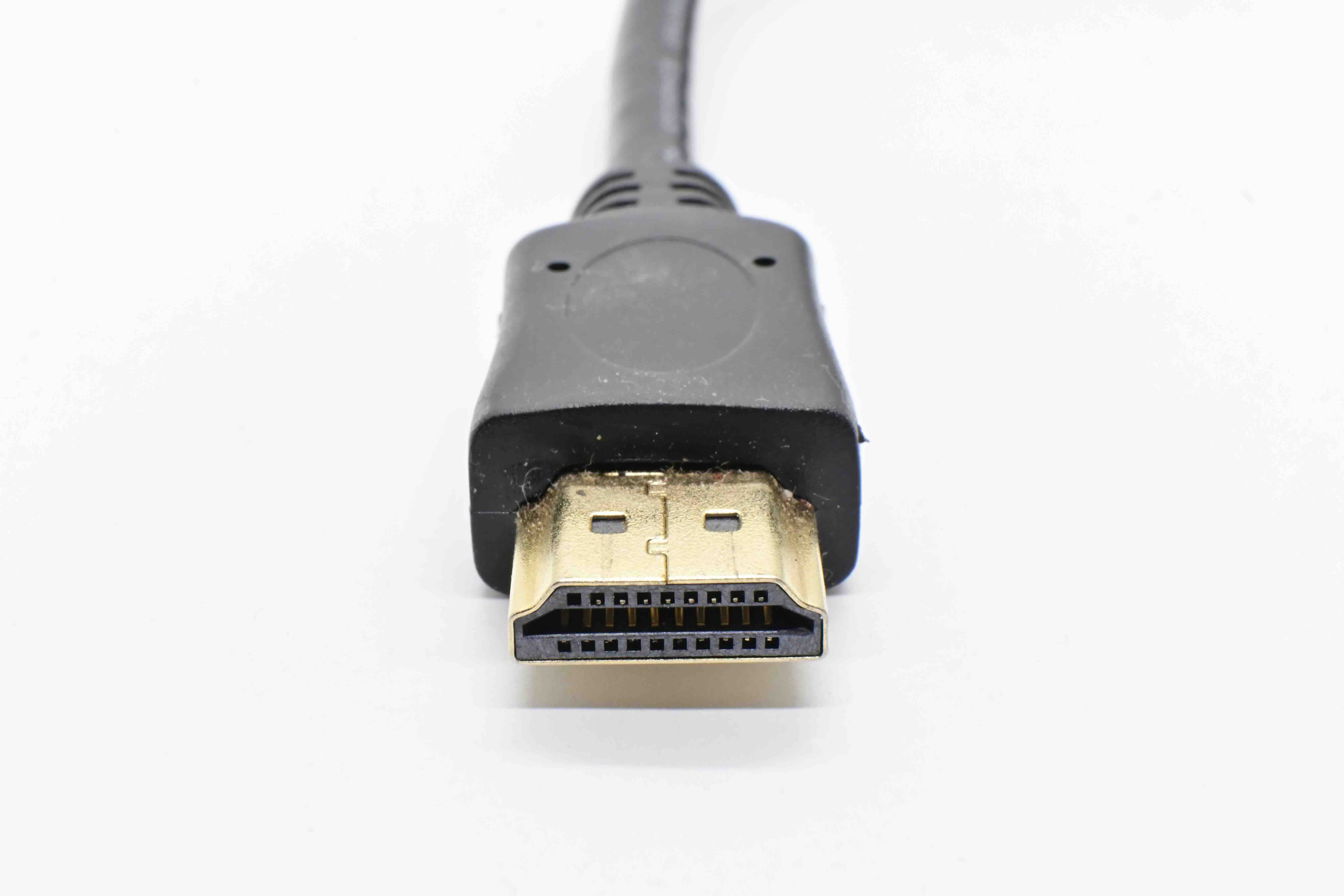
What Is a Grounded HDMI Cable and Why Does It Matter?
So you have heard the term "grounded HDMI cable" floating around tech forums or product listings and you are wondering what it actually means. Fair question. HDMI, which stands for High-Definition Multimedia Interface, is the standard connection type used to transmit high-quality audio and video signals between devices like TVs, monitors, projectors, gaming consoles, and laptops. A grounded HDMI cable takes the standard design a step further by incorporating shielding and grounding elements that protect the signal from electromagnetic interference, also known as EMI, and radio frequency interference, or RFI. This is not just a marketing term. It reflects real engineering choices that affect how reliably your signal travels from point A to point B, especially over longer cable runs or in environments filled with other electronic equipment.
How HDMI Cables Actually Work
At the core, an HDMI cable carries digital data -- audio, video, and control signals -- through a series of twisted wire pairs inside the cable jacket. Standard HDMI cables handle this well at short distances in clean signal environments. But when you start running cables across a room, behind walls, or near power lines and wireless routers, you introduce variables that can degrade signal quality. Grounded HDMI cables address this through layered shielding, typically a combination of foil shielding around individual pairs and an outer braided shield that provides a conductive path to ground. This dissipates interference before it can distort the signal. The result is a more stable, consistent connection -- fewer dropped signals, no flickering, and cleaner audio output, particularly at higher resolutions like 4K and 8K.
Grounding vs. Standard Shielding: What Is the Difference?
This is where it gets a little nuanced, and honestly, a lot of product descriptions blur this line. Standard shielded cables include a foil or braid layer to block EMI, but grounded cables go further by ensuring that shielding layer has a proper electrical path to dissipate captured interference. Think of it like this: shielding catches the noise, grounding removes it. Without a proper ground connection, the shielding layer can actually become a secondary antenna, picking up more interference rather than eliminating it. Grounded HDMI cables, particularly those designed with a drain wire or grounded connector housing, ensure that captured electrical noise exits the cable path rather than bleeding into the signal. This distinction matters most in professional AV installations, home theater builds, and commercial environments where signal integrity is non-negotiable.
Key Advantages of Using a Grounded HDMI Cable
There are several compelling reasons to choose a grounded HDMI cable over a standard option, especially as display technology continues to push into higher resolutions and faster refresh rates. Here is a breakdown of the primary benefits you can expect:
- Reduced electromagnetic and radio frequency interference for cleaner signal transmission
- Improved performance over longer cable runs where signal degradation is more likely
- Greater reliability in environments with multiple active electronic devices
- Consistent support for high-bandwidth formats including 4K at 120Hz and 8K at 60Hz
- More stable connections that minimize issues like image flickering or audio dropout
- Enhanced durability through reinforced connector housings and robust cable construction
Common Drawbacks to Be Aware Of
No cable technology is perfect, and it is worth being upfront about the limitations. Grounded HDMI cables tend to be slightly heavier and less flexible than basic cables due to additional shielding layers. This can make routing in tight spaces or behind panels a bit more involved. They also typically cost more than unshielded alternatives, though the price gap has narrowed considerably as the technology has become more mainstream. For very short cable runs in low-interference environments, such as connecting a streaming device directly to a nearby TV, you may not notice a practical difference between a grounded cable and a standard shielded one. The benefits become much more pronounced in longer runs, rack-mounted AV setups, commercial installations, and any application where signal quality directly impacts user experience or professional output.
When Should You Use a Grounded HDMI Cable?
The honest answer is: more often than most people think. A grounded HDMI cable is worth considering in the following situations. Running cable lengths greater than 10 feet where signal attenuation begins to become a real concern. Installing in commercial spaces like conference rooms, retail environments, or classrooms where multiple devices operate simultaneously. Building a dedicated home theater where you want the cleanest possible 4K or 8K HDR picture without any signal artifacts. Setting up professional AV or broadcast equipment where interference tolerance is minimal. Using the cable near power distribution systems, fluorescent lighting, or wireless access points. Honestly, if you are investing in quality display equipment, it makes little sense to compromise on the cable connecting it all.
HDMI Versions and Grounded Cable Compatibility
One thing to keep straight: HDMI cables are built to support specific versions of the HDMI specification, and grounded cables are available across the full range. HDMI 2.0 supports 4K at 60Hz and is still widely used. HDMI 2.1 pushes into 8K at 60Hz and 4K at 120Hz territory, requiring higher bandwidth capacity and even tighter signal integrity. When shopping for a grounded HDMI cable, confirm that it meets the bandwidth requirements of your specific use case. A cable labeled as HDMI 2.1 certified with full 48Gbps bandwidth support will handle current and near-future display formats without issue. Proper grounding and shielding are especially critical at these higher bandwidths because more data traveling through the cable means more sensitivity to interference disrupting the transmission.
Practical Tips for Choosing and Using Grounded HDMI Cables
Before purchasing, there are a few practical considerations that will help you get the right cable for the job. Match the cable version to your device's HDMI output specification. Do not overspend on 8K-rated cables if your setup tops out at 4K. For permanent wall installations, prioritize cables with a CL2 or CL3 in-wall safety rating in addition to grounding. Check that connectors are gold-plated, which resists corrosion and ensures a reliable electrical connection over time. For commercial or professional installs, look for cables that include a drain wire for proper ground path continuity. Test cables after installation using a signal analyzer or simple display check before finalizing any wall closure or cable management work. Keeping cable runs as direct as possible, avoiding sharp bends and excessive coiling, also helps preserve signal integrity regardless of cable type.
Why Monoprice Is a Trusted Source for Grounded HDMI Cables
When it comes to sourcing reliable, high-performance HDMI cables without overpaying, Monoprice has built a well-earned reputation in both the consumer and professional AV markets. The product lineup covers the full spectrum of HDMI cable needs, from standard 4K-compatible options to fully certified HDMI 2.1 cables rated for 48Gbps bandwidth, all engineered with the shielding and build quality that professional installations demand. For integrators, IT managers, and serious home theater builders who need a dependable supply of performance-grade cables, you can explore the full range of high-performance grounded HDMI cables and professional AV connectivity solutions that Monoprice offers at consistently competitive prices. The value proposition is straightforward: premium materials, certified performance, and transparent specs -- all without the inflated price tags that often come with brand-name alternatives. Whether you are outfitting a single conference room or speccing cable for a full commercial AV deployment, Monoprice delivers the performance and reliability the job requires.
Frequently Asked Questions About Grounded HDMI Cables
What makes an HDMI cable grounded?
A grounded HDMI cable includes shielding, such as foil and braided layers, along with a drain wire or grounded connector housing that provides a conductive path to dissipate electromagnetic interference rather than allowing it to affect the signal.
Is a grounded HDMI cable necessary for 4K or 8K displays?
It is not always required for short runs in clean environments, but it is strongly recommended for any cable run over 10 feet or in spaces with significant electronic interference, since higher resolutions demand tighter signal integrity.
Can I use a grounded HDMI cable with any HDMI port?
Yes. Grounded HDMI cables are fully backward compatible and will work with any standard HDMI port regardless of the version, though you should match the cable's bandwidth rating to your device's output capabilities for best results.
Does cable length affect whether I need a grounded HDMI cable?
Absolutely. Signal degradation increases with distance, and the risk of interference picking up along longer cable runs makes grounding and shielding significantly more important as cable length increases beyond 10 to 15 feet.
What is the difference between HDMI 2.0 and HDMI 2.1 in terms of grounding needs?
HDMI 2.1 cables carry up to 48Gbps of bandwidth compared to 18Gbps for HDMI 2.0, meaning any interference has a greater potential to disrupt signal transmission, making proper shielding and grounding even more critical at that spec level.
Will a grounded HDMI cable eliminate picture flickering?
If flickering is caused by electromagnetic interference or a loose electrical connection, a properly grounded and shielded HDMI cable can resolve the issue. However, flickering caused by device compatibility problems or a faulty port may require a different solution.
Are grounded HDMI cables safe to install inside walls?
Grounded HDMI cables that carry a CL2 or CL3 in-wall safety rating are approved for in-wall installation. Always verify that rating on the cable jacket before routing through walls or ceilings to meet local electrical codes.
How do I know if my environment requires a grounded HDMI cable?
If you are working near fluorescent lighting, wireless access points, power distribution equipment, or multiple simultaneous electronic devices, a grounded cable is a smart investment to prevent interference from compromising your audio and video signal.
Does a grounded HDMI cable support HDR and audio formats like Dolby Atmos?
Yes, as long as the cable meets the bandwidth and version requirements for your devices. A grounded HDMI 2.1 cable will support HDR10, Dolby Vision, Dolby Atmos, and DTS:X without any degradation when used within its rated specifications.
Is there a significant price difference between grounded and standard HDMI cables?
The price difference has become smaller over time. Grounded and heavily shielded HDMI cables typically cost modestly more than basic options, but the performance and reliability benefits make them a practical and cost-effective choice for any serious installation.


