

Exterior Wall Plates for Clean Outdoor AV Installations
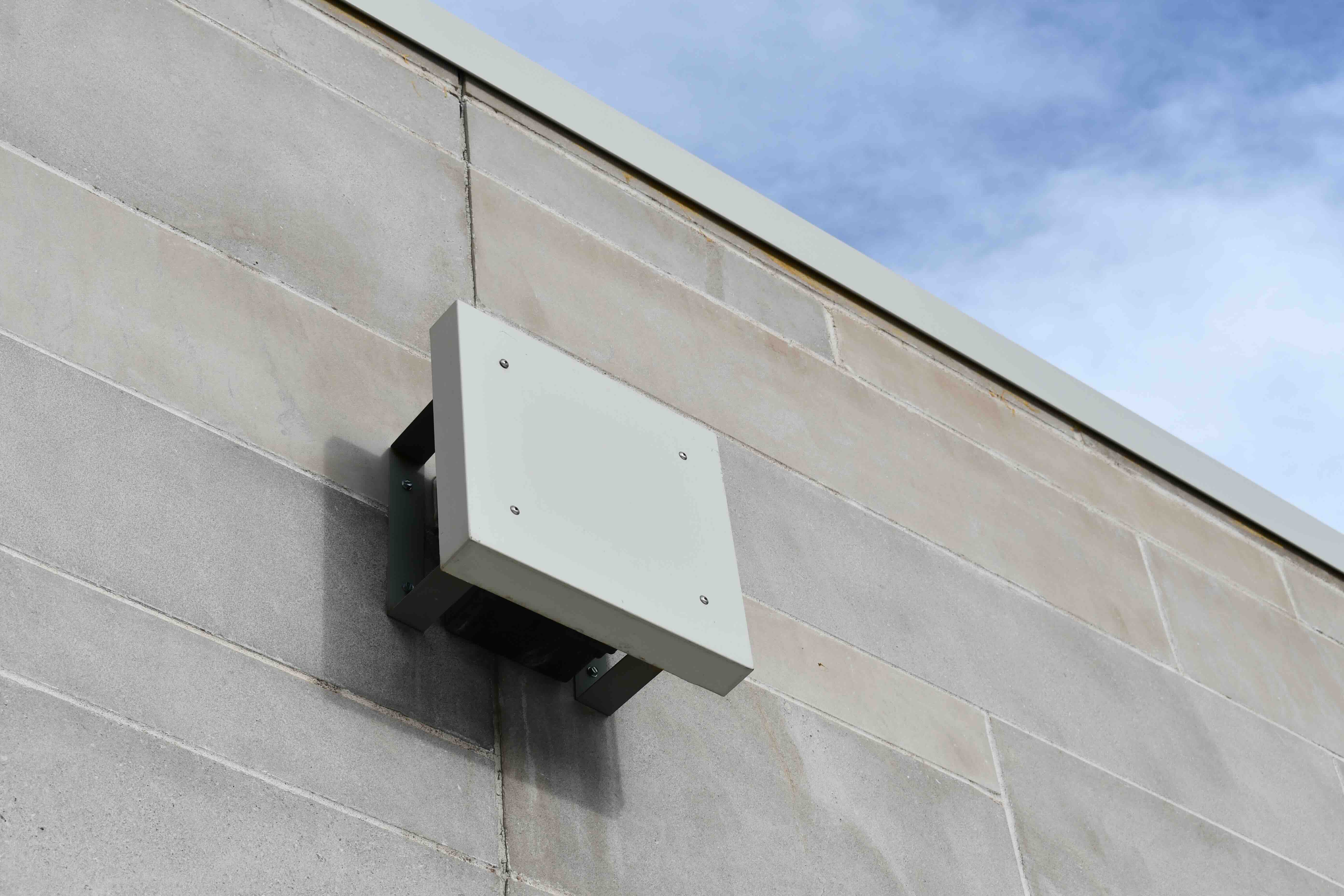
What Is an Exterior Wall Plate and Why Does It Matter in Modern Tech Installations?
An exterior wall plate is one of those components that does not always get the attention it deserves, but anyone who has done a clean, professional cable installation knows how much it matters. At its core, an exterior wall plate is a mounting panel installed on the outside-facing surface of a wall, designed to house cable pass-throughs, ports, or connectors that allow cables and signals to move between the inside and outside of a structure. Think outdoor AV setups, landscape audio systems, network connections running to detached garages or outbuildings, or even security camera wiring that needs a clean termination point. It is the bridge between your interior infrastructure and the real world outside, and when done right, it looks intentional and professional rather than like an afterthought.
How Exterior Wall Plates Actually Work
The mechanics here are more straightforward than you might think. An exterior wall plate mounts to an outdoor-rated electrical box or directly onto a wall surface, depending on the application. Inside the plate, you will find openings configured for whatever connectors you are running, whether that is coaxial fittings, Ethernet jacks, HDMI ports, or simple cable brush inserts that let raw cabling pass through cleanly. Weather resistance is built into the design through gaskets, sealed enclosures, and UV-resistant materials, which keeps moisture, dust, and insects from working their way into the structure through the wall opening. Some plates include flip covers or sliding doors over the ports, adding another layer of environmental protection. Essentially, the plate is doing two things simultaneously: providing a clean, accessible connection point and acting as the first line of defense against outdoor environmental exposure.
Common Types of Exterior Wall Plates
Not all exterior wall plates are built the same, and the type you need really depends on what you are trying to accomplish. Here is a breakdown of the most common configurations you will run into:
- Pass-Through Brush Plates: Feature a rubber or nylon brush insert that allows cables of various diameters to pass through while blocking drafts and pests.
- Coaxial Wall Plates: Designed for F-type coaxial connections used in satellite, cable TV, or outdoor antenna feeds.
- Ethernet Wall Plates: Include keystone-style RJ45 jacks for outdoor network extensions, commonly used with outdoor-rated Cat6 or Cat6A cable.
- HDMI Exterior Plates: Allow HDMI signal runs to outdoor displays such as patio TVs or outdoor projector screens.
- Multi-Port Combination Plates: Combine several port types in one faceplate, useful for full outdoor AV or home automation setups.
- Weatherproof In-Use Covers with Ports: Designed for constant moisture exposure environments where even the cable connection needs to stay protected when in active use.
Key Advantages of Using a Proper Exterior Wall Plate
Here is where it gets practical, and honestly this is the part that matters most for anyone putting together a thoughtful outdoor installation. A properly chosen exterior wall plate gives you a weatherproof termination point that keeps your wall penetrations sealed and protected long-term. Structurally, it prevents moisture intrusion, which is a real issue that causes wood rot, mold, and insulation degradation over time. From a performance standpoint, using a plate with the right port type means you are not relying on improvised solutions like stuffed foam or patchwork sealant, which degrade quickly and look sloppy. For integrators and AV professionals especially, exterior wall plates are what separate a finished, warranty-worthy installation from something that is going to generate a callback in six months. They also make future serviceability much cleaner since ports are accessible without cutting into the wall again.
Common Drawbacks and Limitations to Know Upfront
Being straightforward here, exterior wall plates are not without their constraints. One of the more common issues is compatibility across different box styles. Not every plate will fit every outdoor electrical box, and mismatched sizing can mean gaps in the seal that defeat the whole purpose. Material quality varies quite a bit across price points too. Lower-cost options sometimes use plastics that crack or fade after a season or two of UV exposure, which is both a cosmetic and a functional problem. Installation can also be more involved than indoor plates since proper outdoor caulking and sealing around the plate edges is essential and often skipped. And if you are working with a combination plate that includes HDMI or powered ports outdoors, you have to be thoughtful about signal degradation over distance and whether active cables or extenders are needed to maintain picture quality. None of these are deal-breakers, but they are factors worth accounting for before you source your materials.
Installation Tips for Getting It Right the First Time
A clean exterior wall plate installation really comes down to preparation and the right materials. Before you even mount the plate, confirm your wall box is rated for exterior use and positioned at the correct depth. Always use outdoor-rated cabling from interior to exterior, since standard cables are not designed to handle temperature swings or moisture over time. Apply a bead of paintable, weatherproof caulk around the perimeter of the plate after mounting, making sure not to interfere with any port functionality. If the plate uses rubber gaskets, inspect them for even compression across the face. For any ports that will sit exposed rather than behind a cover, consider silicone port plugs when connections are not in active use. And if you are in a climate with heavy rainfall or freezing temperatures, verify that the plate carries an appropriate weatherproof or in-use cover rating for your conditions. These small steps add up to an installation that holds up for years rather than months.
Exterior Wall Plates in Professional AV and Network Installations
For integrators handling commercial properties, multi-family buildings, or high-end residential projects, exterior wall plates show up across a range of applications. Outdoor conference areas often require Ethernet and HDMI access points that are presentable and protected. Landscape audio systems need speaker-level connections that terminate cleanly at the structure. Security camera installations benefit from tidy coaxial or Ethernet terminations that protect the cable entry point. In each of these scenarios, the wall plate is not just a cosmetic choice but a functional infrastructure component that affects the reliability and longevity of the whole system. Using quality plates also signals professionalism to the end client, which matters when your reputation is built on finished details.
What to Look for When Choosing an Exterior Wall Plate
Selecting the right plate is not complicated once you know the variables to evaluate. Material durability is the starting point, with UV-stabilized nylon or polycarbonate being preferable to basic ABS in outdoor environments. Port configuration should match your exact use case rather than forcing an adapter situation. Weatherproof ratings matter, so look for IP-rated enclosures or explicitly outdoor-labeled products. Gasket quality should be inspected if possible since a compromised gasket means a compromised seal. Finally, consider the finish and color since exterior-facing hardware is visible and a matching or neutral finish keeps the exterior of the property looking clean and intentional.
Why Monoprice Is a Smart Choice for Exterior Wall Plates and AV Infrastructure
When you are putting together an outdoor AV setup, a network extension to a workshop, or a full landscape audio system, the details matter and so does the cost of getting them right. Monoprice has built a well-earned reputation for delivering performance-grade components at prices that make sense, whether you are an integrator running a job on a tight budget or a homeowner who just wants a clean and reliable installation. The product lineup includes wall plates, keystone jacks, outdoor-rated cabling, and supporting hardware that integrates cleanly across real-world use cases. Beyond individual components, the depth of the catalog means you are sourcing from one trusted supplier rather than cobbling together parts from multiple vendors and hoping everything fits. For anyone serious about infrastructure that holds up and performs, exterior wall plates and weatherproof AV installation hardware from Monoprice represent the kind of value that makes both the build and the budget work out the way they should.
Frequently Asked Questions About Exterior Wall Plates
What is the difference between an interior and exterior wall plate?
Exterior wall plates are constructed with weather-resistant materials, sealed gaskets, and protective covers to handle outdoor conditions like moisture, UV exposure, and temperature changes. Interior wall plates lack these features and are not suitable for outdoor use.
Can I use a standard wall plate outside if I seal it with caulk?
It is not recommended. Standard interior plates are made from materials that degrade quickly outdoors, and caulk alone does not compensate for the lack of UV-resistant construction or proper weatherproof port coverage.
What cable types are compatible with exterior wall plates?
It depends on the plate configuration. Common compatible cables include coaxial RG6 for antenna or satellite, Cat5e or Cat6 for Ethernet, speaker wire for landscape audio, and HDMI for outdoor display connections. Always pair the plate port type to your cable type.
Do exterior wall plates require a special electrical box?
Yes, in most cases. Exterior wall plates should be paired with outdoor-rated electrical boxes, which are designed with appropriate depth and mounting surfaces to support a weatherproof seal and proper plate alignment.
How do I seal an exterior wall plate properly?
After mounting the plate securely, apply a continuous bead of weatherproof exterior caulk around the full perimeter of the plate. Smooth it evenly and allow full cure time before exposing the area to rain or moisture.
Are exterior wall plates suitable for cold climates?
Yes, as long as you select plates rated for low-temperature conditions. Look for products made with polycarbonate or other cold-resistant materials that will not crack or become brittle in freezing temperatures.
Can I run HDMI through an exterior wall plate to an outdoor TV?
Yes, but signal length limitations apply. For runs longer than 25 feet, consider active HDMI cables or an HDMI extender solution to maintain signal quality to the outdoor display.
What IP rating should an exterior wall plate have?
For most outdoor residential applications, an IP44 or higher rating provides adequate protection against splashing water and debris. In environments with direct rain exposure or high humidity, IP65 or better is recommended.
How are exterior wall plates used in commercial AV installations?
In commercial settings, exterior wall plates are commonly used for outdoor conference areas, rooftop AV systems, outdoor signage, landscape audio termination, and security camera infrastructure, providing clean and accessible connection points.
Do exterior wall plates affect signal quality?
The plate itself does not degrade signal quality when properly matched to the cable and connector type. Signal quality issues in outdoor installations are more commonly related to cable length, improper termination, or moisture damage at poorly sealed entry points.


