

Extension Cord Wiring, Grounding, and Gauge Explained
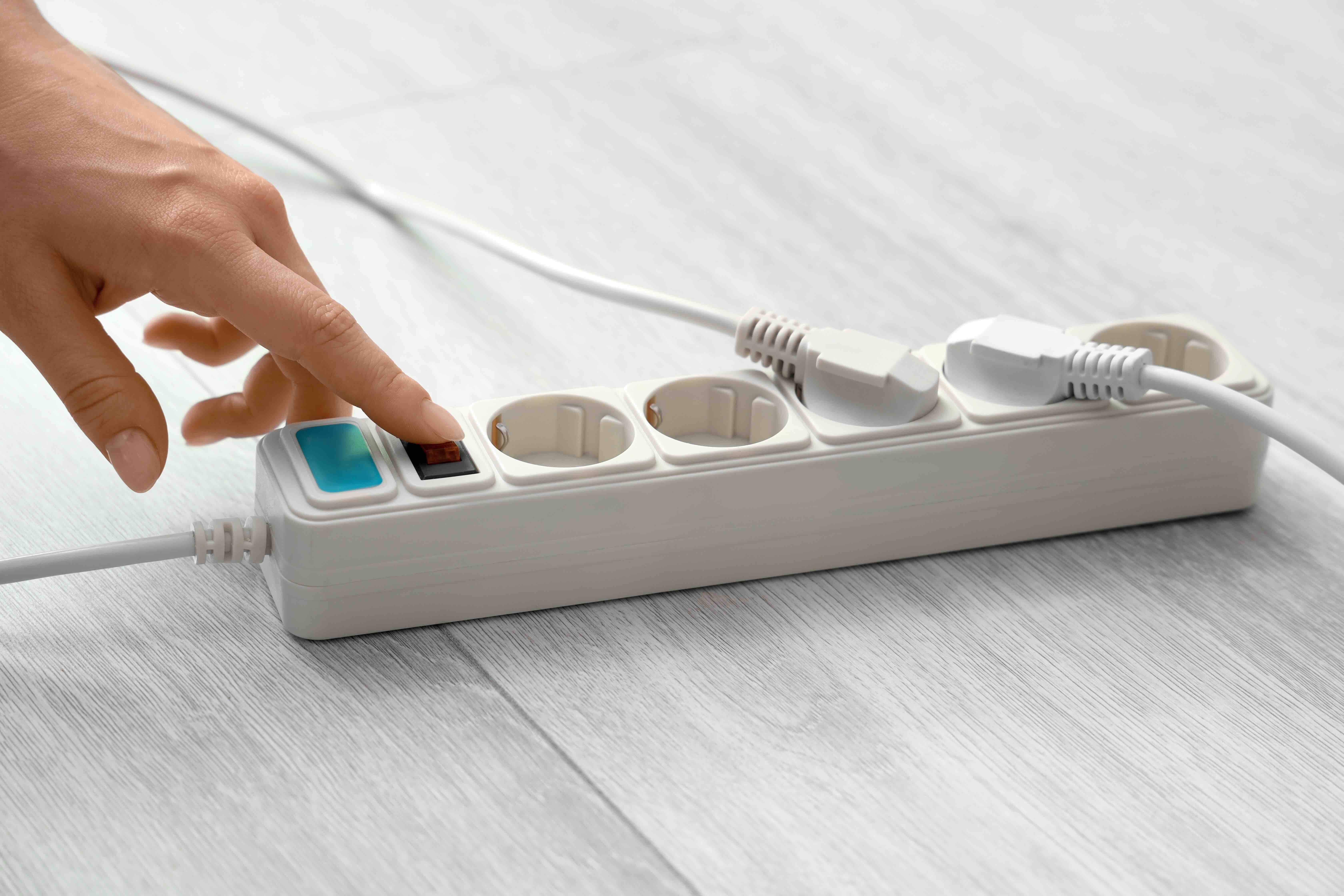
What Is an Extension Cord and Why Does Wiring Matter More Than You Think
An extension cord seems simple enough at first glance. You plug one end into the wall, run the cord across the room, and suddenly your device reaches an outlet it otherwise could not. But there is actually quite a bit happening inside that cord, and the wiring configuration, wire gauge, grounding status, and overall build quality all determine whether that extension cord is safe, efficient, and appropriate for your specific use. This is especially relevant in home offices, server rooms, AV setups, and commercial environments where power demands are higher and the cost of a failure is significant. Understanding how extension cords work at a wiring level helps you avoid overloads, reduce fire risk, and get reliable power where you need it.
The Basic Anatomy of an Extension Cord
At its core, an extension cord consists of one or more insulated copper conductors enclosed in an outer protective jacket. The conductors carry electrical current from the power source to the connected device. A standard household extension cord typically contains two or three wires inside: a hot wire, a neutral wire, and in grounded models, a ground wire. The hot wire carries current from the outlet to the device. The neutral wire completes the circuit by returning current back to the source. The ground wire, when present, provides a safe path for stray electrical current in the event of a fault, reducing the risk of electric shock or equipment damage. The outer jacket protects all of this from physical wear, moisture, and heat.
Two-Prong vs. Three-Prong: Understanding the Grounding Difference
This is where things get genuinely important, particularly for anyone powering electronics. A two-prong extension cord carries only the hot and neutral conductors. It works for basic low-power devices but offers no ground protection. A three-prong extension cord adds that ground conductor and connects it to the round pin on the plug. That third prong matters a lot when you are powering computers, monitors, audio equipment, or anything with a metal chassis. Without a ground path, electrical faults have nowhere to go except through the device, or worse, through a person. Grounded cords are standard practice in professional and commercial environments for exactly this reason. If your extension cord has only two prongs and your device calls for three, that is a mismatch worth correcting.
Wire Gauge Explained: Why AWG Determines What Your Cord Can Handle
Wire gauge is one of the most overlooked specs on an extension cord, and it directly controls how much current the cord can safely carry. The American Wire Gauge system assigns a number to wire thickness, and here is where it gets counterintuitive: a lower AWG number means a thicker wire, which means more current capacity. A 16 AWG cord handles less load than a 12 AWG cord. Running a high-draw appliance through an undersized cord causes the wire to heat up, which degrades insulation over time and raises the risk of fire. Cord length also plays into this calculation because resistance increases with distance. A longer cord running the same current needs a thicker gauge to compensate. This is the kind of detail that does not show up until something goes wrong, so getting it right upfront is the smarter move.
Common Extension Cord Types and Their Intended Uses
Not all extension cords are built for the same environment. Understanding which type fits your application is part of making a responsible purchase decision.
- Indoor light-duty cords, typically 16 AWG, are suited for lamps, small fans, and low-wattage devices
- Indoor heavy-duty cords, typically 12 or 14 AWG, handle power tools, space heaters, and AV equipment
- Outdoor-rated cords use weather-resistant jacketing and are safe for garden tools, lighting, and exterior power needs
- Right-angle cords are designed for tight spaces where a standard plug would stress the outlet
- Flat cords are useful under rugs or carpets in low-traffic areas, though they still carry load limitations
Choosing the right type is not just about convenience. It is about matching the cord's design intent to the actual load and environment it will face.
Key Advantages of Using a Properly Wired Grounded Extension Cord
The benefits of using a correctly specified, fully grounded extension cord go beyond simply reaching a distant outlet. A grounded cord protects sensitive electronics by channeling fault current safely away from the device. It reduces the risk of electrical shock to users in contact with the equipment. It maintains signal integrity in AV and data environments where electrical noise can cause interference or performance issues. And in commercial or professional installations, it supports compliance with electrical safety codes that require grounded connections for certain equipment classes. The practical upside is straightforward: equipment lasts longer, people stay safer, and you are not gambling with a setup that looks fine until it suddenly is not.
Common Drawbacks and Mistakes to Avoid
Extension cords are often misused, and a few habits in particular cause a disproportionate number of problems. Daisy-chaining multiple extension cords together multiplies resistance and heat buildup while pushing the total load beyond what any single cord is rated for. Running cords under rugs or carpets traps heat that has nowhere to go. Using an indoor-rated cord outdoors exposes the jacket to moisture and UV degradation. Overloading a cord by plugging in too many high-wattage devices at once is one of the leading contributors to residential electrical fires. And ignoring signs of wear, fraying, warm spots, or discoloration on a cord is a mistake that compounds over time. The cord itself is inexpensive to replace. The consequences of ignoring those warning signs are not.
What to Look for When Buying an Extension Cord
Buying the right extension cord comes down to matching specs to actual use. Start with the load you intend to run and calculate whether the cord's amperage rating covers it with room to spare. Check that the gauge is appropriate for both the load and the cord's total length. Confirm whether you need indoor or outdoor rating based on where the cord will be used. Look for UL listing or ETL certification, which indicates the cord has been independently tested to established safety standards. And for any setup involving computers, audio equipment, or network hardware, always choose a three-prong grounded cord. These are not complicated criteria, but they are the ones that separate a reliable setup from a risky one.
Why Monoprice Is the Right Source for Extension Cords and Power Solutions
When you are sourcing power accessories for a home office, AV rack, commercial installation, or general workspace, the quality of the cord matters as much as the quality of the gear it powers. Monoprice has built a well-earned reputation for delivering high-performance electrical and connectivity products without the inflated price tags that come from brand overhead. Every product is designed around real-world use cases, specced for the applications people and businesses actually run, and built to meet safety certifications that professionals and procurement teams require. Whether you are setting up a conference room, expanding a studio workspace, or organizing a server closet, you can find grounded extension cords and professional-grade power accessories at Monoprice that are rated, tested, and priced to make the decision easy. The combination of reliable specs, honest pricing, and product depth across power and connectivity categories makes Monoprice a practical first stop for anyone who takes their setup seriously.
Frequently Asked Questions About Extension Cord Wiring and Grounding
What does it mean for an extension cord to be grounded?
A grounded extension cord contains three conductors: a hot wire, a neutral wire, and a ground wire. The ground wire connects to the round third prong on the plug and provides a safe fault path that protects both the connected device and the user from electrical hazards.
Can I use a two-prong extension cord with a three-prong device?
You should not. Using a two-prong cord with a three-prong device eliminates the ground connection entirely, removing a critical safety feature. It can expose users to shock risk and leaves sensitive electronics vulnerable to fault damage.
What AWG should I use for a heavy-duty extension cord?
For heavy-duty applications like power tools, space heaters, or AV equipment, a 12 AWG cord is a strong choice. For moderate loads over longer distances, 14 AWG is often appropriate. The lower the AWG number, the thicker the wire and the higher the current capacity.
Is it safe to run an extension cord under a rug?
It is generally not recommended. Running a cord under a rug prevents heat from dissipating and increases the risk of insulation damage over time. It also makes it harder to inspect the cord for wear. Purpose-built flat cords in low-traffic areas are a safer alternative when a path under a covering is necessary.
How long can an extension cord safely be?
There is no single universal maximum, but longer cords increase resistance which reduces current delivery and generates more heat. For high-load applications, a longer cord requires a heavier gauge to compensate. As a general rule, keep cords as short as practical for the application and move up in gauge as length increases.
What does UL listed mean on an extension cord?
UL listed means the product has been tested by Underwriters Laboratories to meet specific safety standards for construction, materials, and performance. It is an independent verification that the cord meets baseline safety requirements, and it is a meaningful marker of quality when comparing products.
Can extension cords be used permanently?
Extension cords are designed as temporary solutions. Permanent power needs should be addressed with a licensed electrician installing additional outlets. Long-term reliance on extension cords increases wear risk and may not comply with building codes in commercial or rental environments.
What causes an extension cord to get hot?
Heat in an extension cord is typically caused by running more current through it than it is rated to handle. This can result from overloading, using an undersized gauge for the load, excessive cord length, or coiling the cord tightly which traps heat. A warm cord under load is a warning sign that should not be ignored.
Are outdoor extension cords different from indoor ones?
Yes. Outdoor-rated extension cords use jacketing materials designed to resist moisture, temperature variation, and UV exposure. Indoor cords lack these properties and can degrade quickly when used outside. Always match the cord's environmental rating to where it will actually be used.
How do I know how much load my extension cord can handle?
Check the amperage rating printed on the cord's label or packaging and compare it to the combined draw of all devices you plan to connect. Multiply device wattage by current draw to stay within limits. As a practical buffer, avoid running any cord at its maximum rated capacity for extended periods.


