

Evolution and Impact of Wire Adapters in Electronics
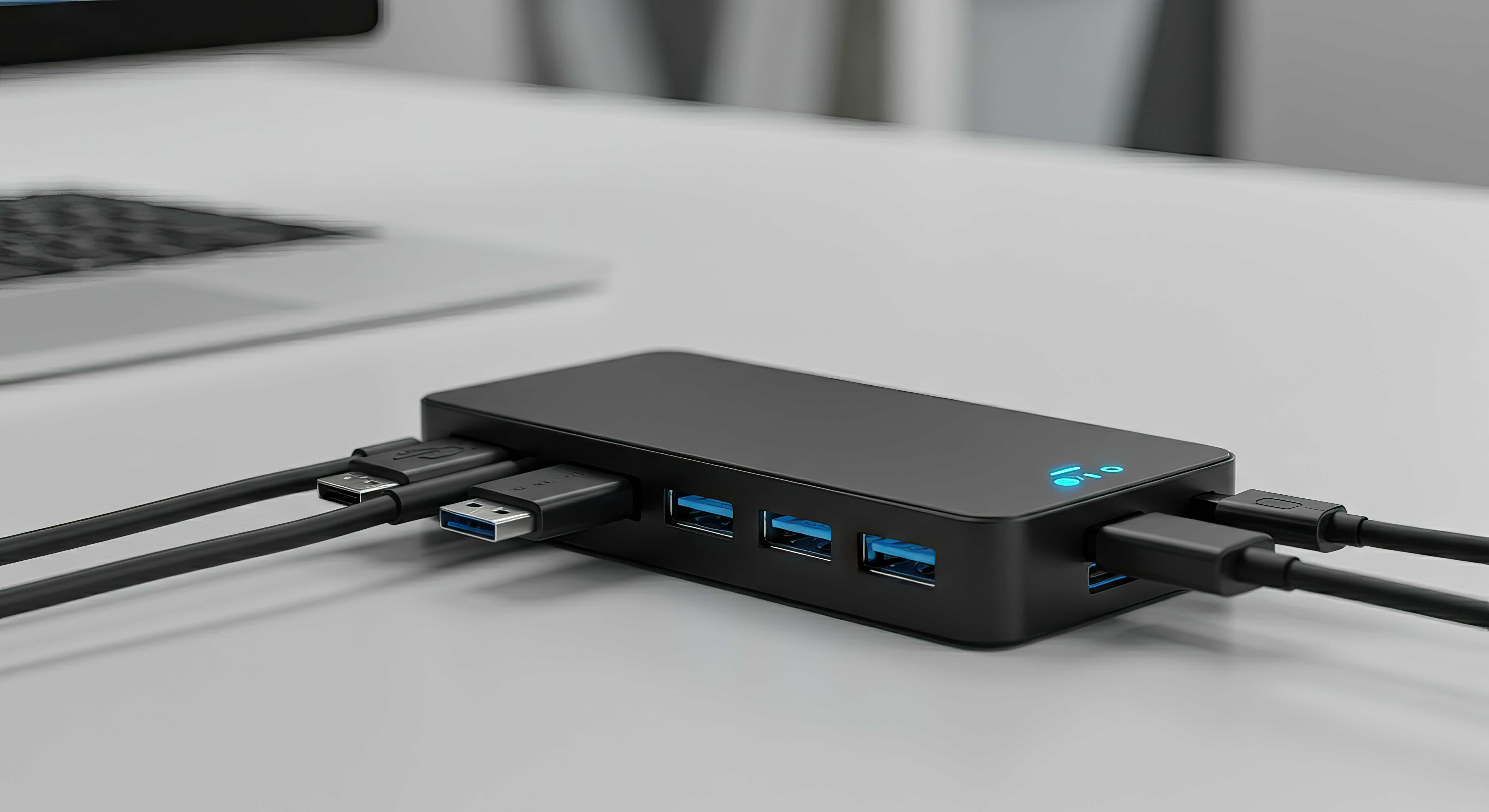
What Are Wire Adapters and Why Do They Matter in Modern Electronics?
Wire adapters are one of those things that most people overlook until they absolutely need one -- and then suddenly they're everywhere. At their most basic, a wire adapter is a device or connector that bridges two incompatible electrical interfaces, allowing signals or power to pass between systems that weren't originally designed to work together. They show up in home theater setups, professional AV installations, networking environments, automotive electronics, and pretty much anywhere that technology intersects with real-world wiring constraints. The industry has quietly built an entire ecosystem around these small but critical components, and understanding them can save you real money, real frustration, and a lot of wasted time swapping cables that don't fit.
The Evolution of Wire Adapters Through the Decades
Wire adapters didn't just appear overnight. Their development tracks directly alongside the history of consumer electronics and professional AV infrastructure. In the early days of electronics, standardization was limited -- manufacturers built proprietary connectors that locked users into specific ecosystems. Over time, as interoperability became a priority, adapter technology advanced to fill the gaps. The shift from analog to digital introduced a new wave of adapter complexity: converting RCA to HDMI, transitioning from VGA to DisplayPort, bridging legacy audio formats to modern digital standards. Each technological leap created new compatibility challenges, and the adapter market responded accordingly. Today, wire adapters encompass everything from simple gender changers and barrel connectors to sophisticated active conversion devices capable of translating between entirely different signal protocols. That's a long way from a simple plug extender.
How Wire Adapters Actually Work
The mechanics behind wire adapters depend on what type of adapter you're dealing with. Passive adapters are the straightforward ones -- they physically reroute electrical connections without modifying the signal itself. Think of a simple XLR to TRS adapter used in audio applications, or a USB-A to USB-C adapter for charging. These work because the underlying electrical standards are compatible enough that the signal just needs a physical path. Active adapters are a different story. They contain circuitry that actively converts the signal from one format to another -- sometimes changing voltage levels, sometimes handling protocol translation, sometimes amplifying a degraded signal. An HDMI to DisplayPort active adapter, for example, isn't just remapping pins. It's decoding one signal standard and re-encoding it in another. Understanding which type you need matters more than most people realize, because using a passive adapter where an active one is required will result in a connection that simply does not work, regardless of how good the build quality is.
Key Types of Wire Adapters Used in Electronics Today
The wire adapter category is broader than most shoppers expect. When you start breaking it down, you find a surprisingly wide range of functional categories that serve different purposes across different industries. Here are the main types you're likely to encounter:
- Gender changers and barrel connectors
- Signal conversion adapters (analog to digital, digital to analog)
- Power adapter tips and voltage converters
- Audio format adapters (RCA, XLR, TRS, TS)
- Video interface adapters (HDMI, DisplayPort, VGA, DVI)
- USB protocol adapters (USB-A, USB-B, USB-C, Micro-USB, Mini-USB)
- Ethernet and networking adapters (RJ45 extensions, fiber to copper)
- Coaxial and RF adapters for broadcast and antenna applications
Each of these categories serves a specific function, and the right choice depends entirely on what you're trying to accomplish. Matching the adapter type to your actual use case is step one -- and it's a step that gets skipped more often than it should.
Key Advantages of Using the Right Wire Adapter
When you've got the right adapter in place, the benefits are immediate and practical. First, compatibility issues between legacy and modern equipment are resolved without requiring costly equipment replacements. A well-chosen adapter can extend the usable life of a professional mixer, a monitor, or an entire AV rack by years. Second, wire adapters allow for flexible system design -- especially useful in commercial AV installations where equipment from multiple manufacturers needs to work together seamlessly. Third, adapters reduce infrastructure costs in environments where rewiring entire cable runs isn't feasible or cost-effective. For IT managers and AV integrators especially, this is a significant operational advantage. Signal integrity, when maintained properly through quality adapters, is another win -- particularly in audio and video applications where degraded signals are immediately noticeable. The right adapter doesn't just make things connect; it makes them perform.
Common Drawbacks and Limitations to Watch For
Wire adapters aren't a perfect solution to every connectivity challenge, and being honest about their limitations is important. Signal quality can degrade with passive adapters in situations that actually require active conversion -- and that degradation is not always obvious until you're troubleshooting a flickering display or distorted audio. Adapter chains are another problem area. Stacking multiple adapters in sequence introduces resistance, signal loss, and mechanical stress on connectors that can cause intermittent failures. In professional environments, this becomes a reliability issue. There's also the issue of power delivery -- not all USB-C adapters support full power delivery specs, and mismatched charging adapters can damage devices over time. Finally, not all adapters are built to equal standards. Low-quality materials, inadequate shielding, and poor contact construction will reduce performance and longevity even when the spec sheet looks fine on paper.
Practical Tips for Choosing the Right Wire Adapter
Getting the right adapter starts with knowing exactly what you need it to do. Identify both endpoints -- the source connector and the destination connector -- and determine whether the underlying signal protocols are compatible or require active conversion. Check current and voltage ratings on any power-related adapters, and make sure the adapter is rated for your actual load. For audio and video applications, verify that the adapter supports the resolution, refresh rate, or audio format you're working with. Don't assume a DisplayPort to HDMI adapter supports 4K at 120Hz unless it explicitly says so. Look for adapters with quality shielding in environments with electromagnetic interference, such as broadcast studios or industrial settings. And when possible, buy from a manufacturer with a verifiable track record in connectivity products -- adapter quality varies dramatically at the component level, and it's not something you can evaluate from a product photo.
Wire Adapters in Professional and Commercial Environments
For integrators, IT professionals, and AV technicians, wire adapters are daily tools rather than occasional fixes. In commercial AV installations, adapters bridge the gap between client-supplied equipment and designed infrastructure -- a reality in almost every project. In networking, adapters support hybrid environments where fiber and copper infrastructure coexist, or where legacy Cat5 deployments need to be extended without a full re-pull. In broadcast and production environments, adapters handle format conversion between camera outputs, switchers, and monitors from different generations of equipment. The operational efficiency gained from having the right adapter inventory on hand is measurable. Downtime caused by a missing or incorrect adapter during an installation is a real cost, and it's one that experienced integrators work hard to eliminate through smart sourcing and stocking decisions.
Why Monoprice Is the Right Source for Wire Adapters and Connectivity Solutions
If you've been working through a connectivity challenge -- whether it's for a home theater, a professional AV deployment, or a hybrid IT environment -- the sourcing decision matters as much as the technical decision. Monoprice has built its reputation over years of delivering high-performance connectivity products at prices that make sense for both individual consumers and volume buyers. The wire adapter lineup covers the full spectrum: audio, video, USB, power, networking, and beyond. Everything is built to deliver reliable performance without the inflated price tags that come with branding overhead. For IT and AV professionals, the breadth of the catalog means fewer sourcing headaches and faster project completion. For home users, it means getting a quality product that actually works without overpaying for it. If you're ready to eliminate compatibility issues and build a more reliable electronics setup, explore the full selection of high-performance wire adapters and connectivity solutions at Monoprice and see exactly why so many integrators and consumers trust this catalog to deliver, every time.
Frequently Asked Questions About Wire Adapters
What is the difference between a passive and an active wire adapter?
A passive wire adapter simply reroutes the physical electrical connection without modifying the signal. An active wire adapter contains circuitry that converts the signal from one format or protocol to another. Active adapters are required when the underlying signal standards are not directly compatible.
Can I use multiple wire adapters in a chain?
Technically yes, but it is not recommended. Chaining multiple adapters increases resistance, introduces potential signal degradation, and creates mechanical stress on connectors. Each adapter in a chain is also a potential point of failure. A single, purpose-built adapter is always the better solution when available.
Will a wire adapter affect signal quality?
A properly matched, quality-built adapter should not noticeably affect signal quality. However, using a passive adapter in a situation that requires active conversion, or using a low-quality adapter with poor shielding, can introduce signal degradation, noise, or resolution limitations.
Are all USB-C adapters the same?
No. USB-C is a connector format, not a single standard. USB-C adapters can vary significantly in the protocols they support, including USB 3.2, Thunderbolt 3 or 4, DisplayPort Alt Mode, and Power Delivery specifications. Always verify that the adapter supports the specific protocol and power rating your device requires.
Can wire adapters damage my electronics?
In most cases, a correctly matched adapter will not cause damage. However, power adapters with incorrect voltage or current ratings can damage devices. Adapters that do not support required power delivery specs can also cause unsafe charging conditions. Always verify electrical ratings before use.
What is the most common type of wire adapter used in home electronics?
USB adapters are among the most widely used in home environments, followed closely by HDMI and audio format adapters. The specific type depends on the devices in your setup, but USB-A to USB-C and HDMI to DisplayPort adapters are particularly common as technology transitions occur across device generations.
How do I know if I need an active or passive HDMI adapter?
If you are converting between HDMI and another display format such as DisplayPort or VGA, you will almost certainly need an active adapter. HDMI to HDMI gender changers and extenders can typically be passive. When in doubt, check the product specifications and confirm the adapter is rated for active conversion if you are crossing signal standards.
Do wire adapters work for both audio and video signals simultaneously?
Some adapters, such as those designed for HDMI or DisplayPort, carry both audio and video signals simultaneously as those standards support combined AV transmission. Simple audio-specific adapters, such as RCA to XLR, handle audio only. The capabilities depend entirely on the standards involved and the design of the adapter itself.
Are there wire adapters designed for outdoor or industrial use?
Yes. Adapters designed for outdoor, industrial, or broadcast environments are typically built with additional shielding, ruggedized housings, and weather-resistant materials. These are important in settings where electromagnetic interference, moisture, or physical stress are factors in the installation environment.
How long should a quality wire adapter last?
A well-built wire adapter from a reputable manufacturer should last for many years under normal use conditions. Longevity is affected by connector quality, contact plating, shielding integrity, and how frequently the adapter is connected and disconnected. Adapters that are rated for high insertion cycle counts are preferable in professional environments where frequent reconnection is routine.


