

Essential Guide to US Power Cords: Safety, Specs, and Value
What Is a US Power Cord and Why Does It Matter More Than You Think
So here is the thing -- most people never think about power cords until something goes wrong. And honestly that is understandable. A power cord is background infrastructure. It sits behind a desk, runs along a wall, and generally does its job without any acknowledgment whatsoever. But when you start looking closer, especially from a technology and safety standpoint, the US power cord is actually one of the more consequential pieces of equipment in any setup. It connects your devices to the electrical grid. It handles voltage. It carries current. Get it wrong and you are looking at equipment damage, tripped breakers, or worse. So yeah -- it matters. A lot more than most buyers realize when they are just grabbing whatever is cheap and available.
How US Power Cords Are Designed and What the Standards Actually Mean
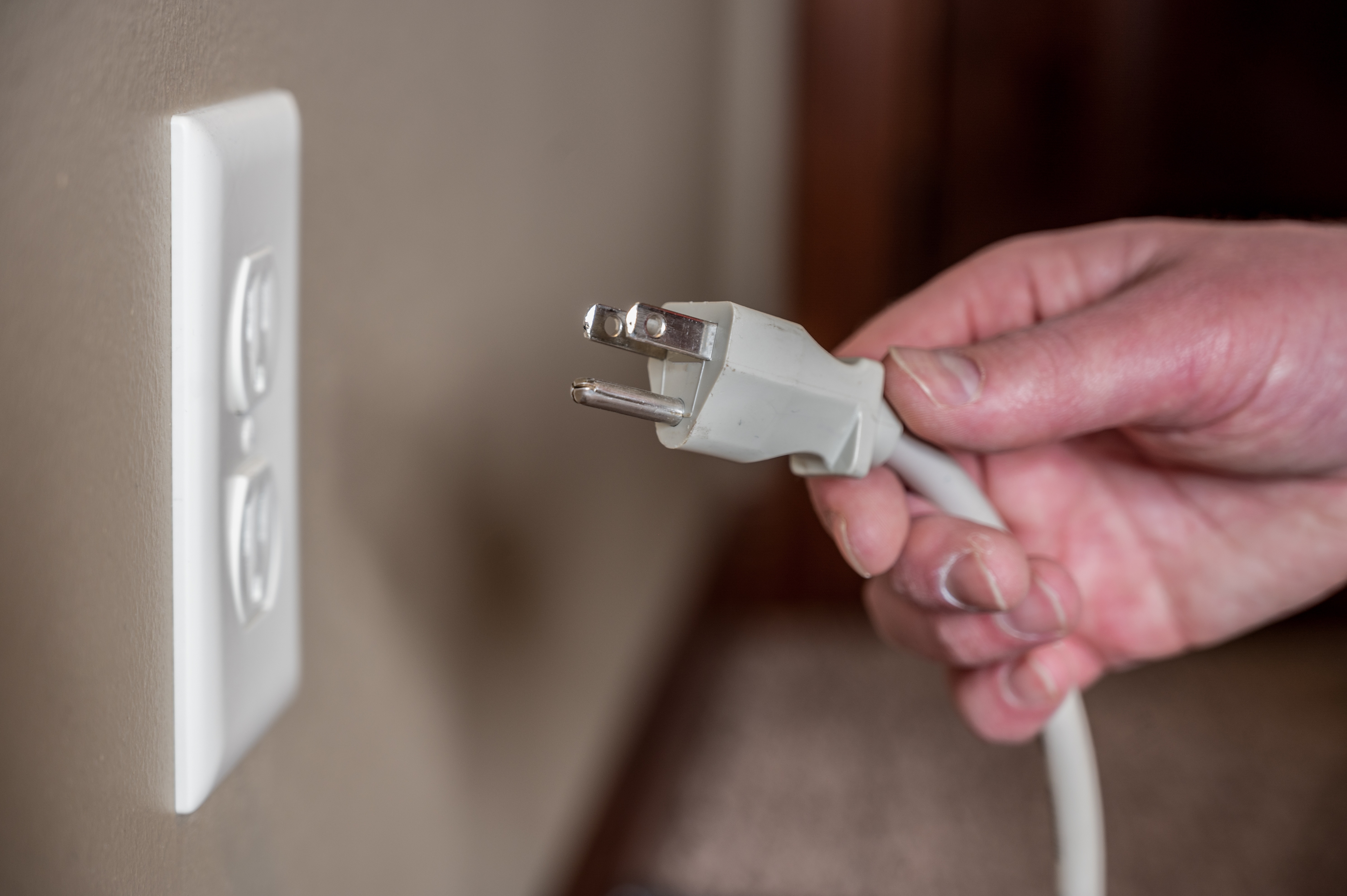
US power cords are built around NEMA standards, which stands for the National Electrical Manufacturers Association. The most familiar plug type is the NEMA 5-15, which is the standard three-prong grounded plug you see on basically everything from desktop computers to AV equipment to medical-grade hardware. There is also the two-prong NEMA 1-15, though that one is becoming less common as grounding requirements tighten across consumer and commercial applications. The cord itself is rated by gauge -- AWG, or American Wire Gauge -- and the lower the number, the thicker the wire and the higher the current capacity. A 16 AWG cord handles less amperage than a 14 AWG cord, and that difference absolutely matters depending on what you are powering. Voltage in the US runs at 120V, 60Hz, which is distinct from European and Asian standards, so the physical plug design and internal wiring specs are purpose-built for domestic grid requirements.
Types of US Power Cords You Will Actually Encounter
This is where things branch out a bit. There are several connector types on the device end of a US power cord, and knowing which one you need saves a lot of frustration. The most common configurations include the following:
- IEC C13 to NEMA 5-15P -- standard computer power cord used with desktops, monitors, and networking equipment
- IEC C7 to NEMA 1-15P -- figure-eight style, used for smaller consumer electronics
- IEC C19 to NEMA 5-20P -- higher-amperage applications like rack-mount servers and PDUs
- IEC C5 to NEMA 5-15P -- cloverleaf or Mickey Mouse connector, commonly found on laptops and smaller devices
- Detachable versus captive cords -- captive cords are hardwired in, detachable cords use a standardized connector and can be swapped out
Knowing the difference between a C13 and a C19 is not advanced knowledge -- it is just practical. Especially if you are managing equipment in a professional or commercial environment where mixing up cord types can create real operational problems.
Key Safety Considerations for US Power Cords
Safety is not a secondary topic here. It is the whole point. A power cord that is undersized for its application will generate heat -- and heat in wiring is a fire risk. This is why checking amperage ratings against your device's actual draw is non-negotiable. You also want to confirm the cord carries a UL listing, which means it has been tested and certified by Underwriters Laboratories. CUL and ETL marks carry similar authority. If a cord has no safety certification marks, that is a red flag regardless of how inexpensive or visually similar it looks to a certified alternative. Grounding matters too. That third prong on a NEMA 5-15 exists to direct fault current safely away from users and equipment. Bypassing it -- or using a two-prong adapter without a properly grounded outlet -- eliminates that protection entirely. For any setup involving sensitive electronics, servers, or medical equipment, grounded power cords are non-optional.
Common Drawbacks and Misconceptions About Power Cords
One thing worth addressing directly -- the idea that all power cords are interchangeable commodities. They are not. Using an incorrect AWG rating for a high-draw application, or using a cord with the wrong connector configuration, creates problems that range from inconvenient to genuinely dangerous. Another misconception is that length does not matter. It does. Longer cords introduce more resistance, which can affect performance in sensitive applications and generate excess heat under load. There is also a tendency to overbuy on premium-branded cords that offer no functional advantage over a well-built, properly certified standard cord. The price difference can be significant with zero performance return. The smarter approach is understanding your actual requirements -- amperage, length, connector type, certification -- and purchasing accordingly rather than defaulting to the most expensive or the most budget option without context.
How to Read Power Cord Specifications Without Getting Lost
The labeling on a US power cord actually contains most of what you need to know -- if you know how to read it. You will see things like SPT-2 or SJT or SVT printed on the cord jacket. These indicate the cord's construction type and approved application environments. SPT-2 is a common parallel flat-jacketed cord for light-duty use. SJT is a heavier-duty junior hard service cord appropriate for more demanding applications. You will also see the AWG rating, voltage and amperage limits, and sometimes a UL or ETL file number. Temperature ratings matter too, especially for outdoor or industrial use cases. Taking two minutes to read the cord jacket before purchasing or deploying equipment is not overthinking it -- it is just doing the job correctly. And for anyone managing a larger install or a rack environment, keeping accurate records of cord ratings and configurations is genuinely good practice.
Power Cord Length and Gauge -- Getting the Balance Right
Length and gauge are two variables that interact in ways buyers often underestimate. For most standard desktop and AV setups, a six-foot cord at 18 AWG is adequate for typical loads under 10 amps. But if you are running longer cable runs to rack equipment, or powering devices with higher continuous draws, upgrading to 14 AWG and being deliberate about keeping lengths reasonable is the practical move. There is no universal perfect length -- it depends entirely on your physical setup and load requirements. What you want to avoid is running a thin, long cord at or near its rated capacity, which stresses the insulation over time and increases heat generation. When in doubt, go slightly shorter and slightly thicker rather than the reverse. It is the kind of decision that does not feel significant until it does.
Finding Real Value in US Power Cords Without Overpaying
Here is the honest take -- you do not need to spend a lot to get a reliable, properly rated US power cord. The factors that determine quality are objective and verifiable: safety certification, correct AWG for the application, appropriate connector types, and suitable jacket construction. A cord that checks all those boxes at a fair price performs identically to one that costs three times as much and adds nothing but a premium brand name. The value play is understanding specifications well enough to know when a cord is genuinely built right versus when you are paying for marketing. For professional environments where standardization matters -- consistent cable management, known ratings across an install, reliable sourcing -- having a go-to supplier who delivers on specs without inflating margins is directly useful to the bottom line.
Why Monoprice Is the Smart Choice for US Power Cords and Cable Infrastructure
If you have been building out AV systems, IT infrastructure, or even a well-organized home office setup, you already know how fast cable costs add up. Monoprice has built a reputation around solving that problem without cutting corners on performance or safety. Their power cord lineup covers the full range of NEMA configurations, IEC connector types, AWG ratings, and lengths -- all properly certified and clearly spec'd so you know exactly what you are buying. There is no guesswork and no inflated pricing to compensate for brand overhead. For anyone who wants reliable US power cords and certified electrical accessories built for real-world performance, Monoprice delivers that consistently across both consumer and professional applications. It is the kind of supplier relationship that makes sense whether you are outfitting a single workstation or managing a large-scale equipment deployment -- straightforward, trustworthy, and priced to reflect actual value rather than perceived prestige.
Frequently Asked Questions About US Power Cords
What does NEMA mean on a US power cord?
NEMA stands for National Electrical Manufacturers Association. It defines the standard plug and receptacle configurations used in the United States. The most common type is the NEMA 5-15, which is the standard three-prong grounded plug found on most computers and electronics.
What AWG rating do I need for a standard computer power cord?
For most desktop computers and monitors, an 18 AWG cord is sufficient for loads under 10 amps. For higher-draw equipment or longer cable runs, a 16 AWG or 14 AWG cord is the more appropriate choice to manage heat and maintain safe current capacity.
What is the difference between an IEC C13 and IEC C19 connector?
The IEC C13 is the standard three-pin connector used with most desktop PCs, monitors, and networking equipment, rated up to 10 amps. The IEC C19 is a larger, higher-amperage connector rated up to 16 amps, typically used with rack-mount servers and power distribution units.
Is it safe to use a power cord without a UL certification?
Using an uncertified power cord introduces real risk. UL, ETL, and CUL marks indicate the cord has been independently tested for safety compliance. Without these marks, there is no verified assurance the cord meets minimum safety standards for insulation quality, current capacity, or fire resistance.
Does cord length affect power cord performance?
Yes. Longer cords introduce greater electrical resistance, which can contribute to voltage drop and increased heat generation under load. For most standard applications the effect is minor, but for high-draw equipment or sensitive electronics, keeping cord length reasonable and selecting appropriate AWG is a smart practice.
What is the standard voltage for US power cords?
US power cords are designed for 120V AC at 60Hz, which is the standard residential and light commercial grid voltage in the United States. This differs from European standards, which run at 230V and 50Hz, making US and European power cords non-interchangeable without an appropriate adapter or converter.
Can I use a US power cord with a two-prong outlet if my cord has three prongs?
You can use a three-to-two prong adapter, but doing so removes the grounding protection unless the adapter is properly connected to a grounded outlet. For computers and sensitive electronics, bypassing the ground is not recommended and can leave equipment and users exposed to electrical fault risk.
What does the cord jacket rating like SJT or SPT mean?
These codes describe the cord's construction type and intended use environment. SPT refers to a parallel flat-jacketed cord suitable for light-duty applications. SJT is a heavier-duty thermoplastic-jacketed cord designed for harder service conditions. These ratings indicate appropriate application ranges and should be matched to the deployment environment.
How do I know what power cord is compatible with my device?
Check the power input specification on your device or its documentation. Identify the IEC connector type required on the device end, confirm the required amperage rating, and match those to a cord with the appropriate NEMA plug on the wall end. When in doubt, the device manufacturer's specifications are the authoritative reference.
Are expensive power cords actually better than affordable certified ones?
Not necessarily. A power cord's performance is determined by its AWG rating, connector quality, insulation construction, and safety certification -- not its price point. A properly certified, correctly rated cord from a reliable supplier performs the same function as a higher-priced alternative with equivalent specs. Understanding what the specifications mean allows you to buy smart without overpaying.


