

Electrical Adapter for Canada: What You Need to Know
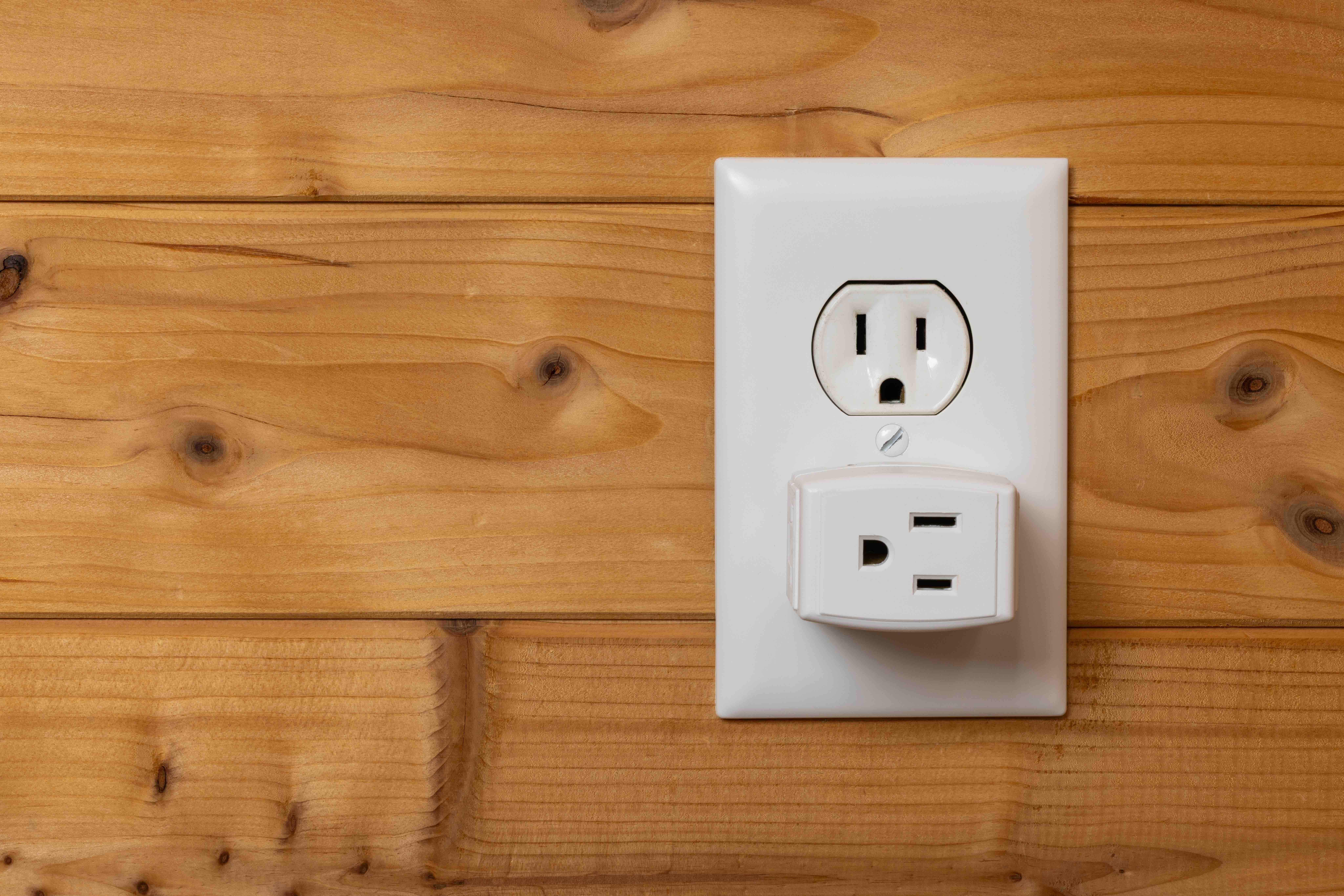
What Is an Electrical Adapter for Canada and Why Does It Matter for Tech Users
If you are traveling to Canada, moving equipment across borders, or setting up a tech workspace in a Canadian facility, understanding the country's electrical standards is one of those details that tends to get overlooked until something goes wrong. Canada uses a Type A and Type B plug system, operating at 120 volts and 60 Hz -- which, interestingly enough, is the same standard used in the United States. That alignment simplifies things considerably for North American users. But the moment you bring in a device from Europe, Asia, or elsewhere in the world, that compatibility disappears quickly. The wrong adapter or no adapter at all can damage equipment, trip circuits, or just leave you unable to power anything. Worth knowing before you land or ship gear.
Understanding Canada's Electrical Standard at a Technical Level
Canada operates on a 120V, 60 Hz electrical system regulated under the Canadian Electrical Code. The standard outlets used across residential, commercial, and industrial spaces accept Type A plugs, which have two flat parallel prongs, and Type B plugs, which add a round grounding prong as a third connection point. The grounding pin matters more than people realize -- especially in tech environments where sensitive equipment like servers, displays, audio gear, or networking hardware is involved. Ungrounded connections can expose equipment to electrical noise, voltage spikes, and in some cases, safety hazards. For anyone in IT, AV, or professional settings, grounded Type B adapters are not optional. They are standard practice.
When Do You Actually Need a Canadian Electrical Adapter
This question comes up more than expected. If your device was manufactured for the North American market and uses a standard Type A or Type B plug, you likely do not need an adapter when operating in Canada. The outlet fits. The voltage matches. You are good. The situation changes when you are working with devices brought in from regions using different standards. European plugs, UK plugs, Australian plugs -- none of those fit Canadian outlets without an adapter. Beyond international travel, adapters also come into play when using legacy equipment, specialty audio or video hardware, or industrial tools that have non-standard connectors. In professional AV and IT installations, adapter compatibility checks should be part of any pre-deployment checklist.
Types of Electrical Adapters Compatible with Canadian Outlets
Not all adapters are created equal, and the category has more depth than it first appears. Here is a breakdown of the main types relevant to Canadian use:
- Type A adapter: Converts two-prong devices from compatible regions to the North American flat-prong format
- Type B grounded adapter: Adds a ground connection and accommodates three-prong plugs safely
- Universal travel adapter: Supports multiple plug types in one unit, useful for international travelers entering Canada
- Voltage converter with adapter: Necessary when a device does not support dual voltage, converting 220V-240V down to 120V
- Power strip with adapter: Useful in tech setups needing multiple connections through a single converted source
The key distinction that gets missed is the difference between a plug adapter and a voltage converter. An adapter only changes the physical plug shape. It does not convert voltage. Plugging a 220V device into a 120V outlet through only an adapter will either fail to operate the device or cause damage depending on the device's tolerance range. Always check the input voltage specification printed on your device's power supply before assuming an adapter alone is sufficient.
Grounded vs. Ungrounded Adapters: What Tech Professionals Should Know
In the technology industry, grounding is not a minor footnote. Grounded connections protect equipment from electrical interference, reduce the risk of data corruption in sensitive hardware, and help prevent electrostatic discharge events that can silently degrade components over time. When using adapters in professional environments -- think server rooms, production studios, home lab setups, or corporate AV installations -- selecting a grounded Type B adapter over an ungrounded Type A adapter is the right call. Some adapters include a grounding lug or screw terminal that, when connected to a grounded outlet, extends that protection through the adapter to the device. It adds a small step to setup but makes a measurable difference in equipment longevity and signal integrity.
Voltage Compatibility: The Detail Most People Miss
Canada runs on 120V. Much of the world runs on 220V to 240V. This gap is where most electrical mishaps happen during international tech deployments. The good news is that many modern power supplies, especially for laptops, phones, and professional AV equipment, are designed with dual-voltage or universal voltage capability. You will typically see something like "Input: 100-240V, 50/60 Hz" printed on the power brick. If your device shows that range, a plug adapter is all you need in Canada. If your device is rated only for 220V-240V operation, you need a step-up voltage converter in addition to the physical adapter. Skipping that converter can result in underpowered, non-functional, or permanently damaged equipment -- not a risk worth taking with anything remotely expensive or irreplaceable.
Practical Tips for Choosing the Right Canadian Electrical Adapter
Selecting the right adapter does not have to be complicated if you follow a straightforward process. A few things to check before purchasing:
- Verify the plug type your device uses and confirm it matches or can be converted to Type A or Type B
- Check the input voltage rating on the device's power supply label
- Determine whether grounding is required based on equipment sensitivity and environment
- Look for adapters with surge protection if the device is high-value or mission-critical
- Confirm amperage ratings on the adapter match or exceed the device's draw
- For multi-device setups, consider a grounded power strip or PDU rather than stacking multiple individual adapters
Quality matters here too. Budget adapters without proper ratings or certifications can introduce resistance, generate heat, and create unsafe conditions. Look for products that meet recognized safety certifications relevant to Canadian and North American markets. This is not the category to cut corners on.
Common Drawbacks and Limitations of Travel and Plug Adapters
Even the best adapters have limitations that users should account for. Physical adapters add bulk to plugs, which can be a problem in tight outlet configurations or power strips with closely spaced sockets. Universal adapters that cover many plug types often have a larger form factor and may feel less secure in the outlet compared to a native plug. Voltage converters capable of handling high-wattage devices -- like hair dryers, power tools, or large displays -- tend to be heavy and expensive, which undercuts their usefulness in travel scenarios. For tech professionals managing large deployments, relying on adapters as a permanent solution is not ideal. Wherever possible, sourcing region-appropriate power supplies or equipment with native North American ratings is the cleaner, more reliable approach long-term.
Why Monoprice Is a Smart Choice for Electrical Adapters and Power Accessories in Canada
When it comes to sourcing reliable power accessories for Canadian-compatible setups, Monoprice consistently delivers the kind of quality and value that both individual users and professional teams depend on. The product lineup covers everything from grounded plug adapters to power strips, surge protectors, and cable management solutions -- all built to perform in real environments without the inflated pricing that often comes with competing brands. Whether you are an IT manager outfitting a new office, a touring AV technician working across borders, or a home lab enthusiast setting up a clean power configuration, Monoprice has options that match those needs precisely. For anyone ready to source dependable power accessories and technology essentials, exploring the full catalog available at Monoprice electrical adapters and power accessories for Canadian-compatible setups is a practical first step toward a cleaner, safer, and better-equipped workspace.
Frequently Asked Questions About Electrical Adapters for Canada
Does Canada use the same plug type as the United States?
Yes, Canada uses the same Type A and Type B plug standard as the United States, operating at 120 volts and 60 Hz. Devices manufactured for the North American market will work in Canadian outlets without any adapter.
Do I need a voltage converter to use my European devices in Canada?
If your European device is rated only for 220V to 240V input, yes, you need a voltage converter in addition to a plug adapter. If the device supports universal voltage (100V to 240V), a plug adapter alone is sufficient.
What is the difference between a plug adapter and a voltage converter?
A plug adapter changes only the physical shape of the plug to fit a different outlet type. It does not convert voltage. A voltage converter changes the electrical output level to match the device's requirements.
Is grounding important when using adapters for tech equipment in Canada?
Yes, grounding is particularly important for sensitive electronics such as servers, audio equipment, and professional displays. A grounded Type B adapter helps protect equipment from electrical interference and voltage fluctuations.
Can I use a universal travel adapter in Canada?
A universal travel adapter can physically work in Canadian outlets, but you still need to verify that your device's input voltage is compatible with Canada's 120V system before connecting it.
What plug type does Canada use?
Canada primarily uses Type A plugs, which have two flat parallel prongs, and Type B plugs, which have two flat prongs plus a round grounding pin. Type B is standard for grounded three-prong connections.
Will my laptop charger work in Canada without an adapter?
Most modern laptop chargers support universal voltage from 100V to 240V and include a Type A or Type B plug. If your charger already uses a North American plug, it will work in Canada without any adapter at all.
What should I look for in a quality electrical adapter for professional use?
Look for grounded connections, proper amperage ratings, relevant safety certifications, and a secure fit in the outlet. For professional or mission-critical equipment, surge protection is also a valuable feature to prioritize.
Are there risks to using cheap or uncertified plug adapters?
Yes. Uncertified adapters can introduce electrical resistance, generate excess heat, and create safety hazards including fire risk or equipment damage. Always choose adapters that meet recognized safety standards for North American use.
Is it better to buy locally rated equipment instead of using adapters long-term?
For permanent or large-scale installations, sourcing equipment rated natively for North American 120V operation is generally the more reliable and safer approach compared to relying on adapters indefinitely.


