Do You Need Adapters in Canada? What to Know
Do You Need Adapters in Canada? Here Is What You Actually Need to Know
So you are planning a trip to Canada, or maybe you just moved there, and the first thing you are wondering about is whether your electronics are going to work. That is a completely fair question. The good news is that Canada uses the same electrical standards as the United States, which means most North American devices plug right in without any issues. But there are a few details worth understanding before you assume everything is just going to work. Power standards, plug types, voltage compatibility, and what adapters actually do -- it all matters more than people realize, and getting it wrong can mean damaged equipment or worse.
Canada's Electrical Standards Explained
Canada runs on 120 volts AC at 60 Hz, which is identical to the United States. That consistency makes travel and cross-border device usage relatively straightforward if you are coming from the US. The plug types used in Canada are Type A and Type B. Type A is the flat two-prong plug most people recognize. Type B is the three-prong version, with two flat blades and one round grounding pin. Both are standard across Canada and the US, so devices designed for one country are generally compatible with the other without needing a physical adapter at all. That is a real advantage for people working across both markets or traveling frequently between the two.
When You Actually Do Need an Adapter
Here is where things get a little more specific. If you are arriving in Canada from a country that uses a different plug standard or voltage -- say, Europe, the UK, Australia, Japan, or anywhere in Asia -- you are probably going to need something. European devices, for example, typically use Type C, E, or F plugs and run on 220 to 240 volts at 50 Hz. That is a meaningful difference from Canada's 120-volt, 60 Hz system. A plug adapter alone will let you physically connect the device, but it does not convert voltage. If your device is not rated for dual voltage, plugging it into a 120-volt outlet when it expects 220 could damage it or simply prevent it from running properly.
Plug Adapters vs. Voltage Converters: Know the Difference
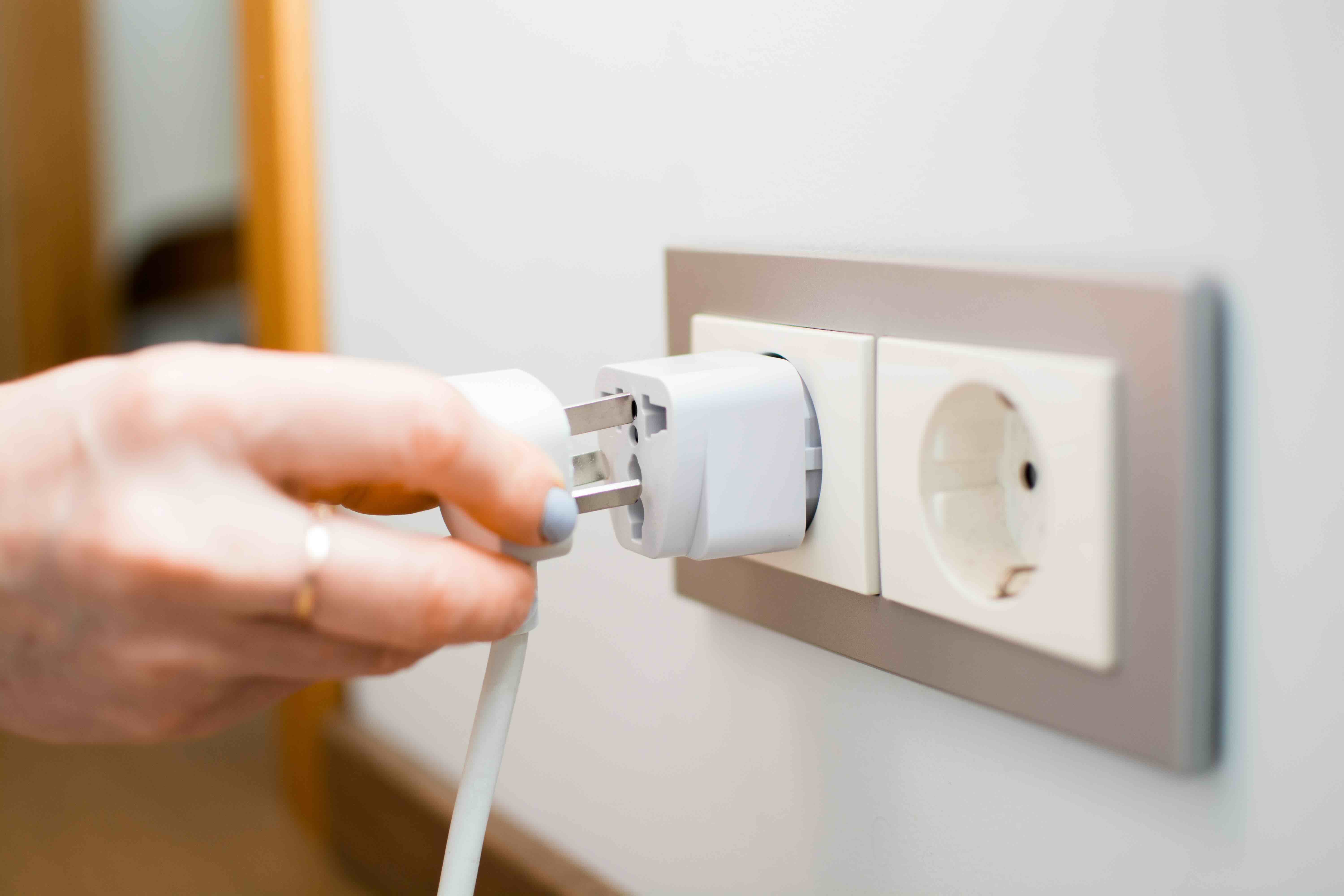
This is something a lot of people mix up, and it is worth being direct about. A plug adapter is purely mechanical. It changes the physical shape of the plug so it fits into a different outlet. It does nothing to the electricity itself. A voltage converter or transformer, on the other hand, changes the actual voltage level so a device rated for a different standard can operate safely. Some people also need a frequency converter if their equipment is sensitive to the 50 Hz versus 60 Hz difference, though most modern electronics handle that automatically. The key takeaway is that these are different tools solving different problems, and using the wrong one is a common and costly mistake.
How to Check If Your Device Is Dual Voltage
Before you buy anything, check the label or power brick on your device. Look for a line that says something like "100-240V ~ 50/60Hz." If you see that range, your device is dual voltage and will work in Canada without a converter -- you may only need a physical plug adapter if the plug shape is different. If the label shows a fixed voltage like "220V only" or "110V only," that device is single voltage and needs a proper converter to run safely in a country with a different standard. Dual voltage is extremely common in laptops, phone chargers, tablets, and camera equipment. It is less common in high-wattage appliances like hair dryers and electric razors, where single-voltage designs are still widely sold.
Types of Power Adapters Available for Canada
Once you know what you need, choosing the right product becomes more manageable. There are a few main categories worth knowing about.
- Travel plug adapters with no voltage conversion -- ideal for dual-voltage devices arriving from countries with different plug types
- Universal travel adapters -- cover multiple plug types including Type A, B, C, G, and others in a single unit
- Step-down voltage converters -- reduce 220-240V down to 110-120V for single-voltage devices from high-voltage countries
- Step-up voltage converters -- raise 110-120V to 220-240V, useful for European appliances being used in North America
- Grounded adapters -- designed to maintain the third grounding pin when adapting between Type A and Type B configurations
For most travelers visiting Canada from the US, none of these are needed at all. The concern primarily applies to international visitors or residents importing appliances from regions with different electrical infrastructure.
Common Mistakes to Avoid
One of the most frequent errors is assuming that a universal adapter also converts voltage. It usually does not. Another common issue is using an underpowered converter that cannot handle the wattage of the appliance it is connected to -- this can cause overheating or failure. Grounding is another area people overlook. If you are using professional equipment, especially audio, video, or networking hardware, maintaining a proper ground connection matters for both safety and signal quality. Losing the ground path by using an ungrounded adapter can introduce noise into sensitive equipment, which is a real problem in production or installation environments.
What About Smart Home and AV Equipment?
This is a category that comes up a lot. Smart home devices, media streamers, HDMI switches, wall mounts, and networking gear are almost universally designed around the North American electrical standard. Most of these products ship with power supplies rated for 100 to 240 volts, making them genuinely plug-and-play across North America without any adapters. The more important questions in this space tend to revolve around connectivity standards, HDMI versions, cable length, and bandwidth rather than voltage. When sourcing AV or IT infrastructure equipment for a Canadian installation, the electrical compatibility is rarely the constraint -- it is the specs and build quality of the equipment itself that drive the decision.
Why Monoprice Is Worth Looking At for Your Power and Technology Needs
Whether you are building out a home theater, deploying enterprise networking gear, or just trying to make sure your equipment works reliably in a Canadian environment, having a dependable source for cables, adapters, and accessories makes a real difference. Monoprice has spent years building a reputation on exactly that -- high-performance products at prices that actually make sense. If you are an integrator, IT professional, or power user who wants quality without the inflated cost that usually comes with it, exploring the full range of power adapters and technology accessories for Canadian and North American electrical compatibility at Monoprice is a genuinely smart move. The catalog is thorough, the specs are accurate, and the value is consistent -- which is what matters most when you are making purchasing decisions for real-world installations.
Frequently Asked Questions
Do I need a power adapter to use my US electronics in Canada?
No. Canada and the United States share the same electrical standard of 120 volts at 60 Hz and use the same Type A and Type B plugs. US electronics work in Canada without any adapter.
What plug type does Canada use?
Canada uses Type A and Type B plugs. Type A has two flat parallel prongs, and Type B adds a round grounding pin as a third prong. Both are identical to what is used throughout the United States.
Do European devices work in Canada without a converter?
Not without some preparation. European outlets run on 220 to 240 volts at 50 Hz. You will need a step-down voltage converter for single-voltage European appliances, and a plug adapter to fit the different outlet shape.
What is the difference between a plug adapter and a voltage converter?
A plug adapter only changes the physical shape of the plug to fit a different outlet. A voltage converter changes the actual voltage level so your device can operate safely on a different electrical standard.
How do I know if my device is dual voltage?
Check the label on the device or its power adapter. If it reads something like 100-240V ~ 50/60Hz, the device is dual voltage and will work in Canada with only a plug adapter if the physical plug shape differs.
Are travel adapters safe for all devices?
Travel plug adapters are safe for dual-voltage devices. They are not a substitute for voltage converters. Using a plug adapter on a single-voltage device without proper voltage conversion can damage equipment or create a safety hazard.
Do I need a grounded adapter when traveling to Canada?
If you are arriving from a country that uses ungrounded two-prong plugs and your Canadian outlet has three prongs, a grounded adapter helps maintain the safety ground. For professional AV or networking equipment, maintaining grounding is especially important.
Can I use UK appliances in Canada?
UK appliances use Type G plugs and operate on 230 volts at 50 Hz. You will need both a plug adapter and a step-down voltage converter unless the device is rated for dual voltage, in which case only the plug adapter is required.
Are phone chargers and laptop adapters usually dual voltage?
Yes, in most cases. The vast majority of modern phone chargers, laptop power bricks, and tablet adapters are rated for 100 to 240 volts and 50 to 60 Hz, making them compatible with Canadian electrical outlets without any conversion.
What happens if I plug a single-voltage device into the wrong outlet without a converter?
Using a single-voltage device rated for 220 volts on a 120-volt outlet may cause it to run poorly or not at all. Using a device rated for 110 volts on a 220-volt outlet without a converter will likely damage the device and could create a fire or shock hazard.