

Do I Need an Electrical Adapter in Canada? Find Out
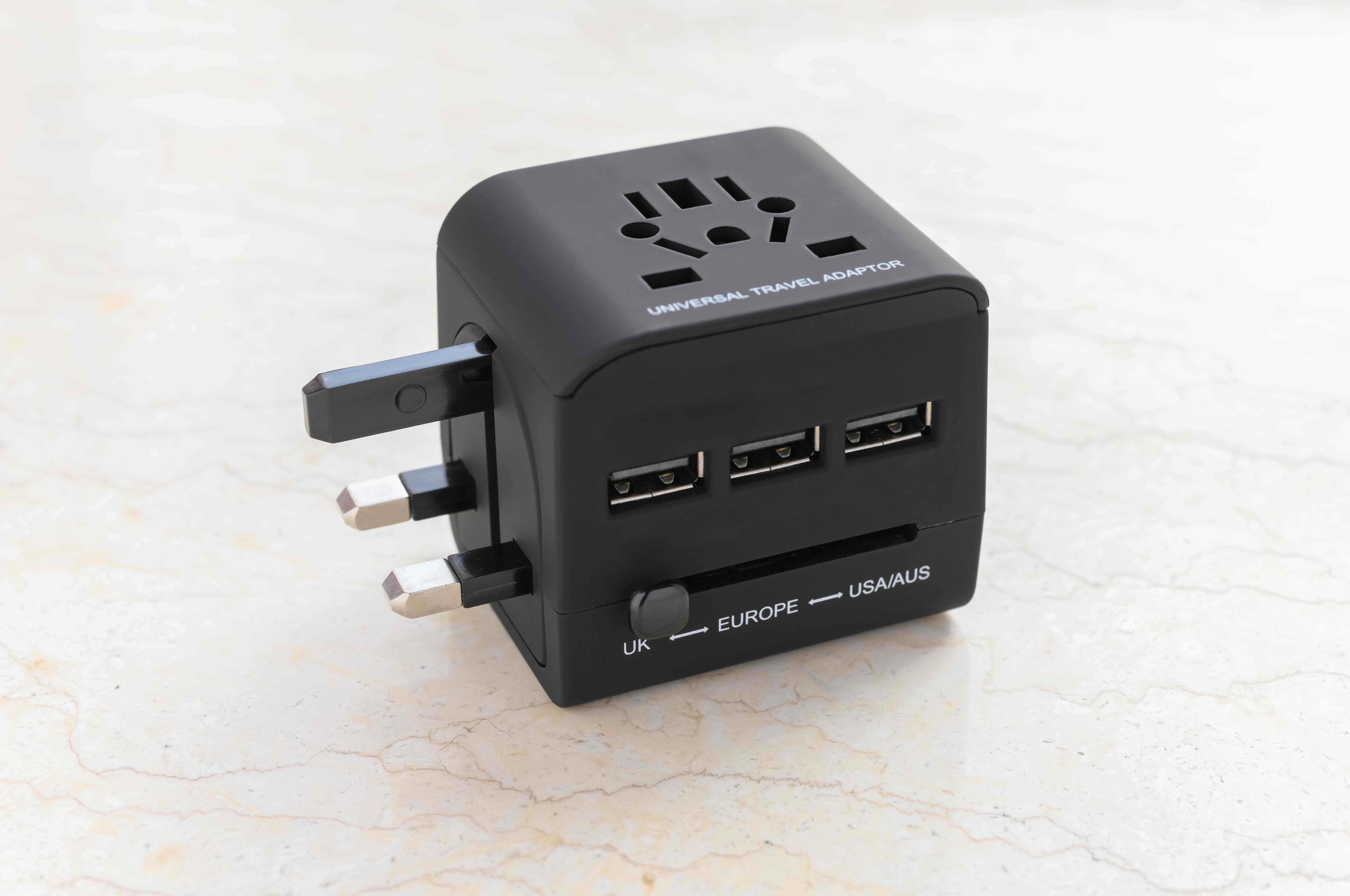
Do You Need an Electrical Adapter in Canada? Here Is What Travelers and Tech Users Should Know
So you are planning a trip to Canada, or maybe you are shipping gear there, or just relocating for a while, and someone asked you this question -- do I need an electrical adapter in Canada? It is one of those things people always forget to think about until they are standing in a hotel room with a pile of electronics and exactly one outlet. Good news though: for most people traveling from the United States, the answer is almost certainly no. Canada uses the same electrical infrastructure as the US. But there are nuances, and if you are working with professional AV equipment, power tools, or international devices, you absolutely need to understand the full picture before you assume everything will just plug in and work.
Understanding the Canadian Electrical Standard
Canada operates on a 120-volt, 60Hz electrical system, which is the same standard used throughout the United States. The outlet shapes are also identical -- Type A, which has two flat parallel blades, and Type B, which adds a round grounding pin. So if you are packing devices manufactured for the North American market, they will plug directly into Canadian outlets without any adapter at all. The standards are governed by the Canadian Standards Association, which functions similarly to UL in the United States. Devices certified for one market are almost universally compatible with the other. That said, understanding voltage, frequency, and outlet type is not just trivia -- it is foundational knowledge for anyone working in tech, AV installation, or IT infrastructure.
When You Might Actually Need an Adapter
Here is where things get a little more interesting. If you are coming from Europe, the United Kingdom, Australia, or most of Asia, you absolutely will need an adapter -- and possibly a voltage converter too. Those regions operate on 220 to 240 volts at 50Hz, which is fundamentally incompatible with Canadian infrastructure. Plugging a 230V device directly into a 120V Canadian outlet might not immediately destroy it, but it also will not work correctly. The reverse -- plugging a 120V device into a 230V outlet -- is genuinely dangerous. Beyond voltage, the plug shapes differ entirely. European Schuko plugs, British three-pin plugs, and Australian diagonal-blade plugs will not fit Canadian outlets without a physical adapter. This is the practical stuff that actually matters when you are on the ground.
Dual-Voltage Devices and Why They Matter
Most modern consumer electronics -- laptops, smartphones, tablets, camera chargers, and similar gear -- are built with dual-voltage power supplies. You will usually see something like "Input: 100-240V, 50/60Hz" printed on the power brick or charging block. That label means the device can handle both North American and international electrical standards without a converter. Just the physical plug adapter is enough in those cases. Where people run into problems is with older electronics, certain appliances, and specialized equipment that is not dual-voltage. Hair dryers and electric shavers purchased in Europe are classic culprits. In the AV and IT world, some older power amplifiers, broadcast equipment, or niche rack gear can also be voltage-specific. Always check the label before assuming compatibility.
The Grounding Question and Why Professionals Care
This is the part most travel articles skip entirely. Grounding -- that third round pin on a Type B outlet -- is a safety feature that provides a path for fault current to flow safely to the ground rather than through a person or piece of equipment. Professional AV equipment, networking hardware, and data center gear almost always requires proper grounding to function safely and within spec. If you are using a two-prong adapter with three-prong equipment, you are effectively removing that ground protection. For casual travel with consumer devices, the risk is usually low. For IT professionals, AV integrators, or anyone deploying rack-mounted equipment in Canadian facilities, proper grounding is non-negotiable. Building codes in Canada require grounded outlets in virtually all modern construction, so this is generally not a problem with current infrastructure.
Common Mistakes People Make with Electrical Adapters
There are a few things that come up repeatedly when people deal with adapter compatibility, and they are worth addressing directly before they become an expensive problem.
- Confusing adapters with converters -- an adapter only changes the plug shape, not the voltage
- Assuming all modern devices are dual-voltage without checking the label
- Using cheap, uncertified adapter blocks that do not meet safety standards
- Daisy-chaining adapters with extension cords that are not rated for the load
- Ignoring frequency differences between 50Hz and 60Hz systems, which can affect motor-driven devices
- Not verifying grounding continuity when using adapters with professional or medical-grade equipment
What About Power Strips and Surge Protectors in Canada
If you are setting up a temporary workspace, a home office, or an AV rack in a Canadian location, you will likely want a quality power strip or surge protector. Since Canada uses the same voltage and outlet type as the United States, any standard North American power strip will work perfectly. But this is where product quality genuinely matters. Cheap surge protectors often provide inadequate joule ratings, loose outlet connections, or no real surge clamping at all -- they are basically just glorified extension cords. For professional AV setups or IT deployments, investing in a properly rated power distribution unit or surge protector is worth every cent. Voltage spikes, lightning events, and power anomalies are not a uniquely American problem -- Canadian infrastructure sees them too.
Tips for Travelers and Tech Professionals Heading to Canada
Whether you are a business traveler, a touring audio engineer, or an IT contractor deploying gear in a Canadian data center, a few practical habits will save you significant headache.
- Verify the input voltage on every device before packing
- Bring only CSA or UL-certified adapters and power accessories
- Check your laptop and phone charger labels for dual-voltage confirmation
- For rack equipment, confirm grounding before powering on
- Use quality surge-protected power strips for multi-device setups
- Keep a compact universal travel adapter in your kit even for North American trips -- it covers unexpected outlet configurations in older buildings
Do You Need a Voltage Converter for Canada
For most people traveling from the United States, no -- you do not need a voltage converter for Canada at all. The electrical standards are identical. For international travelers, the answer depends entirely on your device. If it is dual-voltage, a simple plug adapter is sufficient. If it is single-voltage and rated for 220 to 240 volts, you either need a step-up converter or you need to leave that device at home. Step-down and step-up converters do exist and they work, but they add bulk, cost, and complexity. For high-power devices like amplifiers or professional lighting rigs, transformer-based converters are the only reliable solution. For small electronics, the dual-voltage power supply has essentially made the dedicated converter obsolete in most travel scenarios.
Why Monoprice Is the Right Source for Your Power Accessories and Tech Gear in Canada
When you are putting together a reliable tech setup -- whether for travel, a home office, or a full professional AV deployment -- the quality of your cables, adapters, and power accessories matters far more than most people realize. Monoprice has built a reputation as a trusted source for high-performance electronics and accessories at prices that actually make sense for both consumers and B2B buyers. From surge-protected power strips with serious joule ratings to properly shielded cables and grounded power solutions, every product is engineered to perform where it counts. If you are equipping a workspace in Canada or simply making sure your gear travels well, browsing the full line of reliable power accessories and travel-ready tech essentials for North American and international use is a smart starting point. The combination of certified performance, transparent specs, and fair pricing makes Monoprice a practical choice for anyone who refuses to compromise on quality just to save a few dollars on a power strip or adapter that could cost far more if it fails.
Frequently Asked Questions About Electrical Adapters in Canada
Do I need an electrical adapter if I am traveling to Canada from the United States?
No. Canada uses the same 120V, 60Hz electrical system and the same Type A and Type B outlet shapes as the United States. Your devices will plug in and work without any adapter.
What type of electrical outlets does Canada use?
Canada uses Type A outlets with two flat parallel blades and Type B outlets with two flat blades plus a round grounding pin. These are identical to outlets used throughout the United States and Mexico.
Do I need a voltage converter to use my electronics in Canada?
If you are traveling from the United States, no. If you are coming from Europe or other 220 to 240 volt regions, you will need a voltage converter unless your device is labeled as dual-voltage, typically shown as 100-240V on the power supply.
What voltage does Canada use?
Canada operates on 120 volts at 60Hz, the same as the United States. This is distinct from Europe, the UK, and Australia, which use 220 to 240 volts at 50Hz.
Can I use my laptop from Europe in Canada without a converter?
Most modern laptops have dual-voltage power supplies rated for 100 to 240 volts. If yours does, you only need a physical plug adapter to fit the Canadian outlet shape. Always check the label on your power brick to confirm.
Is grounding important when using adapters in Canada?
Yes, especially for professional equipment. Grounded three-prong outlets are standard in modern Canadian construction. Using a two-prong adapter with three-prong equipment removes ground protection and can create safety risks, particularly with sensitive AV or IT gear.
Can I use a US power strip in Canada?
Yes. Because Canada and the United States share the same voltage and outlet type, any North American power strip or surge protector will function correctly in Canadian outlets.
What happens if I plug a 220V device into a Canadian 120V outlet?
The device will likely not function correctly and may be damaged over time, though it is unlikely to cause an immediate dramatic failure since it is receiving less voltage than rated. However, this is not safe practice and should be avoided.
Are cheap universal travel adapters safe to use in Canada?
Not always. Low-quality adapters may lack proper safety certifications, offer poor contact quality, and fail to maintain grounding integrity. For any equipment of value, use adapters that meet CSA or UL certification standards.
Do older buildings in Canada have different outlets?
Some very old Canadian buildings may still have ungrounded two-prong outlets, which can complicate the use of three-prong devices. Modern building codes require grounded outlets in virtually all new and renovated construction, but heritage buildings can be an exception worth checking in advance.


