

Discover the Value of Cable Toner Testers in Electronics
What Is a Cable Toner Tester and Why Should You Care
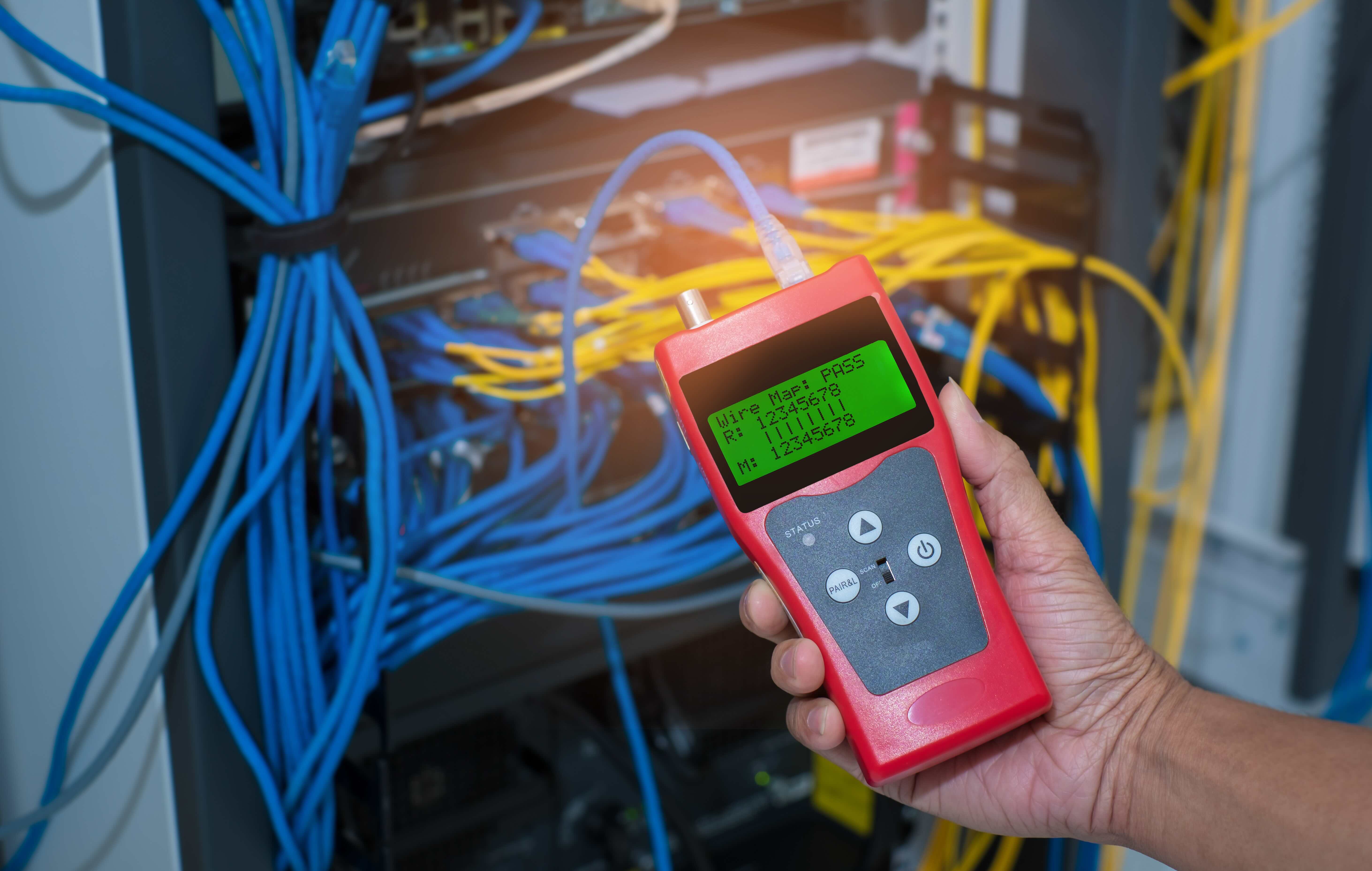
If you have ever spent twenty minutes tracing a single cable through a wall or a tangled mess of patch cords behind a rack, you already understand the problem. A cable toner tester is a two-part diagnostic tool that helps you identify, trace, and verify cable runs without guesswork, without crawling around in ceiling tiles, and without pulling cables you did not need to touch. It is one of those tools that sounds simple on paper but genuinely changes how you work once you actually use it. The toner unit sends a signal through the cable, and the probe unit picks that signal up, letting you follow it to the other end. That is really the core of it. Simple concept, real-world impact.
How a Cable Toner Tester Actually Works
Here is where it gets a little more interesting. The toner, sometimes called a tone generator, connects to one end of a cable and injects an audible frequency signal into it. The probe, sometimes called a wand or tracer, is then passed near cables at the other end or along the cable path. When the probe gets close to the cable carrying the signal, it emits an audible tone that gets louder the closer you are. Some units include LED indicators as well, which is genuinely useful in noisy environments where you cannot always trust your ears. Most toner testers on the market today support multiple cable types including Cat5e, Cat6, Cat6A, coaxial, and even speaker wire in some configurations. The versatility matters. You are not buying a tool for one job. You are buying a tool that covers a whole category of diagnostic needs across different cable types.
Key Advantages of Using a Cable Toner Tester
The benefits here are not hard to quantify. Time savings alone tend to justify the purchase for most users.
- Faster cable identification in crowded environments
- Reduced risk of accidentally disconnecting active cables
- No need to power down equipment to trace runs
- Works on both terminated and unterminated cables
- Useful for both installation and troubleshooting scenarios
- Supports multiple cable types from a single tool
- Low cost relative to the time it saves
For professional installers, network technicians, and IT staff managing structured cabling environments, these advantages translate directly into billable hours saved and fewer service calls. For the home user managing a home theater or small office setup, it just means less frustration and more confidence in what is actually connected to what.
Common Drawbacks Worth Knowing Before You Buy
No tool is perfect and cable toner testers are not exceptions. The signal the toner injects can bleed into adjacent cables in very dense bundles, which sometimes causes false positives if you are not careful with probe placement. It is manageable once you know about it, but it can slow you down if you go in expecting perfect precision in every scenario. Additionally, most basic toner testers do not tell you whether a cable is passing data correctly. They confirm continuity and identity, not performance. If you need to test for signal integrity, crosstalk, or transmission speed, you are looking at a different class of tool entirely. A cable toner tester is a tracing and identification tool first. Think of it as the first step in your diagnostic workflow, not the entire workflow. Battery life is also worth noting. Some units are more conservative than others about power draw, so checking battery status before a job is just a habit worth building.
Who Actually Uses Cable Toner Testers
The short answer is almost everyone who works with physical cabling infrastructure. Network installers and structured cabling technicians use them constantly. IT administrators managing campus networks or building wiring closets rely on them during moves, additions, and changes. Home theater installers use them to trace HDMI, coax, and speaker wire runs through walls. Home users tackling their own renovations or home network upgrades find them surprisingly accessible once they understand the basic operation. Even security system installers and low-voltage contractors keep toner testers in their bags. The use case is broad because the problem it solves is universal. Cable identification is a persistent challenge in virtually any environment where multiple cables coexist.
Choosing the Right Cable Toner Tester for Your Needs
Not all toner testers are built the same and the differences matter depending on what you are doing. Here are a few factors worth considering before you purchase.
- Cable type compatibility, especially if you work with coax or mixed environments
- Tone frequency options, since multiple tones help distinguish between cables in the same bundle
- Probe sensitivity and adjustability for dense installations
- Build quality and grip, because this tool spends time in bags and on job sites
- Battery type and runtime, since AA batteries tend to be more field-friendly than proprietary packs
- Whether the kit includes RJ11 and RJ45 adapters out of the box
For basic home use or occasional network work, a standard toner and probe kit covers most needs. For professionals running structured cabling in commercial environments, investing in a unit with adjustable tone frequencies and a more sensitive probe is worth the slightly higher price point.
Practical Tips for Getting the Most Out of Your Cable Toner Tester
A few things make a real difference in how effectively you use one of these tools. Always start with the probe at a distance and move closer gradually. Jumping straight to contact with a bundle can create confusion in tight spaces. If you get multiple cables responding to the probe, try adjusting the tone frequency if your unit supports it. Labeling cables as you identify them is obvious advice, but it is advice that gets skipped constantly under time pressure and causes problems later. Keep the toner generator away from the probe end during testing. Proximity between the two units can cause the probe to pick up the signal through the air rather than through the cable, which gives you false confirmation. And finally, always verify continuity at both ends when possible. Tracing a cable to the right port is step one. Confirming it is actually wired correctly is step two.
Cable Toner Testers vs. Cable Certifiers: Understanding the Difference
This comparison comes up often and it is worth addressing directly. A cable toner tester confirms which cable is which and whether a basic connection exists. A cable certifier tests whether a cable installation meets industry performance standards like TIA-568 for Cat6 or Cat6A. Certifiers are significantly more expensive, often by a factor of ten or more, and are typically used by certified cabling contractors who need to deliver documentation to clients verifying that installed cabling meets spec. If you are a homeowner or general IT technician, a cable toner tester is almost certainly what you need. If you are running a structured cabling business and delivering certified installations, you need both. Understanding this distinction before purchasing saves money and prevents the frustration of buying a tool that does not match the actual job requirement.
Why Monoprice Cable Toner Testers Deliver Real Value for Professionals and Homeowners
Monoprice has spent years building a reputation as a brand that professionals actually trust and that is not an accident. The focus has always been straightforward: deliver tools and cables that perform at a level that earns repeat business without pricing out the people who need them most. The Monoprice cable toner tester lineup reflects exactly that philosophy. These are tools designed for real job site conditions, with the cable type compatibility, build quality, and included accessories that matter in practice rather than just on a spec sheet. Whether you are an IT technician managing a mid-size office network or a homeowner running Cat6 through your walls for the first time, Monoprice gives you a starting point that does not require a large upfront investment to get professional-grade results. For anyone serious about cable management and network infrastructure, exploring the full range of professional-grade cable testing and tracing tools from Monoprice cable toner testers and network testing equipment is a practical next step toward working smarter on every install. The value case is clear, the tool selection is solid, and the price point stays honest across the entire catalog.
Frequently Asked Questions About Cable Toner Testers
What types of cables can a cable toner tester work with?
Most cable toner testers are compatible with twisted pair cables like Cat5e, Cat6, and Cat6A, as well as coaxial cable and in some cases speaker wire or telephone wire. Always check the product specifications to confirm compatibility with the cable types you work with most frequently.
Can I use a cable toner tester on a live network cable?
Some toner testers are designed to work on live network cables, but many require the cable to be disconnected from active network equipment before testing. Check your specific unit's documentation before connecting to an active port to avoid equipment damage or signal interference.
Does a cable toner tester tell me if my cable is working correctly?
No. A cable toner tester identifies and traces cable runs and can confirm basic continuity. It does not test for data transmission performance, signal integrity, or compliance with wiring standards. For performance testing, a cable certifier or network analyzer is required.
How far can a cable toner tester work over a cable run?
Most quality cable toner testers can effectively trace cable runs up to 1,000 feet or more under good conditions. Signal strength can be affected by cable quality, interference sources, and the density of surrounding cables, so results in real-world installations may vary.
Why does my probe pick up signal from multiple cables at once?
Signal bleed between adjacent cables in dense bundles is a common occurrence. To isolate the correct cable, try adjusting your tone frequency if your toner supports multiple frequencies, and use the probe at a slight distance rather than direct contact to distinguish which cable is carrying the strongest signal.
Is a cable toner tester the same as a cable certifier?
No. A cable toner tester is a tracing and identification tool. A cable certifier is a high-precision instrument that tests whether a cable installation meets industry performance standards and generates certification documentation. They serve different purposes and sit at very different price points.
Can a homeowner use a cable toner tester or is it only for professionals?
Cable toner testers are genuinely accessible for home users. If you are setting up a home network, running cables through walls, or troubleshooting an existing installation, a basic toner and probe kit provides real, practical value without requiring technical training to operate effectively.
What should I look for when buying a cable toner tester kit?
Look for broad cable type compatibility, multiple tone frequency options, clear audible and visual indicators on the probe, durable construction, and a kit that includes common adapters like RJ11 and RJ45 out of the box. Battery type and runtime are also worth evaluating for field use.
How do I avoid false positives when using a cable toner tester?
Start probing at a distance from the cable bundle and move in gradually. Use multiple tone frequencies to distinguish cables when available. Keep the toner generator and probe on opposite ends of the cable run to prevent airborne signal pickup between the two units.
Do I need a separate toner tester for coaxial cable versus Ethernet cable?
Not necessarily. Many modern cable toner tester kits include adapters and are designed to support both coaxial and twisted pair cables within a single kit. Verify that the kit you are considering includes the appropriate adapters for your specific cable types before purchasing.
Practical Tips for Getting the Most Out of Your Cable Toner Tester
A few things make a real difference in how effectively you use one of these tools. Always start with the probe at a distance and move closer gradually. Jumping straight to contact with a bundle can create confusion in tight spaces. If you get multiple cables responding to the probe, try adjusting the tone frequency if your unit supports it. Labeling cables as you identify them is obvious advice, but it is advice that gets skipped constantly under time pressure and causes problems later. Keep the toner generator away from the probe end during testing. Proximity between the two units can cause the probe to pick up the signal through the air rather than through the cable, which gives you false confirmation. And finally, always verify continuity at both ends when possible. Tracing a cable to the right port is step one. Confirming it is actually wired correctly is step two.
Cable Toner Testers vs. Cable Certifiers: Understanding the Difference
This comparison comes up often and it is worth addressing directly. A cable toner tester confirms which cable is which and whether a basic connection exists. A cable certifier tests whether a cable installation meets industry performance standards like TIA-568 for Cat6 or Cat6A. Certifiers are significantly more expensive, often by a factor of ten or more, and are typically used by certified cabling contractors who need to deliver documentation to clients verifying that installed cabling meets spec. If you are a homeowner or general IT technician, a cable toner tester is almost certainly what you need. If you are running a structured cabling business and delivering certified installations, you need both. Understanding this distinction before purchasing saves money and prevents the frustration of buying a tool that does not match the actual job requirement.
Why Monoprice Cable Toner Testers Deliver Real Value for Professionals and Homeowners
Monoprice has spent years building a reputation as a brand that professionals actually trust and that is not an accident. The focus has always been straightforward: deliver tools and cables that perform at a level that earns repeat business without pricing out the people who need them most. The Monoprice cable toner tester lineup reflects exactly that philosophy. These are tools designed for real job site conditions, with the cable type compatibility, build quality, and included accessories that matter in practice rather than just on a spec sheet. Whether you are an IT technician managing a mid-size office network or a homeowner running Cat6 through your walls for the first time, Monoprice gives you a starting point that does not require a large upfront investment to get professional-grade results. For anyone serious about cable management and network infrastructure, exploring the full range of professional-grade cable testing and tracing tools from Monoprice cable toner testers and network testing equipment is a practical next step toward working smarter on every install. The value case is clear, the tool selection is solid, and the price point stays honest across the entire catalog.
Frequently Asked Questions About Cable Toner Testers
What types of cables can a cable toner tester work with?
Most cable toner testers are compatible with twisted pair cables like Cat5e, Cat6, and Cat6A, as well as coaxial cable and in some cases speaker wire or telephone wire. Always check the product specifications to confirm compatibility with the cable types you work with most frequently.
Can I use a cable toner tester on a live network cable?
Some toner testers are designed to work on live network cables, but many require the cable to be disconnected from active network equipment before testing. Check your specific unit's documentation before connecting to an active port to avoid equipment damage or signal interference.
Does a cable toner tester tell me if my cable is working correctly?
No. A cable toner tester identifies and traces cable runs and can confirm basic continuity. It does not test for data transmission performance, signal integrity, or compliance with wiring standards. For performance testing, a cable certifier or network analyzer is required.
How far can a cable toner tester work over a cable run?
Most quality cable toner testers can effectively trace cable runs up to 1,000 feet or more under good conditions. Signal strength can be affected by cable quality, interference sources, and the density of surrounding cables, so results in real-world installations may vary.
Why does my probe pick up signal from multiple cables at once?
Signal bleed between adjacent cables in dense bundles is a common occurrence. To isolate the correct cable, try adjusting your tone frequency if your toner supports multiple frequencies, and use the probe at a slight distance rather than direct contact to distinguish which cable is carrying the strongest signal.
Is a cable toner tester the same as a cable certifier?
No. A cable toner tester is a tracing and identification tool. A cable certifier is a high-precision instrument that tests whether a cable installation meets industry performance standards and generates certification documentation. They serve different purposes and sit at very different price points.
Can a homeowner use a cable toner tester or is it only for professionals?
Cable toner testers are genuinely accessible for home users. If you are setting up a home network, running cables through walls, or troubleshooting an existing installation, a basic toner and probe kit provides real, practical value without requiring technical training to operate effectively.
What should I look for when buying a cable toner tester kit?
Look for broad cable type compatibility, multiple tone frequency options, clear audible and visual indicators on the probe, durable construction, and a kit that includes common adapters like RJ11 and RJ45 out of the box. Battery type and runtime are also worth evaluating for field use.
How do I avoid false positives when using a cable toner tester?
Start probing at a distance from the cable bundle and move in gradually. Use multiple tone frequencies to distinguish cables when available. Keep the toner generator and probe on opposite ends of the cable run to prevent airborne signal pickup between the two units.
Do I need a separate toner tester for coaxial cable versus Ethernet cable?
Not necessarily. Many modern cable toner tester kits include adapters and are designed to support both coaxial and twisted pair cables within a single kit. Verify that the kit you are considering includes the appropriate adapters for your specific cable types before purchasing.


