

Coax Cable Crimper Tool: Crimp With Confidence
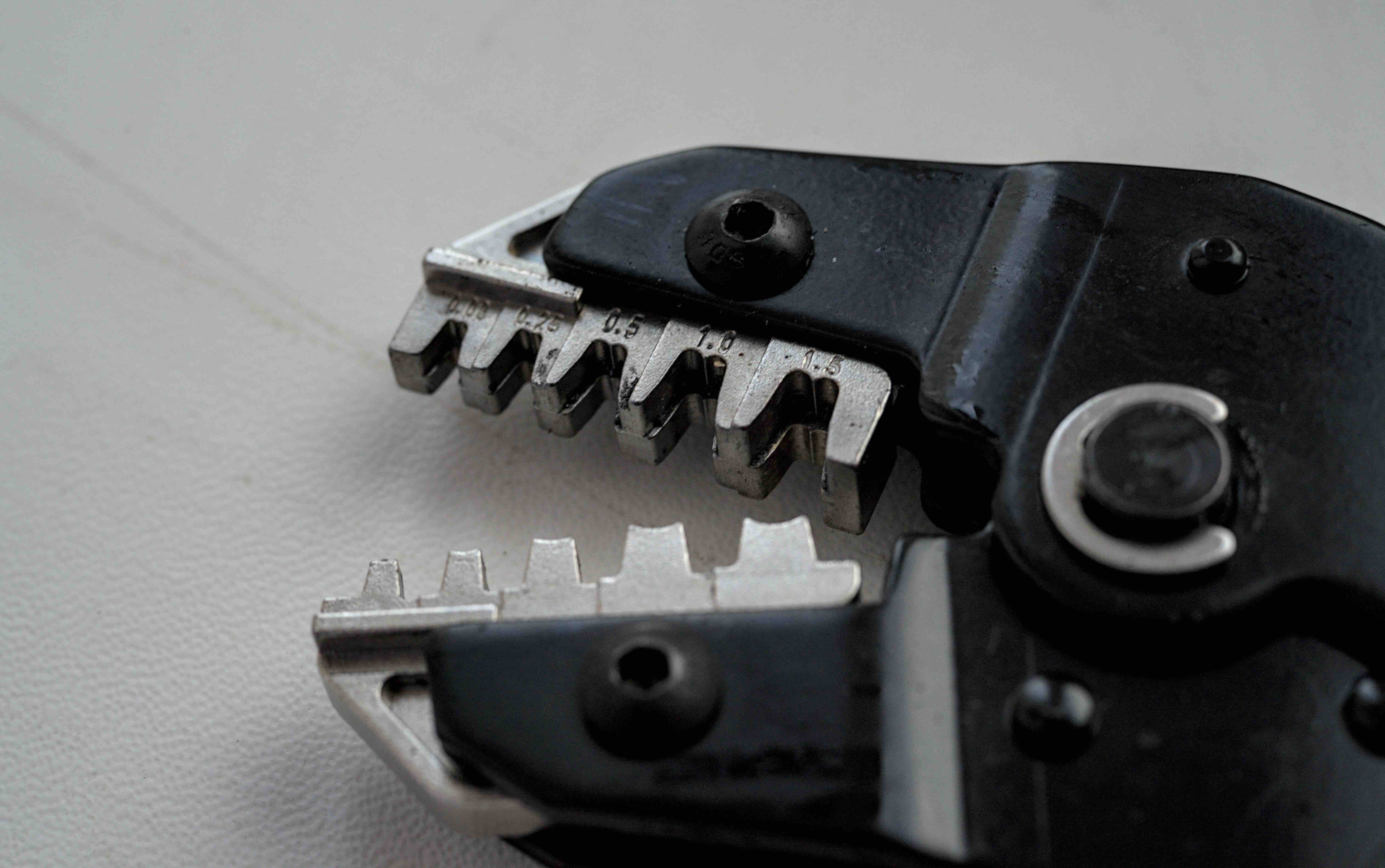
What Is a Coax Cable Crimper Tool and Why Does It Matter?
If you have spent any time working with coaxial cable installations, whether for home theater setups, security camera systems, or broadcast infrastructure, you have probably run into the question of how to properly terminate the ends of those cables. That is where a coax cable crimper tool comes in. At its core, a coax crimper is a hand tool designed to attach coaxial connectors, typically F-type, BNC, or RCA, onto the end of a coaxial cable by applying a precise, uniform compression or crimp force. This creates a secure, low-resistance connection that holds up under real-world conditions. It sounds simple, and in practice it kind of is, but the quality of that crimp makes a significant difference in signal performance and long-term reliability. Choosing the right tool, understanding how it works, and knowing when to use it are all things worth getting right from the start.
How a Coax Cable Crimper Tool Actually Works
The mechanics behind a coax crimper are straightforward once you break them down. You start by stripping the coaxial cable to expose the center conductor, dielectric layer, and shielding braid, each to a specific length depending on the connector type you are using. Then you slide the connector onto the prepared cable end. When you place the connector into the crimper jaw and squeeze the handles, the tool applies even, controlled pressure around the connector ferrule, deforming it slightly and locking it permanently onto the cable's outer jacket and shielding. The result is a connector that cannot be pulled off easily and maintains consistent electrical contact throughout the connection. Some crimpers use a ratcheting mechanism that ensures the full crimp cycle completes before the tool releases, which is actually really helpful for preventing partial crimps that can cause signal loss or connector failure down the line.
Types of Coax Crimper Tools Available
Not every crimper is built the same, and that is worth knowing before you buy. The market offers several categories, each with a different use case and price range.
- Compression crimpers: These use a compression-style connector and are preferred in professional installations for their weather resistance and signal integrity.
- Standard hex crimpers: Use a hex-shaped die to crimp the connector ferrule and are widely used for BNC and F-type connectors.
- Ratcheting crimpers: Feature a ratchet mechanism that prevents incomplete crimps, making them more reliable for repetitive professional use.
- Interchangeable die crimpers: Accept multiple die sets so you can work with different connector types and cable sizes without needing separate tools.
- Combination tools: These often include a built-in cable stripper and cutter alongside the crimping function, which cuts down on tool switching during installations.
For most residential or light commercial work, a standard ratcheting hex crimper paired with a quality cable stripper will handle the majority of jobs. For high-volume or outdoor installations where weatherproofing matters, compression-style tools tend to be the smarter investment.
Key Advantages of Using a Dedicated Coax Crimper
You might wonder why a dedicated crimping tool is necessary when pliers could theoretically do something similar. The difference comes down to consistency and electrical performance. A proper coax crimper ensures the connector is seated and deformed in exactly the right geometry, which directly impacts impedance matching along the cable run. Inconsistent terminations introduce signal reflections and insertion loss, both of which degrade picture quality, data throughput, or audio clarity depending on your application. Beyond signal quality, a correctly crimped connector is also mechanically stable, meaning it resists pull-out forces during normal handling and installation. For anyone working on security camera infrastructure, satellite dish connections, or cable television distribution systems, these are not small details. They are the difference between a system that works reliably for years and one that requires repeated service calls.
Common Drawbacks and Limitations to Know
Coax crimpers are not without their limitations. The most notable is tool and connector compatibility. Not every crimper works with every connector type or cable diameter, and using the wrong die size results in either an undersized crimp that splits the connector or an oversized one that fails to grip properly. This is a frustrating mistake that wastes materials and time. Additionally, entry-level crimpers without ratcheting mechanisms can allow incomplete crimps, especially when user fatigue sets in during long installations. There is also a learning curve involved in properly stripping coax cable before crimping, since incorrect strip lengths will compromise even a well-executed crimp. Finally, compression-style tools tend to cost more upfront than basic hex crimpers, which can feel like a barrier for occasional DIY users who only need to terminate a handful of cables.
Practical Tips for Getting the Best Results
Getting good at coax termination is mostly about developing the right habits early on. A few things that consistently make a difference in the quality of the final connection are worth keeping in mind before you start your next job.
- Always use a proper coax cable stripper set to the correct strip depths for your specific connector type before reaching for the crimper.
- Inspect the center conductor after stripping to make sure it is straight, undamaged, and protruding at the correct length.
- Seat the connector fully onto the cable end before crimping; a connector that is not fully engaged will not crimp correctly regardless of tool quality.
- Use the correct die size for your connector and cable combination, and verify this before starting a large batch of terminations.
- Test each connection with a coax continuity tester or signal meter after crimping to catch any bad terminations before the cable is routed and buried.
These habits separate professional-grade results from amateur-level ones, and they apply whether you are terminating two cables or two hundred.
Coax Crimper Tools Versus Compression Tools: Which Should You Choose?
This question comes up often, and the honest answer depends on the application. Hex crimp connectors and standard crimpers are perfectly adequate for indoor, protected environments where cables are not exposed to moisture or temperature extremes. They are also generally less expensive per connector, which matters in large-scale installations where cost per termination adds up quickly. Compression connectors and their associated tools, on the other hand, create a tighter, more weatherproof seal that resists moisture ingress, making them the preferred choice for outdoor antenna runs, satellite feeds, and any installation where the connector will be exposed to the elements. Professional installers in the cable television and broadcast industries have largely standardized on compression connectors for exactly this reason. If you are equipping a team for field work, the upfront cost of compression tools is almost always justified by fewer callbacks and longer-lasting terminations.
What to Look For When Buying a Coax Crimper Tool
Shopping for a coax crimper means evaluating a few specific factors rather than just comparing price points. Build quality in the handles and jaws matters because these tools take repeated stress over their working life. A ratcheting mechanism, as mentioned earlier, is worth prioritizing because it prevents the human error of releasing the tool before the crimp is complete. Check which connector types and cable sizes the tool is rated for and compare that against the work you actually need to do. Interchangeable die systems offer long-term flexibility if your work involves multiple cable standards. Ergonomics matter more than people expect, especially during long installation days where hand fatigue becomes a real factor. And finally, look for tools that come packaged with quality connectors when possible, since a high-quality crimper paired with low-grade connectors still produces substandard results.
Why Monoprice Is the Right Source for Your Coax Crimper and Connectivity Needs
When it comes to sourcing reliable connectivity tools and cable infrastructure components, Monoprice has built a well-earned reputation for delivering professional-grade quality without the inflated pricing that often comes from legacy brand names. Installers, integrators, and IT professionals who need dependable coax termination tools alongside a full lineup of coaxial cables, connectors, and testing accessories will find a practical, well-curated selection at a price point that makes sense for both individual projects and large-scale deployments. Whether you are equipping a small team or stocking a full installation van, finding your coax cable crimper tools and professional connectivity solutions through a trusted supplier means fewer supply chain headaches and more confidence that the products will perform as specified. Monoprice brings the same value-driven approach to every product category it serves, which means you are not paying for marketing overhead when what you actually need is a tool that works.
Frequently Asked Questions About Coax Cable Crimper Tools
What is a coax cable crimper tool used for?
A coax cable crimper tool is used to attach coaxial connectors such as F-type, BNC, or RCA connectors to the end of a coaxial cable by applying controlled compression or crimping force, creating a secure and electrically consistent connection.
What is the difference between a crimp connector and a compression connector?
A crimp connector uses a metal ferrule that is deformed by the crimper tool to grip the cable, while a compression connector uses a sliding sleeve that compresses around the cable for a tighter, more weather-resistant seal. Compression connectors are generally preferred for outdoor installations.
Can I use a regular pair of pliers instead of a coax crimper?
Technically possible but not recommended. Pliers cannot apply the uniform, geometry-specific pressure required for a proper coax termination, which typically results in signal loss, connector failure, or both.
What connector types are compatible with most coax crimper tools?
Most coax crimpers are designed for F-type, BNC, and RCA connectors. Some tools come with interchangeable dies that support multiple connector types and cable diameters, which adds flexibility for varied installations.
Do I need a cable stripper before using a coax crimper?
Yes. A coaxial cable stripper is a necessary first step. It prepares the cable by exposing the center conductor, dielectric, and outer shielding to the precise lengths required by the specific connector you are terminating.
What does a ratcheting coax crimper do differently?
A ratcheting crimper includes a mechanical ratchet that prevents the tool from releasing until the full crimp cycle is complete. This eliminates partial crimps caused by releasing the handles too early, which is a common cause of connection failure.
How do I know if my coax crimp is done correctly?
A properly crimped connector should seat flush against the cable jacket, the center conductor should be visible and protruding at the correct length, and the connector should not pull off when moderate tension is applied. Using a coax continuity tester to verify signal continuity is the most reliable confirmation method.
Can one coax crimper tool handle all cable types?
Not always. Different cable types such as RG6, RG59, and RG11 have different diameters and require different die sizes. An interchangeable die crimper offers the most versatility across cable types, but you should always verify compatibility before starting a job.
Is a coax crimper tool suitable for DIY home installations?
Absolutely. Coax crimpers are available at entry-level price points that make them practical for homeowners installing cable TV runs, antenna connections, or home theater systems. The learning curve is manageable, and the quality improvement over improvised methods is significant.
How long does a quality coax crimper tool last?
A well-built coax crimper with proper care can last many years even under regular professional use. The jaws and ratchet mechanism are the primary wear points, so tools from reputable manufacturers with quality materials tend to hold up significantly longer than budget options.


