

Category 2 Cable: Legacy Specs and What Comes Next
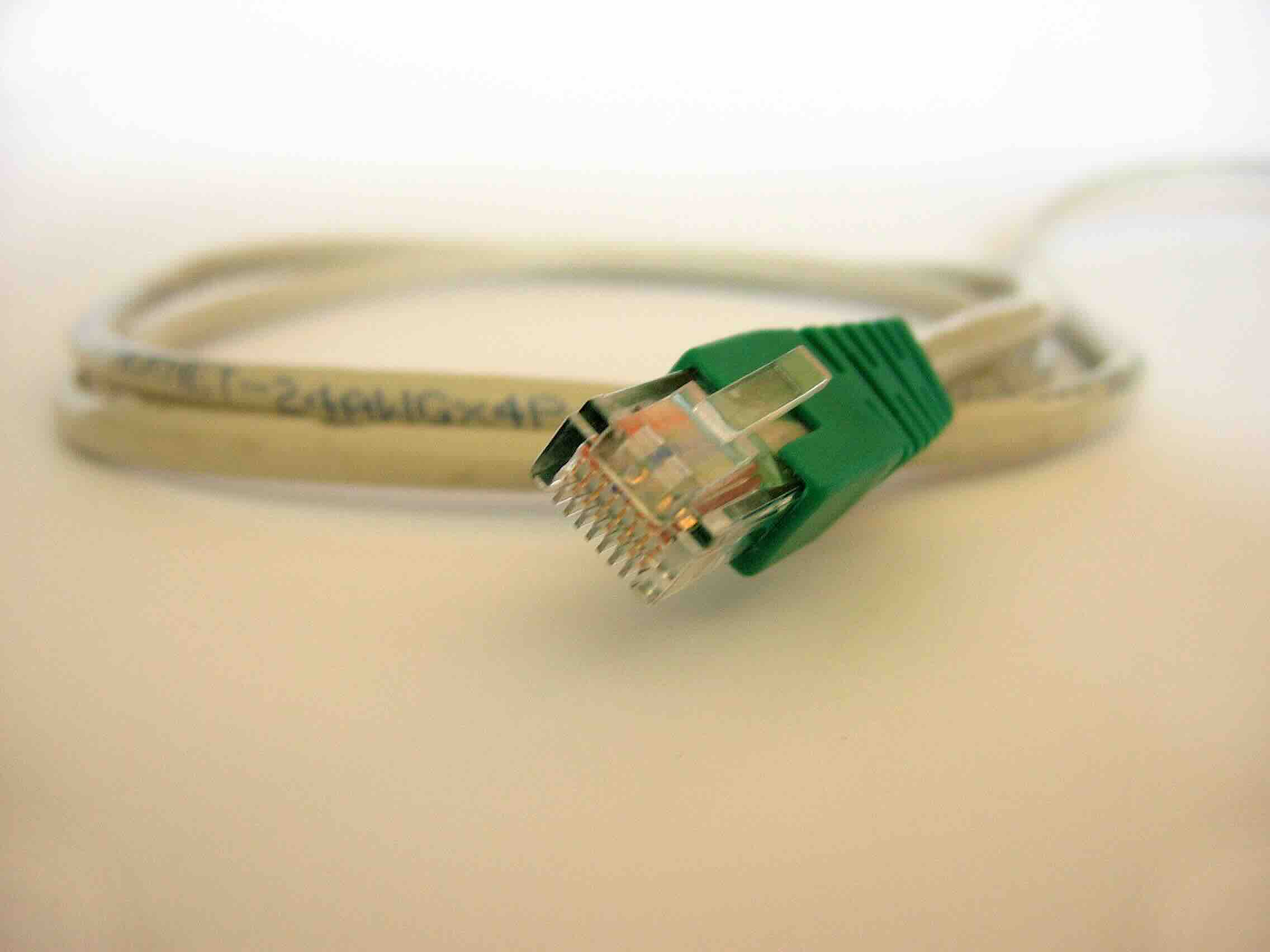
What Is Category 2 Cable and Why Does It Still Matter Today
Category 2 cable, often abbreviated as Cat2, is one of the earliest standardized twisted pair copper cable types developed for structured cabling and telecommunications infrastructure. It was introduced during a period when network speeds were relatively modest by today's standards, and the demands placed on physical cabling were far less complex than what modern data centers or enterprise environments require. Cat2 supports data transmission speeds of up to 4 Mbps and operates within a frequency range of up to 1 MHz. That spec sheet sounds almost quaint now, but there was a time when those numbers were more than sufficient for the technologies in use. Understanding where Cat2 fits into the broader picture of network cabling helps anyone planning a wiring project, evaluating legacy infrastructure, or simply trying to learn the fundamentals of how copper cabling categories work and evolved over time.
A Brief History of the Category Cable System
The cabling category system was formalized by the Electronics Industry Alliance and Telecommunications Industry Association, commonly referenced as the EIA/TIA, through the development of the TIA-568 standard. This standard created a structured framework for classifying copper twisted pair cables according to their performance characteristics, primarily bandwidth and data throughput. Cat1 was the baseline, used almost exclusively for analog telephone lines and not really designed with data in mind at all. Cat2 came next and represented the first category with some meaningful data capability, making it compatible with Token Ring networks and early ISDN lines. As networking needs grew rapidly through the 1990s, higher categories like Cat3, Cat5, and eventually Cat6 took over, each offering substantially improved performance. Cat2 became obsolete for active data networking purposes, but its history tells you a lot about how cabling standards evolve and why picking the right cable for your infrastructure still matters enormously today.
How Category 2 Cable Works
Cat2 cable is constructed from four twisted pairs of copper wire, though historically some installations used only two pairs depending on the application. The twisting of the wire pairs is intentional and engineered to reduce electromagnetic interference and crosstalk between adjacent cable runs. The physics behind it are actually pretty elegant -- when two wires are twisted together carrying opposite signals, the interference they each pick up from external sources tends to cancel itself out. Cat2 achieves this at a basic level, with a relatively loose twist rate compared to higher-category cables. The result is a cable that works reliably at low frequencies and low data rates, but begins to struggle with signal integrity when pushed into higher-bandwidth applications. The 1 MHz bandwidth ceiling is the primary limiting factor, and that constraint is ultimately what made Cat2 a transitional technology rather than a long-term infrastructure standard.
Common Applications and Use Cases for Cat2 Cable
Even though Cat2 is no longer deployed in new network installations, it remains relevant in certain contexts. Here are the primary applications historically and currently associated with Cat2 cable:
- Token Ring network installations from the late 1980s and early 1990s
- ISDN BRI lines requiring basic rate interface connectivity
- Analog intercom and telephone systems in older commercial buildings
- Low-speed serial communication systems in industrial environments
- Legacy building automation and access control systems
If you are working on a renovation project or evaluating older infrastructure, you are likely to encounter Cat2 wiring in buildings constructed or wired between roughly 1985 and 1995. Understanding what it is allows you to make a more informed decision about whether to upgrade or maintain existing runs.
Key Advantages of Category 2 Cable
It would be easy to dismiss Cat2 entirely given how far cabling technology has advanced, but there are a few genuine advantages worth acknowledging. For low-bandwidth legacy systems that were designed around Cat2 specifications, the cable continues to function reliably without requiring replacement. The cost of Cat2 cable, when available, is typically lower than higher-category options, which can matter in applications where performance requirements genuinely do not exceed its limitations. Installation in low-demand environments, such as simple analog telephone lines in small offices or older intercom systems, does not benefit meaningfully from over-engineering the cabling. In those scenarios, Cat2 gets the job done without unnecessary cost. It is also worth pointing out that understanding Cat2 helps technology professionals build a stronger foundational knowledge of structured cabling principles, which directly informs how they approach modern Cat5e, Cat6, and Cat6A deployments.
Common Drawbacks and Limitations of Cat2 Cable
The limitations of Cat2 cable are significant and cannot be ignored in any honest assessment. The 4 Mbps maximum data rate is nowhere near capable of supporting modern Ethernet standards, which begin at 10 Mbps for legacy Fast Ethernet and scale up to 10 Gbps and beyond with current Cat6A and Cat8 deployments. The 1 MHz bandwidth ceiling means Cat2 is fundamentally incompatible with virtually every modern networking protocol. The cable's loose twist rate also makes it more susceptible to electromagnetic interference in environments with significant electrical noise, which describes most modern commercial and industrial spaces. Cat2 is not suitable for Power over Ethernet applications, nor does it support any form of structured data cabling for contemporary office environments. Any facility still running Cat2 for anything beyond legacy analog telephony should evaluate an upgrade path to at minimum Cat5e, and ideally Cat6 or Cat6A for forward-looking performance and longevity.
Category 2 vs. Higher Cable Categories: What Changed
The jump from Cat2 to later generations is substantial and worth putting in concrete terms. Cat3 doubled the frequency range to 16 MHz and supported 10BASE-T Ethernet, which was a significant leap. Cat5 pushed that to 100 MHz and enabled Fast Ethernet at 100 Mbps. Cat5e, which is still widely used today, supports Gigabit Ethernet at 1000 Mbps. Cat6 raised the bandwidth ceiling to 250 MHz, and Cat6A doubles that to 500 MHz while supporting 10 Gigabit Ethernet over full 100-meter runs. Cat8 pushes performance to 2000 MHz and 40 Gbps for short-distance data center applications. Each generational step introduced tighter twist rates, improved shielding options, and better insulation materials. The evolutionary line from Cat2 to Cat8 illustrates how network infrastructure has had to keep pace with the explosive growth in data demand across every vertical, from residential streaming to hyperscale cloud computing.
Practical Tips for Working With Legacy Cat2 Infrastructure
If you find yourself dealing with Cat2 cable in an existing installation, a few practical guidelines will help you manage the situation effectively. Start by conducting a thorough cable audit to identify exactly where Cat2 runs exist and what they currently support. Do not assume all cabling in an older building is the same type, because mixed installations are common. Test existing Cat2 runs with a basic cable tester to confirm continuity and identify any damaged segments before making upgrade decisions. If the Cat2 runs are supporting only analog voice telephony and the system is functioning without issues, replacement may not be immediately necessary unless a larger infrastructure refresh is already planned. However, if any portion of the Cat2 infrastructure is being asked to support data traffic, even low-bandwidth applications, upgrading to Cat5e or Cat6 is the right call. Document everything you find during the audit because accurate records will streamline future upgrades considerably.
Why Monoprice Is the Right Choice for Your Cabling Needs
Whether you are replacing aging Cat2 infrastructure or building a new high-performance network from the ground up, having a reliable source for quality cabling and connectivity solutions matters more than most people initially realize. Monoprice has built a strong reputation as a trusted supplier for IT professionals, AV integrators, and infrastructure decision-makers who need performance without paying a premium. The product lineup covers the full range of structured cabling solutions, from straightforward patch cables to bulk Cat6 and Cat6A runs engineered for demanding enterprise environments. For anyone evaluating an upgrade from legacy cabling systems, exploring high-performance Cat6 and Cat6A network cables for professional infrastructure upgrades is a practical and cost-effective starting point. The combination of competitive pricing, broad product availability, and consistent quality makes Monoprice a smarter buy for both one-time projects and ongoing procurement. When your network infrastructure needs to meet modern performance standards without budget overruns, Monoprice delivers the kind of value that holds up under real-world conditions.
Frequently Asked Questions About Category 2 Cable
What is Category 2 cable used for?
Category 2 cable is primarily used for legacy telecommunications applications including Token Ring networks, ISDN lines, and analog telephone systems. It supports data transmission speeds up to 4 Mbps and operates at frequencies up to 1 MHz, making it unsuitable for modern Ethernet or high-speed data networking.
Is Cat2 cable still being installed in new buildings?
No. Cat2 cable is not installed in new construction projects. Modern structured cabling standards require at minimum Cat5e for data applications, and most new installations use Cat6 or Cat6A to ensure long-term performance and compatibility with current and emerging network technologies.
Can Cat2 cable support internet connections?
Cat2 cable cannot support modern internet connections. Its maximum data rate of 4 Mbps and limited 1 MHz bandwidth make it incompatible with contemporary Ethernet standards, which begin at 10 Mbps and extend to 10 Gbps and beyond depending on the cable category.
How do I identify Cat2 cable in an existing installation?
Cat2 cable is typically identified by jacket printing that specifies the cable type and category. It generally has four twisted pairs but with a looser twist rate than higher-category cables. A cable tester can confirm basic electrical characteristics, though for accurate identification, checking the jacket labeling is the most reliable method.
What is the difference between Cat2 and Cat5e cable?
Cat5e supports Gigabit Ethernet at up to 1000 Mbps and operates at 100 MHz bandwidth, compared to Cat2's 4 Mbps maximum and 1 MHz bandwidth. Cat5e also has tighter twist rates, better crosstalk performance, and is fully compatible with modern networking equipment, making it a dramatically more capable option.
Should I replace Cat2 cable in my building?
If your Cat2 cable is supporting only analog voice telephone lines that are functioning correctly, immediate replacement may not be necessary. However, if any data applications are involved, or if a broader infrastructure upgrade is planned, replacing Cat2 with Cat5e or Cat6 is strongly recommended to ensure compatibility and future performance.
Does Cat2 cable support Power over Ethernet?
No. Cat2 cable does not support Power over Ethernet. PoE applications require cable with sufficient conductor gauge and performance specifications to carry both data and electrical power reliably, which Cat2 does not provide. Cat5e or higher is required for PoE deployments.
What replaced Cat2 cable in telecommunications?
Cat3 replaced Cat2 for most data and voice applications, followed by Cat5, Cat5e, and Cat6 as networking demands increased. For voice telephony specifically, Cat3 remained common for years, though most modern telephone infrastructure now uses Cat5e or Cat6 as part of converged data and voice network installations.
How many pairs of wires does Cat2 cable have?
Cat2 cable typically contains four twisted pairs of copper wire, though some older installations used only two pairs depending on the specific application and the time period in which the cable was installed. Four-pair construction is the standard configuration referenced in cabling documentation.
Is Cat2 cable compliant with current TIA-568 standards?
Cat2 cable is not recognized as a current cabling category under the TIA-568 standard for structured cabling. The standard currently recognizes Cat3, Cat5e, Cat6, Cat6A, and Cat8 as viable categories for modern installations. Cat2 is considered a legacy specification with no active role in current structured cabling deployments.


