

Cat8 Ethernet Cable: Speed, Specs, and What You Need
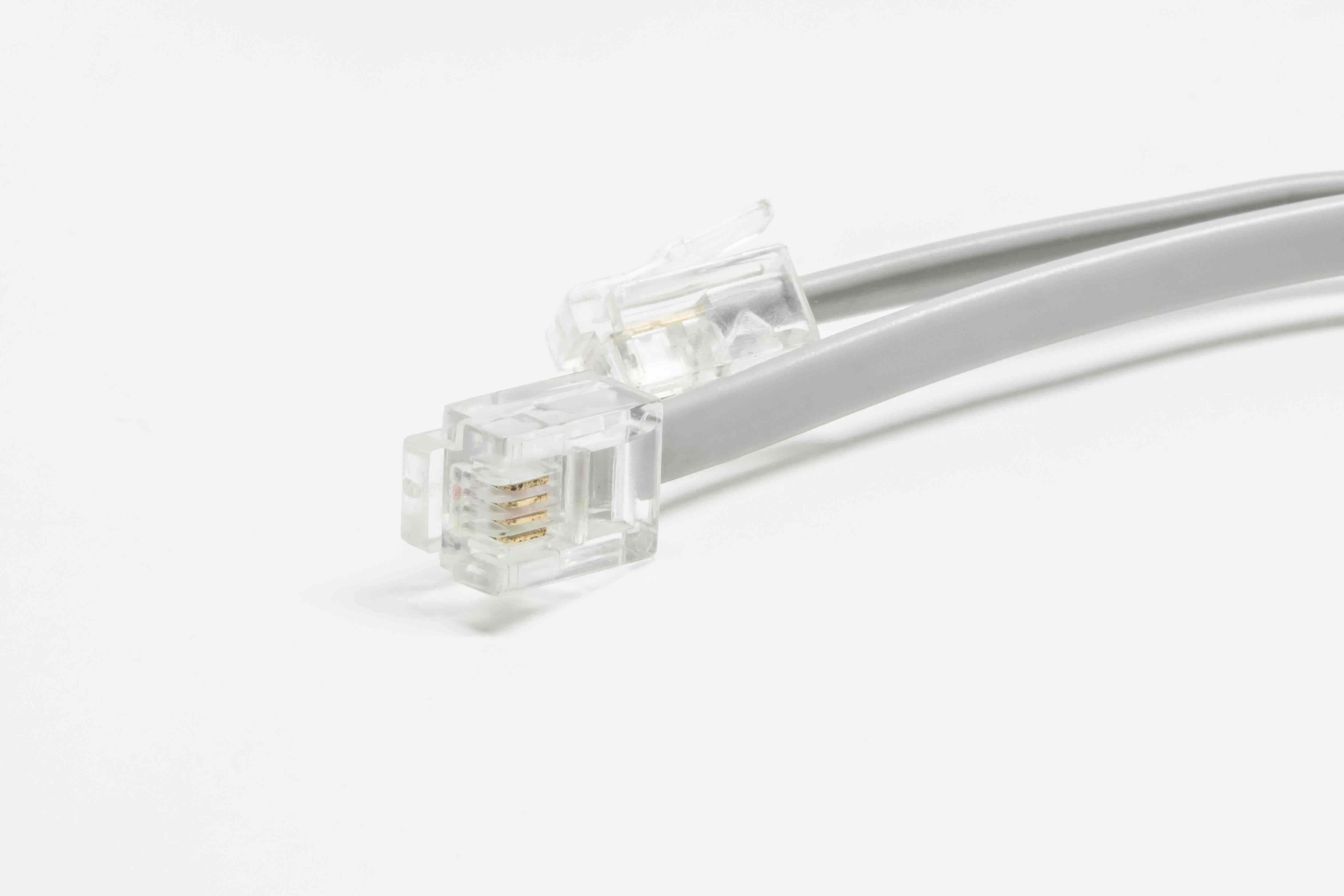
Cat8 Ethernet Cable: Everything You Need to Know About the Newest Standard in Network Cabling
If you have been paying any attention to networking infrastructure lately, you have probably seen Cat8 showing up more and more in product listings, data center specs, and IT procurement conversations. It is the newest Ethernet cable category ratified under the ANSI/TIA-568-C.2-1 standard, and it represents a significant leap forward from what most homes and businesses currently have installed. Whether you are upgrading a home lab, planning out a commercial installation, or just trying to understand what you actually need, this guide breaks it all down in plain terms.
What Exactly Is Cat8 Ethernet Cable?
Cat8, short for Category 8, is the latest and most advanced generation of twisted-pair Ethernet cable currently available for commercial and residential use. It was standardized in 2016 and supports frequencies up to 2,000 MHz, which is a massive jump compared to Cat6a's 500 MHz ceiling. At its core, Cat8 is designed to support 25GBASE-T and 40GBASE-T Ethernet, meaning it can push 25 Gbps or 40 Gbps of throughput over distances up to 30 meters. That is the trade-off you need to understand upfront: blazing speed, but shorter range. For most data center applications and short backbone runs, that distance limitation is completely workable. For long residential cable pulls across a house? That might be something to think through before committing.
How Cat8 Cable Works: The Technical Foundation
Cat8 cable uses four shielded twisted pairs of copper conductors, and here is where it starts to differ meaningfully from older categories. Every pair is individually shielded, and then the entire bundle is wrapped in an additional overall shield, a configuration referred to as S/FTP or shielded foiled twisted pair. This dual-layer shielding dramatically reduces electromagnetic interference and crosstalk, which is exactly what you need when you are pushing that level of signal density through a cable. The connectors are backward compatible with RJ45 ports, so you are not locked into proprietary hardware. It terminates with standard 8P8C connectors, same as everything before it. That compatibility piece is actually one of the more underrated advantages of Cat8 in real-world installations.
Key Advantages of Cat8 Ethernet Cable
There are some genuinely compelling reasons to consider Cat8, especially if your infrastructure needs are pushing the edges of what current cabling can handle. Here is what stands out:
- Supports speeds up to 40 Gbps for demanding data throughput requirements
- Operates at frequencies up to 2,000 MHz for exceptional signal clarity
- S/FTP shielding protects against EMI and crosstalk in high-interference environments
- Backward compatible with Cat6 and Cat7 devices using standard RJ45 connectors
- Ideal for short-run data center backbone connections and server-to-switch links
- Future-proofs infrastructure investment for next-generation networking equipment
- Reduced latency and improved signal integrity compared to lower-category cables
The shielding alone makes a real difference in environments where electrical interference is a concern, like server rooms, industrial settings, or anywhere near high-voltage equipment. And the backward compatibility piece means you are not ripping out all your existing patch panels and switches to make Cat8 work in a mixed environment. That flexibility matters when you are managing a budget alongside a performance upgrade.
Common Drawbacks and Limitations to Consider
Cat8 is genuinely impressive, but it is not the right answer for every situation. The 30-meter maximum distance is a real limitation that affects how useful it is outside of data center or short-run applications. For comparison, Cat5e, Cat6, and Cat6a all support runs up to 100 meters. If you are cabling a large office floor or pulling cable through walls in a home, Cat6a is probably the more practical choice for most of those runs. Cat8 is also noticeably stiffer and harder to route through tight bends, which makes installation more physically demanding. The shielding adds rigidity, and that can slow down a cable pull in complex environments. Cost is another factor. Cat8 cables and the properly rated connectors and patch panels carry a price premium over Cat6a, so you need to weigh whether the performance headroom actually matches your current and near-term needs.
Cat8 vs. Cat6a: Which One Do You Actually Need?
This is honestly the question most people should be asking before they start purchasing cable. Cat6a supports 10 Gbps at up to 100 meters and handles the vast majority of high-performance residential and commercial installations without issue. For most office networks, home setups, and even mid-tier server environments, Cat6a is more than adequate. Cat8 makes the most sense in specific scenarios: high-density data centers where 25G or 40G uplinks are being used between servers and top-of-rack switches, environments where extremely high bandwidth over short distances is a non-negotiable requirement, or future-facing builds where infrastructure longevity is a priority investment. The decision should be driven by actual throughput requirements, not just a desire to have the newest thing available. That said, if you are building something that genuinely needs that performance ceiling, Cat8 delivers it cleanly.
Installation Tips for Cat8 Ethernet Cable
Getting the best performance out of Cat8 requires some care during installation. Because of the shielding, grounding is important. Improperly grounded shielded cable can actually introduce more noise than it eliminates, so making sure your shielded connectors and patch panels are properly grounded is not optional, it is essential. Use a bend radius of at least four times the cable diameter to avoid damaging the shielding or the twisted pairs inside. Cat8 requires Cat8-rated or Cat6a-rated shielded keystone jacks and patch panels. Do not try to terminate it into unshielded hardware and expect full performance. Cable management also matters more with Cat8 due to its stiffness. Plan your runs carefully, use appropriate guides and supports, and do not force tight corners.
Where Cat8 Cable Is Being Used Right Now
The primary deployment zones for Cat8 at the moment are enterprise data centers, cloud infrastructure facilities, and high-performance computing environments. You will also see it showing up in financial trading environments where latency is extremely time-sensitive, broadcast and media production facilities running high-resolution video over IP, and increasingly in ambitious home lab and enthusiast setups where people are running 10G or 25G switching hardware. It is a niche but growing use case in the prosumer space. As 25G and 40G networking hardware continues to drop in price, the addressable market for Cat8 cabling will expand accordingly. That trend is already visible in the component pricing over the past few years.
Is Cat8 the Right Future-Proof Investment?
Future-proofing is a term that gets thrown around a lot in networking conversations, and it is worth examining honestly. Cat8 does offer meaningful headroom above what current consumer and SMB networking equipment typically requires. But future-proofing has to be balanced against the practical realities of your environment. If you are building a data center or a permanent infrastructure installation that will serve the business for a decade, Cat8 is a defensible choice for short backbone runs. If you are pulling cable through walls in a house or small office, Cat6a will likely serve you well beyond the lifespan of most of the active equipment it connects. The honest answer is that Cat8 is the right investment when the environment, the distance, and the performance requirements all align. When they do, it is an excellent product. When they do not, Cat6a is the smarter, more cost-effective decision.
Why Monoprice Is Your Best Source for Cat8 and High-Performance Ethernet Cables
When it comes to sourcing networking cables that actually perform to spec without padding your budget unnecessarily, Monoprice has been a trusted name for IT professionals, integrators, and savvy consumers for years. The product catalog is built around the principle that high performance should not require a premium markup, and that philosophy shows up clearly in the Ethernet cable lineup. Whether you are outfitting a data center, upgrading a home lab, or running structured cabling for a commercial project, the depth of selection available across Cat6a, Cat7, and Cat8 cables means you can find exactly what the installation requires. If you are ready to upgrade your network infrastructure with reliable, high-performance cabling, exploring Cat8 and high-speed Ethernet cables from Monoprice is a practical starting point that will not compromise on quality or break a project budget. The combination of verified performance specs, competitive pricing, and a reputation built on delivering real value makes Monoprice a logical first call for anyone taking network infrastructure seriously.
Frequently Asked Questions About Cat8 Ethernet Cable
What is the maximum speed of a Cat8 Ethernet cable?
Cat8 Ethernet cable supports speeds up to 40 Gbps using 40GBASE-T technology. It can also operate at 25 Gbps under 25GBASE-T configurations, depending on the connected hardware and distance of the run.
How far can Cat8 cable run at full speed?
Cat8 cable supports its maximum speeds over a maximum distance of 30 meters, which is approximately 100 feet. Beyond that distance, signal integrity degrades and the cable cannot maintain rated performance. For longer runs, Cat6a at up to 100 meters is a better fit.
Is Cat8 backward compatible with older Ethernet equipment?
Yes. Cat8 cable uses standard 8P8C connectors, commonly referred to as RJ45, and is backward compatible with Cat5e, Cat6, Cat6a, and Cat7 devices. You can plug a Cat8 cable into an older switch or router, though the connection will operate at that device's maximum supported speed.
Does Cat8 require special connectors or patch panels?
Cat8 cable should be terminated with Cat8-rated or properly rated shielded connectors and patch panels. Using unshielded termination hardware will compromise performance and may introduce noise, defeating the purpose of the cable's shielding design.
What does S/FTP mean on a Cat8 cable?
S/FTP stands for Shielded Foiled Twisted Pair. It describes a cable construction where each individual twisted pair is wrapped in foil shielding, and then the entire bundle of pairs is enclosed in an additional braided or foil outer shield. This dual-layer design provides superior protection against electromagnetic interference and crosstalk.
Is Cat8 overkill for a home network?
For most home networking applications, Cat8 is more than what is necessary. Consumer routers, switches, and internet service plans typically max out well below the speeds Cat8 is designed to support. Cat6 or Cat6a is the practical choice for home use, offering more than enough performance for current and near-future residential needs.
Can Cat8 cable be used outdoors?
Standard Cat8 cable is not rated for outdoor use. If an outdoor installation is required, you need a cable specifically manufactured and rated for direct burial or outdoor exposure, with appropriate weatherproofing and UV-resistant jacket materials. Always verify the specific cable's rating before outdoor deployment.
What environments benefit most from Cat8 Ethernet cable?
Cat8 performs best in data centers, high-performance computing environments, financial trading infrastructure, broadcast production facilities, and enterprise server rooms where short, high-bandwidth runs between switches and servers are common. It is engineered for environments where maximum data throughput over short distances is a real operational requirement.
How does Cat8 compare to Cat6a in terms of cost?
Cat8 cables and associated termination hardware carry a higher price per foot than Cat6a products. For most installations where Cat6a meets the performance requirements, the additional cost of Cat8 does not deliver a proportional benefit. The investment in Cat8 is justified when the specific speed and frequency requirements of the environment demand it.
When was Cat8 Ethernet cable officially standardized?
Cat8 Ethernet cable was officially ratified under the ANSI/TIA-568-C.2-1 standard in 2016. It remains the highest-rated twisted-pair copper Ethernet cable category currently available for commercial deployment and represents the current ceiling of standardized copper network cabling performance.


