

Cat6 Ethernet Speeds: Fast, Reliable, and Future-Ready Networking
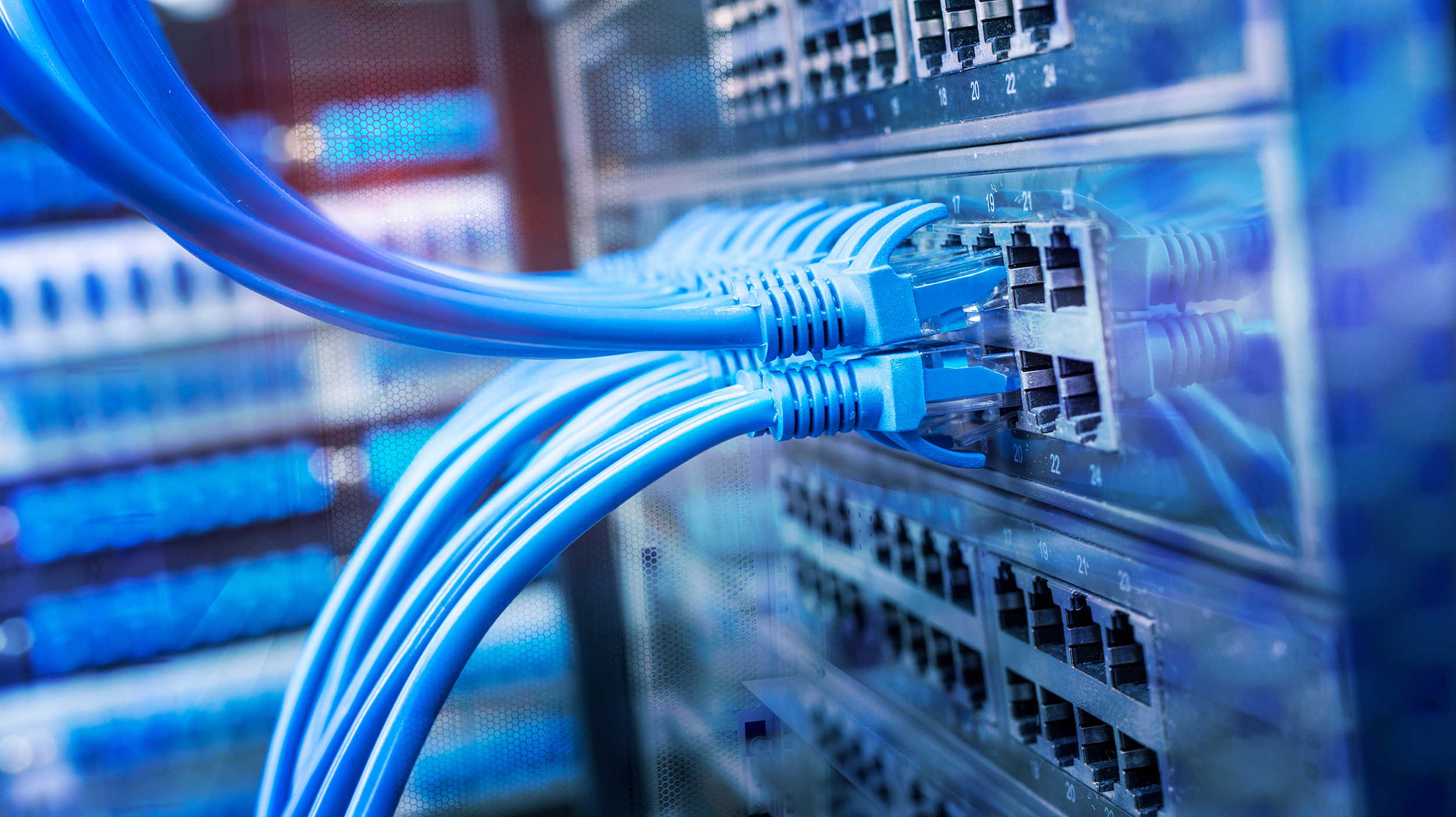
Cat6 Ethernet Cable Speeds: What You Need to Know Before You Buy
So you are shopping for Ethernet cable and you keep seeing Cat6 everywhere. That makes sense -- it is genuinely one of the most widely used cable standards in networking right now, for both home setups and business environments. But what does Cat6 actually mean? What speeds does it support? And is it actually the right choice for what you are building or upgrading? Let's break it down clearly, because this stuff matters more than most people realize when they are planning out a network that needs to last.
What Is Cat6 Ethernet Cable and How Does It Work
Cat6 stands for Category 6, which is a standardized specification for twisted-pair Ethernet cabling. Inside that cable jacket, you have four pairs of copper wires that are tightly twisted together. That twisting is not random -- it is specifically designed to reduce electromagnetic interference and crosstalk between wire pairs, which is a huge deal when you are pushing data at high speeds. Cat6 cables also typically include a spline or separator between the wire pairs, which adds even more protection against signal degradation. The result is a cable that can handle significantly more bandwidth than its predecessor, Cat5e, and do it more reliably across longer distances.
Cat6 Ethernet Speeds Explained: The Real Numbers
Here is where it gets practical. Cat6 cable supports speeds up to 1 Gbps at distances up to 100 meters, which is the full standard Ethernet run length. But here is the part that tends to surprise people -- Cat6 can actually support speeds up to 10 Gbps, but only over shorter distances, specifically up to 55 meters. That 10 Gbps capability is significant. It means Cat6 is not just adequate for today's networks; it is genuinely capable of handling what a lot of high-demand home and business environments are starting to push toward. Beyond 55 meters at 10 Gbps, signal degradation becomes a real issue and you start to lose that performance ceiling. Plan your cable runs accordingly and you can extract a lot of value out of a relatively affordable cable category.
Cat6 vs Cat5e vs Cat6A: Understanding the Differences
This is a comparison that comes up constantly, and honestly, it is worth spending a moment on. Cat5e is the older standard, maxing out at 1 Gbps with less bandwidth capacity overall. Cat6 improves on that with better shielding, tighter tolerances, and that 10 Gbps potential over shorter runs. Then there is Cat6A, the augmented version of Cat6, which supports 10 Gbps over the full 100-meter distance. The tradeoff with Cat6A is that the cables are thicker, stiffer, heavier, and more expensive. For most home users and small to mid-sized businesses, Cat6 hits a sweet spot that Cat5e cannot quite reach and Cat6A honestly over-delivers on at a higher cost. Know your distances, know your speed requirements, and you can make this call quickly.
Key Advantages of Cat6 Ethernet Cable
There are several reasons Cat6 has become the go-to standard for modern network installations, and they are worth listing out directly so nothing gets buried.
Supports up to 10 Gbps speeds over 55-meter runs Backward compatible with Cat5 and Cat5e equipment Reduced crosstalk and electromagnetic interference compared to older cable categories Supports 250 MHz of bandwidth, double what Cat5e offers Available in a wide range of configurations including shielded and unshielded versions Cost-effective compared to Cat6A while delivering strong performance for most use cases Widely available and compatible with all standard RJ45 connectors and keystone jacksThat backward compatibility point is worth emphasizing. If you are upgrading an older network, Cat6 will work with your existing switches, routers, and patch panels. You do not have to rip everything out. That is genuinely useful when you are managing a phased upgrade or working within a budget.
Common Drawbacks to Consider Before You Commit
In the interest of being straightforward -- and this is the kind of information that actually helps you make better decisions -- there are a few limitations with Cat6 that you should factor in. The 10 Gbps speed cap at 55 meters is a real constraint for larger buildings or longer infrastructure runs. If your network layout demands 10 Gbps consistently across runs longer than that, Cat6A is going to serve you better even with its added cost and bulk. Cat6 cables are also slightly stiffer than Cat5e due to the internal spline, which can make routing through tight conduit paths a bit more cumbersome. And while Cat6 is priced well for the performance it offers, it does cost more than Cat5e, so for very large deployments where 1 Gbps is entirely sufficient, that cost difference can add up.
Where Cat6 Makes the Most Sense: Practical Use Cases
Think about where 10 Gbps capability over shorter distances is legitimately useful. Home networking with NAS devices, 4K streaming, gaming, and smart home infrastructure -- Cat6 handles all of that comfortably. For offices, consider workstations that need consistent, low-latency connectivity, video conferencing setups, or small server rooms where the cable runs are manageable in length. Cat6 also works well in education environments, hospitality settings, and retail locations where structured cabling needs to be reliable and scalable without a major capital investment. It is a cable category that has genuine versatility across a wide range of deployment scenarios.
Installation Tips for Getting the Most Out of Cat6
A few practical points that are easy to overlook but genuinely matter when you are putting in the work. Keep your cable runs under 55 meters if you are planning to take advantage of 10 Gbps speeds -- measure twice, cut once. Avoid running Cat6 cable parallel to electrical wiring for long stretches, because EMI interference is a real performance killer even with the improved shielding Cat6 provides. Use quality connectors and terminate your cables properly; a poorly crimped RJ45 connector can undercut everything the cable itself is capable of delivering. If you are running cable through walls or conduit, consider shielded Cat6 for additional protection in environments where interference is more likely. And do not overtighten cable ties -- it sounds minor but excessive compression can actually degrade performance in twisted-pair cables.
Is Cat6 Future-Ready Enough for Modern Networks
This is a fair question. Networking technology does keep advancing and nobody wants to install infrastructure that is already becoming obsolete. The honest answer is that Cat6 is well-positioned for current and near-future demands for the vast majority of users. Most consumer and small business internet connections are still operating well below the 1 Gbps ceiling Cat6 comfortably supports, and the 10 Gbps headroom over shorter distances gives you meaningful room to grow. For large enterprise environments planning for high-density 10 Gbps deployments across the full building, Cat6A or even Cat8 may be worth evaluating. But for home users, small businesses, and mid-sized operations, Cat6 is not a compromise -- it is a sound, practical choice that delivers performance without demanding a premium you may not need to pay.
Why Monoprice Is the Smart Source for Cat6 Ethernet Cable
When you are sourcing Cat6 cable -- whether it is a single patch cord or a full bulk spool for a structured cabling project -- the quality of the cable matters as much as the specification on the label. Monoprice has built a genuine reputation in the networking and AV industry for delivering high-performance cables and infrastructure products at pricing that makes sense for both home users and procurement teams managing larger deployments. The consistency, build quality, and attention to specification compliance is there across the product line. If you are looking for high-performance Cat6 Ethernet cables and networking solutions that deliver on both speed and value, Monoprice offers a reliable, cost-conscious path to getting your infrastructure built right the first time. Whether you need a 1-foot patch cable or a 1,000-foot bulk spool, the product catalog is built to support real-world installations at every scale.
Frequently Asked Questions About Cat6 Ethernet Cable Speeds
What is the maximum speed of a Cat6 Ethernet cable?
Cat6 Ethernet cable supports a maximum speed of 10 Gbps, but this is limited to cable runs of 55 meters or less. Over longer distances up to 100 meters, Cat6 reliably delivers 1 Gbps speeds.
Is Cat6 good for gaming?
Yes, Cat6 is an excellent choice for gaming. It delivers low-latency, high-speed wired connectivity that handles online gaming, game downloads, and streaming without the inconsistency that Wi-Fi connections can introduce.
What is the difference between Cat6 and Cat6A?
Cat6 supports 10 Gbps up to 55 meters, while Cat6A supports 10 Gbps across the full 100-meter standard Ethernet run. Cat6A cables are thicker, heavier, and more expensive. For most home and small business use, Cat6 is the more practical and cost-effective choice.
Can I use Cat6 cable with older Cat5e equipment?
Yes. Cat6 is fully backward compatible with Cat5e and Cat5 equipment. You can use Cat6 cables with existing switches, routers, and patch panels without any compatibility issues.
How far can Cat6 run at 1 Gbps?
Cat6 cable supports 1 Gbps speeds over the full standard Ethernet distance of 100 meters, making it suitable for most home and business cable runs.
Does Cat6 cable reduce interference?
Yes. Cat6 cable is designed with tighter wire pair twisting and often includes an internal spline separator, both of which significantly reduce crosstalk and electromagnetic interference compared to Cat5e.
Should I use shielded or unshielded Cat6 cable?
Unshielded Cat6 works well in most residential and office environments. Shielded Cat6 is recommended in environments with higher levels of electromagnetic interference, such as near industrial equipment, dense electrical wiring, or in outdoor or plenum spaces.
Is Cat6 cable worth it over Cat5e for a home network?
For most home networks, Cat6 is worth the modest price difference. It offers double the bandwidth capacity of Cat5e, better interference rejection, and meaningful headroom for future speed upgrades, making it a smart long-term investment.
Can Cat6 support a 10 Gbps internet connection?
Yes, Cat6 can support a 10 Gbps internet connection on cable runs up to 55 meters. As 10 Gbps residential internet becomes more available, Cat6 infrastructure installed today will be ready to handle it within that distance range.
What connector does Cat6 cable use?
Cat6 cable uses the standard RJ45 connector, which is the same connector used with Cat5 and Cat5e cables. This makes Cat6 compatible with virtually all existing Ethernet ports on routers, switches, computers, and networking devices.


