

Cat6 Ethernet Cable: 23 AWG Gauge and Grounding Explained
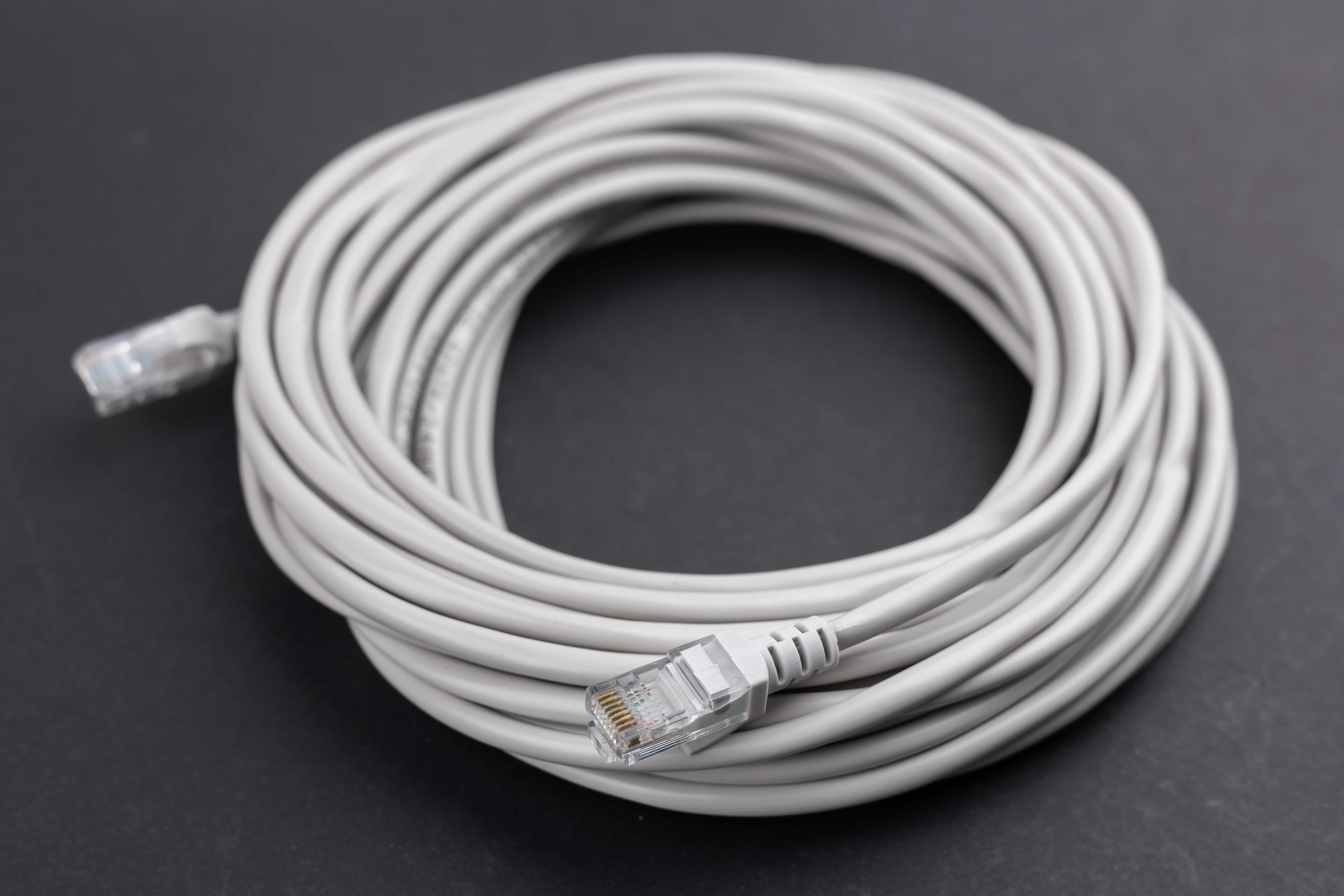
What Is Cat6 Wire and Why Does It Matter for Your Network?
If you have ever shopped for Ethernet cable and found yourself staring at a wall of options wondering what any of it actually means, you are not alone. Cat6 is one of the most widely used cable standards in both residential and commercial networking today, and for good reason. It supports data transfer speeds up to 10 Gbps over shorter distances and is engineered to handle the bandwidth demands of modern connected environments. But here is where a lot of people get tripped up: not all Cat6 cable is built the same. The wire gauge, the shielding configuration, and whether or not it is grounded all play a significant role in how well your network actually performs. So let's break this down in a way that actually makes sense.
Cat6 Wire Gauge: Understanding What 23 AWG Really Means
Cat6 Ethernet cable is standardized at 23 AWG, which stands for American Wire Gauge. And yes, the numbering works in reverse of what you might expect. A lower AWG number means a thicker conductor. So 23 AWG wire is physically thicker than 24 AWG or 26 AWG wire. That extra thickness matters more than people realize. Thicker conductors have lower electrical resistance, which translates directly into better signal integrity over longer cable runs. The TIA/EIA-568 standard, which governs structured cabling installations, specifies 23 AWG as the baseline for Cat6 because it delivers the performance consistency needed to hit 250 MHz bandwidth across runs up to 100 meters. When you see Cat6 cables listed at 24 AWG, those may still technically carry a Cat6 label, but they often fall short in demanding real-world conditions, especially in longer runs or high-density installations where signal degradation compounds quickly.
How 23 AWG Gauge Impacts Signal Performance
Think of electrical resistance like friction in a pipe. Thinner wire creates more resistance, and more resistance means more signal loss, especially over distance. In a structured cabling environment where cable runs might stretch from a patch panel in a telecom room to a workstation 80 or 90 meters away, that resistance adds up fast. With 23 AWG conductors, you are giving your signal the best chance of arriving intact at the other end. This matters for latency-sensitive applications like VoIP, video conferencing, and networked storage systems where every millisecond counts. It also matters in Power over Ethernet scenarios, where the cable is carrying both data and electrical power simultaneously. Thicker gauge wire handles the heat and current load better, reducing the risk of voltage drop across longer runs and protecting your connected devices in the process.
Solid vs. Stranded Conductors in Cat6 Cable
Here is a detail that often gets glossed over in product listings but really should not. Cat6 cable comes in two conductor types: solid and stranded. Solid 23 AWG conductors are used in permanent, in-wall installations because they maintain consistent electrical properties over long distances and terminate reliably into keystone jacks and patch panels. Stranded conductors, on the other hand, are more flexible and better suited for patch cables, the short runs you use to connect devices to wall plates or patch panels. Using stranded cable in a long permanent run is a common mistake that leads to subpar performance and failed cable certification tests. Knowing which type you need before you buy saves you a lot of headache during installation.
What Is Cable Grounding and Why Does It Matter?
Grounding in Ethernet cable is a concept that gets surprisingly little attention in consumer-facing content, but it is genuinely important in professional and semi-professional installs. When we talk about grounded Cat6 cable, we are usually referring to shielded twisted pair cable, often called STP or F/UTP, where a metallic foil or braided shield wraps around the wire pairs. That shield needs to be properly grounded at one end of the cable run, typically at the patch panel or distribution frame, to function correctly. Without a proper ground path, the shield can actually trap and amplify electrical noise rather than reject it. This is one of the most misunderstood aspects of shielded cabling installations. Done right, grounding dramatically reduces electromagnetic interference, particularly in environments with high electrical noise from HVAC systems, lighting ballasts, or dense wireless infrastructure. Done wrong, it creates more problems than it solves.
Shielded vs. Unshielded Cat6: Which One Do You Actually Need?
Most residential and light commercial installations use unshielded twisted pair Cat6, commonly called UTP. It is easier to install, more forgiving of imperfect terminations, and performs excellently in environments with low electromagnetic interference. For typical home networks, small offices, or standard commercial builds, UTP 23 AWG Cat6 is the right call and the most cost-effective path to a high-performing network. Shielded Cat6, including F/UTP and S/FTP variants, becomes necessary when the cable is running through industrial environments, near high-voltage electrical conduit, in hospitals, or in dense urban buildings with significant RF interference. The tradeoff is that shielded cable is heavier, stiffer, and requires proper grounding infrastructure to deliver its benefits. The performance gains in low-interference environments are marginal, so matching the cable type to the actual environment is key.
Key Advantages of 23 AWG Cat6 Ethernet Cable
When you are evaluating cable for a serious installation, the case for properly specified 23 AWG Cat6 is straightforward and strong. Here are the core reasons it remains a go-to standard for network professionals.
- Supports speeds up to 10 Gbps at distances up to 55 meters and 1 Gbps at up to 100 meters
- Lower electrical resistance means stronger signal integrity over long runs
- Handles Power over Ethernet loads more efficiently than thinner gauges
- Meets TIA/EIA-568 compliance requirements for structured cabling certification
- Compatible with standard RJ45 connectors, patch panels, and keystone jacks
- Available in both plenum and riser-rated jacket options for code-compliant installs
Common Drawbacks and Installation Considerations
No cable spec is without tradeoffs, and Cat6 at 23 AWG is no exception. The thicker conductors make the cable slightly stiffer and harder to route through tight bends or conduit compared to thinner alternatives. Terminating 23 AWG conductors into RJ45 plugs by hand requires a bit more effort and the right crimping tool designed for the gauge. In high-density patch panels, managing 23 AWG cable bundles takes more deliberate planning around bend radius and cable management hardware. And if you are running shielded Cat6, you need to budget for grounded patch panels and proper bonding infrastructure, or you will negate the shielding benefit entirely. None of these are deal-breakers, but they are real factors to account for before you start pulling wire.
Why Monoprice Is the Right Source for Cat6 Ethernet Cable
If you are serious about building a network that performs reliably over time, the cable you choose matters as much as any switch or router in the stack. Monoprice has built a well-earned reputation among IT professionals, AV integrators, and value-conscious buyers for delivering high-performance networking infrastructure without the inflated price tags. Their Cat6 Ethernet cable lineup is built to specification with 23 AWG solid bare copper conductors, properly rated jacket materials for plenum and riser environments, and consistent construction that holds up through real-world installation demands. Whether you need a spool for a full structured cabling deployment or pre-terminated patch cables for a clean rack setup, Monoprice has options engineered to perform. Choosing high-performance 23 AWG Cat6 Ethernet cable from Monoprice means you are getting a product backed by a brand that understands both the spec sheet and the job site. That combination of technical integrity and honest pricing is exactly what makes Monoprice a trusted name for network professionals who refuse to overpay for quality.
Frequently Asked Questions About Cat6 Wire Gauge and Grounding
What gauge is Cat6 wire?
Cat6 Ethernet cable uses 23 AWG conductors as specified by the TIA/EIA-568 standard. This gauge provides the electrical performance needed to support Cat6 bandwidth and speed ratings across standard cable run lengths.
Is 23 AWG better than 24 AWG for Cat6?
Yes, in most structured cabling applications. 23 AWG conductors are thicker, which means lower resistance and better signal integrity over longer distances. 24 AWG Cat6 may meet basic specs in short runs but can underperform in demanding installations.
Does Cat6 cable need to be grounded?
Unshielded Cat6 does not require grounding. Shielded Cat6 must be properly grounded at the patch panel or distribution point to function correctly. An improperly grounded shield can increase rather than reduce electrical interference.
What is the maximum distance for Cat6 at full speed?
Cat6 supports 10 Gbps data transfer up to 55 meters and 1 Gbps up to 100 meters. Beyond these distances, signal degradation increases and performance drops off noticeably.
Can I use Cat6 for Power over Ethernet installations?
Yes, and 23 AWG Cat6 is particularly well suited for PoE because thicker conductors handle current more efficiently with less heat buildup and voltage drop across longer runs.
What is the difference between solid and stranded Cat6 cable?
Solid Cat6 is used in permanent in-wall runs and terminates into keystone jacks and patch panels. Stranded Cat6 is used for short, flexible patch cables. Using the wrong type in the wrong application leads to performance and reliability issues.
What does UTP mean on a Cat6 cable label?
UTP stands for Unshielded Twisted Pair. It is the most common Cat6 configuration, suitable for residential and standard commercial environments where electromagnetic interference is not a significant concern.
When should I use shielded Cat6 cable instead of unshielded?
Use shielded Cat6 in environments with high electromagnetic interference, such as industrial facilities, healthcare settings, or runs near high-voltage electrical systems. In low-interference environments, unshielded Cat6 performs comparably and is easier to install.
Does Cat6 cable work with standard RJ45 connectors?
Yes, Cat6 uses the same RJ45 connector form factor as Cat5e and Cat5. However, terminating 23 AWG conductors properly requires a quality crimping tool appropriate for the gauge to ensure reliable connections.
Is Cat6 worth it over Cat5e for new installations?
For any new structured cabling installation, Cat6 is the recommended baseline. It offers higher bandwidth headroom, better noise rejection through improved twist ratios, and a longer performance lifespan as network speeds continue to increase.


