

Cat6 Cable Guide: Speed, Specs, and Smart Installation
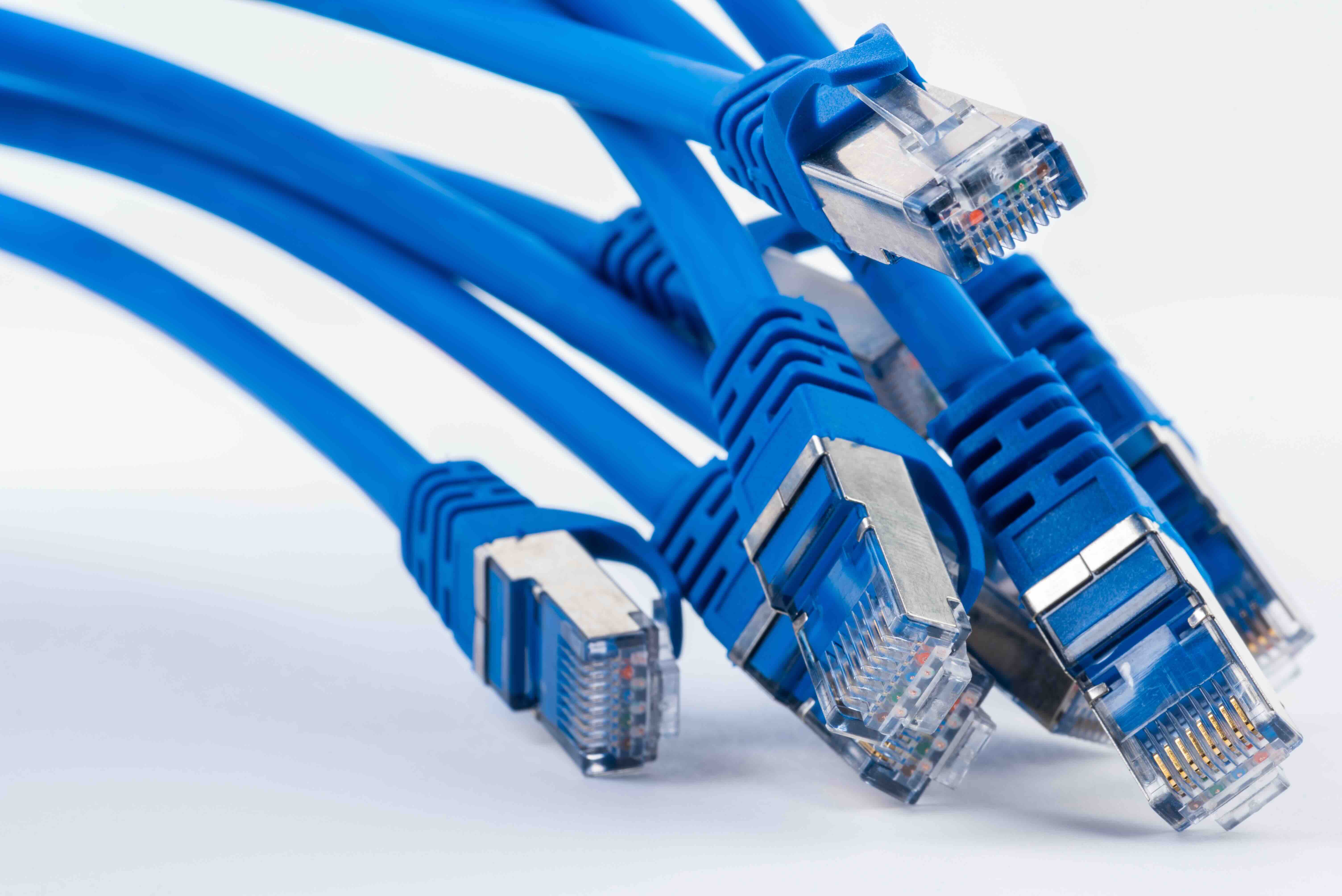
What Is Cat6 Cable and Why Does It Matter for Your Network?
If you have ever set up a home office, wired a small business, or helped an IT team run structured cabling through a building, you have probably run into the term Cat6. It stands for Category 6, and it is one of the most widely deployed Ethernet cable standards in use today. Cat6 cable is designed to support high-speed data transmission over twisted-pair copper conductors, and it sits right in that practical sweet spot between older Cat5e infrastructure and newer, more expensive Cat6a or Cat8 solutions. Understanding what Cat6 actually is, how it performs in real-world installations, and where it fits into your network planning is genuinely worth the time. So let's get into it.
The Physical Specs Behind Cat6 Cable
Cat6 cable is built around four pairs of twisted copper conductors housed inside a single jacket. The cable diameter typically measures around 0.250 inches, though this can vary slightly by manufacturer depending on whether the cable includes a spline or center separator, which is a plastic divider running lengthwise through the cable that reduces crosstalk between pairs. That spline is actually one of the defining construction differences between Cat6 and Cat5e. Cat6 is rated to handle frequencies up to 250 MHz, which is double the 100 MHz ceiling of Cat5e. It meets TIA/EIA-568-B.2-1 specifications, and when terminated properly, it delivers reliable 1 Gigabit Ethernet performance up to 100 meters and can technically support 10 Gigabit Ethernet up to 55 meters in standard configurations. Solid conductor Cat6 cable is typically used for permanent runs inside walls and conduit, while stranded conductor versions are better suited for patch cables and flexible connections.
How Cat6 Cable Actually Works
At its core, Ethernet transmission through Cat6 cable relies on differential signaling across those twisted pairs. Each pair twists at a slightly different rate, which is deliberate. The twist rates create a natural cancellation effect for electromagnetic interference and crosstalk, meaning signals stay cleaner over longer runs. Cat6 takes this a step further with tighter twist specifications and often that internal spline, which keeps pairs physically separated inside the jacket. Data moves through the cable in full-duplex mode, meaning it can send and receive signals simultaneously, which is what makes modern Gigabit networking feel seamless. The cable connects to standard RJ45 connectors on both ends, and it is backward compatible with Cat5 and Cat5e infrastructure, which matters when you are upgrading existing networks in stages.
Key Advantages of Using Cat6 Cable
There are genuinely good reasons Cat6 has become the default choice for most new structured cabling installations. Here is where it earns its place:
- Supports Gigabit Ethernet at full 100-meter runs with consistent reliability
- Reduces crosstalk and electromagnetic interference compared to Cat5e
- Rated for 250 MHz bandwidth, future-proofing lower-density installations
- Backward compatible with older Cat5 and Cat5e equipment and patch panels
- Supports 10GbE over shorter distances, useful for server rooms and data closets
- Available in plenum, riser, and PVC jacket ratings for different installation environments
- Works with standard RJ45 jacks and keystones, keeping termination costs low
For most residential installations, small business environments, and even mid-size enterprise edge deployments, Cat6 delivers exactly what is needed without overengineering the infrastructure budget. That balance between performance and cost is where Cat6 consistently wins the argument.
Common Drawbacks and Limitations to Know
Cat6 is solid, but it is not perfect for every scenario, and being honest about that matters. The first limitation worth noting is the 10GbE distance cap. If you need 10 Gigabit Ethernet to run reliably across full 100-meter horizontal runs, Cat6 will not get you there consistently. You would need Cat6a for that. Cat6a has a larger diameter, sometimes pushing 0.354 inches, which affects conduit fill capacity and bend radius in tight installations. Cat6, by contrast, is easier to pull and manage. Another limitation is that Cat6 cable is more sensitive to improper termination than Cat5e. If the pairs are untwisted too much during termination at the RJ45 connector, crosstalk performance degrades, and that undermines the whole point of upgrading from Cat5e. Shielded Cat6, sometimes called STP or F/UTP, requires proper grounding throughout the cable run, or it can actually perform worse than unshielded cable due to ground loops. And while Cat6 is widely available, copper pricing fluctuations and jacket material choices significantly affect overall project cost.
Cat6 vs. Cat5e vs. Cat6a: Choosing the Right Cable
This comparison comes up constantly, and for good reason. Cat5e is still installed in millions of locations, runs 1GbE to 100 meters reliably, and costs less per foot than Cat6. If a budget is extremely tight and the environment will never push beyond Gigabit speeds, Cat5e is technically sufficient. But Cat6 is close enough in price at volume that most professionals now default to it for any new run, treating it as a minor investment in headroom. Cat6a, on the other hand, is the right call for high-density data center environments, backbone runs where 10GbE is mandatory at full distance, or facilities being built for long-term scalability. The tradeoff is the larger cable diameter, which affects conduit design and labor costs. For most new builds and retrofits targeting standard office or residential use, Cat6 hits the right point on that performance-to-cost curve without unnecessary complexity.
Installation Tips for Getting the Most Out of Cat6
Cat6 performs best when the installation follows a few key practices that prevent the cable's physical properties from being compromised. Keep untwisted conductor length at the RJ45 termination to 13 millimeters or less. Bend radius during installation should stay at least four times the cable diameter, which for a typical Cat6 cable means about one inch minimum. Avoid running parallel to high-voltage electrical lines without adequate separation, generally 12 inches minimum for unshielded cable. Label both ends of every run during installation, not after. Use a cable tester rated for Cat6 to verify crosstalk and return loss performance after termination. For plenum spaces, always use CMP-rated jacket cable to meet fire code requirements. Skipping any of these steps creates problems that are genuinely difficult to diagnose after the fact.
Where Cat6 Cable Is Used Most
Cat6 shows up in a wide range of environments, and that versatility is part of what makes it such a practical standard. Home networking installations where users want Gigabit performance to every room, small business offices running VoIP, video conferencing, and local file servers, structured cabling in schools and medical facilities, hospitality environments requiring reliable in-room connectivity, and industrial settings where a PVC or outdoor-rated Cat6 variant makes sense all represent typical deployment scenarios. It is also used in patch panels and horizontal runs inside IT closets, connecting switches to wall jacks throughout buildings. The combination of performance, availability, and standardized termination hardware keeps Cat6 in active use across almost every sector that depends on wired connectivity.
Why Monoprice Is the Smart Choice for Cat6 Networking Cable
When you are speccing out a network installation, whether it is a single room or a multi-floor commercial buildout, cable quality and sourcing reliability both matter significantly. Monoprice has built a well-earned reputation among IT professionals, AV integrators, and savvy consumers for delivering high-performance networking products at pricing that makes serious projects viable. The Cat6 cables in the Monoprice lineup meet TIA/EIA standards, come in a wide range of lengths, jacket types, and configurations, and are backed by the kind of quality control that holds up over time. If you are sourcing bulk cable, patch cables, or a full structured cabling solution, choosing Cat6 Ethernet cables from Monoprice means you are not compromising on specs to save money. You are getting both. That is the kind of purchasing decision that holds up when the network performs exactly as planned and the budget did not get crushed in the process.
Frequently Asked Questions About Cat6 Cable
What is the maximum speed supported by Cat6 cable?
Cat6 cable supports 1 Gigabit Ethernet at distances up to 100 meters and can support 10 Gigabit Ethernet at distances up to 55 meters under standard installation conditions.
Is Cat6 backward compatible with Cat5e equipment?
Yes. Cat6 cable uses the same RJ45 connectors and is fully backward compatible with Cat5e and Cat5 network equipment, switches, and patch panels.
What is the difference between Cat6 and Cat6a?
Cat6a supports 10 Gigabit Ethernet at full 100-meter runs and is rated to 500 MHz, compared to Cat6 which caps at 250 MHz and supports 10GbE only up to 55 meters. Cat6a cable is also physically larger in diameter.
Do I need shielded Cat6 cable for my installation?
Shielded Cat6 is recommended in environments with high electromagnetic interference, such as near industrial equipment or large electrical infrastructure. For most office and residential uses, unshielded Cat6 performs well.
What does the spline inside Cat6 cable do?
The internal plastic spline physically separates the four twisted pairs inside the cable, reducing crosstalk between pairs and helping Cat6 maintain its higher frequency and performance ratings.
Can I use Cat6 cable for Power over Ethernet applications?
Yes. Cat6 cable supports PoE and PoE+ applications, making it suitable for powering IP cameras, wireless access points, VoIP phones, and similar devices through the network cable itself.
What is the difference between solid and stranded Cat6 cable?
Solid conductor Cat6 is designed for permanent runs inside walls, conduit, and structured cabling infrastructure. Stranded conductor Cat6 is more flexible and is typically used for patch cables and short movable connections.
How do I know if my Cat6 installation is performing correctly?
Use a cable tester rated for Cat6 that measures parameters including crosstalk, return loss, insertion loss, and wiremap. These tests confirm that terminations were done correctly and the cable run meets Category 6 performance standards.
What jacket rating should I use for Cat6 cable in a plenum space?
In plenum spaces, which are areas used for HVAC air circulation above drop ceilings or under raised floors, you must use CMP-rated plenum jacket Cat6 cable to comply with fire safety codes.
Is Cat6 worth the upgrade over Cat5e for a new installation?
In most cases, yes. The cost difference between Cat6 and Cat5e has narrowed considerably, and Cat6 provides higher bandwidth headroom, better crosstalk performance, and greater future-proofing for environments that may eventually require faster network speeds.


