

Cat5e Ethernet Cable: Speed, Reliability, and Value
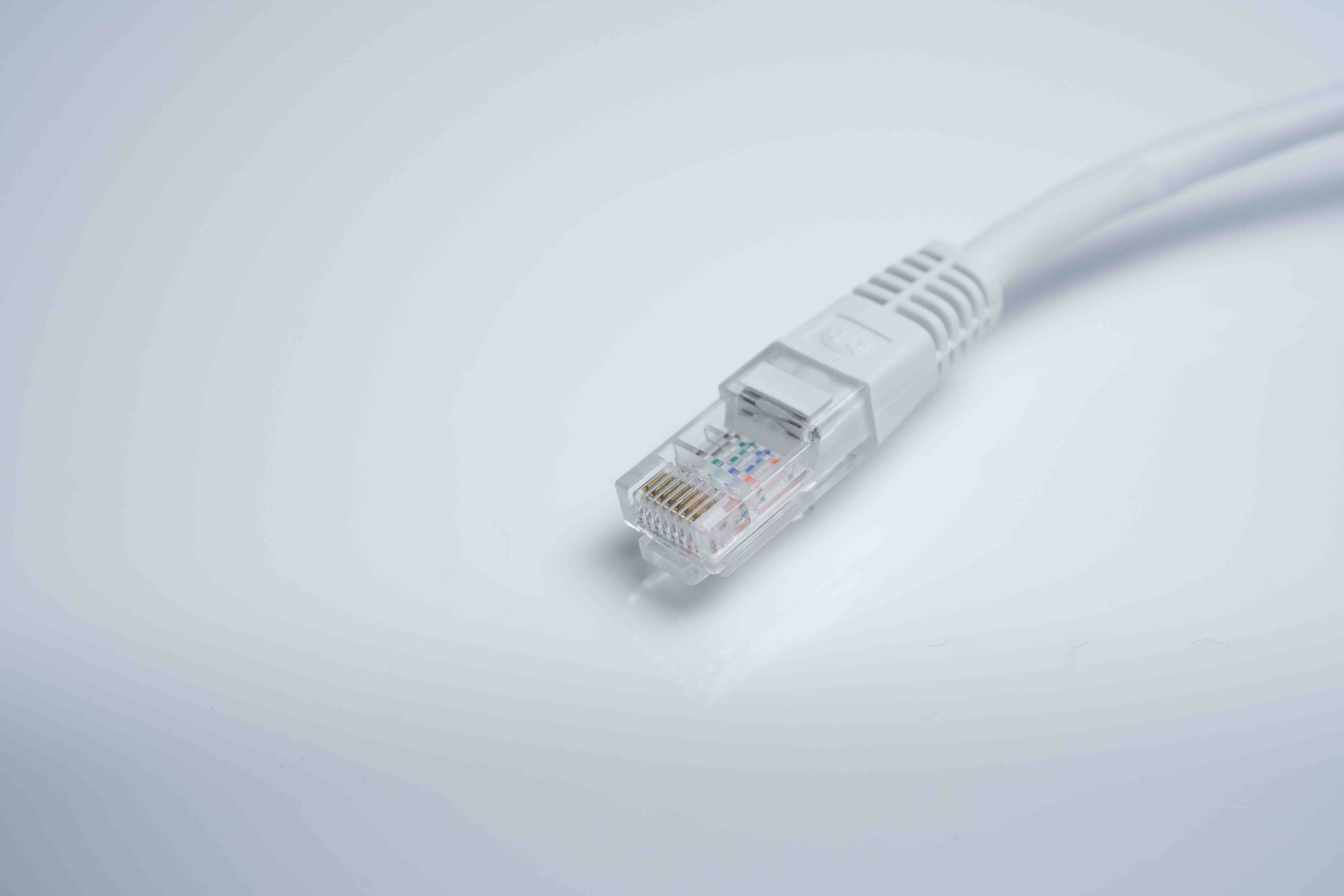
What Is Cat5e Ethernet Cable and Why Does It Still Matter?
If you have ever set up a home network, upgraded an office infrastructure, or just tried to get a more reliable internet connection than Wi-Fi offers, you have probably come across the term Cat5e. It is one of the most widely used twisted pair Ethernet cable standards in the world, and despite newer categories like Cat6 and Cat6A getting a lot of attention, Cat5e remains an incredibly practical and cost-effective choice for a huge range of everyday networking applications. So what exactly is it, how does it work, and when does it make sense to use it? Let's break it all down.
The Basics: What Cat5e Actually Is
Cat5e stands for Category 5 enhanced. It is an improvement over the original Cat5 cable specification, introduced to reduce crosstalk, which is signal interference between the wire pairs inside the cable. The "enhanced" part matters quite a bit here. Cat5e cables are manufactured to tighter specifications, meaning the pairs are twisted more precisely and the insulation is held to a stricter standard. The result is a cable that supports data transfer speeds up to 1 Gbps at frequencies up to 100 MHz, over a maximum distance of 328 feet, or 100 meters. That performance profile covers the needs of most home users, small businesses, and even many enterprise environments without breaking the budget.
How Cat5e Cable Works: The Technical Side Made Simple
Inside a Cat5e cable, you will find four pairs of twisted copper wires, eight conductors in total. Each pair is twisted at a slightly different rate, and that twisting is what helps cancel out electromagnetic interference and crosstalk. When data travels through one wire in a pair, it generates a small magnetic field. The twist means the adjacent wire picks up an equal and opposite signal, and those signals cancel each other out. It is a straightforward principle, but it is genuinely effective at maintaining signal integrity across longer distances. Cat5e cables can be either unshielded twisted pair, known as UTP, or shielded twisted pair, known as STP or FTP, with the shielded variants offering extra protection in environments with heavy electrical interference.
Key Advantages of Using Cat5e Ethernet Cable
There are real, practical reasons Cat5e has stayed relevant for decades. It is not just nostalgia or legacy inertia. Here is what makes it a strong choice in the right context:
- Cost efficiency -- Cat5e is significantly more affordable than Cat6 or Cat6A, both in the cable itself and the associated hardware like patch panels and jacks.
- Gigabit speed support -- At up to 1 Gbps, Cat5e handles standard home and office networking, streaming, video calls, and file transfers without issue.
- Proven reliability -- The standard has been around long enough to be thoroughly tested and refined across countless real-world deployments.
- Broad compatibility -- Cat5e works with virtually all modern Ethernet equipment, from routers and switches to IP cameras and VoIP phones.
- Easier to work with -- The cable is thinner and more flexible than Cat6 or Cat6A, which can make running it through walls, conduits, and tight spaces much less frustrating.
Common Drawbacks You Should Know About
Cat5e is not the right answer for every situation. There are limitations worth understanding before committing to a large installation. The 1 Gbps speed ceiling, while sufficient for most current applications, does not leave much headroom for future growth if your bandwidth demands are likely to scale significantly. If you are planning an infrastructure that needs to support 10 Gbps speeds down the line, Cat6 or Cat6A would be the smarter long-term investment. Cat5e also has a shorter maximum segment length for 10 Gbps applications specifically, only about 45 meters compared to Cat6's 55 meters. Additionally, in environments with heavy industrial interference or dense radio frequency noise, an unshielded Cat5e cable may struggle to maintain clean signal quality, and a shielded variant or a higher category cable may be warranted.
Cat5e vs. Cat6: How Do They Actually Compare?
This is probably the most common question people have when shopping for Ethernet cable, and it is a fair one. Cat6 supports up to 10 Gbps at distances up to 55 meters and operates at frequencies up to 250 MHz, which gives it noticeably better performance headroom. Cat6 cables also typically include a spline or separator between the wire pairs to further reduce crosstalk. So yes, Cat6 is technically superior. But for a home network, a small office setup, or any environment where speeds top out at 1 Gbps at the router level anyway, you are not going to notice a real-world difference. Cat5e gives you everything you need at a lower price point, and that math makes sense for a lot of buyers.
Where Cat5e Cable Is Commonly Used
The applications for Cat5e are genuinely broad. It is the kind of cable that shows up everywhere once you start looking:
- Home networking -- connecting routers, switches, smart TVs, gaming consoles, and desktop computers to a wired network.
- Small to medium business networks -- structured cabling for office environments where gigabit speeds are the standard requirement.
- IP surveillance systems -- running power and data to PoE-enabled security cameras throughout a building.
- VoIP telephone systems -- delivering clear, low-latency voice communication over a network.
- Hospitality and education -- hotels, schools, and libraries with high-density wired network needs often rely on Cat5e for its cost-to-performance ratio.
How to Choose the Right Cat5e Cable for Your Setup
Not all Cat5e cable is the same, and the differences matter depending on your specific use case. First, consider whether you need solid or stranded conductor wire. Solid Cat5e is designed for permanent installations inside walls and ceilings, as it handles longer runs and punches down more cleanly into keystone jacks and patch panels. Stranded Cat5e is more flexible and durable under repeated bending, making it the right choice for patch cables that get moved and plugged in frequently. You will also want to consider whether your environment calls for shielded or unshielded cable. For most indoor installations away from heavy electrical equipment, unshielded UTP is perfectly adequate. If you are running cable near fluorescent lighting, motors, or in industrial settings, opt for shielded variants. Finally, look at the jacket rating. CMP plenum-rated cable is required for air handling spaces, while CMR riser-rated cable is used for vertical runs between floors, and CM or PVC is standard for general indoor use.
Installation Tips for Getting the Most Out of Cat5e
Even a quality cable can underperform if it is installed carelessly. Keep your runs under 100 meters to maintain rated performance. Avoid sharp bends, as they can damage the internal wire pairs and degrade signal quality over time. Do not staple through the cable or cinch cable ties too tightly. Use proper keystone jacks, patch panels, and connectors that are rated for Cat5e, and be consistent with your wiring standard, either T568A or T568B, across an entire installation. Testing your runs with a basic cable tester after installation can save you hours of troubleshooting later. These are small habits, but they add up to a network that simply works.
Why Monoprice Is the Smart Choice for Cat5e Ethernet Cable
When you are speccing out a wiring project, whether it is a single room or a full building, the cable brand matters more than people often realize. Quality control, conductor purity, jacket consistency, and accurate labeling are all things that separate a reliable cable from a frustrating one. Monoprice has built a well-earned reputation for delivering networking infrastructure that performs to spec at pricing that makes large-scale projects genuinely viable. From solid-conductor bulk runs to pre-made patch cables, the product lineup is thorough, well-tested, and backed by a brand that has been serving both consumers and B2B buyers for years. If you are ready to build or upgrade your wired network with cable you can actually trust, explore the full range of Cat5e Ethernet cables and networking solutions from Monoprice and find the right fit for your infrastructure without overspending to get there.
Frequently Asked Questions About Cat5e Ethernet Cable
What is the maximum speed supported by Cat5e cable?
Cat5e cable supports data transfer speeds up to 1 Gbps, or 1000 Mbps, at frequencies up to 100 MHz. This makes it fully capable of handling standard gigabit networking for home and business use.
What is the maximum length for a Cat5e cable run?
The maximum recommended length for a single Cat5e cable segment is 100 meters, or approximately 328 feet. Beyond that distance, signal degradation can affect network reliability and performance.
Is Cat5e good enough for gaming?
Yes, Cat5e is more than sufficient for online gaming. It supports gigabit speeds and provides the low-latency, stable connection that gaming benefits from compared to Wi-Fi.
What is the difference between Cat5 and Cat5e?
Cat5e is an enhanced version of Cat5 with tighter manufacturing tolerances that significantly reduce crosstalk between wire pairs. Cat5e supports up to 1 Gbps, while original Cat5 was rated for only 100 Mbps under most practical conditions.
Can Cat5e support Power over Ethernet?
Yes, Cat5e cable supports standard PoE and PoE+ applications, making it compatible with powered devices such as IP cameras, wireless access points, and VoIP phones.
Should I use shielded or unshielded Cat5e?
Unshielded Cat5e is suitable for most standard indoor installations. Shielded Cat5e is recommended in environments with significant electromagnetic interference, such as near industrial equipment, fluorescent lighting, or dense electrical infrastructure.
What is the difference between solid and stranded Cat5e cable?
Solid Cat5e uses a single copper conductor per wire and is designed for permanent in-wall or structured cabling installations. Stranded Cat5e uses multiple thin copper strands, offering greater flexibility for patch cables that are frequently connected and disconnected.
Is Cat5e still worth using, or should I upgrade to Cat6?
Cat5e remains a highly practical and cost-effective choice for networks that operate at gigabit speeds. If your infrastructure does not require 10 Gbps performance, Cat5e delivers reliable results at a lower cost per foot than Cat6 or Cat6A.
What cable jacket rating do I need for in-wall installation?
For general in-wall horizontal runs, CMR riser-rated cable is typically required. For installations in air handling plenums or raised ceiling spaces, CMP plenum-rated cable is required by most building codes to meet fire safety standards.
Can Cat5e and Cat6 be used on the same network?
Yes, Cat5e and Cat6 cables are backward compatible and can coexist on the same network. The overall performance of any mixed segment will be limited to the lower-rated cable standard in that specific run.


