Cat5e Cable: What It Is and Why It Still Matters
What Is Cat5e Cable and Why Does It Still Matter in Modern Networks?
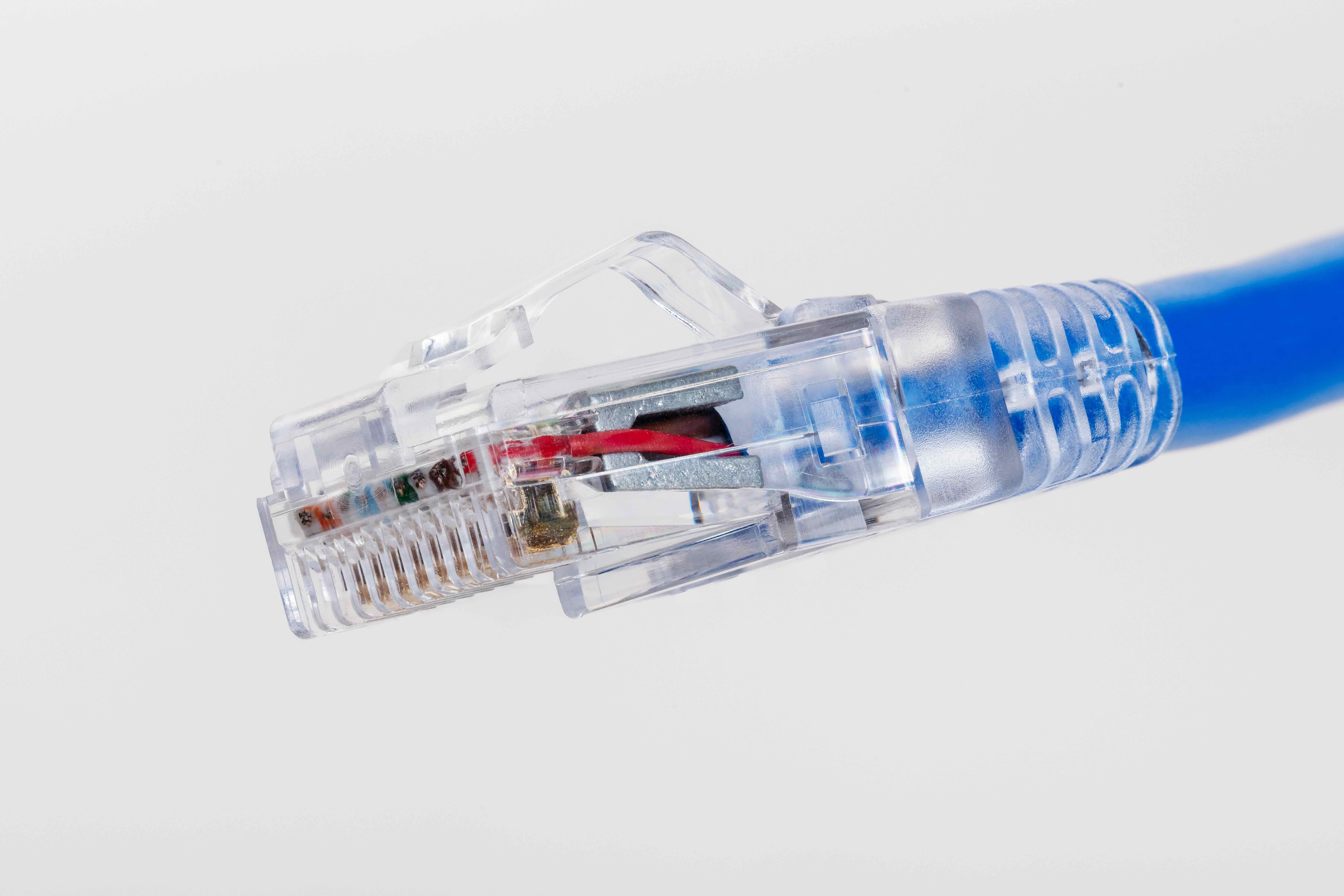
Cat5e -- which stands for Category 5 enhanced -- is a twisted pair copper Ethernet cable standard that has been a foundational element of structured network cabling for well over two decades. And honestly, it still gets more installs than people expect. It was introduced as an upgrade to the original Cat5 specification, offering improved performance that specifically addressed crosstalk and signal interference between adjacent wire pairs. The "enhanced" designation is not just marketing language -- it reflects measurable engineering improvements that made this cable category a genuinely capable solution for residential, commercial, and light enterprise environments. Understanding what Cat5e is, how it performs, and where it fits in today's networking landscape helps you make smarter decisions about infrastructure -- whether you are wiring a single room or an entire building.
How Cat5e Cable Works: The Technical Basics Made Simple
Cat5e uses four twisted pairs of copper conductors inside a single jacket. The twisting is the key part -- each pair is twisted at a different rate, and that controlled variation is what reduces electromagnetic interference between the pairs themselves, a problem technically called alien crosstalk. Signals travel through the cable using a method called differential signaling, where data is transmitted simultaneously over both wires in a pair. The receiver then compares the two signals to filter out noise and extract clean data. Cat5e supports frequencies up to 100 MHz, which is what enables it to carry Gigabit Ethernet (1000BASE-T) over distances up to 100 meters, or about 328 feet, on a single run. That 100-meter limit is a hard ceiling imposed by signal attenuation -- the further the signal travels, the weaker it gets. Exceed that distance without a switch or repeater in between, and you will see dropped packets, degraded throughput, or no connection at all.
Cat5e vs. Cat6 and Cat6A: Knowing Where the Line Is
A lot of people get stuck on this comparison, and it is worth being direct about it. Cat6 improves on Cat5e by supporting 250 MHz bandwidth and offering better performance for 10 Gigabit Ethernet -- but only up to 55 meters on 10G applications, not the full 100 meters. Cat6A extends that to the full 100-meter run for 10G. For most home networks and small business environments running 1 Gbps connections, Cat5e performs comparably to Cat6 in real-world conditions. The difference matters more in data centers, high-density office deployments, or future-proofed installations where 10G speeds are on the roadmap. Cat5e is not obsolete -- it is simply a precise fit for specific use cases, and those use cases still represent a significant portion of network infrastructure being installed right now.
Key Advantages of Cat5e Cabling
There are several reasons Cat5e remains a dominant cable type in structured cabling installations. For environments where Gigabit Ethernet is the target performance tier and runs stay within 100 meters, it delivers everything needed at a cost that is genuinely difficult to argue against.
- Supports Gigabit Ethernet (1000 Mbps) over full 100-meter runs
- Widely compatible with standard RJ45 keystone jacks, patch panels, and connectors
- Lower cost per foot compared to Cat6 and Cat6A
- Easier to terminate and work with in the field due to a slimmer cable profile
- Backward compatible with older Cat5 equipment and infrastructure
- Available in shielded (STP) and unshielded (UTP) variants to suit different environments
- Suitable for PoE (Power over Ethernet) applications including IP cameras and VoIP phones
These advantages are not trivial. When you are running dozens or hundreds of cable drops across a building, cost per foot adds up fast. Choosing Cat5e where Cat6A is not needed is not cutting corners -- it is smart specification work.
Common Drawbacks and Limitations to Know Before You Buy
Every cable category has a ceiling, and Cat5e is no exception. The most significant limitation is its inability to reliably support 10 Gigabit Ethernet over full-length runs. In environments where network speeds are expected to scale beyond 1 Gbps in the near term, installing Cat5e now means a potential recabling project later. That said, recabling is a normal part of network lifecycle planning and not necessarily a reason to avoid Cat5e in lower-demand installations. Another consideration is that Cat5e offers less headroom than Cat6 when it comes to handling interference in electrically noisy environments -- industrial floors, spaces with heavy machinery, or anywhere near fluorescent lighting and large power conduits. In those scenarios, shielded Cat5e or an upgrade to Cat6 is the more defensible choice. Patch panel density can also be a consideration, since thinner cables are easier to manage but do not inherently improve the cable's electrical performance.
Where Cat5e Is the Right Choice: Real-World Use Cases
Cat5e fits cleanly into a wide range of environments. It is the rational choice in scenarios where the network infrastructure is supporting 1 Gbps switching, PoE devices, IP cameras, wireless access points, and standard office workstations. Residential installations, small office and home office setups, hospitality environments, education campuses running 1G networks, and light commercial builds are all practical applications. If you are deploying IP surveillance systems, Cat5e handles PoE with no issues -- as long as you are factoring in total power load per run and staying within the 100-meter limit. VoIP deployments are another strong fit. The bandwidth requirements for voice over IP are minimal compared to what Cat5e can deliver, making it an efficient and cost-effective choice for phone system infrastructure.
Solid or Stranded: Which Cat5e Cable Should You Use?
This comes up more than it should in purchasing conversations, so here is a clear breakdown. Solid Cat5e uses a single solid copper conductor per wire and is the correct choice for in-wall runs, horizontal cabling, and any permanent structured cabling installation. It transmits signal more efficiently over longer distances and is designed to be punched down to keystone jacks and patch panels. Stranded Cat5e uses multiple smaller copper strands twisted together per conductor, which makes the cable more flexible and durable under repeated bending. That makes it the right choice for patch cables -- the short jumper cables connecting your wall jack to a device, or patch panel to a switch. Using stranded cable for in-wall runs or solid cable as a patch cord are both technically workable but introduce performance compromises and durability issues over time. Match the cable type to the application, and you will save yourself headaches down the line.
Practical Tips for Installing Cat5e Correctly
Installation quality has a direct impact on performance, and this is where a lot of DIY and even some professional installs fall short. A few key practices make a significant difference in how well your Cat5e infrastructure actually performs once it is terminated and live.
- Keep untwisting at termination points to no more than half an inch -- excessive untwisting is a primary cause of crosstalk issues
- Do not bend cable beyond a bend radius of four times the cable diameter
- Avoid running Cat5e parallel to electrical wiring for extended distances -- cross at 90 degrees when paths must intersect
- Label both ends of every run before you pull -- you will thank yourself during testing
- Test every run with a cable certifier or at minimum a toner and continuity tester after installation
- Use the same wiring standard (T568A or T568B) consistently across the entire installation
These are not complicated steps. They just require discipline and attention during the pull and termination phases. Skipping any of them introduces variables that can degrade performance in ways that are genuinely difficult to troubleshoot after the fact.
Why Monoprice Is the Right Source for Your Cat5e Cabling Needs
When you are speccing out a structured cabling project -- whether it is a single-room home network or a multi-floor commercial deployment -- the quality and consistency of your cable matters as much as the design of the run itself. Monoprice has built a trusted reputation among IT professionals, AV integrators, and network installers for delivering high-performance cabling products at pricing that makes sense for both single-project buyers and volume procurement teams. The Cat5e cable lineup covers solid and stranded options, shielded and unshielded configurations, and bulk spool lengths that scale with your project size. If you are looking for reliable Cat5e Ethernet cable and professional-grade network infrastructure solutions, Monoprice offers the depth of product selection and the confidence of consistent quality without the inflated pricing that comes from traditional distribution channels. Every product is backed by Monoprice's commitment to value-driven performance -- meaning you are not paying for a brand name, you are paying for a cable that does exactly what the spec sheet says it will.
Frequently Asked Questions About Cat5e Cable
What is the maximum speed supported by Cat5e cable?
Cat5e cable supports Gigabit Ethernet speeds of up to 1000 Mbps (1 Gbps) over runs up to 100 meters. It does not reliably support 10 Gigabit Ethernet over full-length horizontal runs.
What is the maximum distance for a Cat5e cable run?
The standard maximum run length for Cat5e is 100 meters, or approximately 328 feet, for Gigabit Ethernet. Runs exceeding this distance require a network switch, repeater, or access point to maintain signal integrity.
Is Cat5e still worth installing in 2024 and beyond?
Yes, for environments running 1 Gbps networks, Cat5e remains a cost-effective and technically sound choice. If your infrastructure needs to support 10 Gbps in the near future, Cat6A is the more future-proof option.
What is the difference between Cat5 and Cat5e?
Cat5e is an enhanced version of Cat5 that includes stricter specifications for crosstalk, signal-to-noise ratio, and return loss. Cat5e supports Gigabit Ethernet; original Cat5 was rated only for Fast Ethernet at 100 Mbps.
Can Cat5e support Power over Ethernet (PoE)?
Yes. Cat5e is compatible with PoE standards including 802.3af and 802.3at, making it suitable for powering IP cameras, VoIP phones, and wireless access points. Higher-wattage PoE++ applications may benefit from Cat6 or higher to manage heat buildup in cable bundles.
What is the difference between shielded and unshielded Cat5e?
Unshielded (UTP) Cat5e is the standard choice for most commercial and residential installations. Shielded (STP or FTP) Cat5e adds a metallic foil or braid layer around the conductors to reduce electromagnetic interference, making it better suited for industrial or electrically noisy environments.
Do I need solid or stranded Cat5e cable?
Use solid Cat5e for permanent in-wall and horizontal cabling runs. Use stranded Cat5e for patch cables and device connections where the cable will be moved or flexed regularly. Mixing them is possible but not recommended for optimal performance and longevity.
Is Cat5e backward compatible with older network equipment?
Yes. Cat5e is fully backward compatible with Cat5 equipment and older network hardware. It will auto-negotiate to the highest supported speed between connected devices.
How do I know if my existing cable is Cat5 or Cat5e?
Check the printing on the cable jacket. Manufacturers are required to print the category designation along the length of the cable. Look for "CAT5E" or "Category 5e" printed on the outer sheath. If it reads only "CAT5," it is the older, lower-rated specification.
Can Cat5e be used for outdoor installations?
Standard Cat5e is not rated for outdoor use. For exterior runs, you need direct-burial or outdoor-rated Cat5e, which features a UV-resistant jacket and, in some cases, a water-blocking gel fill. Using indoor-rated cable outdoors will result in jacket degradation and eventual cable failure.