

Cat 6 Ethernet Cable: Speed, Performance, and Value
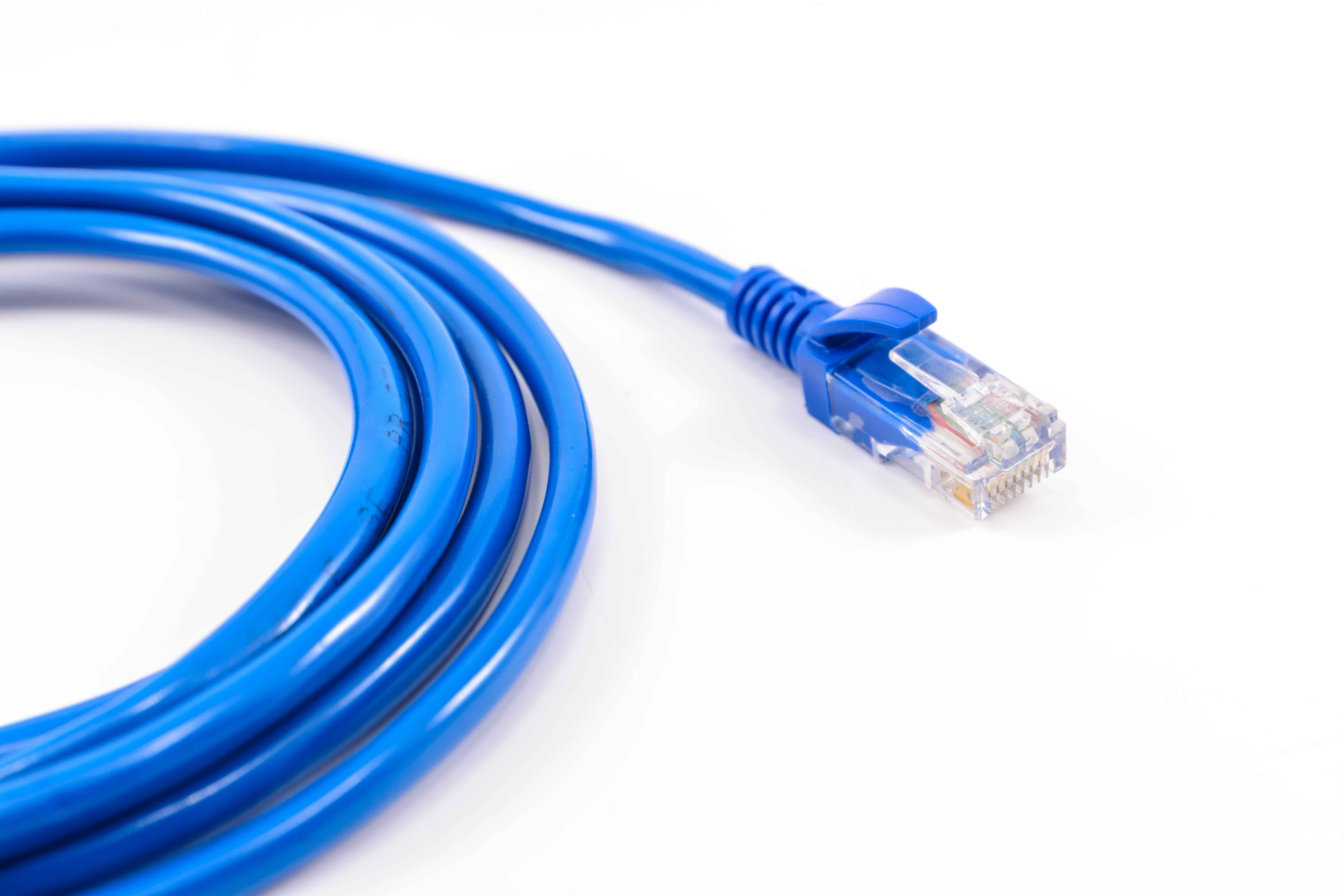
What Is Cat 6 Ethernet Cable and Why Does It Matter for Your Network?
If you have ever set up a home network, a small office, or even a larger commercial space, you have probably run into the term Cat 6 at some point. Cat 6 stands for Category 6, and it is one of the most widely used Ethernet cable standards available today. It was designed to handle faster data transfer speeds and reduce the kind of signal interference that tends to slow networks down or cause dropped connections. The thing is, not everyone knows exactly what makes Cat 6 different from other cable types, or when it actually makes sense to use it over something older like Cat 5e or something newer like Cat 6A. This article is going to break all of that down in practical terms, because the right cabling decision really does affect how well your network performs over time.
How Cat 6 Ethernet Cable Actually Works
Cat 6 cable contains four twisted pairs of copper wire, just like its predecessors, but the key differences are in the tighter twists and the internal separator -- often called a spline -- that runs lengthwise through the cable. That spline keeps the pairs physically separated from one another, which significantly cuts down on crosstalk. Crosstalk is essentially electrical interference that bleeds between wire pairs and degrades signal quality. Cat 6 is rated to support speeds up to 1 Gbps at distances up to 100 meters, and up to 10 Gbps at shorter distances, generally under 55 meters. It operates at 250 MHz of bandwidth, which is double what Cat 5e offers. That extra headroom is what makes Cat 6 feel noticeably more capable in environments with heavy network traffic or multiple connected devices running simultaneously.
Cat 6 vs Cat 5e vs Cat 6A: Understanding the Differences
Choosing between cable categories is one of those decisions that trips people up more than it should. Here is a quick breakdown to make it easier to compare the three most common options you will encounter:
- Cat 5e supports speeds up to 1 Gbps at 100 meters with 100 MHz bandwidth, making it acceptable for basic home use but limited for growing demands
- Cat 6 supports up to 10 Gbps at 55 meters and up to 1 Gbps at 100 meters, with 250 MHz bandwidth and better crosstalk reduction
- Cat 6A supports up to 10 Gbps at the full 100 meters with 500 MHz bandwidth, making it the preferred choice for demanding enterprise and data center installations
Cat 6 sits right in the middle, and honestly, it hits a sweet spot for most users. It outperforms Cat 5e in almost every relevant metric, and it costs considerably less than Cat 6A while still delivering solid 10G performance for shorter runs. For home networks, small to mid-size offices, and light commercial deployments, Cat 6 covers the bases without over-engineering the solution.
Key Advantages of Using Cat 6 Ethernet Cable
There are several concrete reasons why Cat 6 has become the go-to standard for network installations across a wide range of environments. It is not just marketing language -- the performance improvements are real and measurable. A few things worth calling out specifically:
- Higher bandwidth capacity means the cable can handle more simultaneous data streams without signal degradation
- Reduced crosstalk and noise interference from the internal spline design leads to more reliable connections
- Backward compatibility allows Cat 6 to work with Cat 5e and Cat 5 equipment, which matters when upgrading incrementally
- Widely available in shielded and unshielded versions, giving installers flexibility depending on the environment
The backward compatibility point is probably underrated. If you are upgrading a space that already has Cat 5e infrastructure, you can mix Cat 6 patch cables into the existing setup without needing to replace everything at once. That kind of flexibility keeps upgrade costs manageable, which is always a practical consideration.
Common Drawbacks and Limitations to Know
Cat 6 is not perfect for every scenario, and it is worth being upfront about that. The cable is slightly thicker and stiffer than Cat 5e, which can make routing it through tight conduit runs or around corners a bit more labor-intensive. Because of the internal spline and tighter construction, terminating Cat 6 connectors also requires a bit more care to maintain the pairs correctly up to the termination point. At distances beyond 55 meters, you lose the 10 Gbps capability and drop back to 1 Gbps, so for longer runs in larger buildings, Cat 6A or fiber might be the smarter call. Additionally, shielded Cat 6 cables, while excellent in environments with high electromagnetic interference, require proper grounding to actually function as intended -- installing shielded cable without grounding the shield correctly does not help and can sometimes make things worse.
Where Cat 6 Ethernet Cable Is Best Used
Cat 6 is a strong fit across a wide range of use cases. Home networks with multiple devices -- smart TVs, gaming consoles, streaming devices, desktop computers -- benefit from the extra bandwidth headroom, especially as connected device counts keep climbing. Small to mid-size offices where employees rely on stable, high-speed wired connections for VoIP, video conferencing, and file transfers will find Cat 6 more than capable. It also works well in structured cabling projects for light commercial builds, hospitality environments, and education facilities. Anywhere that 1 Gbps reliability is required consistently, and where future-proofing for short-range 10G is a consideration without jumping to the higher cost of Cat 6A, Cat 6 is the rational, well-supported choice.
Shielded vs Unshielded Cat 6: Which One Do You Need?
This comes up a lot, and the answer depends almost entirely on the installation environment. Unshielded twisted pair, or UTP, Cat 6 is the standard choice for most residential and light commercial settings. It is easier to work with, less expensive, and more than adequate in environments where electromagnetic interference from motors, fluorescent lighting, or industrial equipment is not a concern. Shielded twisted pair, or STP and F/UTP variants, wraps the cable pairs in a foil or braided shield that blocks external interference. This matters in manufacturing floors, server rooms near high-draw electrical equipment, or outdoor-adjacent runs where interference sources are more prominent. Again, for shielded cable to work properly, the shield must be grounded at both ends -- an incomplete ground can actually create a ground loop that introduces more noise than it removes.
Practical Installation Tips for Cat 6 Ethernet Cable
Getting Cat 6 installed correctly is as important as choosing the right cable in the first place. A few practical points that make a real difference in performance and longevity: keep bend radius in mind, since Cat 6 should not be bent at sharp angles because doing so can damage the internal pairs and degrade performance. Avoid running cables parallel to electrical lines for long distances; if crossings are unavoidable, cross at 90-degree angles to minimize interference. Maintain the pair twists as close to the termination point as possible -- untwisting more than half an inch before terminating is a common mistake that hurts performance. Use quality RJ45 keystone jacks and patch panels rated for Cat 6, since the cable itself is only as good as the components it terminates into. And always test completed runs with a cable tester to confirm wire mapping, continuity, and performance before closing up walls or finalizing an installation.
Why Monoprice Is a Smart Choice for Cat 6 Ethernet Cable and Networking Supplies
When it comes to sourcing reliable Cat 6 Ethernet cable and the full range of networking accessories needed for a clean, high-performance installation, product quality and fair pricing are not things you should have to choose between. Monoprice has built a well-earned reputation for delivering exactly that -- performance-grade networking products at prices that make sense for both individual buyers and professional integrators working within tight project budgets. Whether you need bulk Cat 6 cable in various jacket types and colors, pre-made patch cables in precise lengths, keystone jacks, patch panels, cable management solutions, or network switches to support the whole build, it is all available in one place. For anyone looking for high-performance Cat 6 Ethernet cables and professional-grade networking infrastructure, Monoprice offers a product catalog that is both deep and dependable. The consistency in build quality, combined with the value positioning, makes Monoprice a practical default for IT professionals, AV integrators, and home network builders alike -- the kind of supplier you rely on because the products simply work.
Frequently Asked Questions About Cat 6 Ethernet Cable
What is the maximum speed of Cat 6 Ethernet cable?
Cat 6 supports up to 10 Gbps at distances up to 55 meters, and up to 1 Gbps at the standard maximum run length of 100 meters.
Is Cat 6 backward compatible with Cat 5e equipment?
Yes. Cat 6 cables are fully backward compatible with Cat 5e and Cat 5 networking equipment, including switches, routers, and patch panels.
What is the difference between Cat 6 and Cat 6A?
Cat 6A extends the 10 Gbps capability to the full 100-meter distance and operates at 500 MHz bandwidth, compared to Cat 6's 250 MHz. Cat 6A is thicker, heavier, and more expensive, making it better suited for enterprise environments.
Do I need shielded Cat 6 cable for my home network?
In most residential settings, unshielded Cat 6 UTP cable is sufficient. Shielded cable is recommended in environments with significant electromagnetic interference, such as industrial spaces or areas near heavy electrical equipment.
How far can Cat 6 cable run without a signal repeater?
Cat 6 supports a maximum cable run of 100 meters before signal degradation becomes a concern. Beyond that distance, a switch, repeater, or fiber solution should be used.
Can Cat 6 cable support Power over Ethernet (PoE)?
Yes. Cat 6 is fully compatible with PoE and PoE+ standards, making it suitable for powering IP cameras, VoIP phones, wireless access points, and other PoE-enabled devices.
What does the spline inside Cat 6 cable do?
The internal spline is a plastic cross-shaped separator that physically isolates the four twisted wire pairs from each other, reducing crosstalk and improving signal integrity.
Is Cat 6 cable good for gaming?
Yes. Cat 6 provides more than enough bandwidth and low latency for online gaming. A wired Cat 6 connection is significantly more stable and consistent compared to Wi-Fi for gaming applications.
What tools do I need to terminate Cat 6 cable?
You will need a cable stripper, a punchdown tool for keystone jacks, an RJ45 crimping tool for plug terminations, and a cable tester to verify your work after installation.
Is Cat 6 cable worth it over Cat 5e for a new installation?
Yes. For any new installation, Cat 6 is the recommended baseline. The performance gains over Cat 5e are meaningful, the price difference is minimal, and it provides better headroom for future network demands.


