

Cat 2 Cable: What It Is and Why It Matters Today
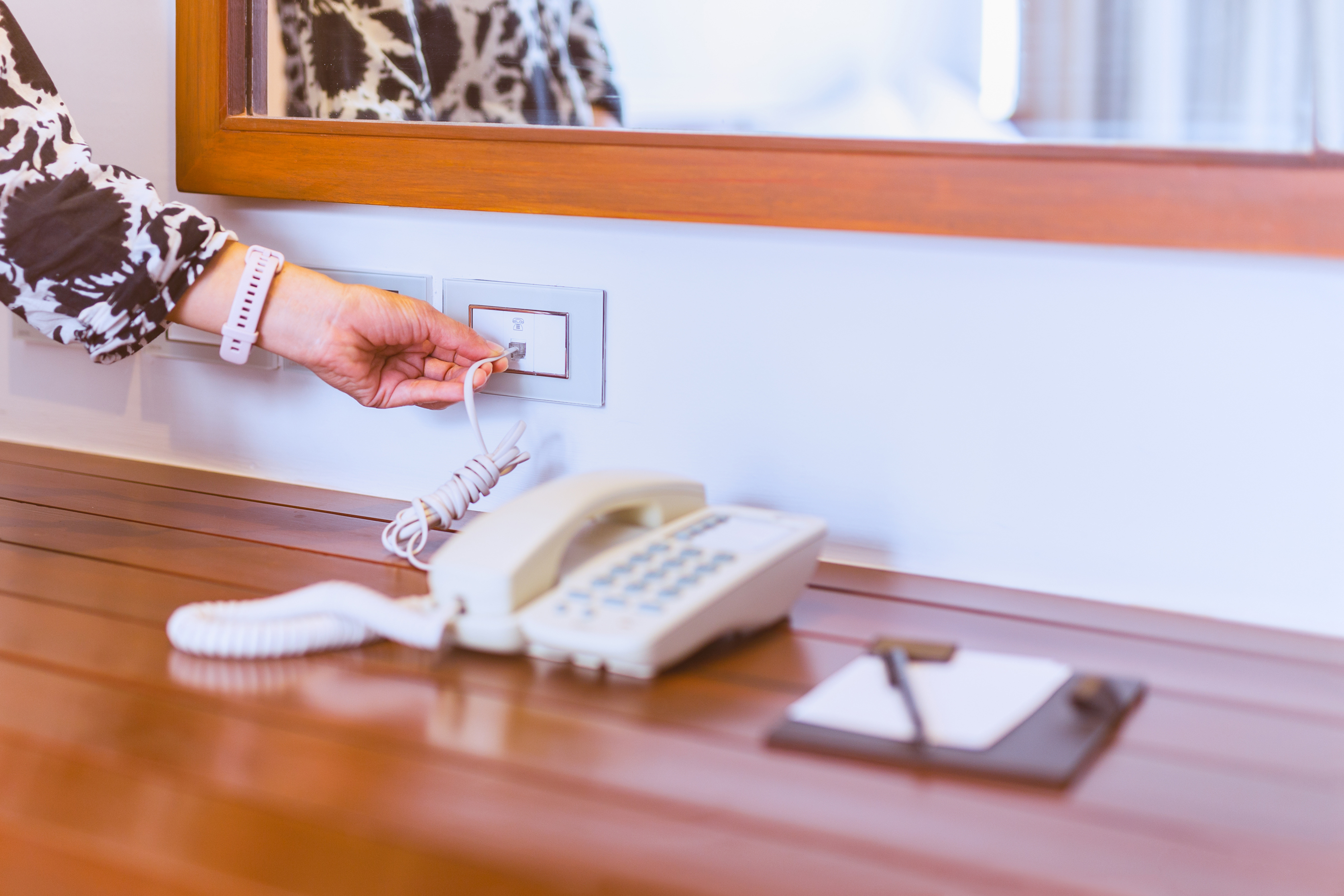
What Is Cat 2 Cable and Where Does It Still Fit In?
So, Cat 2 cable. It is one of those topics that does not come up often in modern networking conversations, but it is worth understanding -- especially if you are working in older buildings, maintaining legacy systems, or just trying to make sense of how Ethernet cabling actually evolved. Cat 2, short for Category 2, is an older specification of twisted pair cable that was once commonly used for voice and low-speed data transmission. It operates at frequencies up to 1 MHz and supports data rates of around 4 Mbps, which by today's standards is basically a rounding error. But that does not mean it is irrelevant to understand. Knowing where Cat 2 sits in the broader cabling hierarchy helps you appreciate why infrastructure decisions matter so much -- and how far the industry has come.
A Quick History of Ethernet Cable Categories
To understand Cat 2, you really do have to zoom out a little. The TIA/EIA-568 standard created a tiered category system for structured cabling, and Cat 2 was an early entrant in that hierarchy. It predates the wide adoption of 10BASE-T Ethernet and was primarily deployed in the late 1980s and into the early 1990s. Cat 2 was used predominantly in IBM Token Ring networks, which were a major networking technology before Ethernet took over. These cables were not designed with high-frequency performance in mind -- they were telephone-grade infrastructure adapted for early data needs. Once Fast Ethernet started becoming the baseline expectation and Cat 5 entered the picture, Cat 2 found itself phased out of any serious networking role. It is not recognized in modern TIA-568 specifications at all.
How Cat 2 Cable Actually Works
Cat 2 cable uses the same fundamental construction approach as other twisted pair cables -- it consists of copper conductors arranged in pairs that are twisted together. The twisting helps reduce electromagnetic interference and crosstalk between adjacent pairs. Cat 2 cables typically contain four pairs of 22 or 24 AWG copper conductors. The twist rates are lower and less precise than what you find in Cat 5e, Cat 6, or Cat 6A, which is part of why the performance ceiling is so limited. At 1 MHz bandwidth and 4 Mbps throughput, Cat 2 can handle basic analog voice signals and low-speed data just fine, but it falls apart quickly under modern networking demands. Think of it less like a highway and more like a narrow two-lane road -- functional for light traffic but completely inadequate for anything resembling today's bandwidth requirements.
Key Differences Between Cat 2 and Modern Cable Categories
The gap between Cat 2 and current cabling standards is significant. Here is a straightforward breakdown to put it in perspective:
- Cat 2: Up to 1 MHz frequency, 4 Mbps data rate, used for voice and Token Ring networks
- Cat 5e: Up to 100 MHz frequency, 1 Gbps data rate, supports Gigabit Ethernet
- Cat 6: Up to 250 MHz frequency, 1 Gbps (up to 10 Gbps over short distances), reduced crosstalk
- Cat 6A: Up to 500 MHz frequency, 10 Gbps data rate, full 100-meter channel support
- Cat 8: Up to 2000 MHz frequency, 25 or 40 Gbps data rate, data center grade performance
When you look at that list, it becomes immediately clear why Cat 2 is no longer specified in new installations. Modern networks -- even basic home setups -- require far more than 4 Mbps to function effectively. Streaming a single 4K video would saturate a Cat 2 connection entirely. That said, understanding these differences is useful context for anyone evaluating infrastructure upgrades or assessing what cabling is already in place in a facility.
Where Cat 2 Cable Might Still Exist Today
If you are working in facilities that were built or last wired in the late 1980s or early 1990s, there is a real possibility you could encounter Cat 2 cable still in the walls. Older office buildings, schools, and even some industrial facilities sometimes have structured cabling that was never fully updated. In these environments, Cat 2 might still be routing analog phone lines or intercom systems -- applications where its bandwidth limitations do not matter because voice traffic is low-demand. It is also occasionally found supporting older alarm systems, basic access control wiring, or even HVAC control panels that rely on low-voltage communication signals. For those specific, limited use cases, it is technically still doing a job. The moment you need that infrastructure to carry data, though, the conversation changes entirely.
Advantages of Cat 2 Cable -- Yes, There Were Some
It would be easy to dismiss Cat 2 entirely, but that would be missing some legitimate context. When it was introduced, Cat 2 offered real advantages over the untwisted telephone wiring it replaced. The basic twist structure reduced line noise compared to flat, unshielded single-pair telephone wire. It was also cost-effective to manufacture and relatively easy to terminate. For the applications it was designed to support -- voice telephony and 4 Mbps Token Ring networks -- Cat 2 was sufficient and practical. It helped establish the conceptual foundation that would later lead to more advanced structured cabling systems. In that sense, its historical value is real, even if its operational relevance today is minimal.
Common Drawbacks and Limitations of Cat 2
The limitations of Cat 2 are the reason it was replaced, and they are worth being clear about:
- Extremely low bandwidth ceiling of 1 MHz makes it incompatible with any modern Ethernet standard
- Maximum data rate of 4 Mbps cannot support even standard definition streaming without buffering issues
- Not recognized in current TIA-568 or ISO/IEC 11801 cabling standards
- No support for Power over Ethernet (PoE), which is now essential for IP cameras, VoIP phones, and wireless access points
- Higher susceptibility to interference and crosstalk due to lower precision twist rates compared to Cat 5e and above
- Limited cable lifespan in terms of infrastructure compatibility, meaning legacy Cat 2 runs are often a liability in modern environments
If you are assessing a building for a network upgrade and you discover Cat 2 in the walls, the practical recommendation from most experienced network integrators is straightforward: replace it. The cost of running new Cat 6 or Cat 6A infrastructure will almost always outweigh the cost of trying to work around the limitations of aging, out-of-spec cabling.
When to Upgrade from Cat 2 and What to Replace It With
If your facility is still running Cat 2 for data or voice infrastructure, an upgrade is not just recommended -- it is overdue. For most small and medium business environments today, Cat 6 is a solid baseline. It supports Gigabit Ethernet across full 100-meter channels and provides a meaningful performance buffer for future demands. Cat 6A is the better long-term investment for environments where 10 Gigabit Ethernet is on the roadmap or where PoE++ devices will be deployed. For enterprise data centers and high-density environments, Cat 8 is entering more mainstream deployment. The point is, you have real options -- and every one of them is a dramatic improvement over Cat 2. Planning a cabling upgrade also means thinking about patch panels, keystone jacks, cable management, and proper termination -- all of which should align with the category standard you choose.
Why Monoprice Is the Right Partner for Your Cabling Infrastructure Needs
Whether you are replacing aging Cat 2 runs or building out a brand-new structured cabling system, the quality and consistency of your cable infrastructure matters more than most people realize. That is exactly where Monoprice delivers real value. Monoprice has built a trusted reputation among IT professionals, AV integrators, and facilities managers for offering high-performance networking cables, patch panels, keystone jacks, and cabling accessories at pricing that makes serious infrastructure upgrades actually achievable. If you are sourcing Cat 6, Cat 6A, or Cat 8 cable for a large-scale deployment, the cost savings compared to traditional distributors add up fast -- without compromising on build quality or specification compliance. Monoprice also makes it straightforward to find everything you need in one place, from bulk cable spools to pre-terminated patch cables and cable management solutions. For anyone who is done working around outdated infrastructure and ready to build something that will perform reliably for years, exploring professional-grade Ethernet cables and networking infrastructure from Monoprice is a smart and practical next step that makes both technical and financial sense.
Frequently Asked Questions About Cat 2 Cable
What is Cat 2 cable used for?
Cat 2 cable was primarily used for voice telephone wiring and IBM Token Ring networks operating at 4 Mbps. Today it may still exist in older facilities supporting analog phone lines, basic intercom systems, or low-voltage control wiring, but it is not suitable for any modern data networking application.
Is Cat 2 cable still manufactured or sold?
Cat 2 cable is not manufactured for new installations and is not stocked by reputable cabling suppliers for data use. You may encounter it in legacy environments, but it is not a product category that is actively produced for modern structured cabling projects.
What is the maximum speed of Cat 2 cable?
Cat 2 cable supports a maximum data rate of approximately 4 Mbps and operates at frequencies up to 1 MHz. This is far below the performance of any current Ethernet standard, including 10BASE-T, which requires Cat 3 at minimum.
Can Cat 2 cable support Ethernet?
No. Cat 2 cable cannot reliably support standard Ethernet. Even 10BASE-T Ethernet, which is considered obsolete by modern standards, requires Cat 3 cabling as a minimum. Cat 2 does not meet the performance specifications needed for any version of Ethernet in practical use today.
How do I know if my building has Cat 2 cable installed?
The most reliable way to identify Cat 2 cable is to check the cable jacket printing, which typically includes the category designation. A certified cable tester can also measure performance characteristics that help identify the cable category. If your building was wired before 1995, there is a reasonable chance some runs may be Cat 2 or Cat 3.
Should I replace Cat 2 cable with Cat 6 or Cat 6A?
For most commercial and residential applications, Cat 6 is the minimum recommended replacement when upgrading from Cat 2. Cat 6A is the better choice if you anticipate 10 Gigabit Ethernet needs, PoE++ device support, or simply want more headroom for future infrastructure demands.
Does Cat 2 support Power over Ethernet?
No. Cat 2 cable does not support Power over Ethernet in any form. PoE requires higher-spec cabling with precise twist rates and conductor quality to safely carry both data and power. Cat 5e is the practical minimum for basic PoE, and Cat 6A is recommended for high-power PoE++ applications.
What replaced Cat 2 cable in the cabling standard hierarchy?
Cat 3 was the immediate successor to Cat 2 and offered improved performance for 10BASE-T Ethernet. Cat 5 and then Cat 5e replaced Cat 3 as the standard baseline, followed by Cat 6 and Cat 6A, which represent the current standard for commercial and enterprise structured cabling installations.
Is Cat 2 cable compatible with modern network switches and routers?
No. Modern network switches and routers are designed around Ethernet standards that require Cat 5e or higher cabling. Cat 2 cable would not be able to sustain a reliable or functional connection with current networking hardware.
How long does Cat 2 cable last physically in a building?
The physical copper and jacket of Cat 2 cable can remain intact for decades if undisturbed, but its functional usefulness for data or modern voice-over-IP systems is essentially zero. The cable itself may not be degraded, but the standard is obsolete and incompatible with current technology, making replacement the appropriate course of action regardless of physical condition.


