

Cat 2 Cable Explained: Legacy Tech That Still Matters Today
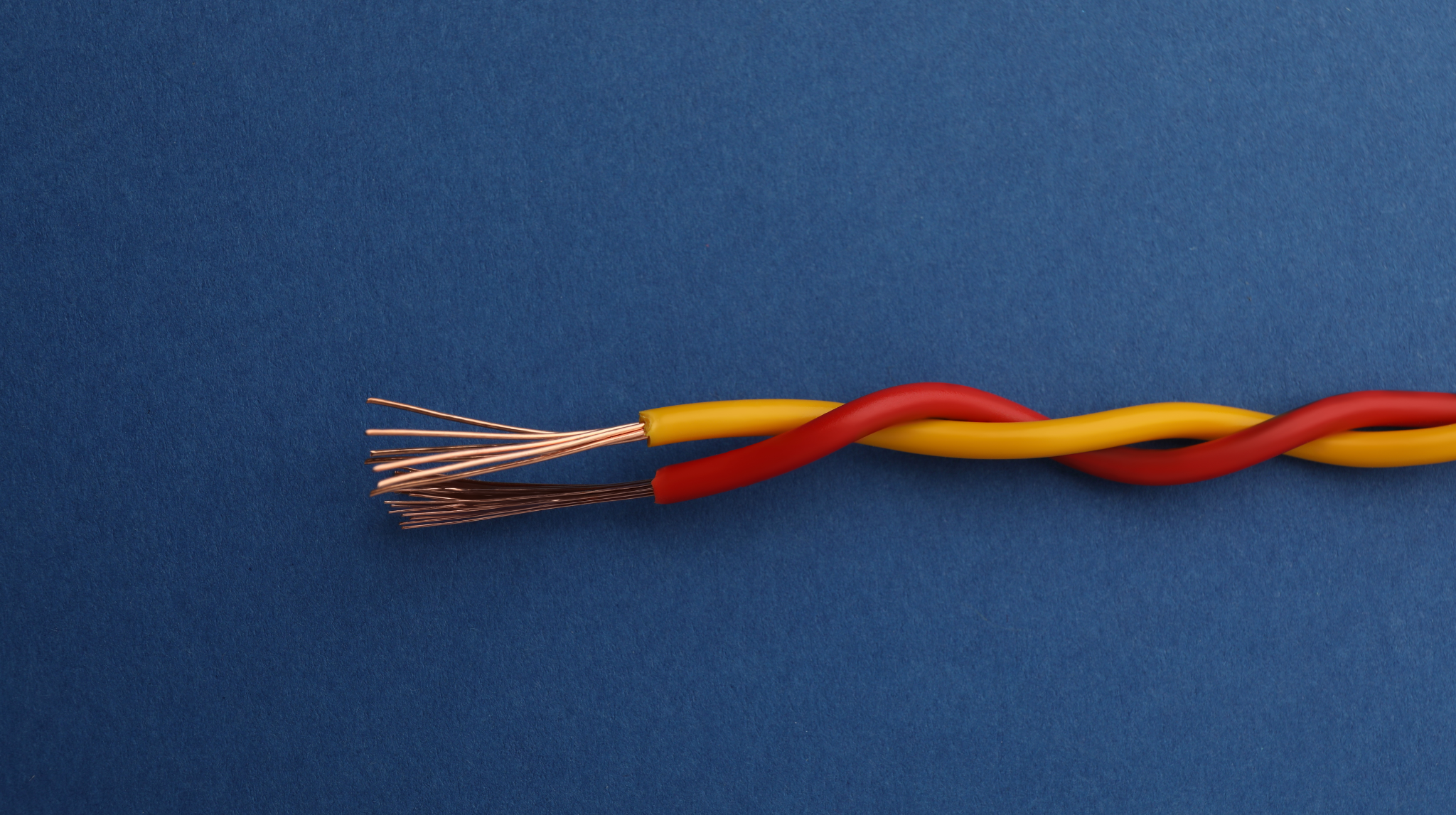
What Is Cat 2 Cable and Why Does It Still Come Up in 2024
So here is the thing about Cat 2 cable -- most people writing infrastructure specs today probably glance right past it, assume it is ancient history, and move on to Cat6 or Cat6A without a second thought. And honestly, that instinct is not wrong for most modern deployments. But there is a quieter reality happening in the field, in older commercial buildings, legacy telecom closets, and certain pro AV setups where Cat 2 cable keeps showing up. Understanding what it actually is, what it was built to do, and where it still fits matters -- especially if you are an integrator, facilities manager, or someone inheriting an existing installation that was not built yesterday. Cat 2 cable is one of those categories that deserves a real, grounded explanation rather than a quick dismissal. So let us get into it properly.
The Technical Specs Behind Cat 2 Cable
Category 2 cable is an unshielded twisted pair cable that was originally standardized under the EIA/TIA-568 specifications. It supports data transmission speeds of up to 4 Mbps and operates at frequencies up to 1 MHz. It consists of four twisted pairs of copper wire -- that is eight conductors total -- and was designed for low-bandwidth applications where modern throughput demands simply did not exist yet. The twisting of the wire pairs is looser compared to higher category cables, which is one reason it cannot handle the electromagnetic interference rejection or higher frequencies that Cat5e, Cat6, or Cat6A are engineered around. The wire gauge is typically 24 AWG, and impedance runs at 100 ohms, which is consistent across the twisted pair cable family. None of this is exotic. What makes it notable is specifically what it was optimized for -- and why that still has some relevance in select environments today.
Where Cat 2 Cable Originally Came From
Cat 2 cable emerged in the late 1980s and early 1990s as telephony infrastructure expanded inside commercial buildings. Its primary application was voice-grade telephony and Token Ring networks running at 4 Mbps -- a network topology that IBM championed heavily before Ethernet took over. PBX systems, intercom infrastructure, and analog telephone runs leaned on Cat 2 heavily during that era. It was not the cheapest or the most capable option available at the time, but it was dependable for what it needed to do, and it got installed in vast quantities across office buildings, hospitals, schools, and government facilities. Fast forward to now and a significant portion of those original installations are still physically in place. The cable did not disappear -- the world just moved around it.
Legacy Systems and Pro AV: Where Cat 2 Still Shows Up
This is the part that actually matters for anyone doing real-world work in 2024. Cat 2 cable is still encountered in several active use cases:
Existing PBX and analog telephone infrastructure in older commercial buildings Intercom systems and facility-wide paging setups that were never upgraded Background music and basic audio distribution in legacy installations Certain low-bandwidth building automation and access control systems Token Ring network remnants in niche industrial environmentsIn pro AV specifically, integrators working in retrofit scenarios or maintaining existing institutional systems will occasionally run into structured cabling that is entirely Cat 2. Replacing it is not always immediately feasible -- budget constraints, building access limitations, or operational continuity requirements mean that sometimes you work with what is there. Knowing how Cat 2 behaves, what it can and cannot carry, and how to terminate it correctly is a practical skill set that does not expire just because newer cable categories exist.
Key Advantages of Cat 2 Cable in the Right Context
Calling Cat 2 cable advantageous might feel like a stretch in 2024, but there are genuine reasons it still makes sense in certain contexts. First, for purely analog voice applications, it is more than sufficient. If you are maintaining a legacy telephone system that is not being replaced in the near term, Cat 2 does what is needed without overbuilding the infrastructure. Second, it is cost-effective when you already have it in the walls. Ripping out functional cable that serves its intended purpose is an expense that does not always generate ROI. Third, for building automation signals, intercom wiring, and similar low-demand data paths, Cat 2 continues to perform reliably when the installation is intact and connectors are properly terminated. The value is situational -- but it is real.
The Honest Drawbacks You Need to Understand
That said, Cat 2 cable has hard limitations that cannot be engineered around. The 4 Mbps ceiling is a firm wall -- this cable cannot be pushed to carry modern Ethernet, VoIP over data networks, PoE devices, or any kind of bandwidth-intensive signal. Its frequency ceiling of 1 MHz means crosstalk and signal degradation become problems quickly if you try to push it beyond its original design intent. Physical aging is also a legitimate concern. Cat 2 installations that date back to the 1980s or 1990s may have insulation degradation, loose terminations, or oxidized connectors that compromise performance even for their original use case. Running any kind of structured cabling audit on existing Cat 2 infrastructure before relying on it is a step that should not be skipped. And for any new installation, there is no practical argument for running Cat 2 over Cat5e at minimum -- the cost differential is negligible and the performance gap is enormous.
Cat 2 vs. Higher Category Cables: A Direct Comparison
Context helps here. Cat 2 caps at 4 Mbps over 1 MHz bandwidth. Cat 3 moves up to 10 Mbps over 16 MHz, which is already a significant jump. Cat 5e handles 1 Gbps over 100 MHz. Cat 6 reaches 10 Gbps over shorter distances at 250 MHz. Cat 6A extends that 10 Gbps performance reliably to 100 meters at 500 MHz. For any networking or data application in a modern environment, Cat 2 is simply not in the conversation. Where the comparison actually helps is in understanding why legacy systems built on Cat 2 feel sluggish or limited when modern expectations are applied to them -- the cable was never designed to carry what we now consider baseline network traffic. It was built for a different era of communication infrastructure, and it reflects that precisely.
Practical Tips for Working with Cat 2 Cable Today
If you are an integrator, facilities technician, or network administrator encountering Cat 2 in an existing installation, there are several things worth keeping in mind. Always test the cable before assuming it is functional -- a cable tester designed for twisted pair will confirm continuity and give you a baseline picture. Check termination points carefully since older punch-down blocks and RJ11 connections on Cat 2 runs degrade over time. If the application is strictly analog voice or a low-signal building system, the cable may continue to serve adequately. Document what you find thoroughly -- knowing which runs are Cat 2 versus Cat 3 or Cat 5 in a mixed environment prevents misassignment of workloads. And when it comes time to replace, plan for Cat 6A as the baseline for new runs, since future-proofing during infrastructure replacement is almost always worth the incremental investment.
Why Cat 2 Cable Knowledge Still Has Value in the Industry
There is a version of this conversation where someone dismisses Cat 2 as irrelevant and moves on. But that misses something important about how real-world infrastructure actually works. Millions of square feet of commercial and institutional building space in the United States still contains Cat 2 cabling. The people responsible for managing those environments -- whether that means maintaining existing systems, planning phased upgrades, or integrating new technology alongside legacy infrastructure -- benefit from knowing what Cat 2 is, how it behaves, and where its limits are. That practical knowledge separates technicians who can handle real-world conditions from those who only know ideal deployments. Legacy technology does not go away the moment something better gets released. It stays in the walls, in the patch panels, and in the service records until someone with the right knowledge and the right tools decides what to do with it next.
Why Monoprice Is the Right Partner for Your Cable Infrastructure Needs
Whether you are managing a legacy Cat 2 installation, planning a full structured cabling upgrade, or sourcing components for a complex pro AV setup, having a supplier you can trust to deliver quality products at fair prices makes every project run more smoothly. Monoprice has built a reputation as a reliable source for professional-grade networking and AV cabling solutions -- the kind of components that actually perform as specified, without inflated pricing that eats into project margins. From Cat 6A bulk cable to patch panels, cable testers, keystone jacks, and everything in between, Monoprice stocks what installers and integrators actually need for both legacy and modern deployments. If you are ready to upgrade your infrastructure or simply need reliable components that meet the demands of today's installations, explore the full range of professional-grade Cat 2 and structured cabling solutions at Monoprice and see what a value-driven approach to cable infrastructure actually looks like in practice.
Frequently Asked Questions About Cat 2 Cable
What is Cat 2 cable used for?
Cat 2 cable was primarily used for analog telephone systems, PBX infrastructure, Token Ring networks running at 4 Mbps, and basic intercom or paging systems in commercial buildings. It is not suitable for modern Ethernet or data networking applications.
What is the maximum speed of Cat 2 cable?
Cat 2 cable supports a maximum data transmission speed of 4 Mbps and operates at a maximum frequency of 1 MHz. This makes it suitable only for legacy voice and low-bandwidth signal applications.
Is Cat 2 cable still being installed in new construction?
No. Cat 2 cable is not recommended or used for new construction. Current minimum standards for structured cabling in commercial and residential environments call for Cat 5e at minimum, with Cat 6 or Cat 6A being the preferred choice for most installations today.
Can Cat 2 cable carry VoIP traffic?
Cat 2 cable cannot support VoIP over IP-based networks. VoIP requires an active Ethernet connection with bandwidth well beyond what Cat 2 can deliver. Legacy analog telephone service over existing Cat 2 runs is a different matter and can still function depending on the system in place.
How do I identify Cat 2 cable in an existing installation?
Cat 2 cable is typically marked on the jacket with its category designation. If markings are absent due to age, a cable certification tester can measure its frequency response and electrical characteristics to determine its category. Physical inspection of the twist rate and wire gauge can also provide clues.
What is the difference between Cat 2 and Cat 3 cable?
Cat 3 cable supports speeds up to 10 Mbps over a 16 MHz bandwidth, which is a significant step up from Cat 2's 4 Mbps at 1 MHz. Cat 3 was commonly used for 10BASE-T Ethernet and is also largely considered legacy technology today, though it remains in wider use than Cat 2.
Should I replace Cat 2 cable in my building?
If your Cat 2 infrastructure supports only analog voice or building automation signals that are not being upgraded, replacement may not be immediately necessary. However, any expansion of networking capability, deployment of modern communication systems, or building renovation project is a strong trigger for upgrading to Cat 6 or Cat 6A.
Does Cat 2 cable support Power over Ethernet?
No. Cat 2 cable does not support Power over Ethernet. PoE requires cable that meets significantly higher electrical and thermal performance specifications, with Cat 5e being the minimum viable option and Cat 6A being strongly recommended for higher-wattage PoE applications.
Is Cat 2 cable compatible with modern RJ45 connectors?
Cat 2 cable uses four twisted pairs and can be physically terminated with RJ45 connectors, but the cable itself cannot support the network speeds that RJ45 is typically associated with in modern deployments. The connector type does not upgrade the cable's electrical performance.
What should I use instead of Cat 2 cable for new runs?
For any new structured cabling installation, Cat 6A is the current recommended standard for commercial environments. It supports 10 Gbps over 100 meters, handles PoE applications reliably, and provides significant headroom for future technology upgrades without requiring another cable replacement cycle.


