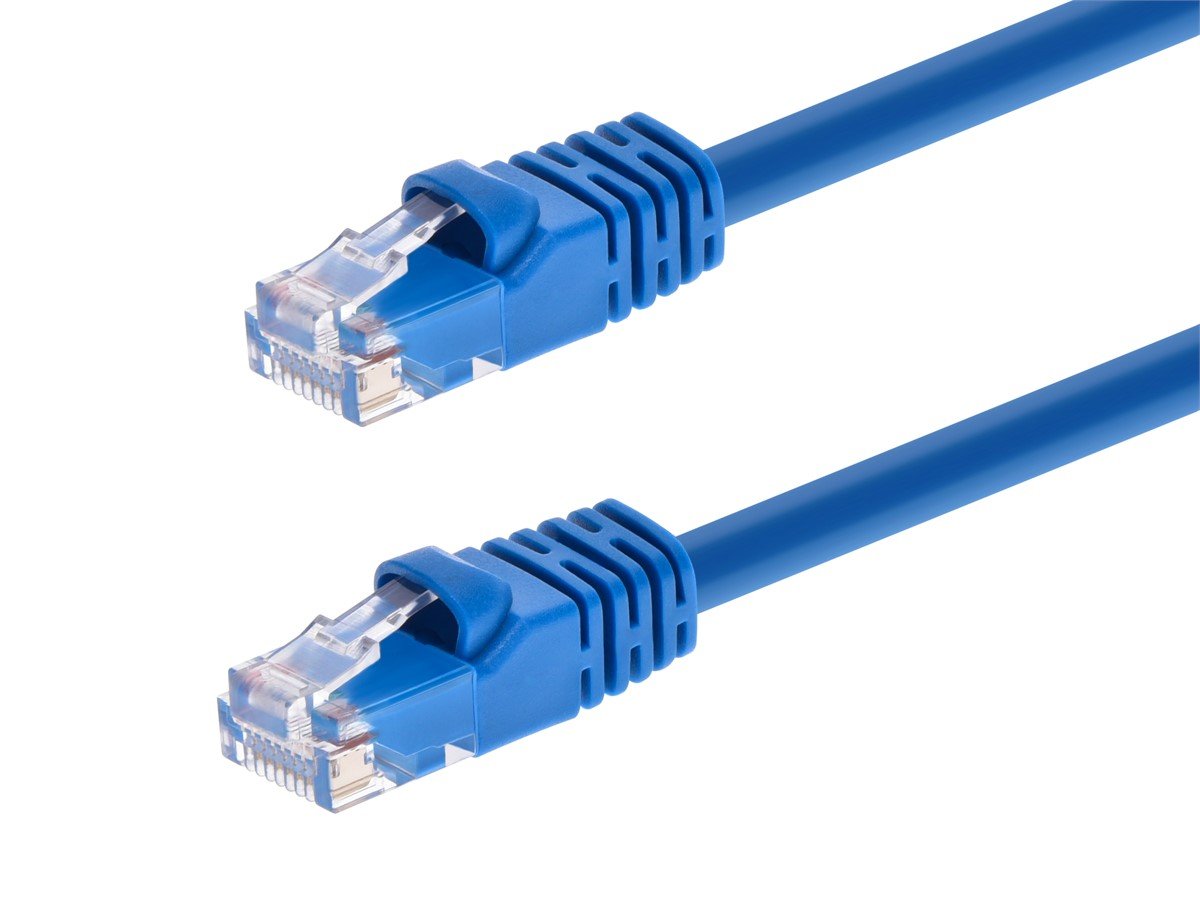
Best Ethernet Cable Choice in 2024: Cat6a or Cat8?
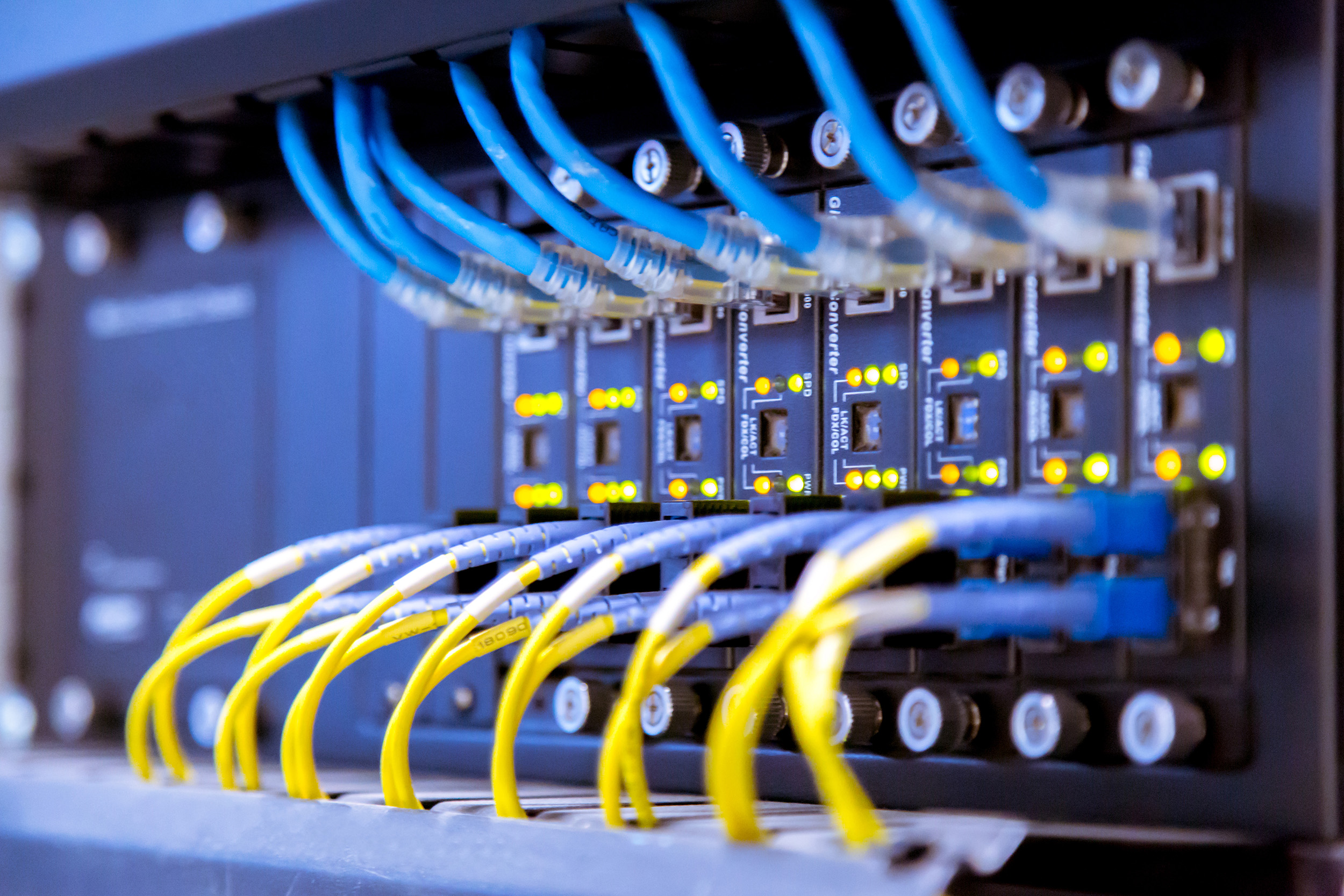
What Cat Ethernet Cable is Best? A Practical Guide for Choosing the Right Cable
If you're building out a home network, setting up a professional AV integration, or simply trying to future-proof your office LAN, choosing the best Cat Ethernet cable is more than just matching numbers. With performance ceilings shifting fast, and newer device capabilities kicking in almost yearly, the right cable needs to deliver the bandwidth, stability, and EMI protection required by modern environments. From Cat5e to Cat8, grounded and shielded options open up even more potential—especially in installations exposed to interference. Let's break it down practically, in a way that cuts past the clutter and leans into real-world performance, reliability, and ROI.
Understanding the Basics: What is a Cat Ethernet Cable?
Cat cables, short for Category cables, are twisted-pair network cables used for Ethernet and other data transmission standards. Over time, different "Cat" levels were released—each improved to support higher frequencies, faster speeds, and better shielding. Starting with Cat5, then Cat5e (enhanced), to Cat6, Cat6a, Cat7, and Cat8, each iteration reflects better performance and more bandwidth scalability. These cables impact everything from how smooth your video conferencing is to how fast your large file transfers complete. And while the outer cable may look similar, what's inside and how well it's shielded can make all the difference in high-interference or high-performance setups.
Cat5e and Cat6: Still Viable in 2024?
Cat5e cables became the industry go-to for almost two decades due to their low cost and decent speed, capping at 1 Gbps up to 100 meters. For less demanding setups—like basic home networks and older physical infrastructure—Cat5e still holds up. But as devices and applications demand more speed, especially with 4K video, streaming, remote work, cloud gaming, and enterprise file access, Cat6 is increasingly the new minimum standard. Offering support for up to 10 Gbps over short distances, Cat6 is backward-compatible with Cat5e and adds additional shielding against crosstalk. Honestly, unless you're wiring a legacy system or extremely budget-constrained, Cat6 or better is the smart move today.
Cat6a and Cat7: Shielding and Grounding Take Center Stage
Stepping up, Cat6a extends that 10 Gbps support up to the full 100-meter distance and includes better insulation and improved shielding. This is where grounded cables gain serious value. When dealing with environments full of electrical noise—think data centers, broadcast studios, or even crowded smart homes—shielded twisted pairs (STP) and fully shielded designs, like foil and braided shielding in Cat6a and Cat7, reduce electromagnetic interference (EMI) and keep signal integrity high. Grounded Cat6a cables often terminate in shielded RJ45 connectors, designed to ground the cable at the patch panel or switch. If you're deploying hardware that demands uptime and consistent latency, Cat6a is a future-ready investment.
Cat8: Enterprise Speeds with Data Center Reliability
Cat8 is where Ethernet performance really stretches its legs. Designed for data-intensive environments, Cat8 cabling supports speeds up to 25 Gbps or even 40 Gbps over shorter distances—up to 30 meters. These cables are always shielded, include grounded construction, and feature a thicker gauge with higher frequency transmission capacity (up to 2000 MHz). This makes them ideal for inter-switch links, data center cross-connects, and high-speed backbone infrastructure. While overkill for most home users, professionals working with 8K video, advanced server tasks, or large networked databases will benefit from the peak performance Cat8 reliably delivers. Of course, it comes at a higher price point and can be less flexible to install due to the design.
Grounding and Shielding: Why It Matters in Real-World Installs
In technical specs, grounding and shielding can seem like afterthoughts, but in reality, they impact network integrity in a major way. Grounded Ethernet cables incorporate metallic shielding layers that redirect stray electrical interference away from the twisted pairs, keeping signals clean. In offices near fluorescent lighting, radio towers, or wireless routers, improperly shielded cables can suffer from performance dips and even data loss. Shielded and grounded Cat6a or Cat7 cables, especially those certified for plenum or riser use, are a smart investment in layered installations—where cable runs sit next to power lines or HVAC ducts. These cables must be terminated correctly to ensure the grounding effect routes fully back to the switch, otherwise the benefit is lost. It’s not just about the cable, it’s about the system end-to-end.
Final Thoughts: What’s the Best Cat Ethernet Cable for You?
The best Ethernet cable for your setup depends on the demands of your network environment, how far you're planning to run the cable, and how much electrical interference is present. For most users, grounded and shielded Cat6a cables strike the perfect balance between affordability, speed, and reliability. They're also future-compatible with expanding bandwidth needs. Power users and enterprise installations will find unmatched performance in Cat8 cables, especially when shielded. At Monoprice, we've built a reputation on providing high-performance networking gear without the steep overhead. Whether you need snagless Cat6 patch cables for your desktop, or bulk shielded Cat6a cables with S/FTP for a 100-port switch rack, our solutions are built to perform—grounded, certified, and budget-conscious. Every cable delivers serious signal integrity, so you're not second-guessing your connection quality. No fluff. Just tested, trusted networking gear created for real-world use. And it ships fast, too. Perfect for when you're juggling installs, upgrades, and about five things at the same time.