

Beam Clamps for Tech Installations: What You Need to Know
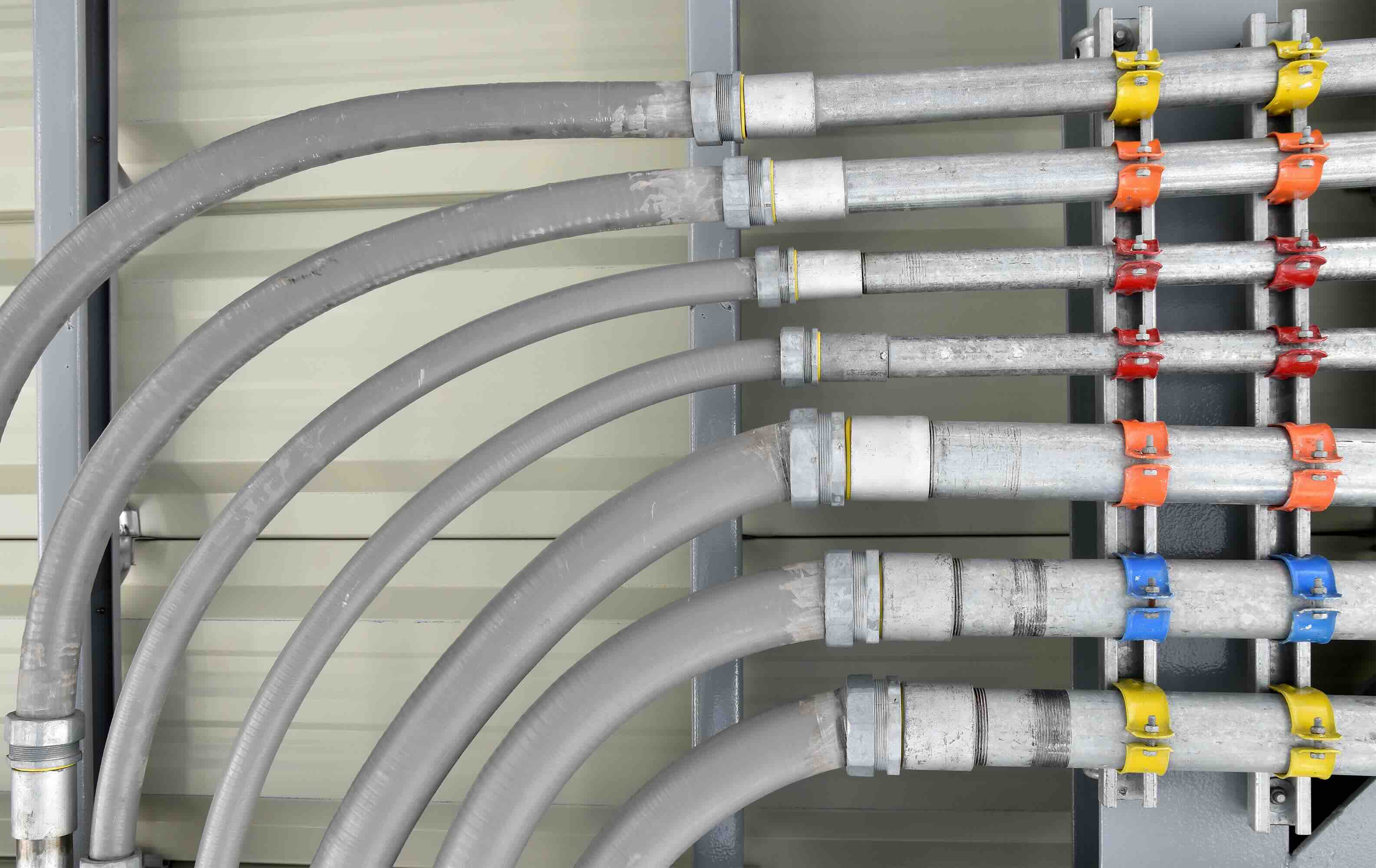
What Is a Beam Clamp and Why Does It Matter in Technology Installations?
If you have ever had to mount equipment to a structural beam without drilling into it, you already know the frustration. A beam clamp is a hardware fastener designed to attach to the flange of a steel I-beam or similar structural member, providing a secure anchor point for hanging or supporting loads. In the technology industry, these are used constantly. Think data centers, server rooms, AV installation environments, warehouse networks, drop ceilings with exposed beam structures, and anywhere cable management or hardware mounting needs to happen overhead without permanent modification to the building. It is one of those components that does not get talked about much but absolutely earns its keep once you understand what it handles.
How Beam Clamps Actually Work
The basic mechanism is simpler than it sounds. A beam clamp wraps around or grips the flange of a structural beam, typically using a threaded bolt or set screw that tightens against the bottom or top surface of the flange. When the fastener is torqued down, it creates clamping pressure that locks the fitting in place. Most beam clamps have a threaded rod outlet, usually a center-threaded hole on the body of the clamp, where you can connect all-thread rod, hardware, conduit hangers, or cable tray supports. From there, you build downward or outward depending on what needs to be supported. The load transfers through the clamp body into the beam flange and then into the structural steel itself. No drilling, no welding, no permanent changes to the building infrastructure. That is a big deal in leased facilities or anywhere the building owner has restrictions on structural modifications.
Common Types of Beam Clamps Used in Tech Environments
Not all beam clamps are the same and choosing the right type matters more than people think. Here is a quick breakdown of the most common configurations you will encounter in professional tech installations:
- Universal beam clamps with center-threaded rods, the most common type for hanging cable trays and conduit
- Flange-mounted beam clamps designed to grip a specific flange thickness range
- Jaw-style beam clamps that use a scissor or jaw mechanism for extra holding strength
- Top beam clamps used when you need to attach something above the beam instead of below
- Purlin clamps, which are used on Z-shaped or C-shaped structural members in metal building construction
For most IT and AV applications, the universal threaded center-hole clamp is the workhorse. It handles the most common scenarios and works across a reasonable range of flange sizes. Jaw-style clamps are worth looking at for heavier cable tray loads or when vibration is a concern.
Key Advantages of Using Beam Clamps for Technology Infrastructure
There are some genuine advantages here beyond just convenience. First and most obviously, beam clamps do not require any modification to the beam itself. That keeps structural integrity intact and keeps building management happy. Second, installation is fast. A trained installer can attach a clamp, run the all-thread rod, and hang a cable tray section in a fraction of the time it would take to drill and anchor into concrete or masonry. Third, repositioning is possible. If your network layout changes or you need to adjust a cable run, you can loosen the clamp, slide it, and re-tighten. That kind of flexibility is genuinely valuable in environments that evolve over time. Finally, properly rated beam clamps carry significant load capacity, sometimes hundreds of pounds depending on the product and beam size, which means they are not just for lightweight cable work. Heavy conduit runs and large cable trays are well within range when the hardware is specified correctly.
Common Drawbacks and Limitations to Know Before You Buy
Beam clamps are not a universal fix for every situation and there are real limitations to understand. The biggest one is beam compatibility. If the beam flange is too thick or too thin for the clamp, you either cannot use it or the clamping pressure will be uneven and unreliable. Always check the specified flange range before purchasing. Another limitation is load rating. A beam clamp is only as strong as it is rated, and overloading a clamp is a safety issue. This becomes especially relevant in cable tray installations where installers sometimes keep adding cable weight after the initial design phase. There is also the question of beam finish. Painted or coated beams may reduce friction and grip, which can affect holding performance under vibration or dynamic loads. And finally, some jurisdictions and building codes require specific installation methods for life safety systems or certain conduit types, so beam clamps may not always be code-compliant without additional hardware or engineering review.
Beam Clamps and Cable Management: A Natural Pairing
In structured cabling environments and data centers specifically, beam clamps are most often the starting point for overhead cable management systems. You use them to hang threaded rod, which then supports wire basket or ventilated cable tray. From there, you have a pathway for your Cat6 or Cat6A runs, fiber optic cables, power cables, and AV signal lines. The flexibility to adjust tray position, change the height of the run, or add additional support points makes beam clamps a foundational component of any well-designed infrastructure. It is also worth noting that beam clamps are useful in AV rack installations where overhead conduit feeds into floor-standing or wall racks. Getting that conduit path right without compromising ceiling structure is exactly the kind of problem a properly specified beam clamp solves cleanly and cost-effectively.
How to Select the Right Beam Clamp for Your Project
Selecting the right clamp comes down to a few practical factors. Start with the beam flange dimension since the clamp must fit the specific flange width and thickness at the attachment point. Then look at the load rating and make sure it comfortably exceeds what you plan to hang. Factor in a safety margin since installations often change. Consider the threaded rod size the clamp accepts, typically three-eighths inch or half inch in most commercial installations. Think about the environment as well, since corrosive environments may call for stainless steel or galvanized clamps rather than standard carbon steel. And if the installation is in a seismic zone, check for seismic compliance in the product specifications since not all beam clamps meet those requirements. Taking fifteen minutes to verify these specs before ordering saves a lot of headache on the job site.
Installation Tips for Getting It Right the First Time
A few practical notes from the field. First, always clean the beam flange surface if it has paint buildup or grease before tightening the clamp. This improves contact and reduces the chance of slippage. Second, torque the set screw or clamping bolt to the manufacturer specification, not just finger-tight plus a guess. Under-torqued clamps can walk or slip under load. Third, position the clamp as close to the beam web as practical since the flange is stronger closer to the center. Fourth, if you are supporting a long cable tray run, space your clamp attachment points evenly and follow the tray manufacturer's recommended hanger spacing, usually every four to five feet. Last, always check that the threaded rod is plumb after installation since a tilted rod transfers load unevenly and can stress the clamp body over time.
Why Monoprice Is the Right Partner for Your Infrastructure Needs
When you are speccing out a technology installation, every component in the chain matters. Beam clamps, cable trays, patch panels, structured cabling, AV hardware, all of it needs to work together reliably and stay within budget. That is exactly where Monoprice delivers. The combination of professional-grade product quality and accessible pricing means you are not forced to choose between performance and cost efficiency. For teams managing data centers, AV buildouts, or enterprise network infrastructure, that balance is not just nice to have, it is the difference between a project that comes in on budget and one that does not. If you are building out your next technology installation with the right hardware from the ground up, explore the full range of professional installation and infrastructure products from Monoprice professional-grade cable management and installation hardware and see how much further your budget can go without sacrificing build quality.
Frequently Asked Questions About Beam Clamps
What is a beam clamp used for in technology installations?
A beam clamp is used to attach cable trays, conduit hangers, threaded rod, and other overhead support hardware to structural steel beams without drilling or welding. It is a common installation method in data centers, server rooms, and AV environments.
Can beam clamps be used on any type of steel beam?
Beam clamps are designed primarily for I-beams and wide flange beams. Some variants accommodate purlin or channel shapes. Always verify that the clamp's specified flange width and thickness range matches your beam before installation.
How much weight can a beam clamp hold?
Load capacity varies by product and size. Many standard commercial beam clamps are rated from 200 to over 1,000 pounds. Always check the manufacturer's load rating and apply an appropriate safety factor based on your installation requirements.
Do beam clamps require any tools to install?
Most beam clamps require basic hand tools such as a wrench or socket set to tighten the clamping bolt or set screw. A torque wrench is recommended for installations where a specific torque value is specified by the manufacturer.
Are beam clamps reusable?
Yes, in most cases beam clamps can be removed and reused as long as they have not been overloaded or damaged. This makes them a cost-effective choice for installations that may need to be reconfigured over time.
What threaded rod size do most beam clamps accept?
The most common threaded rod sizes accepted by beam clamps in commercial installations are three-eighths inch and half inch. Always confirm the clamp's thread specification before purchasing your all-thread rod.
Are beam clamps code compliant for commercial electrical installations?
Many beam clamps are designed to meet NEC and other applicable commercial installation standards, but compliance depends on the specific product, application, and local jurisdiction. Always verify with the product documentation and consult applicable codes for your installation type.
What is the difference between a beam clamp and a C-clamp?
A beam clamp is specifically designed to grip the flange of a structural steel beam and is rated for overhead load support. A standard C-clamp is a general-purpose clamping tool and is typically not rated or designed for permanent overhead installation applications.
Can beam clamps be used in seismic zones?
Some beam clamps are engineered and tested for use in seismic zones and will carry seismic compliance ratings. If your project is in a seismic area, you must select a clamp that is specifically rated and certified for those conditions.
How do I know if my beam clamp is properly installed?
A properly installed beam clamp should be fully seated against the beam flange with the clamping fastener torqued to specification. The threaded rod or attached hardware should be plumb, and there should be no movement or slippage when the rated load is applied.


