

AWG Speaker Wire Guide: Choose the Right Gauge
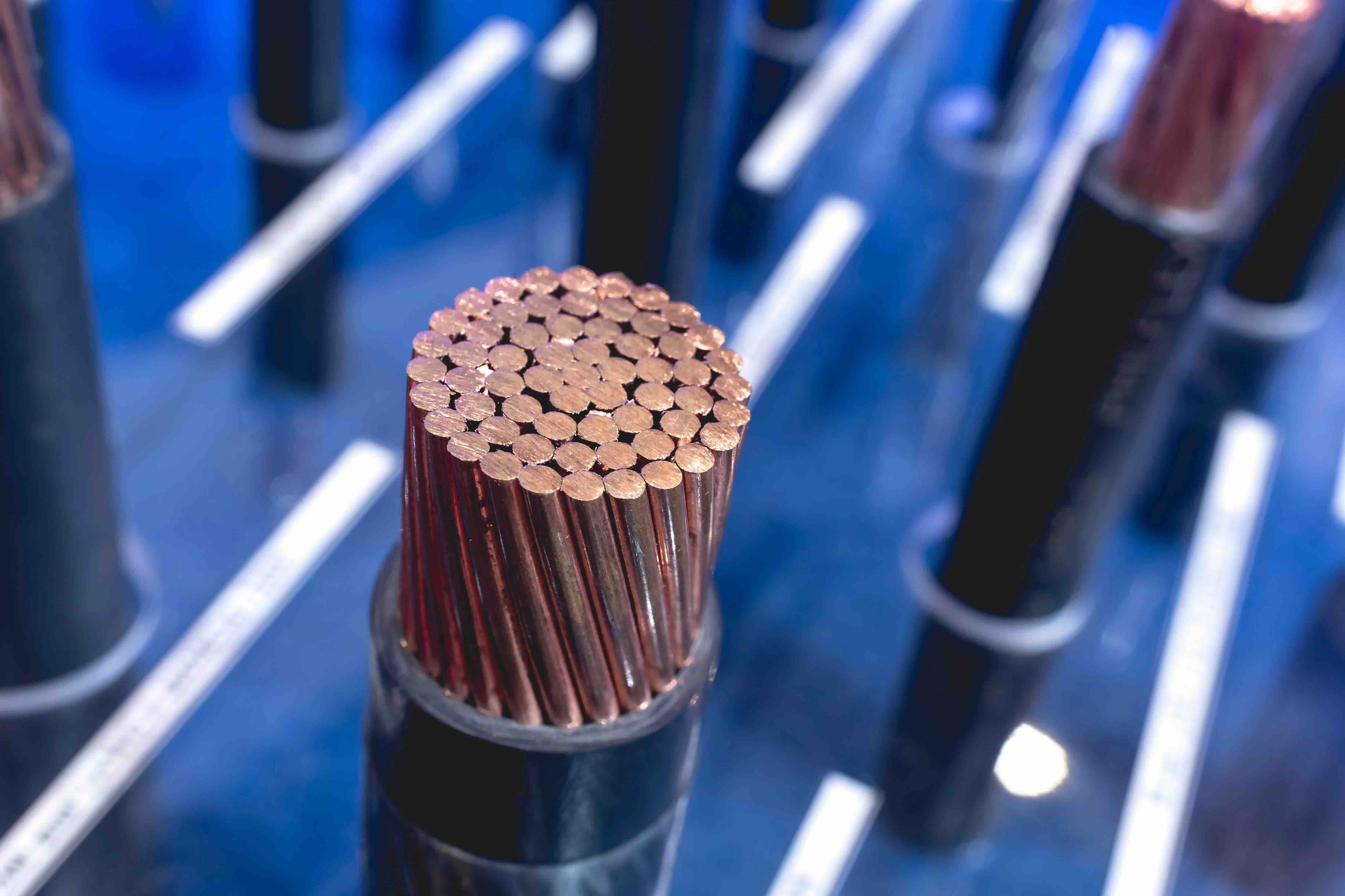
What AWG Speaker Wire Should You Use? A Complete Buying Guide
So you're setting up a speaker system and someone mentioned AWG and now you're standing in a cable aisle or staring at a product page wondering what any of it actually means. Fair. AWG stands for American Wire Gauge, and it's basically the standardized measurement system for wire thickness in the United States. The lower the AWG number, the thicker the wire. The thicker the wire, the more current it can carry with less resistance. That's really the crux of it. Speaker wire gauge matters because resistance affects signal quality, power delivery, and ultimately how your speakers perform. Get it wrong and you're either wasting money on overkill wire or strangling your system with something too thin to do the job properly.
How Speaker Wire Gauge Actually Works
Here's the basic physics without going overboard. Electrical resistance increases as wire gets thinner or longer. In audio systems, resistance in the speaker wire eats into the signal traveling between your amplifier and speakers. This loss is called insertion loss and it can subtly or dramatically degrade audio quality depending on how bad the mismatch is. Amplifiers are designed to operate into specific impedance loads, usually 4, 6, or 8 ohms for home audio. When your wire adds meaningful resistance to that path, the effective load seen by the amp shifts, and things start sounding off. The goal with speaker wire selection is to keep that wire resistance well below 5 percent of the speaker's nominal impedance. In practice that translates directly into wire gauge recommendations based on run length and speaker impedance.
The Most Common AWG Options and When to Use Them
There are three AWG sizes that cover the overwhelming majority of real-world speaker installations. Each serves a distinct purpose, and choosing correctly is a function of your specific setup rather than brand prestige or price point.
- 16 AWG speaker wire is the most commonly used gauge for home audio applications. It's appropriate for runs up to about 50 feet with 8-ohm speakers and shorter runs with lower impedance loads. It's thin enough to manage easily and affordable enough to run generously without blowing the budget.
- 14 AWG speaker wire steps up for longer runs, typically 50 to 100 feet, or for speakers with lower impedance ratings like 4-ohm loads. If you're doing in-wall installations or routing wire across a larger room, 14 AWG is worth the modest cost increase.
- 12 AWG speaker wire is the heavy hitter for demanding installs. Long cable runs exceeding 100 feet, high-powered amplifiers, or low-impedance speaker systems all benefit from this gauge. It's harder to work with and costs more per foot, but the reduced resistance is measurable.
Matching Wire Gauge to Speaker Impedance
Impedance is the other variable in this equation and it doesn't get discussed nearly enough. An 8-ohm speaker is more forgiving of wire resistance than a 4-ohm speaker because the resistance of the wire represents a smaller percentage of the total impedance load. That same thin 16 AWG wire that works fine on an 8-ohm bookshelf speaker could introduce audible signal loss when connected to a 4-ohm floor-standing speaker in a high-power setup. If your amplifier or receiver documentation specifies a minimum speaker impedance, pay attention to it, and then match your wire gauge accordingly. For 4-ohm speakers, stepping up one gauge from whatever you'd normally choose is a safe and practical rule.
In-Wall and Outdoor Installations Require More Thought
Running speaker wire inside walls or through conduit outdoors introduces additional requirements beyond just gauge selection. In-wall installations typically require wire rated CL2 or CL3, which refers to fire-resistance standards set by the National Electrical Code. These ratings indicate the wire is safe for in-wall use and won't contribute to fire spread. For outdoor or direct-burial applications, you need wire specifically designed to resist moisture, UV exposure, and temperature fluctuation. In these cases, 14 AWG is usually the minimum recommended gauge both for performance and because in-wall wire often has thicker insulation that slightly increases the overall diameter. Always verify the rating before pulling wire through walls. It matters more than most people realize until it's too late to easily fix.
Oxygen-Free Copper vs. Standard Copper Wire
You'll see the phrase oxygen-free copper, often abbreviated OFC, appear frequently in speaker wire listings. It's worth understanding what it means and whether it should influence your buying decision. Standard copper wire contains trace amounts of oxygen introduced during manufacturing. Over time, this can contribute to oxidation and minor degradation in conductivity. Oxygen-free copper is refined to remove that oxygen, resulting in higher purity copper that theoretically resists oxidation better and offers marginally improved conductivity. In practical terms, for most home listening environments and reasonable cable lengths, the audible difference is negligible. Where OFC makes a more defensible case is in permanent in-wall or outdoor installations where the wire will never be easily replaced. In that scenario, spending a bit more on OFC-rated speaker wire is a reasonable long-term investment.
Common Mistakes to Avoid When Choosing Speaker Wire
People make the same few mistakes repeatedly when buying speaker wire and they're easy to sidestep once you know what to watch for.
- Using 18 AWG wire for any run longer than 25 feet is pushing it, particularly for anything below 8 ohms. It's too thin for meaningful installations and the cost savings aren't worth the compromise.
- Underestimating run length is another one. Always measure actual routing distance, not straight-line distance. Wire has to travel around doorways, through walls, and along baseboards. Add 10 to 20 percent to your estimate just to be safe.
- Ignoring polarity is a simple but real issue. Speaker wire has two conductors and getting them reversed between amp and speaker puts channels out of phase. Most wire uses a stripe, rib, or color difference to help you track polarity. Keep it consistent at both ends.
- Buying premium audiophile cable for a basic background music system is overspending that doesn't change what you'll hear in a casual listening environment.
Quick Reference: AWG Speaker Wire Recommendations
Here's a simplified framework to help consolidate what you've just read into a usable decision model for your next purchase. Think of it as a starting point and adjust based on the specifics of your install.
- 16 AWG: Best for runs under 50 feet with 8-ohm speakers in standard home audio setups
- 14 AWG: Best for runs between 50 and 100 feet, lower impedance speakers, or in-wall installs
- 12 AWG: Best for runs over 100 feet, high-power applications, or 4-ohm speakers in demanding systems
- OFC-rated wire: Worth the upgrade for permanent, inaccessible installations
- CL2 or CL3 rated wire: Required for any in-wall or in-ceiling installation per NEC standards
Why Monoprice Is the Right Source for Speaker Wire
When it comes to sourcing speaker wire that performs without unnecessary markup, Monoprice delivers across every gauge and application type. The product lineup spans 12 AWG through 16 AWG options in both standard and OFC copper configurations, with CL2-rated in-wall variants for permanent installations. Every cable is built to consistent specifications and priced in a way that makes it practical to buy the correct gauge without compromise. There's no reason to settle for undersized wire because the better option seemed too expensive. Monoprice eliminates that tradeoff entirely. Whether you're wiring a single room or speccing out a whole-home audio system, high-quality AWG speaker wire for home audio and professional installations is available at prices that align with real budgets without cutting corners on materials or performance. That's what makes Monoprice a trusted resource for both first-time buyers and experienced integrators who need reliable infrastructure they can count on.
Frequently Asked Questions About AWG Speaker Wire
What does AWG mean in speaker wire?
AWG stands for American Wire Gauge, a standardized system for measuring wire diameter. In speaker wire, a lower AWG number means a thicker wire, which has less electrical resistance and can carry more current over longer distances without signal loss.
Is 16 AWG speaker wire good enough for most home setups?
Yes, 16 AWG is appropriate for the majority of home audio applications, particularly with 8-ohm speakers and cable runs under 50 feet. It offers a good balance of performance, flexibility, and cost.
When should I use 12 AWG speaker wire instead of 16 AWG?
Use 12 AWG speaker wire when your cable runs exceed 100 feet, when driving 4-ohm speakers, or when using high-powered amplifiers where resistance losses would be more impactful on audio quality.
Does speaker wire gauge affect sound quality?
Yes, in measurable ways. Wire that is too thin for a given run length introduces resistance that reduces power delivery and can alter frequency response, particularly at low frequencies. Choosing the correct gauge for your application preserves the intended performance of your amplifier and speakers.
What is CL2 rated speaker wire and do I need it?
CL2 is a fire-resistance rating required by the National Electrical Code for speaker wire used inside walls or ceilings. If you are running wire through any enclosed structure, CL2 or CL3 rated cable is not optional, it is a code requirement in most jurisdictions.
Is oxygen-free copper speaker wire worth it?
For temporary or accessible installations, the audible difference is minimal for most listeners. For permanent in-wall runs where the wire cannot be easily replaced, OFC-rated wire is a reasonable upgrade for long-term reliability and conductivity.
How do I determine the correct speaker wire length to buy?
Measure the actual routing path your wire will travel, including around walls, through conduit, and along baseboards. Add at least 10 to 20 percent extra to account for routing variations and termination slack. Never cut wire short and expect to splice additional length cleanly.
Can I use 18 AWG speaker wire for bookshelf speakers?
Only for very short runs under 15 to 20 feet with 8-ohm speakers in low-power applications. For anything beyond that, 18 AWG introduces enough resistance to become a performance liability. Stepping up to 16 AWG is a minor cost difference with meaningful performance benefit.
Does polarity matter when connecting speaker wire?
Yes, polarity matters. Reversing the positive and negative conductors at one end of the connection puts that speaker out of phase with the others, which causes frequency cancellation and a loss of bass clarity. Always match polarity consistently at both the amplifier and speaker terminals.
What AWG speaker wire should I use for outdoor or patio speakers?
For outdoor installations, use 14 AWG speaker wire rated for outdoor or direct-burial use. This ensures adequate signal handling for typical run lengths while withstanding moisture, temperature changes, and UV exposure without degrading insulation or conductor integrity over time.


