

8 Strand Fiber Optic Cable: What It Is and Why It Matters
What Is an 8 Strand Fiber Optic Cable and Why Does It Matter?
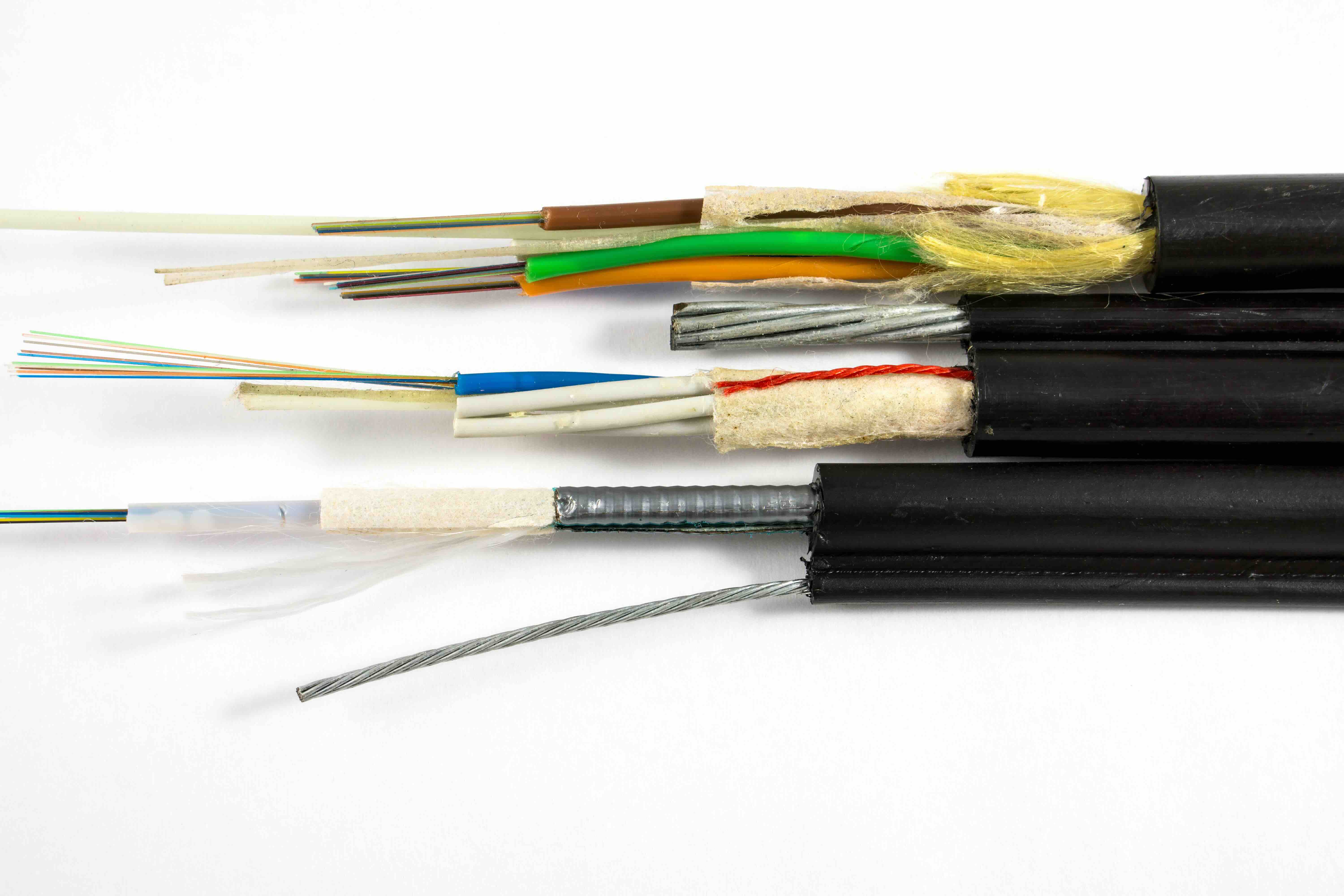
If you have ever been handed a spec sheet and stared at the term "8 strand fiber optic cable" without quite knowing what to do with it, you are not alone. It sounds technical, sure, but the concept is actually pretty approachable once you break it down. An 8 strand fiber optic cable is exactly what it sounds like: a fiber optic cable that houses eight individual glass or plastic fiber strands within a single outer jacket. Each strand is capable of carrying light-based data signals independently, which means you are looking at serious capacity and flexibility packed into one physical run of cable. This type of cable shows up constantly in enterprise networking, data centers, campus installations, and anywhere else where bandwidth demands are high and physical space for cabling is limited. Understanding what it is and what it does is the first step toward making a smarter infrastructure decision.
How Fiber Optic Technology Actually Works
Before getting into the specifics of 8 strand configurations, it helps to understand the basics of fiber optic transmission. Unlike copper cables that carry electrical signals, fiber optic cables transmit data using pulses of light. Those pulses travel through thin strands of glass or plastic called optical fibers. Each strand is made up of a core, a cladding layer that reflects light back inward to keep the signal moving forward, and a protective coating. The result is a transmission medium that is immune to electromagnetic interference, capable of carrying data across much longer distances without significant signal degradation, and far more bandwidth-efficient than copper at equivalent distances. In an 8 strand cable, all of this happens across eight individual fibers bundled together, often with each pair dedicated to a specific direction of communication or a specific network link entirely.
Single-Mode vs. Multimode: Which Type Are You Working With?
This is where a lot of people start to lose the thread, but it really comes down to application distance and light source. An 8 strand fiber optic cable can be constructed using either single-mode or multimode fiber, and the difference matters.
- Single-mode fiber uses a much smaller core diameter, typically around 9 microns, and is designed for long-distance transmissions, often spanning several kilometers or more, using laser light sources.
- Multimode fiber has a larger core, usually 50 or 62.5 microns, and is better suited for shorter runs within buildings or campuses, typically using LED or VCSEL light sources.
- OM3 and OM4 multimode variants are among the most common in modern data center applications and support high-speed standards like 40G and 100G over appropriate distances.
- OS1 and OS2 are the single-mode designations most frequently specified for outdoor or long-haul installations.
Choosing between the two depends entirely on your environment and distance requirements. For most structured cabling within a building or between nearby structures, multimode is usually the practical and cost-effective choice. For longer campus or outside plant runs, single-mode is the standard answer.
Key Advantages of 8 Strand Fiber Optic Cables
There is a reason this fiber count comes up so often in real-world deployments. Eight strands offer a meaningful balance between capacity and manageability. You get enough fiber to support multiple simultaneous high-speed links, whether that means parallel 10G connections, a 40G transmission using a parallel optic architecture, or simply having spare strands for redundancy and future growth. The cable itself remains relatively compact and manageable compared to higher strand counts like 12 or 24, making routing through conduit or cable trays simpler in tighter installations. On top of that, fiber optic cables inherently offer low signal attenuation over distance, high security since light signals do not radiate outside the cable, and essentially zero susceptibility to interference from motors, HVAC systems, or other electrical equipment nearby.
Common Drawbacks to Be Aware Of
No cable type is without its considerations, and fiber is no exception. The upfront cost of fiber optic infrastructure is generally higher than comparable copper solutions, both in terms of the cable itself and the transceivers, patch panels, and termination equipment required. Fiber termination also requires a level of precision that copper does not. Improper cleaving, dirty connectors, or rough handling can introduce insertion loss that degrades performance significantly. While modern pre-terminated fiber assemblies have made installation much more forgiving, field termination still demands trained personnel and the right tools. Additionally, fiber is more fragile than copper when subjected to sharp bends or physical stress, so minimum bend radius guidelines must be respected throughout the installation.
Typical Connector Types Found on 8 Strand Fiber Cables
An 8 strand fiber optic cable can be terminated with several different connector types depending on the end-use application. The most common configurations include MTP and MPO connectors, which are designed specifically for parallel optic applications and allow all 8 fibers to connect in a single mated interface. This makes them ideal for high-density patch panels and data center trunk cables. Individual LC or SC connectors are also common when the 8 strands are broken out into separate duplex pairs, often through a breakout or fanout assembly. LC connectors dominate modern data center environments because of their compact form factor, while SC connectors are still widely used in legacy systems and certain telecommunications applications.
Where 8 Strand Fiber Optic Cable Is Most Commonly Deployed
The applications for this cable type are broad. Enterprise data centers use 8 strand fiber trunk cables to connect top-of-rack switches to aggregation or core layers. Campus networks rely on them for inter-building backbone connections. Hospitals, universities, and government facilities use them for structured cabling backbones that need to support multiple departments or floors simultaneously. Broadcast and media environments also use fiber extensively, including 8 strand configurations, for transmitting uncompressed video signals across facilities. Anywhere that multiple high-bandwidth links need to share a single cable pathway, 8 strand fiber is a logical and efficient answer.
Practical Tips for Buying and Installing 8 Strand Fiber Optic Cable
If you are spec-ing out a project or sourcing cable for an upcoming installation, a few practical considerations go a long way toward avoiding costly mistakes. First, confirm whether the application calls for single-mode or multimode, and if multimode, identify the appropriate OM rating. Second, decide early whether you need a pre-terminated assembly or bulk cable for field termination. Pre-terminated assemblies cost more upfront but save significant labor time and reduce the risk of installation errors. Third, verify the jacket type. Indoor riser-rated cables are not appropriate for outdoor or direct burial applications, and plenum-rated cables are required in air-handling spaces per most building codes. Finally, always buy from a source that provides clear specifications and stands behind their products with real warranty support.
Why Monoprice Is the Right Source for Your Fiber Optic Cabling Needs
When it comes to sourcing reliable fiber optic infrastructure without paying inflated margins, Monoprice delivers the kind of performance and transparency that procurement teams and integrators have come to count on. The product lineup covers a wide range of fiber optic solutions including pre-terminated assemblies, patch cables, and bulk cable options across multiple fiber types and connector configurations. Every product is built to meet recognized industry standards, and the pricing model reflects a genuine commitment to value rather than brand tax. Whether you are outfitting a data center, running backbone cable between buildings, or simply need reliable patch connections at a reasonable cost, you can explore the full range of high-performance fiber optic cables and networking infrastructure solutions and find exactly what your project requires. That combination of quality, selection, and accessible pricing is what sets Monoprice apart as a trusted partner for both IT professionals and B2B buyers who cannot afford to compromise on either performance or budget.
Frequently Asked Questions About 8 Strand Fiber Optic Cable
What does 8 strand mean in a fiber optic cable?
It means the cable contains eight individual optical fibers inside a single outer jacket. Each fiber can carry independent light-based data signals, giving the cable the capacity to support multiple simultaneous network links or provide redundancy.
Is 8 strand fiber optic cable single-mode or multimode?
It can be either. The strand count refers to the number of fibers in the cable, not the fiber type. You will find 8 strand cables available in both single-mode and multimode variants. The right choice depends on your transmission distance and equipment requirements.
What connector type is used on 8 strand fiber optic cables?
The most common connectors for 8 strand fiber are MTP or MPO connectors for parallel optic applications, and individual LC or SC connectors when the cable is broken out into separate duplex pairs through a fanout assembly.
How far can an 8 strand fiber optic cable transmit data?
Distance depends on the fiber type and the optics being used. Multimode OM4 fiber can typically support 40G or 100G transmission up to 150 meters. Single-mode fiber can extend data transmission across several kilometers depending on the specific application and transceiver used.
Can I use 8 strand fiber optic cable for 40G or 100G networking?
Yes. Many 40G parallel optic transceivers use 8 fibers, with 4 transmitting and 4 receiving simultaneously, making 8 strand fiber a natural fit for those applications. Some 100G configurations also use parallel optic approaches over 8 or more fibers.
What is the difference between a breakout cable and a distribution cable in 8 strand fiber?
A breakout cable individually buffers each fiber strand with its own jacket layer, making it easier to terminate and handle individual strands directly. A distribution cable groups strands under a shared outer jacket with thinner individual coatings, making it lighter and better suited for pulling through conduit before termination.
Do I need special tools to terminate 8 strand fiber optic cable?
Yes. Proper fiber termination requires a fiber cleaver, polishing equipment or mechanical splice tools depending on the connector type, and ideally an optical power meter and light source for testing. Pre-terminated assemblies eliminate the need for field termination tools and are the preferred choice for most installations.
What jacket type should I choose for my 8 strand fiber optic cable?
Choose the jacket type based on your installation environment. Plenum-rated cable is required in air-handling spaces. Riser-rated cable is suitable for vertical runs between floors in non-plenum spaces. Outdoor or armored jacket types are required for direct burial or harsh environment applications.
How do I know if my 8 strand fiber optic cable is damaged?
Common indicators include increased insertion loss measured with an optical power meter, visible physical damage to the jacket or connectors, or complete signal loss on one or more strands. An OTDR, or optical time-domain reflectometer, can pinpoint the exact location and nature of a fault within a fiber run.
Is 8 strand fiber optic cable more cost-effective than higher strand counts?
For applications where 8 strands provide sufficient capacity, yes. Higher strand count cables cost more and can be over-specified for installations that only require a handful of active links. Eight strands offer a practical middle ground between capacity and cost, especially when a few spare strands are needed for future expansion or redundancy.


