

5 Prong Plug Guide: Types, Uses, and How to Choose
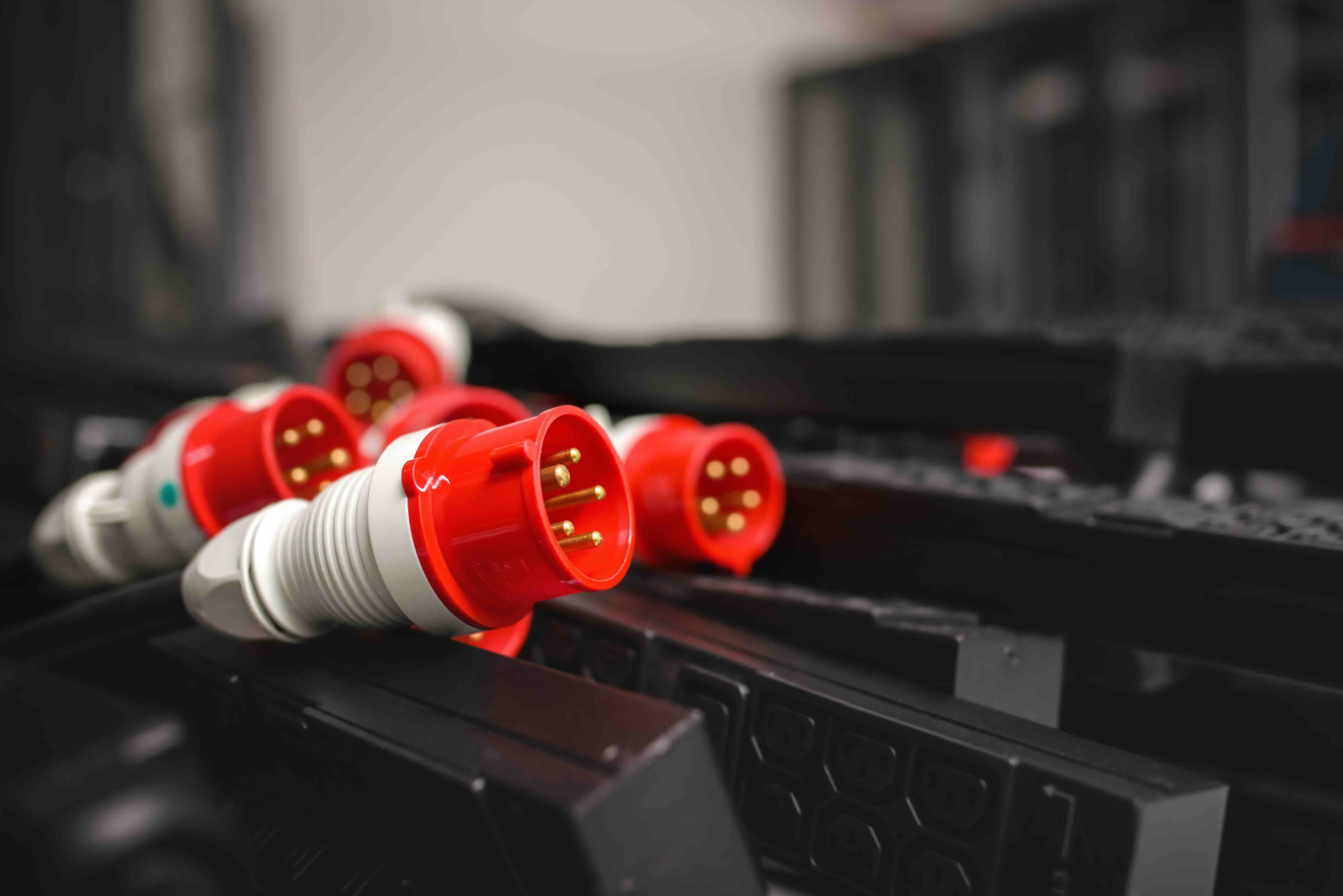
What Is a 5 Prong Plug and Why Does It Matter in Modern Technology?
So, you have come across the term "5 prong plug" and you are wondering what exactly that means and whether it applies to your setup. Fair question. The phrase gets used in a few different contexts depending on the industry, but in the technology and electronics world, a 5 prong plug most commonly refers to a NEMA 14-30 or NEMA 14-50 style outlet configuration, or it can reference certain multi-pin connectors used in professional AV, industrial power distribution, and data environments. The short version is this: five-pin and five-prong configurations show up more often than people realize, and understanding what they do and why they exist can save you a lot of guesswork when you are wiring up a rack, configuring a workstation, or sourcing power hardware for a professional installation. Let us break it down clearly.
Understanding the Basic Design of a 5 Prong Plug
A 5 prong plug, at its core, is an electrical or signal connector with five distinct pins or blades. In power applications, these five contacts typically include two hot legs, a neutral, and a ground, plus an additional conductor that adds a layer of functionality depending on the specific standard. In professional data and AV environments, five-pin connectors often appear in DMX lighting control, XLR audio setups, and multi-conductor signal cables. The design exists because certain applications require more than the standard two or three connections to operate safely and efficiently. The extra prong is not a gimmick. It is there to handle a specific electrical or signal function that a simpler connector cannot manage on its own.
Common Applications Where You Will Encounter 5 Prong Connectors
This is where it gets interesting, because the 5 prong plug surfaces across a surprisingly wide range of professional and consumer applications. Knowing where you are likely to encounter one helps you plan your cable management and equipment selection accordingly.
- Power distribution panels and heavy-duty circuits
- Electric vehicle charging stations using NEMA 14-50 configurations
- Professional DMX lighting rigs and stage control systems
- Industrial HVAC and equipment wiring
- Pro AV signal routing with multi-pin XLR or DIN connectors
- High-end workstation and server rack power distribution units
- Dryer and range circuits in residential and commercial builds
Each of these use cases has its own wiring standards and safety considerations, which is why understanding the specific type of 5 prong plug you are dealing with matters a great deal before you purchase hardware or attempt any installation work.
How a 5 Prong Plug Works in Power Delivery
In a power delivery context, the five-prong configuration is built around the concept of dual-voltage or high-current capability. Take the NEMA 14-50 as a reference point. It carries two 120-volt hot legs, a neutral wire, and a ground. That totals four, not five, but NEMA 14-30 and similar variants add that fifth conductor to support specialized grounding or an additional circuit leg. The practical effect is that these plugs can handle 240-volt loads with current ratings commonly between 30 and 50 amps. That is the kind of output required for EV chargers, commercial kitchen equipment, and industrial machinery. In a data center or server room context, five-pin power connectors show up in PDUs designed to support redundant feeds or metered power delivery at the rack level. The engineering logic is always the same: more conductors mean more control over how electricity is delivered and returned.
Key Advantages of Using a 5 Prong Plug Configuration
There are real, practical reasons why engineers and installers choose a five-prong format over simpler alternatives. These benefits become especially relevant when the stakes are high, whether that means electrical safety in a commercial build or signal integrity in a live production environment.
- Enhanced electrical safety through dedicated grounding paths
- Support for higher voltage and amperage requirements
- Reduced signal crosstalk in multi-conductor data and audio cables
- Compatibility with dual-voltage equipment and international configurations
- Greater flexibility in professional power distribution setups
- Improved redundancy in enterprise-grade power management systems
These advantages are not theoretical. They translate directly into lower failure rates, fewer electrical incidents, and more reliable performance across demanding installations.
Common Drawbacks and Limitations to Know Before You Buy
No connector standard is perfect, and the 5 prong plug is no exception. The biggest issue for most buyers is compatibility. A five-prong outlet requires a matching five-prong plug, which means older infrastructure may need to be retrofitted or adapted. Adapters exist, but using them incorrectly can introduce safety risks, particularly in high-current applications. Installation complexity is another factor worth noting. These connectors are not typically DIY-friendly, especially in power distribution scenarios. Licensed electricians are generally required for any hardwired installation involving NEMA 14-series outlets or similar high-amperage configurations. Additionally, the connectors themselves tend to be physically larger and heavier than standard plugs, which can create cable management challenges in tight rack environments. Cost is also slightly higher than standard plug solutions, though the performance and safety gains usually justify the investment.
How to Choose the Right 5 Prong Connector for Your Application
Selection really comes down to matching the connector spec to the load requirements and signal type of your specific application. Start by identifying whether you need a power connector or a data and signal connector, because they operate on completely different standards. For power, confirm the amperage rating and voltage of your circuit before choosing a NEMA or IEC variant. For AV and lighting control, verify whether your equipment uses DMX 5-pin, multi-pin XLR, or a proprietary format. Always cross-reference the connector's IP rating if the installation involves outdoor or high-moisture environments. And check the cable gauge compatibility of any connector you are sourcing, since mismatched wire and connector ratings are a common and avoidable source of failure. Sourcing from reputable suppliers who provide full documentation and compliance certifications makes all of this much easier to verify before you commit to a product.
Safety Standards and Compliance Considerations
Any time you are working with multi-prong power connectors, safety compliance is non-negotiable. In the United States, NEMA standards govern plug and outlet configurations for power delivery. UL listing is the baseline certification you want to see on any power connector or cable assembly you are sourcing for a permanent installation. For professional AV, ANSI and USITT standards apply to DMX and multi-pin signal connectors. In commercial or enterprise settings, NEC code compliance is required for all high-amperage circuit work, and inspections are typically mandatory. Always work with hardware that carries the appropriate certifications for your region and application type. Cutting corners on compliance is not a value play. It is a liability.
Why Monoprice Is a Smart Source for Multi-Pin Connector Solutions
When you are sourcing cables, connectors, and power accessories for professional installations, the supplier you choose has a direct impact on the reliability of your finished work. Monoprice has built a well-earned reputation for delivering high-performance cables and connectivity solutions at pricing that makes sense for both individual builders and large-scale procurement teams. The product catalog covers everything from heavy-duty power accessories to professional AV cabling, and every product is backed by clear specifications and quality standards that installers and integrators can actually trust. If you are putting together a rack, a staging environment, or a commercial AV system and need connectors that hold up under real-world load conditions, shopping with a reliable source for professional-grade power and AV cables and connectors is the kind of decision that pays off over the lifespan of the installation. No guesswork, no inflated margins, just the hardware you need at a price that reflects what it should actually cost.
Frequently Asked Questions About 5 Prong Plugs
What does a 5 prong plug do differently than a standard 3 prong plug?
A 5 prong plug adds additional conductors that allow for higher voltage handling, dual hot legs, or specialized signal paths, depending on whether the application is power delivery or data and AV signal routing.
Is a 5 prong outlet the same as a NEMA 14-50?
The NEMA 14-50 is a four-prong configuration, not five. A true five-prong power connector may reference industrial or three-phase variants. In consumer contexts, five-prong language is sometimes used loosely to describe multi-pin connectors in AV and DMX environments.
Can I use an adapter to convert a 5 prong plug to a standard outlet?
Adapters are available, but they should only be used in low-risk, low-load scenarios. In high-amperage power applications, improper adapters can create serious safety hazards and may violate local electrical codes.
What is a 5 pin DMX connector used for?
A 5 pin DMX connector is used in professional lighting control systems to transmit digital control signals between a lighting controller and fixtures. It carries the same core DMX signal as a 3 pin version but includes two additional pins for extended data or future protocol use.
Do I need a licensed electrician to install a 5 prong power outlet?
Yes, in most jurisdictions a licensed electrician is required for any permanent installation of high-amperage outlets, including those using five-conductor wiring. Always check local codes before beginning any electrical work.
What amperage can a 5 prong plug typically handle?
This depends entirely on the specific connector standard. In power applications, multi-prong industrial connectors can handle anywhere from 30 amps to well over 60 amps, depending on the gauge of the conductors and the rating of the outlet itself.
Are 5 prong plugs used in data centers?
Yes, multi-pin power connectors appear in data center PDUs, particularly in configurations that require metered or switched power delivery at the rack level. The specific form factor varies by manufacturer and rack standard.
What cable gauge should I use with a high-amperage 5 prong plug?
Cable gauge must be matched to the amperage rating of the circuit. For a 30-amp circuit, 10 AWG is typically standard. For a 50-amp circuit, 6 AWG is common. Always verify requirements against local electrical code and the connector manufacturer's specifications.
Is a 5 pin XLR the same as a DMX cable?
A 5 pin XLR connector is the physical connector type used for DMX512 signal cables, but XLR connectors are also used in balanced audio applications with 3 pin and other configurations. The terms are related but not interchangeable without context.
Where can I buy reliable 5 prong and multi-pin connectors and cables?
Reputable electronics and cable suppliers that specialize in professional AV and power accessories are your best option. Look for suppliers that provide full product specifications, compliance certifications, and clear return policies so you can verify what you are buying before it ships.


