

3.5mm Jack Legacy: Timeless Impact on Electronics
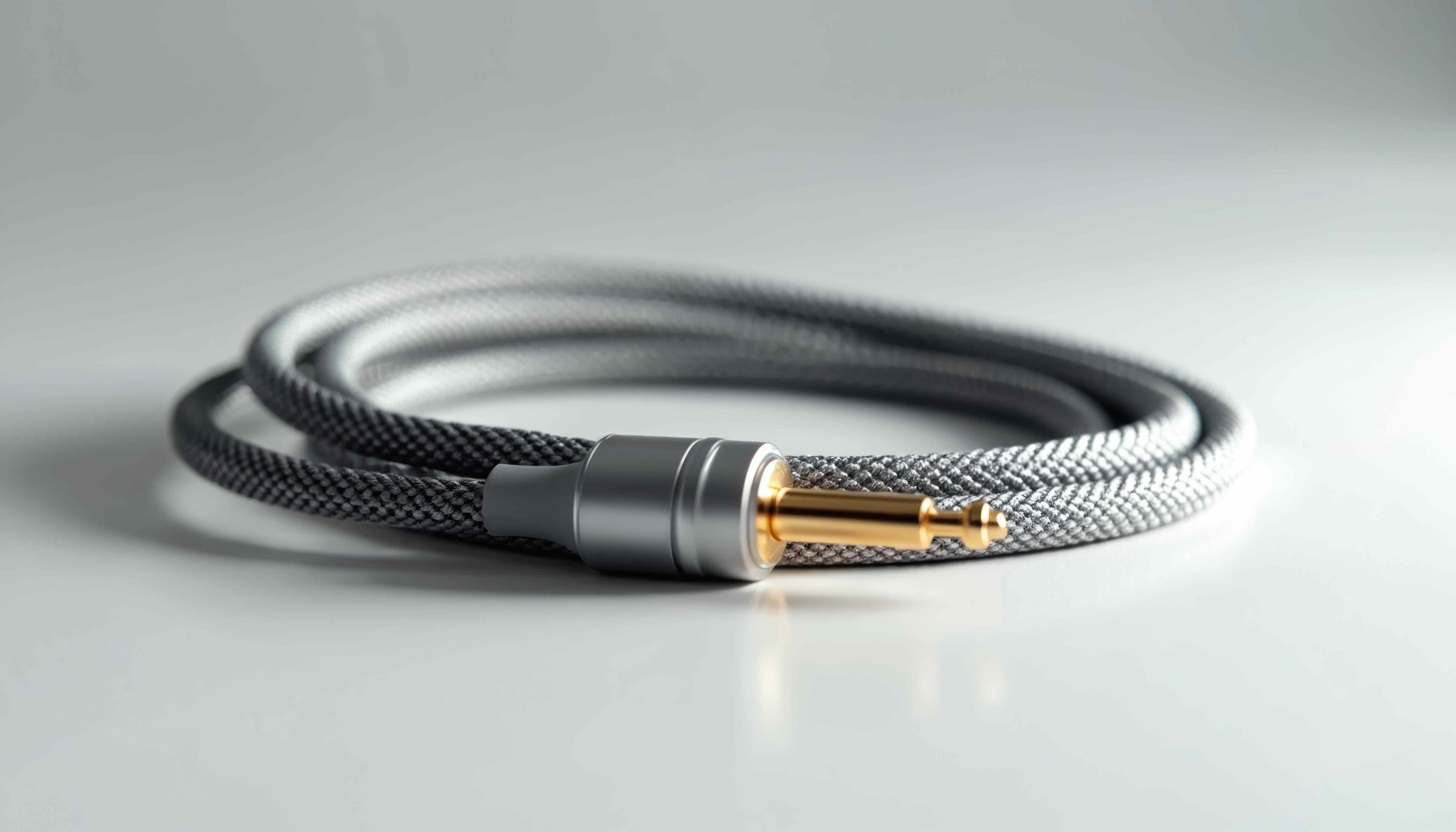
The 3.5mm Jack: A Small Connector With a Very Long Story
There are not many pieces of technology that survive for over a century without being fundamentally reinvented. The 3.5mm audio jack is one of them. It started life in telephone switchboards, found its way into consumer electronics during the era of portable transistor radios, and eventually became the universal standard for personal audio. That kind of staying power does not happen by accident. It happens because something works exceptionally well, costs almost nothing to implement, and solves a problem that billions of people have every single day. So yeah, before we talk about where the 3.5mm jack stands today, it helps to understand what it actually is, how it functions, and why it still matters even in a world that increasingly wants to go wireless.
What Exactly Is the 3.5mm Audio Jack
The 3.5mm audio jack, also referred to as a headphone jack, aux port, or mini-jack, is a small cylindrical connector used to transmit analog audio signals between devices. The "3.5mm" refers to the diameter of the plug itself. It is a standardized format, which means a 3.5mm plug from one manufacturer will physically fit into a 3.5mm port from virtually any other manufacturer. That interoperability is huge. There are a few common configurations you will run into. A TS plug carries mono audio, a TRS plug handles stereo, and a TRRS plug adds a fourth contact for microphone input, which is how your phone headset works when you use it to take calls. The connector makes contact along those metallic rings, each one carrying a separate channel of information from the source to your ears or to a recording input.
How the 3.5mm Jack Actually Works
Understanding the signal path helps demystify why this format has held up so well. When audio is produced by a device, whether a phone, laptop, or dedicated audio player, it moves through a digital-to-analog converter, or DAC, and then passes through an amplifier stage before reaching the headphone output. The 3.5mm jack is the final physical handoff point in that chain. Once the signal exits the port through the connector, it travels down the cable and drives the transducers in your headphones or earphones, which convert the electrical signal back into sound waves. It is a completely passive system on the cable side. No chips, no pairing protocols, no firmware, no latency. The signal goes in, the sound comes out. That simplicity is genuinely hard to beat for a lot of applications.
Key Advantages of the 3.5mm Audio Jack
There are real and measurable reasons the 3.5mm jack endured as long as it has. These are not just nostalgic talking points. They represent genuine performance and usability advantages that still matter in 2024 and beyond.
- Universal compatibility across nearly every category of device produced in the last five decades
- Zero latency audio output, which matters for gaming, monitoring, and live performance applications
- No battery requirement, which means the connection works even when a device is fully discharged
- Lower cost of entry for high-quality audio, since passive headphones and cables are generally less expensive than their wireless counterparts
- Reliable connection with no pairing failures, dropout risk, or interference from competing wireless signals
- Works in environments where Bluetooth is restricted or unreliable, including aircraft, certain medical facilities, and industrial settings
That list is not exhaustive, but it covers the core reasons why professionals, audiophiles, and everyday users have continued to lean on this format even as wireless alternatives matured significantly.
Common Drawbacks and Limitations Worth Knowing
Being honest about the limitations of the 3.5mm jack is just as important as recognizing its strengths. The connector is analog by nature, which means it is susceptible to interference from nearby electronic components. Cheap or poorly shielded devices can introduce ground loop hum, static, or channel imbalance that a digital connection would avoid entirely. The physical connector itself is also a mechanical weak point. Repeated plugging and unplugging, or stress on the cable near the plug, can cause internal breaks that result in one-sided audio or intermittent signal loss. The format also has practical limits on how much power it can deliver, which means extremely low-sensitivity or high-impedance headphones may not perform optimally from a standard headphone output without a dedicated headphone amplifier. And from a manufacturer's perspective, the port takes up physical space inside increasingly thin devices, which is part of the reason some companies have removed it entirely in recent years.
The Great Removal: What Happened When Smartphones Started Dropping the Jack
When a major smartphone manufacturer removed the headphone jack in 2016, it set off a debate in the audio and consumer electronics community that honestly has not fully settled. The argument in favor of removal centered on internal space savings, water resistance improvements, and a push toward wireless audio adoption. The argument against was more visceral and immediate. People owned headphones. People had cars with aux inputs. People did not want a dongle. What actually happened in the market was interesting. Wireless earbud sales accelerated dramatically, which made sense given the forced migration. But a significant number of users continued to buy devices with headphone jacks specifically because they wanted that option. The 3.5mm port became a feature again rather than an assumption. Laptop manufacturers largely kept it. Gaming handhelds kept it. Budget and mid-range smartphones kept it. The jack never went away. It just stopped being invisible.
Where the 3.5mm Jack Fits in Professional and Studio Environments
Outside of the consumer device conversation, the 3.5mm jack has a clearly defined and stable role in professional settings. It is a standard connection point for consumer-grade monitoring headphones, field recording equipment, broadcast intercom systems, and audio interfaces targeted at home studio producers. In the AV integration world, it shows up in presentation systems, conferencing equipment, and commercial display installations where local audio monitoring is required. Many professional-grade audio interfaces include 3.5mm outputs specifically for reference listening during tracking sessions. It is not the format of choice for high-end studio interconnects, which typically use larger quarter-inch TRS or XLR connections, but it occupies a reliable and practical middle tier that serves a wide range of working audio applications effectively.
3.5mm Cables and Accessories: Getting the Quality Right
One thing that gets overlooked in conversations about the 3.5mm jack is that cable and connector quality varies enormously. A low-cost, poorly constructed cable can introduce noise, signal degradation, and mechanical failure much faster than a well-made one. For critical listening, monitoring, or professional use, it is worth investing in cables with proper shielding, oxygen-free copper conductors, and strain-relieved connectors that can handle repeated use without failing at the joint. Adapter quality matters too. If you are using a USB-C to 3.5mm adapter, the quality of the integrated DAC inside that adapter directly affects your audio quality. A generic no-name adapter may introduce noise or limit dynamic range. Choosing a reputable source for these components makes a measurable difference in the actual experience.
Is the 3.5mm Jack Still Relevant in 2024 and Beyond
Short answer: absolutely yes, and probably for longer than most people expect. The 3.5mm jack has survived every prediction of its imminent demise because it solves real problems in ways that no competing format has fully replicated at the same cost and simplicity. Wireless audio has gotten remarkably good, but it still requires power, pairing, and tolerance for occasional dropout. USB-C audio is technically capable but depends on adapter quality and driver support. Lightning audio was always proprietary and limited by design. Meanwhile, the 3.5mm jack works instantly, works everywhere, and works with decades of compatible hardware already in users' hands. For gaming, travel, professional monitoring, and everyday listening, it remains one of the most practical audio connection formats ever standardized. Its legacy is not just historical. It is functional and ongoing.
Why Monoprice Is the Right Source for 3.5mm Audio Cables and Accessories
When it comes to getting the most out of the 3.5mm audio format, the quality of your cables, adapters, and accessories determines a significant portion of the actual experience. Monoprice has built a reputation on delivering exactly the kind of well-constructed, properly specified audio accessories that the format deserves, without the inflated pricing that often comes with brand-name alternatives. Whether you need a shielded stereo aux cable for your home theater setup, a TRRS headset cable for your workstation, or a reliable adapter for mobile use, the depth and quality of the product lineup at Monoprice premium 3.5mm audio cables and accessories reflects a genuine understanding of how these products are used in real environments. The engineering is sound, the pricing is honest, and the selection covers both everyday consumer needs and more demanding professional applications. For anyone invested in getting reliable, high-quality analog audio out of the 3.5mm format, Monoprice is a practical and authoritative choice backed by years of industry experience and direct customer feedback.
Frequently Asked Questions About the 3.5mm Audio Jack
How long is a standard 3.5mm audio jack plug?
The plug portion of a standard 3.5mm audio connector is approximately 14mm to 17mm in length, depending on the configuration. The diameter of the shaft is 3.5mm, which is where the connector gets its name.
What is the difference between TRS and TRRS 3.5mm connectors?
TRS stands for Tip, Ring, Sleeve and carries stereo audio on two channels. TRRS adds a fourth contact point for a microphone signal, making it suitable for headsets used in calls or recording. You can usually identify them by the number of black rings visible on the plug.
Can I use a 3.5mm headphone with a device that only has USB-C?
Yes, but you will need a USB-C to 3.5mm adapter. The quality of that adapter matters because it contains a built-in DAC that handles the digital-to-analog conversion. A higher-quality adapter will generally produce better audio output.
Why does my 3.5mm connection sound distorted or noisy?
Noise or distortion through a 3.5mm connection is usually caused by a poorly shielded cable, a damaged connector, interference from nearby electronics, or a grounding issue in the device itself. Trying a different cable or adapter is often the quickest diagnostic step.
Does cable length affect audio quality through a 3.5mm jack?
For most consumer applications, cable length has a negligible effect on audio quality. Over very long runs, passive signal loss can occur, but this is rarely a concern under 10 to 15 feet. Shielding quality matters more than length in most practical scenarios.
Is a 3.5mm connection better than Bluetooth for audio quality?
A wired 3.5mm connection can deliver higher fidelity than Bluetooth in many situations because it avoids the compression introduced by wireless audio codecs. However, modern Bluetooth codecs like aptX HD and LDAC have significantly narrowed that gap for everyday listening.
What does a TRRS to TRS adapter do?
A TRRS to TRS adapter splits the four-contact TRRS signal into separate stereo audio and microphone pathways. This is commonly used to connect a smartphone headset to a computer or audio interface that has separate headphone and microphone inputs.
Why do some headphones require a headphone amplifier with a 3.5mm output?
High-impedance headphones require more voltage to reach adequate listening levels than a standard headphone output can provide. A dedicated headphone amplifier boosts the signal appropriately, resulting in better dynamics and overall sound performance with demanding headphone models.
Are gold-plated 3.5mm connectors actually better?
Gold plating on connectors provides corrosion resistance rather than a meaningful improvement in signal quality. Over time, corrosion on connector contacts can degrade signal integrity, so gold plating can help maintain consistent performance through extended use and repeated connections.
Will the 3.5mm jack ever be completely phased out of consumer electronics?
It is unlikely to disappear entirely in the foreseeable future. While some device categories have moved away from it, the 3.5mm jack remains standard in laptops, gaming hardware, professional audio equipment, automotive systems, and a large segment of the global smartphone market.


