

2.5mm to 3.5mm Audio Cable: What You Need to Know
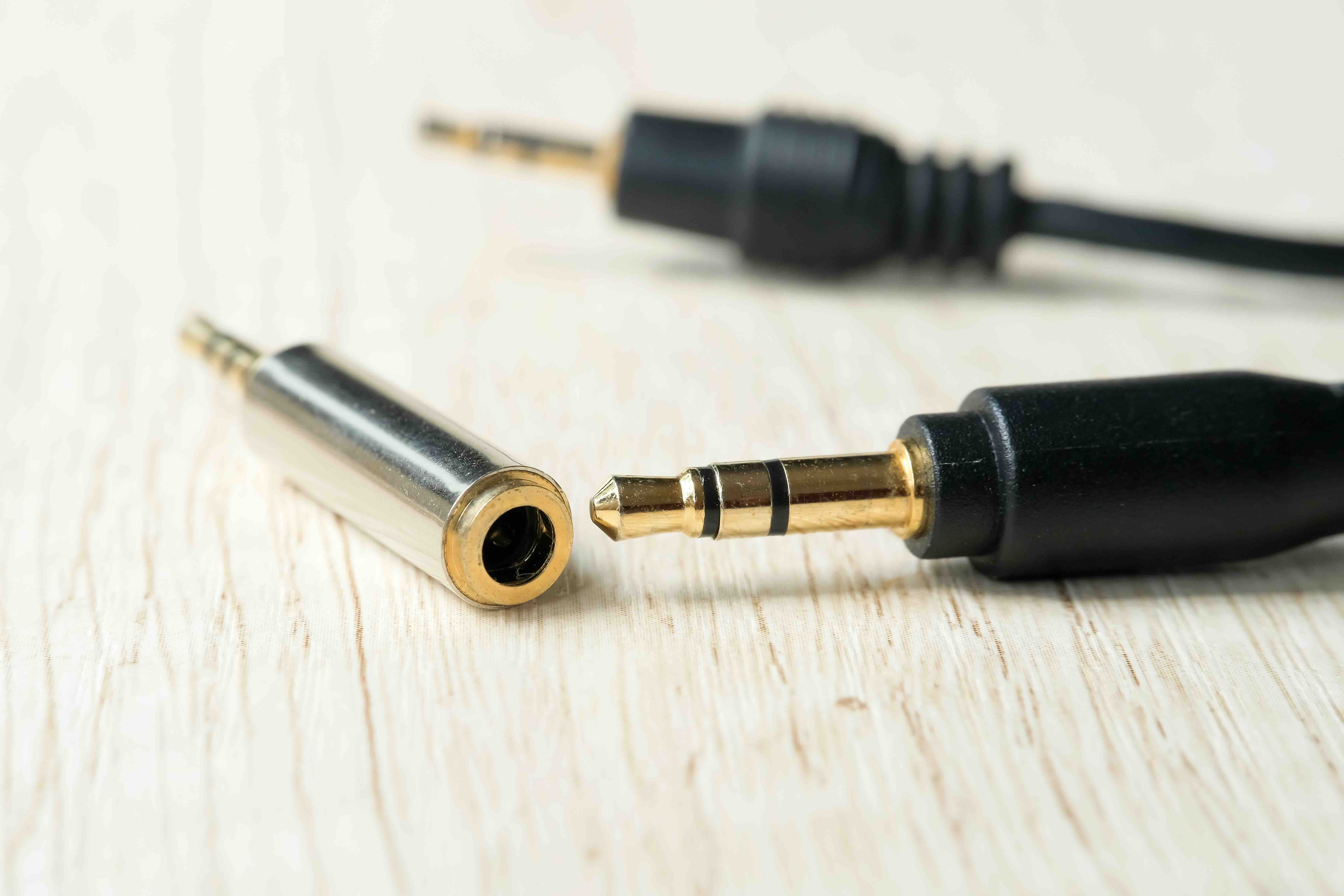
What Is a 2.5mm to 3.5mm Audio Cable and Why Does It Still Matter?
So here is something that comes up more often than you would think. Someone gets a new pair of headphones, or maybe they are trying to connect a mic to a phone or a recorder, and suddenly they are staring at two different sized jacks wondering what went wrong. The 2.5mm to 3.5mm audio cable is one of those connectors that sounds incredibly niche until you need it, and then it becomes the most important cable in the room. It bridges two different audio jack standards, the smaller 2.5mm connector and the far more common 3.5mm connector, and it does that job quietly and efficiently without requiring a big explanation. That said, understanding what separates them, how grounding plays into the signal quality, and why it all matters in real-world setups is genuinely useful information for anyone working in audio, production, or consumer tech.
Understanding the Difference Between 2.5mm and 3.5mm Connectors
The size difference between these two connectors is small enough to look like a mistake, but it is intentional and it carries real functional weight. The 3.5mm jack, also called a mini jack or headphone jack, is the global standard for consumer audio. It shows up on laptops, phones, tablets, audio interfaces, portable speakers, and just about everything else. The 2.5mm jack, sometimes called a sub-mini jack, is smaller and appears in more specialized contexts. You will find it on older mobile handsets, certain two-way radios, aviation headsets, some DECT cordless phones, and niche portable audio recorders. The diameter difference is literally half a millimeter, but the two are not interchangeable without an adapter or a dedicated conversion cable. That is where the 2.5mm to 3.5mm cable steps in.
How the Cable Works and the Role of Grounding
A standard audio cable carries audio signal through conductors that are separated by an insulating layer and protected by a grounded outer shield. Grounding is where a lot of people gloss over the details, and it really should not be ignored. The ground conductor in an audio cable serves as the return path for the audio signal and, critically, it helps drain away interference and noise that would otherwise bleed into your audio. A poorly grounded cable introduces hum, buzz, or channel imbalance, and you will hear it immediately in any remotely quiet listening environment. In a 2.5mm to 3.5mm cable, the pin configuration matters too. You have configurations like TRS, which stands for tip, ring, sleeve, and TRRS, which adds a second ring and is used for combined headphone and microphone connections. Getting the grounding right across two different connector formats requires precise internal wiring and quality shielding, and that is exactly where cheaper cables tend to cut corners.
Common Use Cases for a 2.5mm to 3.5mm Audio Cable
This cable solves real problems across a range of situations. The following scenarios come up repeatedly in both consumer and professional environments:
- Connecting aviation headsets with 2.5mm plugs to standard 3.5mm audio sources
- Linking older cordless handsets to headsets with standard 3.5mm connectors
- Adapting vintage portable audio players or recorders to modern audio equipment
- Interfacing two-way radio accessories with consumer audio devices
- Using legacy mobile headsets with current generation smartphones or tablets via an adapter chain
These are not edge cases. They represent genuine workflow and compatibility challenges that come up in home offices, broadcast setups, field recording rigs, and even retail and hospitality environments where headset connectivity is essential. Having a reliable, well-made cable for this specific purpose prevents a lot of unnecessary troubleshooting.
Key Advantages of a Dedicated 2.5mm to 3.5mm Cable
Using a purpose-built cable rather than stacking adapters together has measurable advantages. A single well-constructed cable maintains signal integrity across the full length of the run without introducing additional connection points that can degrade audio quality. Each extra adapter joint is another opportunity for resistance, poor contact, or mechanical failure. A dedicated cable also reduces the physical stress on the original device port, which matters a lot when you are working with smaller jacks that were not built to handle the torque of an adapter dangling off the side of a phone or recorder. Beyond signal quality, there is a practical reliability argument. A single cable with properly terminated connectors on each end is simply more dependable in day-to-day use than an improvised adapter stack held together by friction.
Drawbacks and Limitations to Be Aware Of
No cable is without trade-offs, and this one is no exception. The most common issue is connector configuration mismatch. Not every 2.5mm jack is wired the same way, and not every 3.5mm device expects the same pin layout. OMTP and CTIA are the two predominant wiring standards for TRRS connectors, and mixing them can reverse your ground and microphone signals, producing garbled audio or a non-functional mic. It is also worth noting that a 2.5mm to 3.5mm cable does not do any signal conversion. If your source device outputs a mono signal, the cable will carry a mono signal. It is a passive connector solution, not a transformer or processor. Finally, the physical fragility of 2.5mm connectors deserves mention. They are smaller by design and therefore more susceptible to mechanical damage if handled carelessly, particularly at the strain relief point near the plug body.
What to Look For When Buying One
Shopping for this cable is not complicated, but there are a few things worth confirming before you commit. First, identify the connector type you need on both ends, TRS for pure audio or TRRS if you need microphone support. Second, check the wiring standard expected by your device, CTIA or OMTP. Third, pay attention to cable shielding. A foil or braided shield will significantly reduce noise pickup compared to unshielded wire, especially in environments with electrical interference. Fourth, look at the connector housing quality. Metal barrels with proper strain relief are going to outlast plastic shells with none. Finally, match the cable length to your actual use. Longer is not always better since longer cable runs can introduce subtle signal loss and more opportunities for interference.
Grounding Standards and Audio Quality in Professional Contexts
In professional audio environments, grounding is not just a technical checkbox. It is the foundation of clean signal flow. When a 2.5mm to 3.5mm cable is used in a recording or broadcast context, the ground plane continuity across both connectors determines whether the system stays quiet or introduces noise artifacts. Single-ended unbalanced connections, which is exactly what 2.5mm and 3.5mm TRS/TRRS connections are, rely entirely on the quality of that ground path. This is why professional integrators and AV technicians tend to specify cables by conductor material, shield type, and termination quality rather than just connector size. Oxygen-free copper conductors and full-coverage shielding are worth the additional cost when audio quality is non-negotiable. For casual listening or voice communication, a standard shielded cable is usually sufficient. But for anything going on record or into a broadcast chain, quality matters considerably more.
Practical Tips for Getting the Most Out of Your Connection
A few quick habits go a long way toward reliable performance with this type of cable:
- Always test for continuity and channel balance before a live session or recording
- Avoid coiling cables tightly for storage as it stresses the internal conductors over time
- Inspect the connector tips for oxidation or buildup periodically and clean them with isopropyl alcohol if needed
- Use the correct cable length for the job rather than leaving excess coiled near signal sources
- Label adapters and cables in multi-device setups to avoid mismatching CTIA and OMTP configurations
These are not complicated habits, but they make a measurable difference in how long your cables last and how consistently they perform.
Why Monoprice Is the Right Source for Your 2.5mm to 3.5mm Audio Cable Needs
Monoprice has built a well-earned reputation for delivering high-performance audio and connectivity products at prices that make sense for both individual buyers and large-scale procurement. When it comes to something as specific as a 2.5mm to 3.5mm audio cable, precision in manufacturing and consistency in quality control are not optional. They are the entire point. Monoprice cables are constructed with proper shielding, accurate connector configurations, and durable strain relief that holds up to real-world use. Whether you are outfitting a home office, sourcing accessories for a broadcast facility, or solving a compatibility problem on a field recording kit, the selection available through the full catalog of professional-grade 2.5mm and 3.5mm audio cables and adapters covers the configurations that actually matter. The value proposition is straightforward. You get cables that work correctly, perform consistently, and do not require constant replacement. That is not a small thing when you are managing a real audio workflow or keeping a team connected and operational.
Frequently Asked Questions About 2.5mm to 3.5mm Audio Cables
What is a 2.5mm to 3.5mm audio cable used for?
It connects devices with a 2.5mm audio jack to devices with the more common 3.5mm audio jack, allowing audio or headset communication between otherwise incompatible ports.
Is a 2.5mm to 3.5mm cable just an adapter or a full cable?
It can be either. Some products are short adapter dongles and others are full-length cables with one connector on each end. The best choice depends on your specific setup and how much flexibility you need.
What does grounding have to do with audio cable performance?
The ground conductor provides a return path for the audio signal and helps reject electrical interference. Poor grounding leads to audible hum, buzz, or channel imbalance in your audio output.
What is the difference between TRS and TRRS in these cables?
TRS has three contact points and carries stereo audio only. TRRS has four contact points and supports both stereo audio and a microphone signal, which is necessary for headsets used in calls or recording.
Will a 2.5mm to 3.5mm cable work with all devices?
Not universally. Compatibility depends on whether the pin configuration and wiring standard of the cable matches what the device expects. CTIA and OMTP are the two main standards and they are not cross-compatible without specific adapters.
Can I use a 2.5mm to 3.5mm cable for a microphone connection?
Yes, if the cable is wired as TRRS and the wiring standard matches your devices. A TRS cable will only carry audio and will not pass a microphone signal.
Does cable length affect audio quality with these connectors?
For passive unbalanced connections like these, longer cable runs can increase susceptibility to interference and introduce minor signal degradation. Keeping cable length appropriate to the actual use is a good practice.
What is the best shielding type for a 2.5mm to 3.5mm audio cable?
Braided shielding offers the best coverage and durability. Foil shielding is effective but more susceptible to tearing over time. Either is preferable to no shielding for any application where audio quality matters.
Are 2.5mm connectors fragile?
They are smaller than 3.5mm connectors and therefore more vulnerable to mechanical stress, particularly at the base of the plug. Cables with reinforced strain relief at the connector significantly extend the usable lifespan.
How do I know if my cable is wired correctly?
Test it with a known working device and listen for balanced stereo output and, if applicable, working microphone input. A multimeter can also verify continuity and confirm that tip, ring, and sleeve connections are correctly mapped.


