

2.5mm Audio Jack: The Next Size Down From 3.5mm
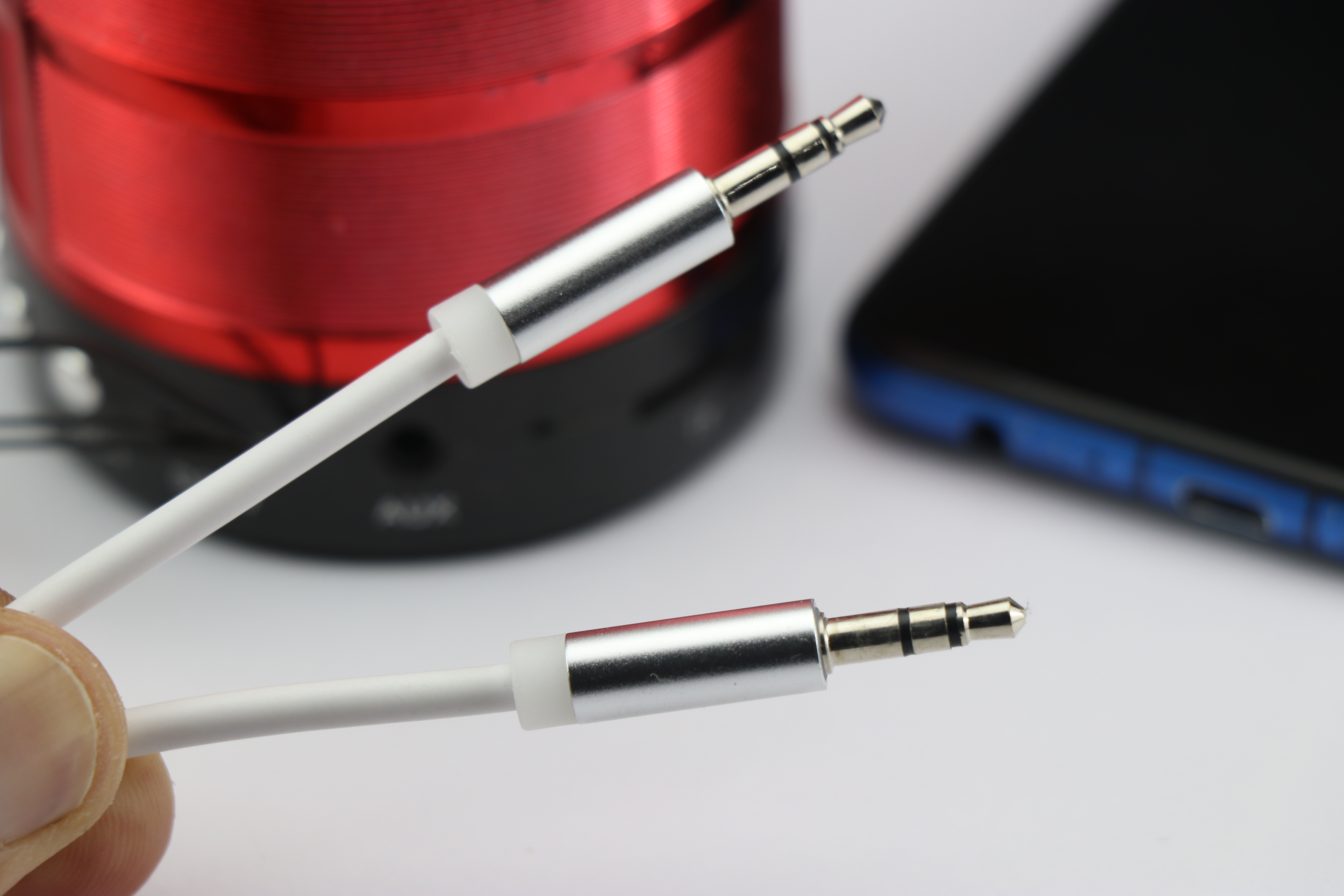
What Is the Next Smallest RCA Jack After 3.5mm and Why Does It Matter?
So you're trying to figure out connector sizes and you've already gotten familiar with the standard 3.5mm audio jack. That's the one on pretty much every pair of headphones, your phone, your laptop, whatever. But what comes next? What's the connector that steps down from there in terms of physical size? The answer is the 2.5mm RCA jack, sometimes called the sub-miniature audio jack. It's smaller, less common in mainstream consumer electronics, but still genuinely relevant in specific professional and technical contexts. If you've ever pulled out a cable for a two-way radio, a compact camcorder, or certain older mobile devices, there's a good chance you already encountered one without realizing it. Worth understanding, especially if you're making purchasing or integration decisions.
Understanding the RCA and Miniature Jack Family: A Quick Size Breakdown
The term "RCA jack" gets used loosely in everyday conversation, but technically the connector family we're discussing here belongs to the phone connector lineage, which dates back well over a century. These are the cylindrical connectors with the tip, ring, and sleeve configuration. The standard sizes, from largest to smallest, go roughly like this:
- 6.35mm (1/4 inch) -- the classic studio and instrument connector
- 3.5mm (1/8 inch) -- the consumer standard for headphones and audio devices
- 2.5mm -- the sub-miniature, the next step down
- 1.8mm and smaller variants -- extremely niche, rarely encountered outside specialty hardware
The 2.5mm jack sits right below 3.5mm in the hierarchy. It's not a dramatic visual difference when you're holding the two side by side, but it matters a lot when you're trying to plug something in. The diameters are incompatible, obviously, and the use cases diverge pretty clearly once you understand the history and application context for each.
What Is the 2.5mm Jack Used For?
Honestly, the 2.5mm connector had a longer run of prominence than many people remember. It showed up in Nokia phones, older BlackBerry handsets, some Motorola devices, and was the go-to connector for wired headsets in the early mobile era before 3.5mm became universal. Beyond mobile, it still appears in two-way radio accessories, certain aviation headsets, remote shutter cables for DSLR cameras, video output on compact camcorders, and some industrial and medical communication equipment. If you're in AV installation or work with legacy equipment, you might run into the 2.5mm more than you'd expect. It's one of those connectors that never fully disappeared -- it just settled into a quieter, more specialized role.
How the 2.5mm Connector Works
The 2.5mm jack operates on the same basic principle as all phone connectors. It uses a cylindrical plug that slots into a matching jack, with conductive rings separated by insulating bands that correspond to different audio channels or signal types. Configurations include:
- TS (Tip, Sleeve) -- mono audio, two conductors
- TRS (Tip, Ring, Sleeve) -- stereo audio or balanced mono, three conductors
- TRRS (Tip, Ring, Ring, Sleeve) -- stereo plus microphone or additional signals, four conductors
The TRRS variant at 2.5mm was particularly common in early mobile headset applications where the connector had to carry stereo audio plus a microphone signal through a single small plug. The signal transmission quality is comparable to 3.5mm in practical terms, assuming the cable and connector are built to a reasonable standard. Physical size is the main variable here, not signal integrity.
Key Advantages of the 2.5mm Jack
There are real reasons this connector earned its place in certain markets, and it's worth spelling those out rather than dismissing it as just a smaller, inferior version of 3.5mm. The advantages are specific and worth considering depending on your application.
Size is the most obvious one. In compact devices where every millimeter of board space matters, a 2.5mm port is meaningfully smaller than a 3.5mm port. For industrial handhelds, remote accessories, and miniaturized communication gear, that difference adds up in the overall device design. The connector is also mechanically functional and reliable within the right housing and use case. Because it's been around for decades, there's a significant accessory ecosystem for it, including adapters, splitters, and extension cables, though that ecosystem is thinner than what exists for 3.5mm. In two-way radio contexts specifically, the 2.5mm connector is something of a standard, which means compatibility is predictable within that product category.
Common Drawbacks and Limitations
Let's be straightforward about the downsides, because there are some real ones. The 2.5mm connector is less durable in repeated insertion cycles compared to a well-built 3.5mm port, largely because the smaller contact surfaces have less tolerance for wear. Finding cables and accessories can require a bit more hunting, and in consumer retail environments the 2.5mm is often not stocked prominently. Cross-compatibility is also an issue since you cannot directly plug a 2.5mm connector into a 3.5mm jack without an adapter. If you're working in an environment where mismatched connectors are a regular hassle, that adapter dependency gets old fast. For high-traffic AV installations or environments where cables get swapped frequently, this is genuinely something to plan around.
Adapters and Compatibility: Bridging the Gap Between 2.5mm and 3.5mm
The good news is that adapters between 2.5mm and 3.5mm are widely available and generally inexpensive. A 2.5mm female to 3.5mm male adapter, or the reverse, can solve most immediate compatibility problems. The key is making sure the adapter matches the connector configuration you actually need. A TRS to TRRS mismatch, even within the same physical size, can cause signal problems like missing microphone channels or incorrect grounding. Always verify the pinout configuration before purchasing an adapter if you're using the connector for anything beyond simple stereo playback. This matters especially in professional audio and communications environments where a wiring error can mean a dropped signal in a critical moment.
Practical Tips for Working With 2.5mm Connectors
If you're sourcing cables, adapters, or accessories involving 2.5mm jacks, a few practical habits will save you real time and headache. First, always confirm whether you need TS, TRS, or TRRS before ordering. Second, test any adapter in a low-stakes scenario before deploying it in a production or live environment. Third, for longer cable runs, pay attention to shielding quality since a thin, unshielded 2.5mm cable is more susceptible to interference than a well-constructed one. Fourth, keep a small stock of 2.5mm to 3.5mm adapters on hand if you're in an AV or IT environment that involves mixed legacy and modern equipment. The connector is small, the stakes around compatibility details are real, and a little preparation goes a long way.
Why Monoprice Is a Smart Source for Audio Connectors and Cables
When it comes to sourcing the right audio cables, connectors, and adapters without overspending or compromising on quality, professional audio cables and AV connectivity solutions from Monoprice represent exactly the kind of value-forward approach that both individual buyers and procurement teams can rely on. The catalog covers a wide range of connector types and configurations, including the smaller and less common formats that other retailers tend to overlook. Monoprice has built its reputation on delivering performance-grade components at prices that actually make sense, and that extends to the more specialized corners of the audio connector world. Whether you need adapters, extension cables, or purpose-built connection hardware for legacy or specialized equipment, having a trusted supplier that covers the full spectrum matters. That's what Monoprice consistently delivers.
Frequently Asked Questions About the 2.5mm Audio Jack
What is the next smallest audio jack after 3.5mm?
The next smallest standard audio jack after 3.5mm is the 2.5mm sub-miniature connector, widely used in two-way radios, older mobile devices, and compact AV equipment.
Is a 2.5mm jack the same as an RCA connector?
No. RCA connectors are a different type of audio connector with a push-on coaxial design. The 2.5mm jack belongs to the phone connector family, which uses a cylindrical plug-and-sleeve design.
Can I use a 2.5mm headphone in a 3.5mm port?
Not directly. You need a 2.5mm to 3.5mm adapter to connect a 2.5mm plug to a 3.5mm jack. Make sure the adapter matches the correct connector configuration such as TRS or TRRS.
What devices commonly use a 2.5mm audio jack?
Two-way radios, older BlackBerry and Nokia phones, certain DSLR camera remote shutter cables, some aviation headsets, and compact camcorders with video output are among the most common devices.
Is audio quality worse through a 2.5mm connector than a 3.5mm?
Not inherently. Audio quality depends more on cable construction, shielding, and connector plating than on the physical diameter of the connector. A well-built 2.5mm cable performs comparably to a well-built 3.5mm cable.
What does TRRS mean on a 2.5mm connector?
TRRS stands for Tip, Ring, Ring, Sleeve, indicating a four-conductor connector that can carry stereo audio plus a microphone signal through a single plug. It was common on early mobile phone headsets.
Are 2.5mm audio cables still manufactured today?
Yes. While less common in mainstream retail, 2.5mm cables and adapters are still actively manufactured and available through specialty AV, electronics, and professional audio suppliers.
How do I know if I need a TS, TRS, or TRRS version of a 2.5mm connector?
Check your device's documentation or count the black insulating rings on the connector. One ring means TS, two rings means TRS, and three rings means TRRS. Matching the correct configuration is essential for proper signal routing.
Is the 2.5mm jack being phased out of the industry?
In consumer electronics largely yes, as 3.5mm became the dominant standard and wireless audio has reduced reliance on physical connectors altogether. However, the 2.5mm remains active in two-way radio, industrial, and specialized AV markets.
Can I use an adapter to convert 2.5mm to 6.35mm for studio equipment?
Yes, adapters that step from 2.5mm to 6.35mm are available, though they are less common. You may need to chain a 2.5mm to 3.5mm adapter with a 3.5mm to 6.35mm adapter if a direct conversion is not available. Always verify pinout compatibility before use in professional audio environments.


